A Plant Lab · May–June 2026
wy2z
A four-device plant lab built to keep a Wyches Yellow tomato and two zinnias alive while I was out of town.
Archived · 2026-06-12
The lab has been decommissioned.
Five weeks unattended, three plants, and a stack of lessons. The results are right below — the full timelapse and every capture — then the dashboard frozen at its final state, the journal, and what I learned.
The Results · 98 captures over 40 days
Timelapse
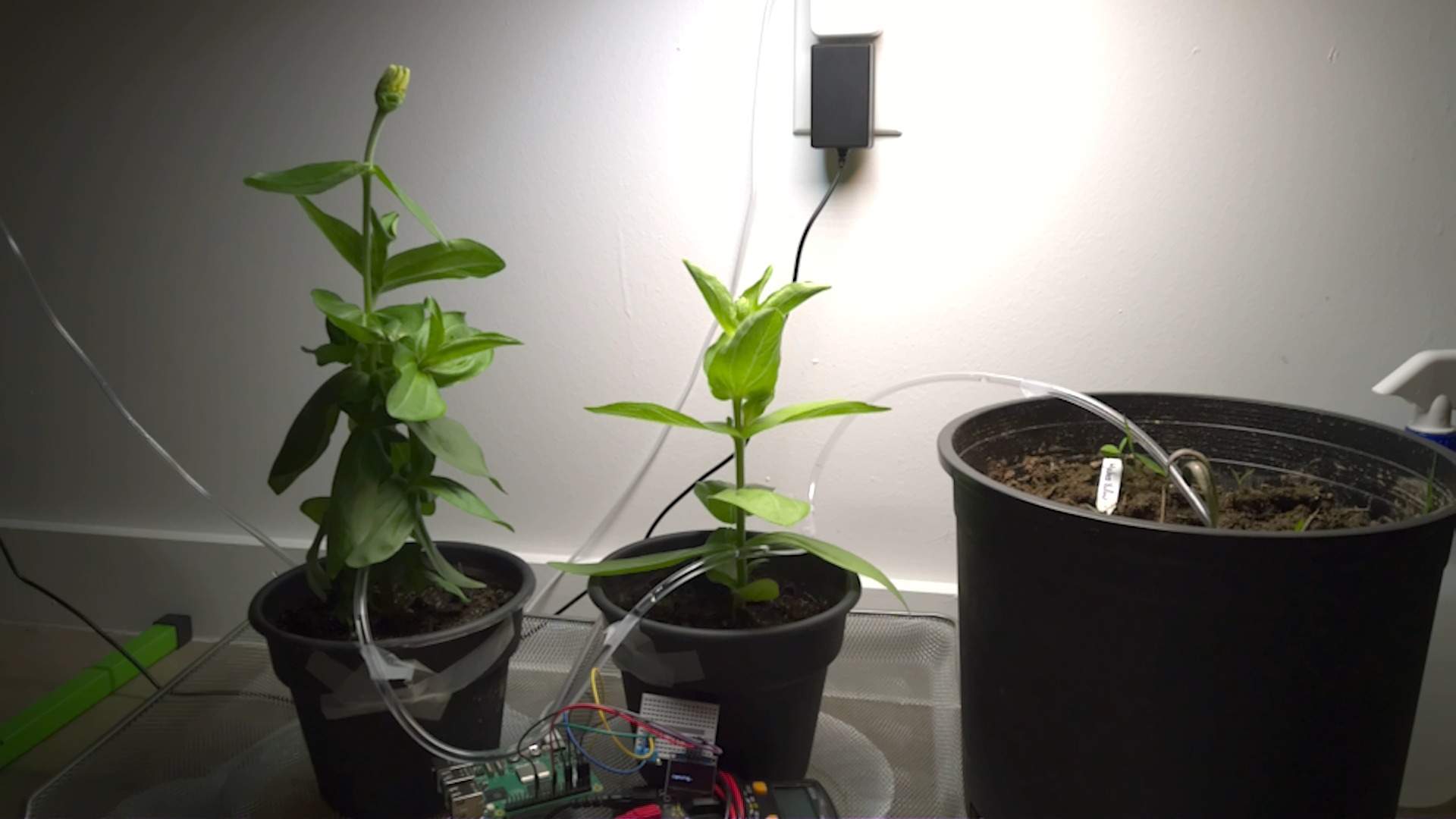
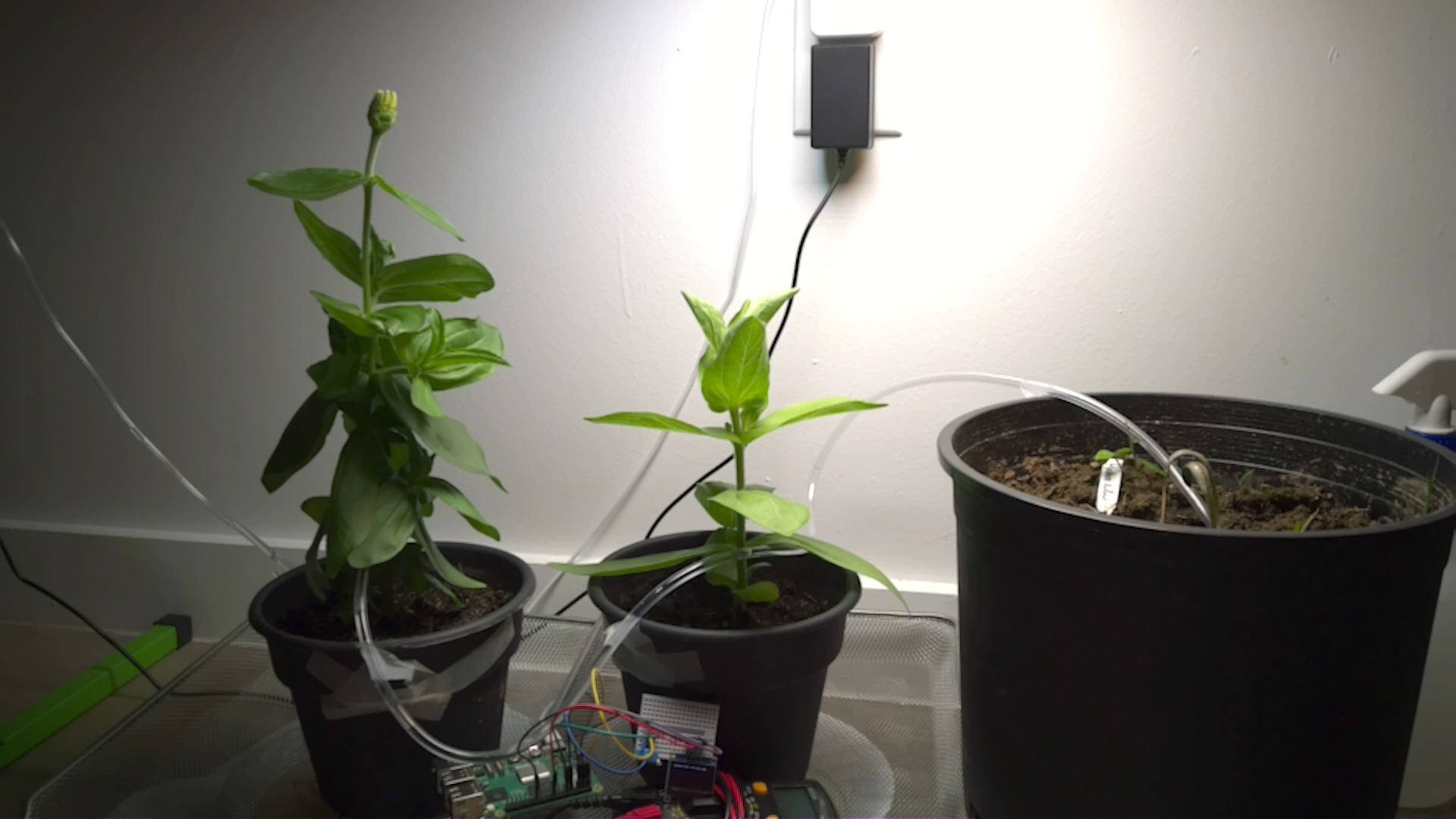
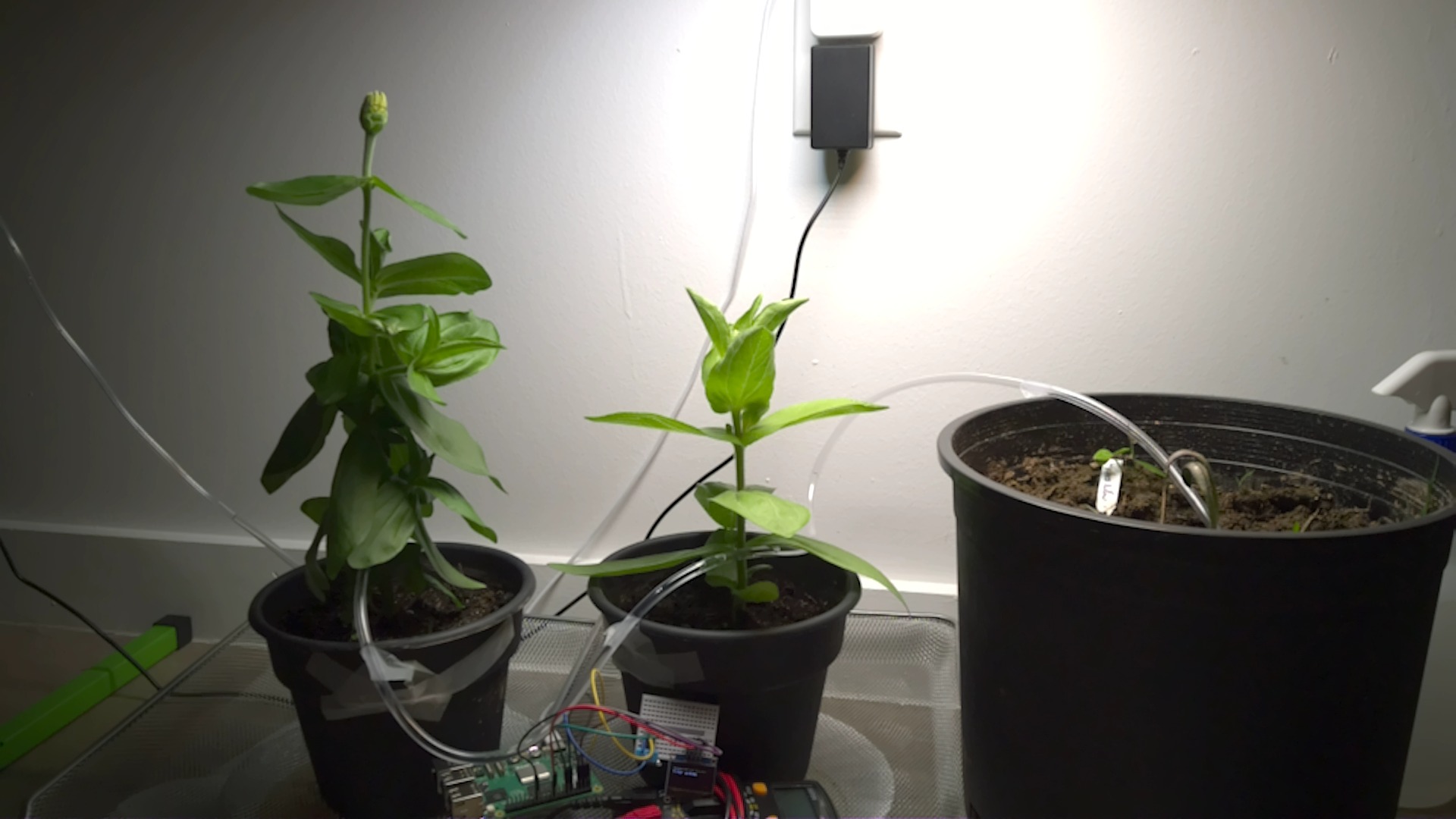
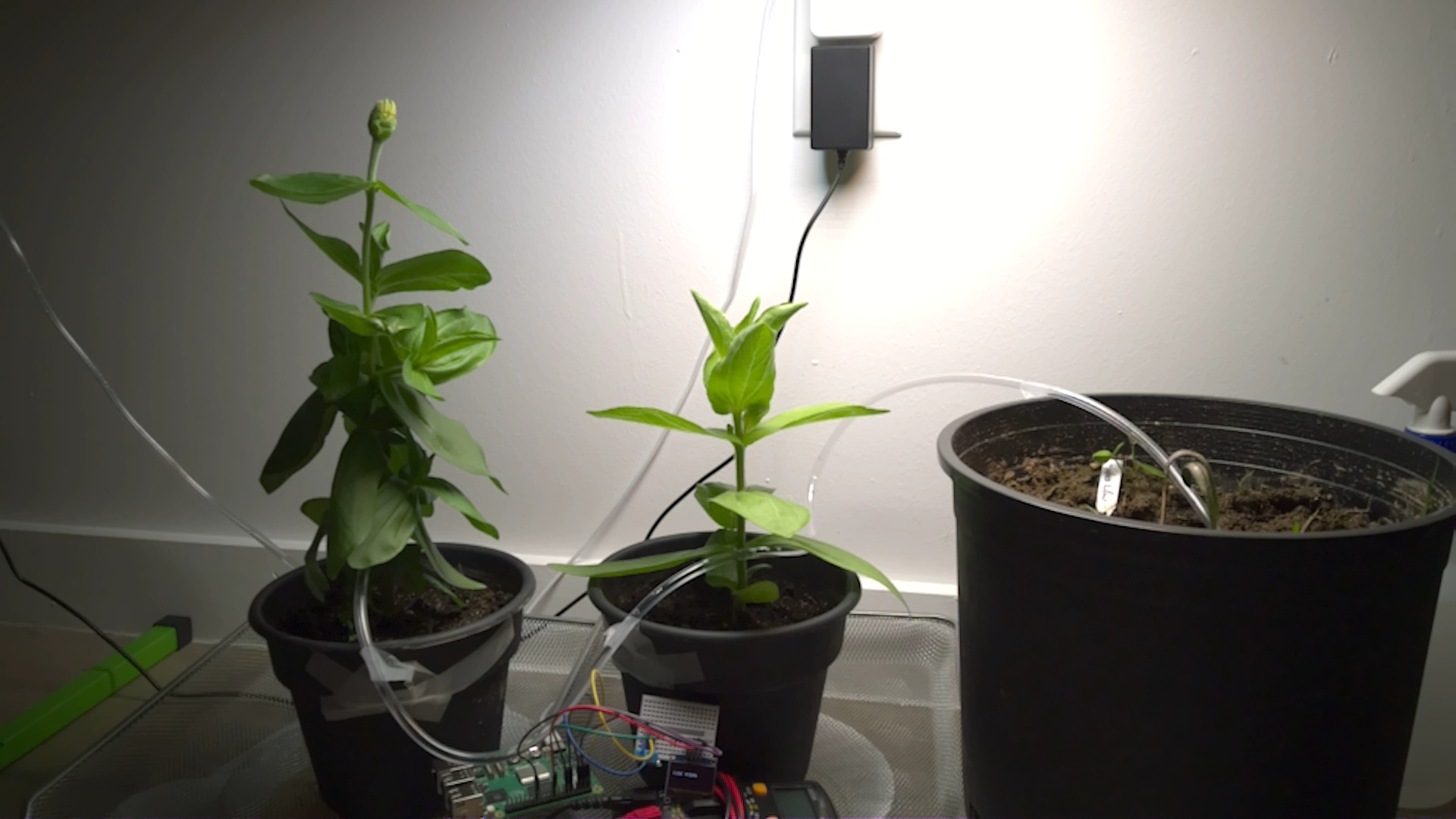
98 captures stitched at 10 fps. The complete run.
Every Capture
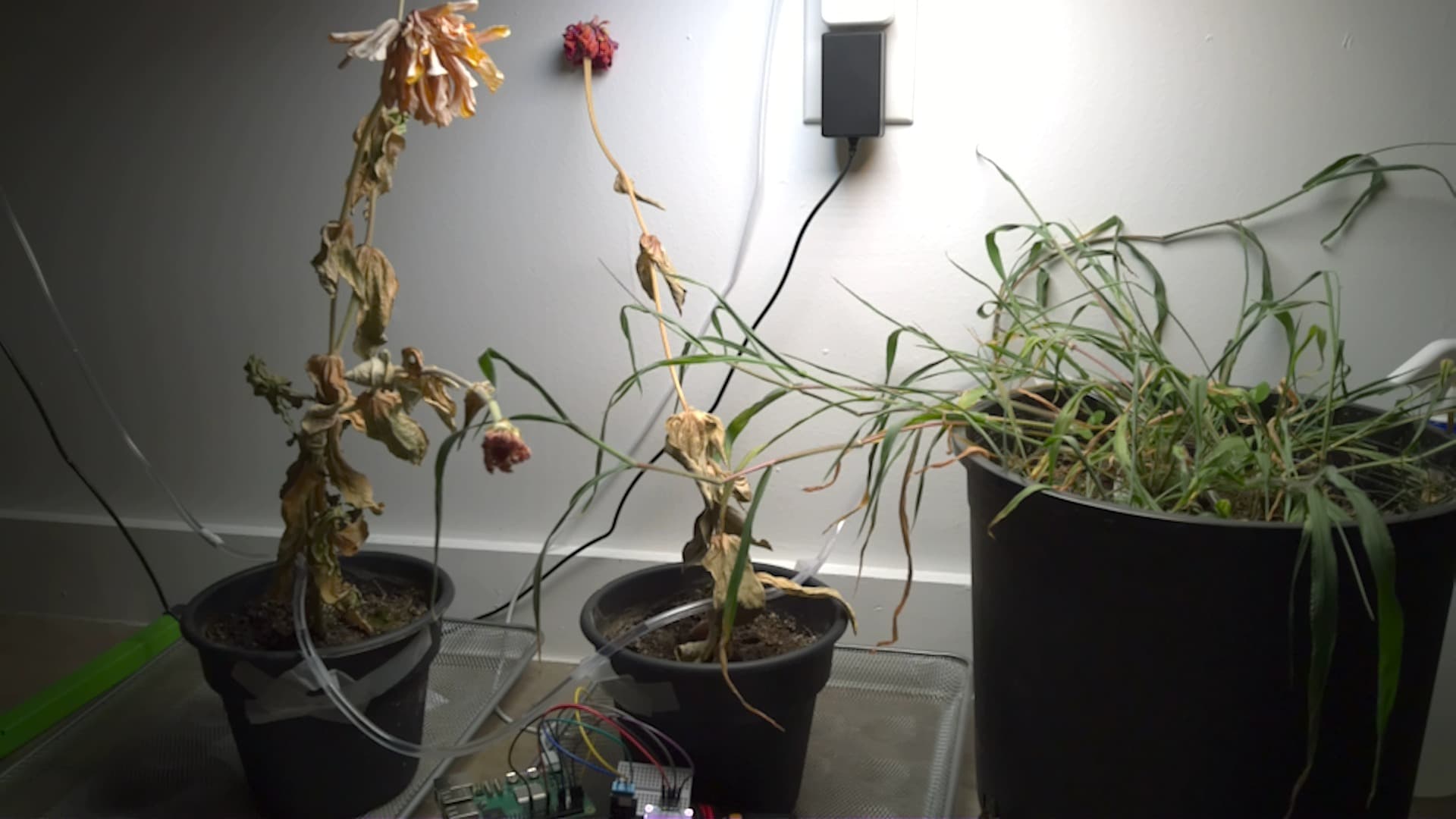
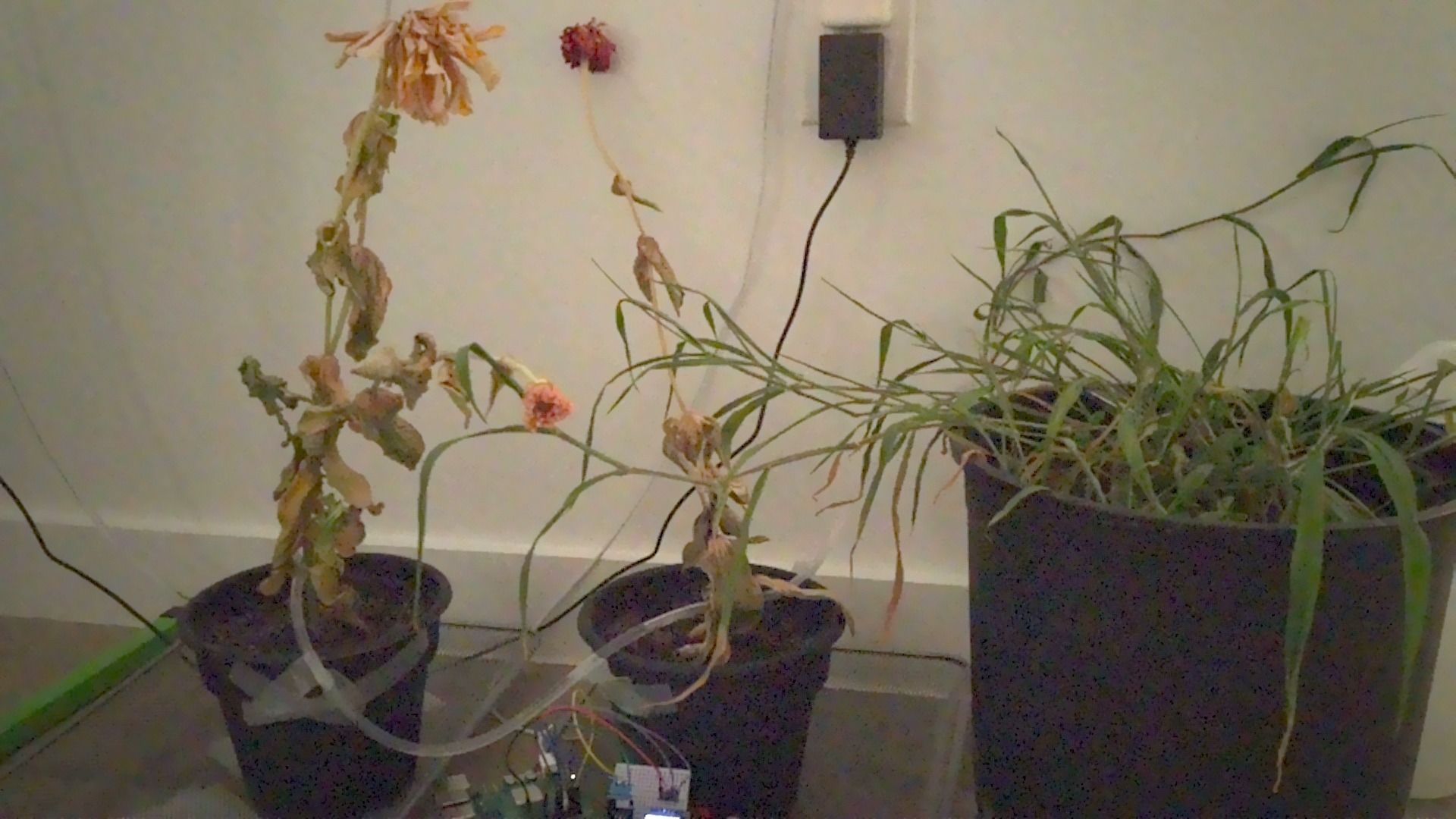
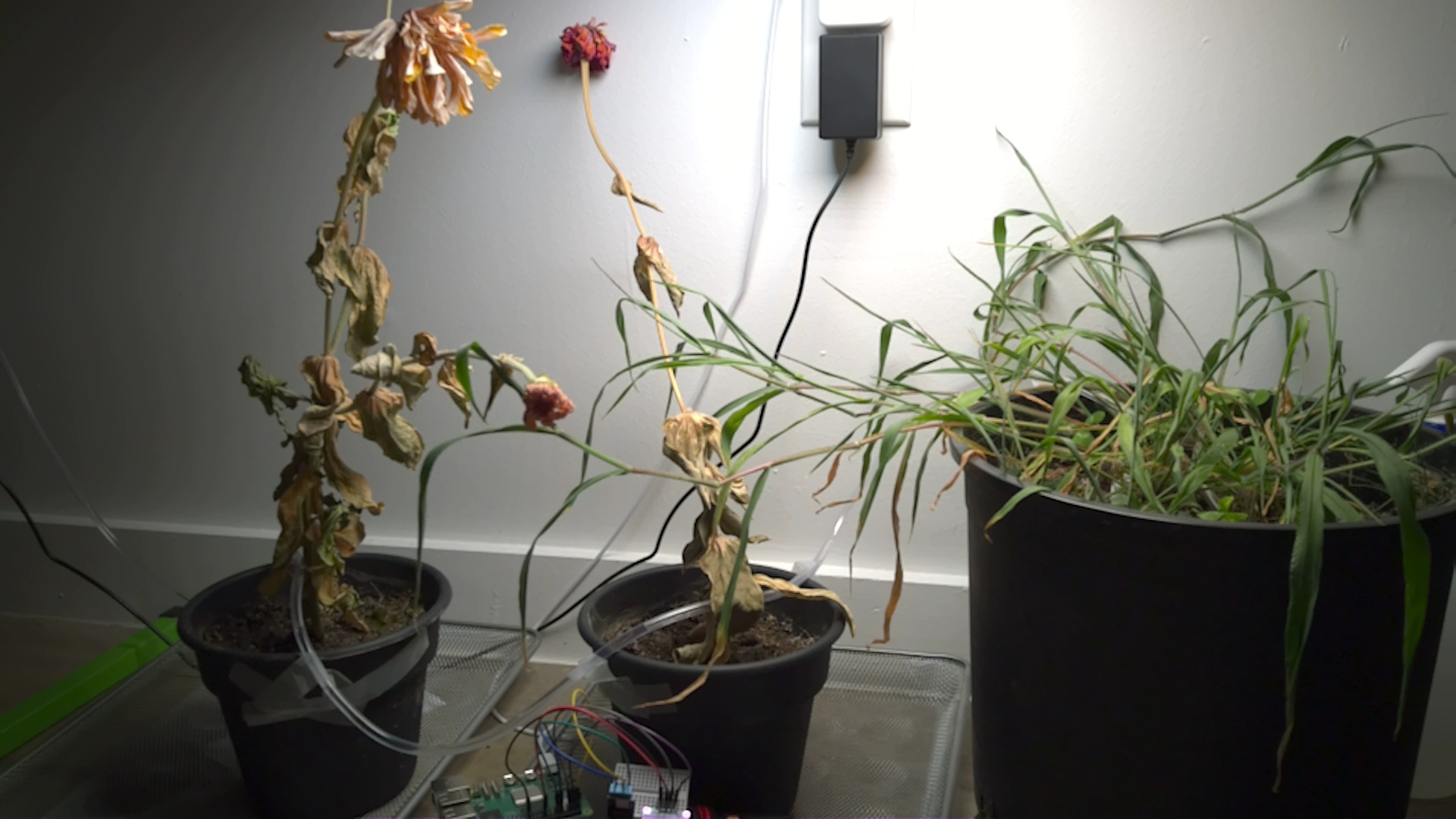
Jun 12 · 11:30 AM · midday
fail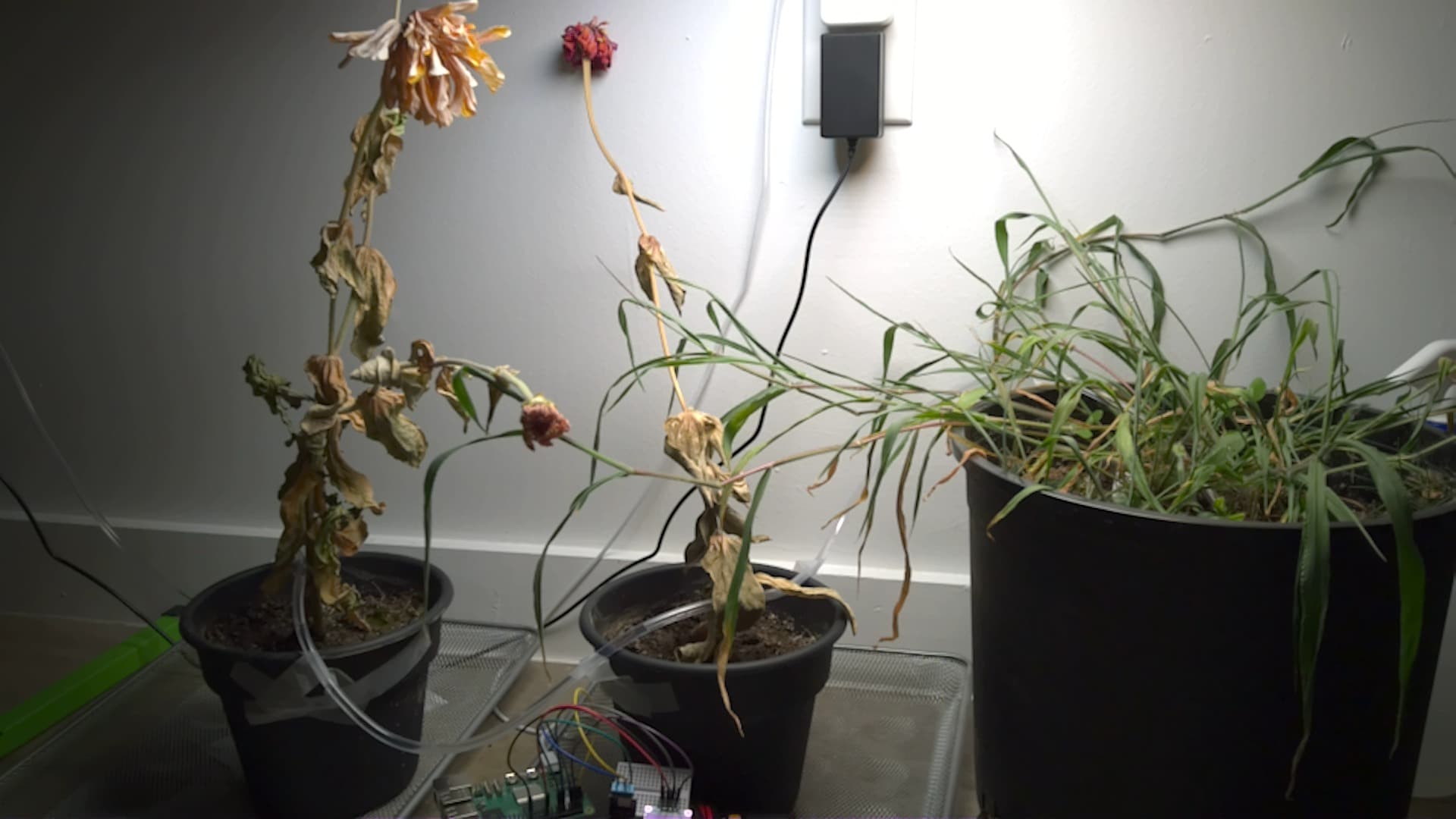
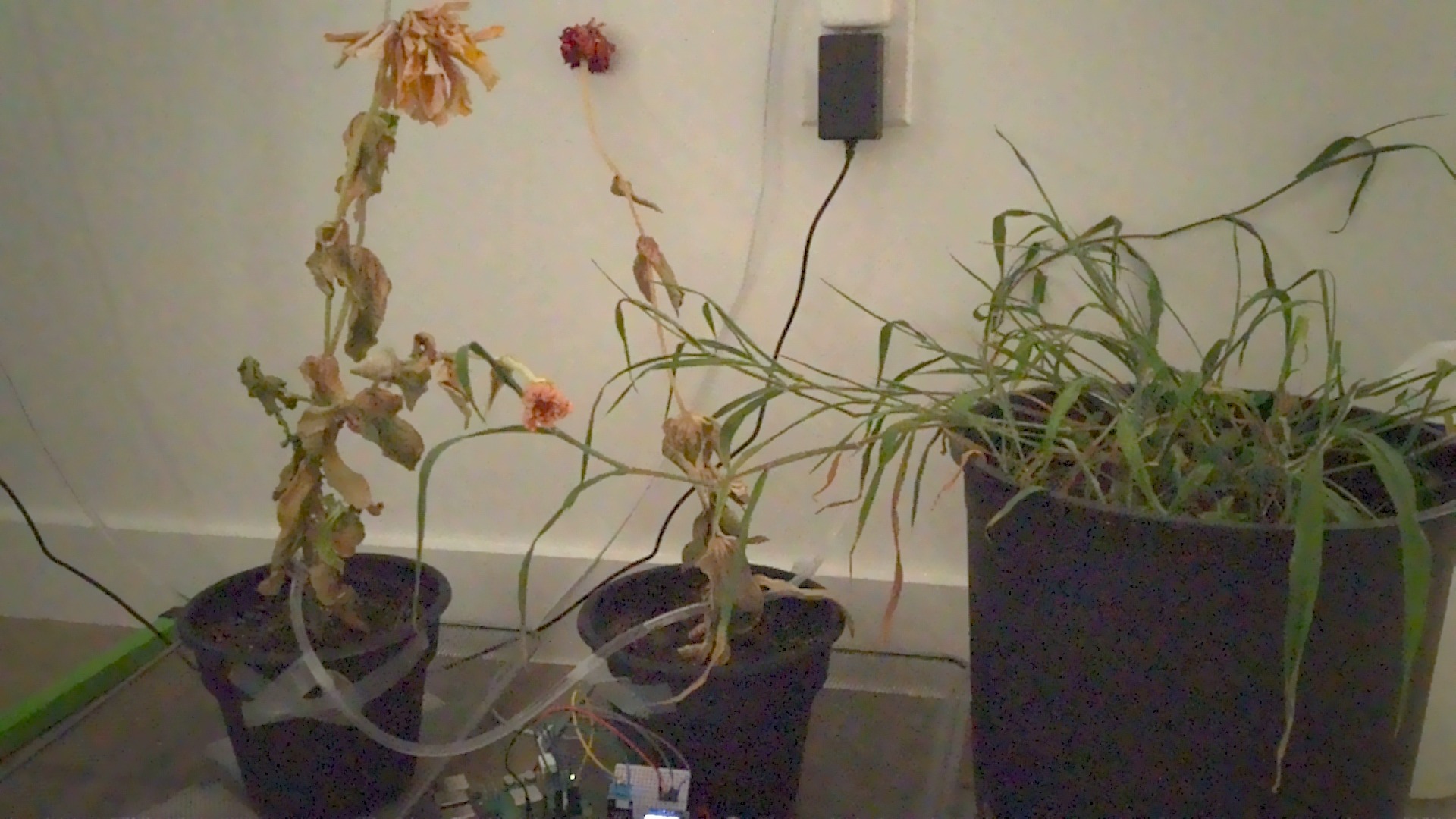
Jun 12 · 7:30 AM · morning
watered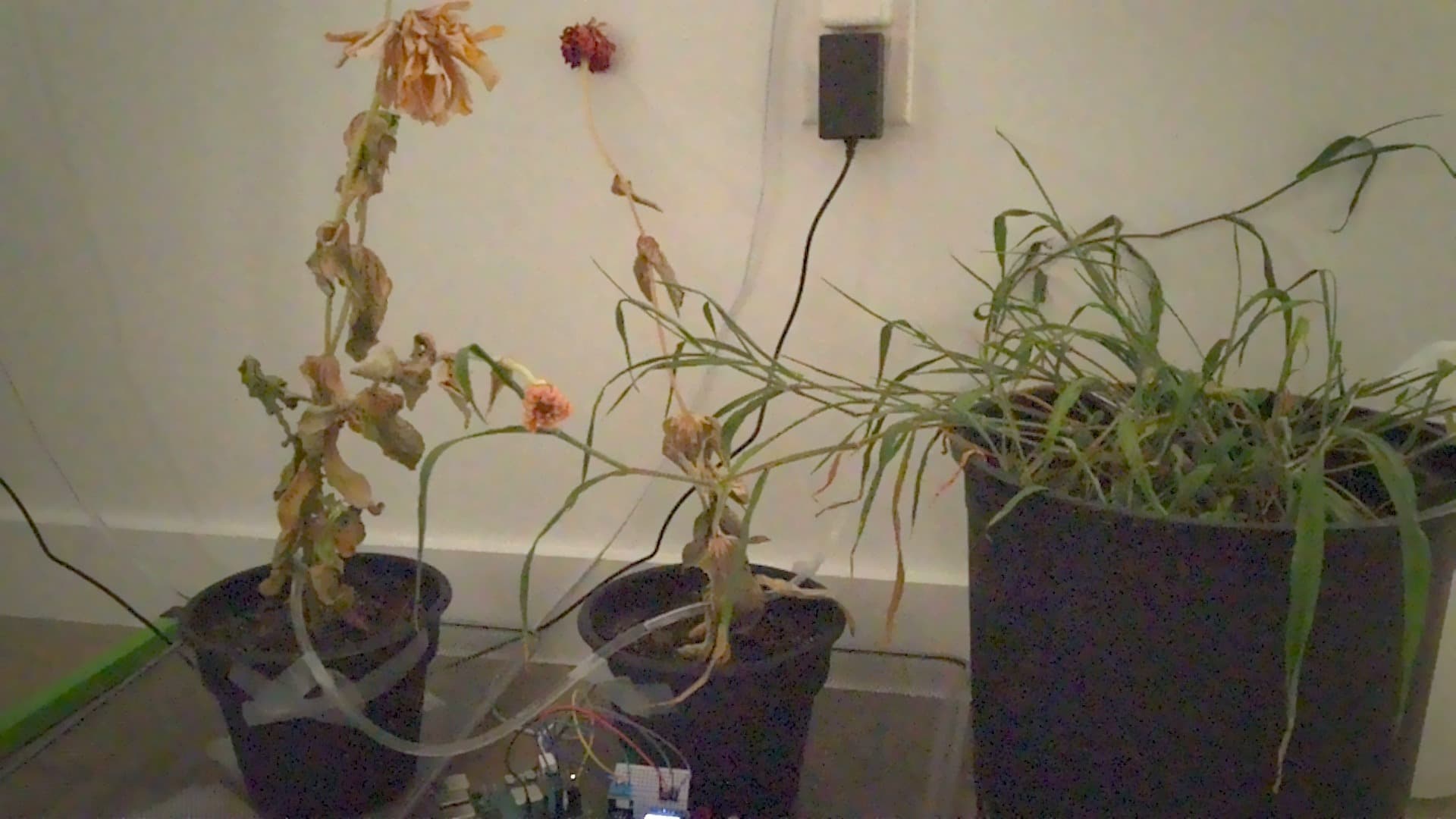
Jun 12 · 12:36 AM · evening
watered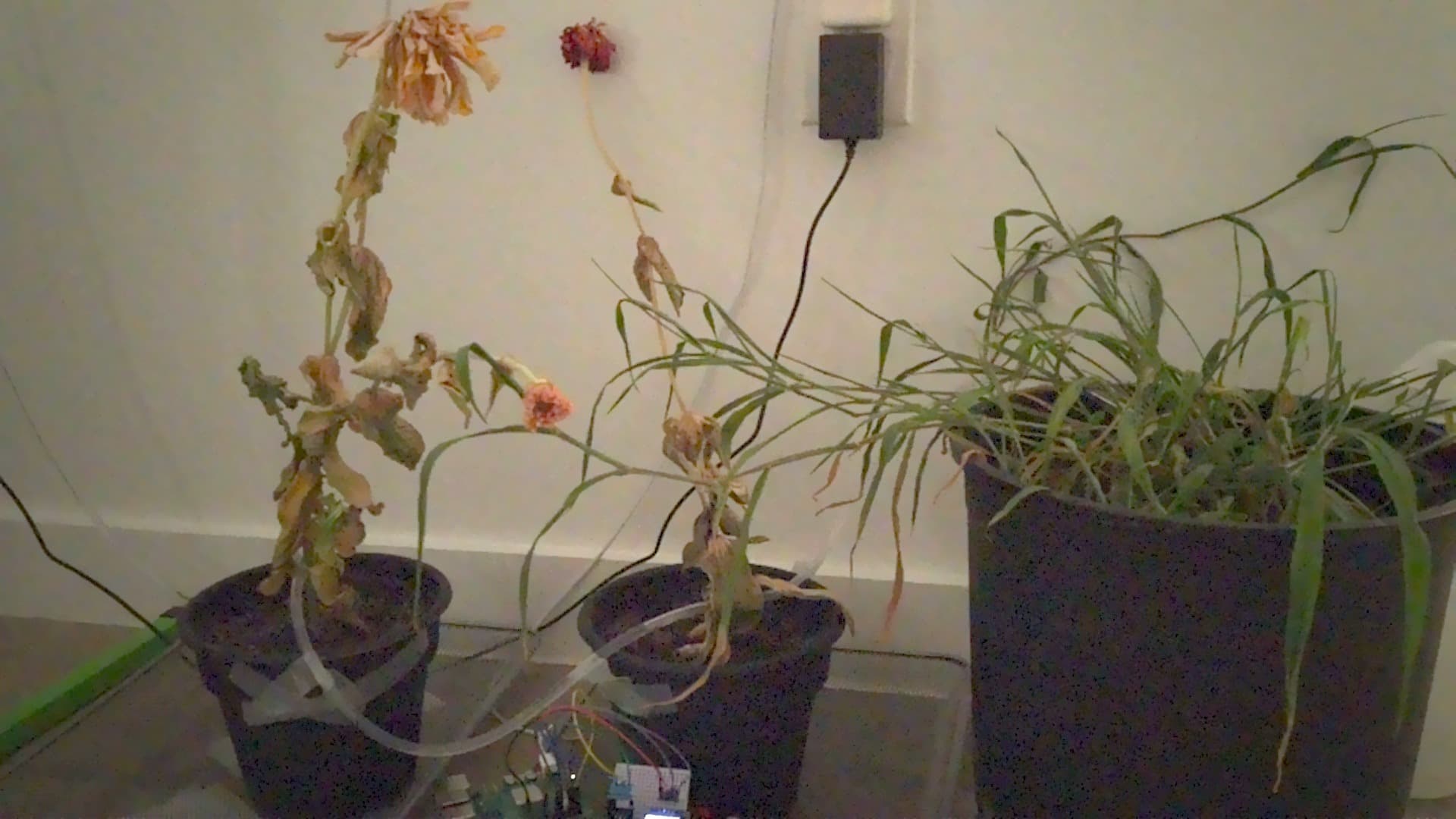
Jun 12 · 12:16 AM · evening
watered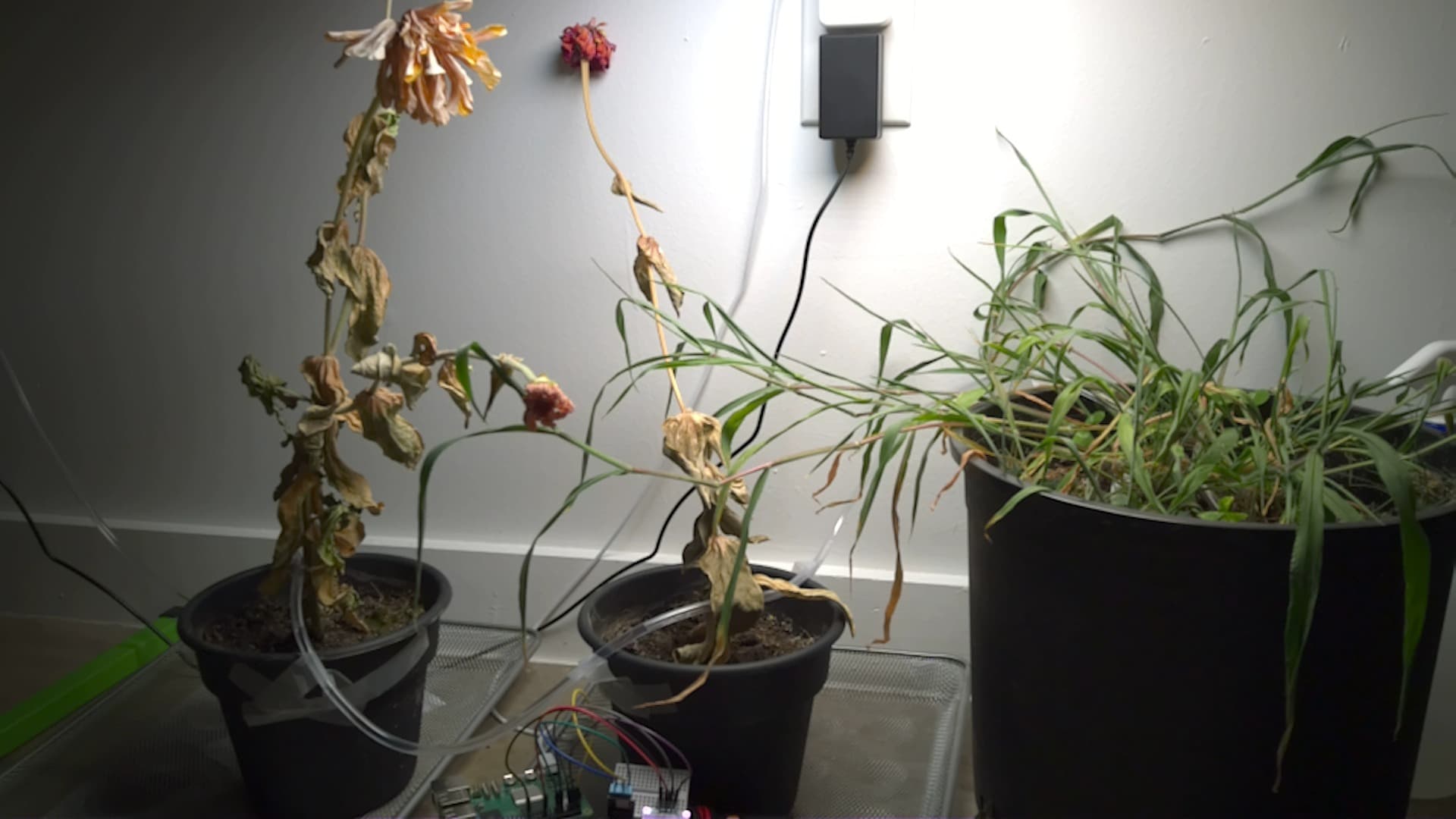
Jun 11 · 11:58 PM · evening
watered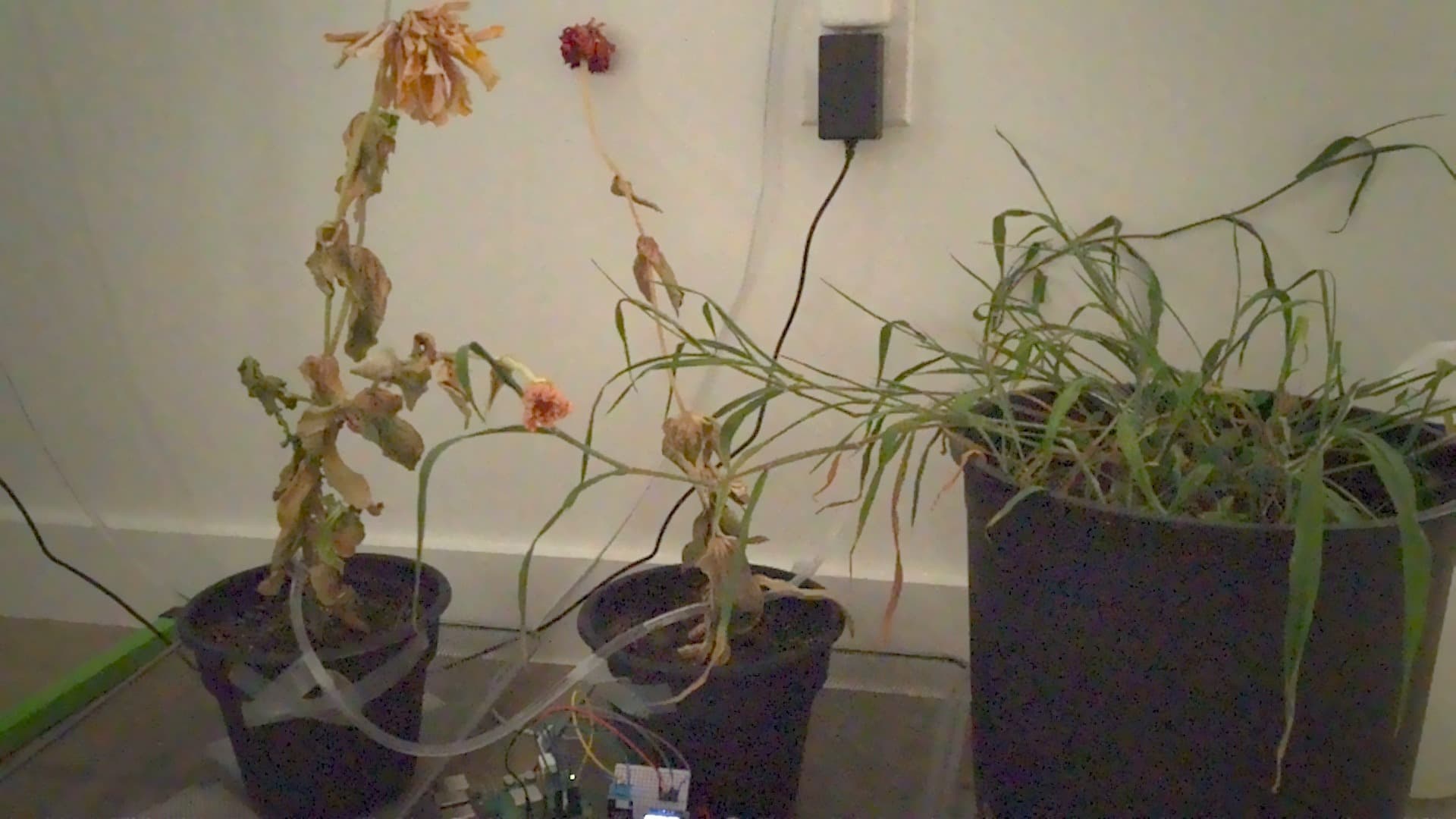
Jun 11 · 11:54 PM · morning
watered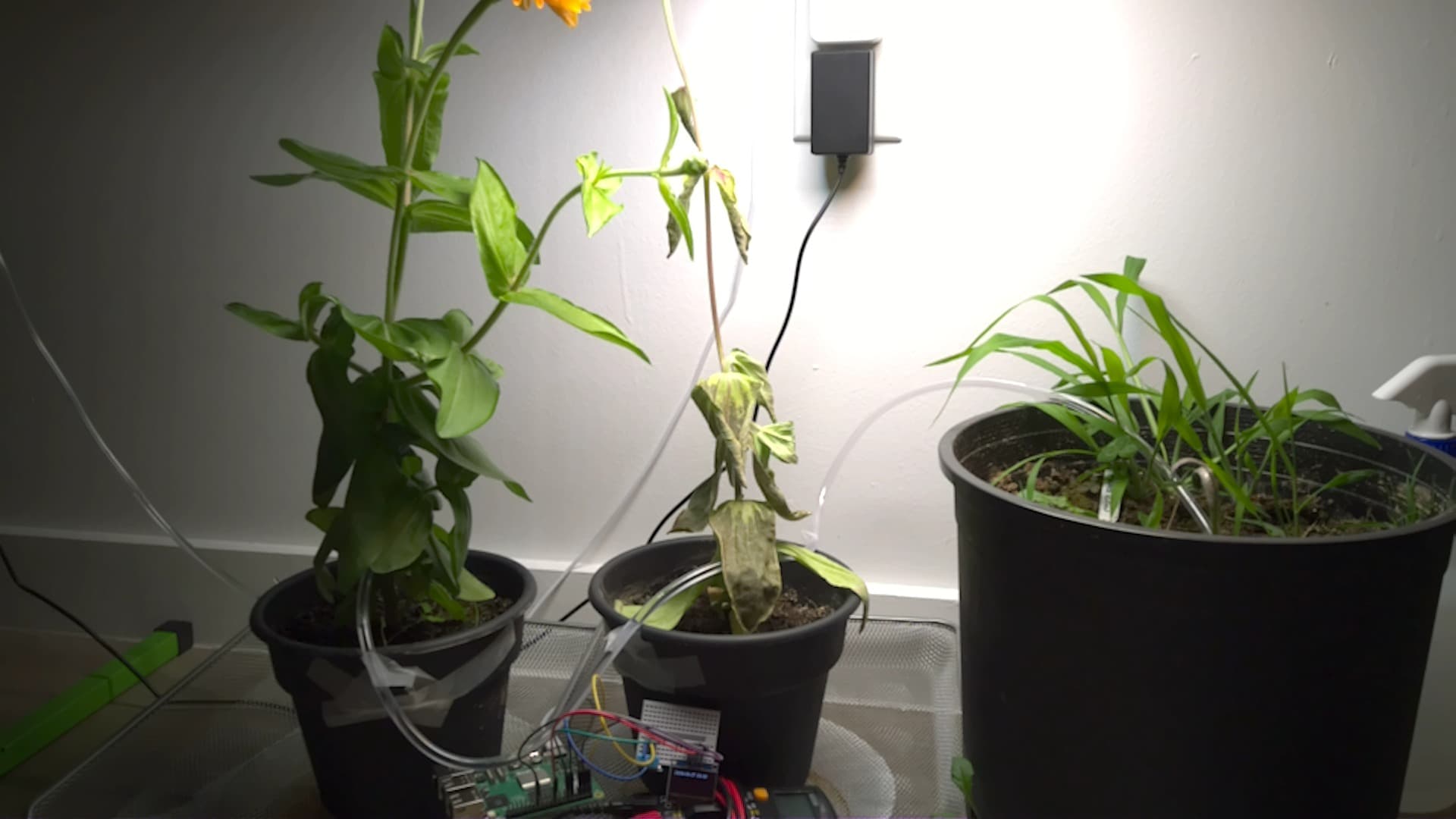
May 27 · 3:30 PM · afternoon
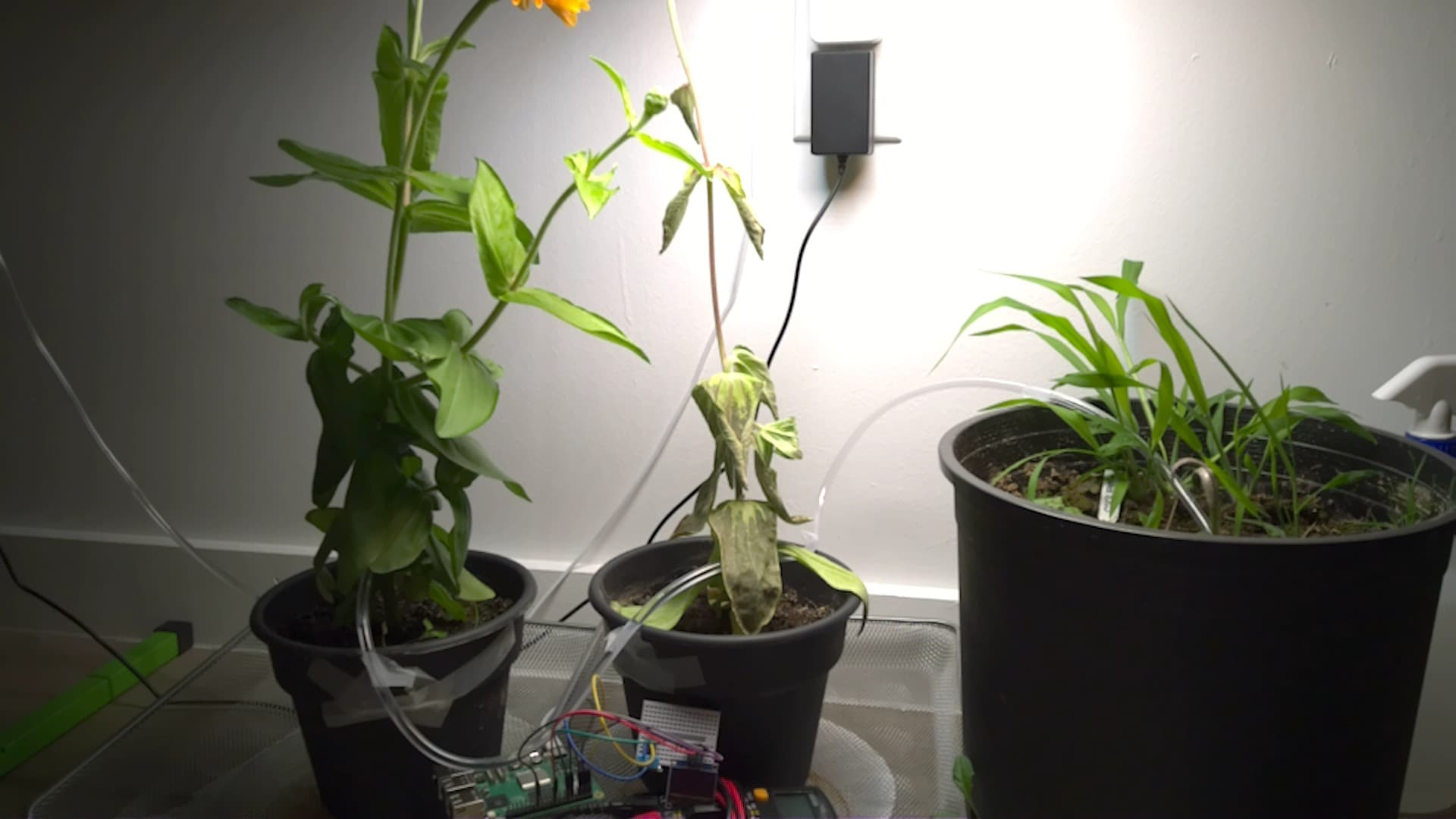
May 27 · 11:30 AM · midday
watered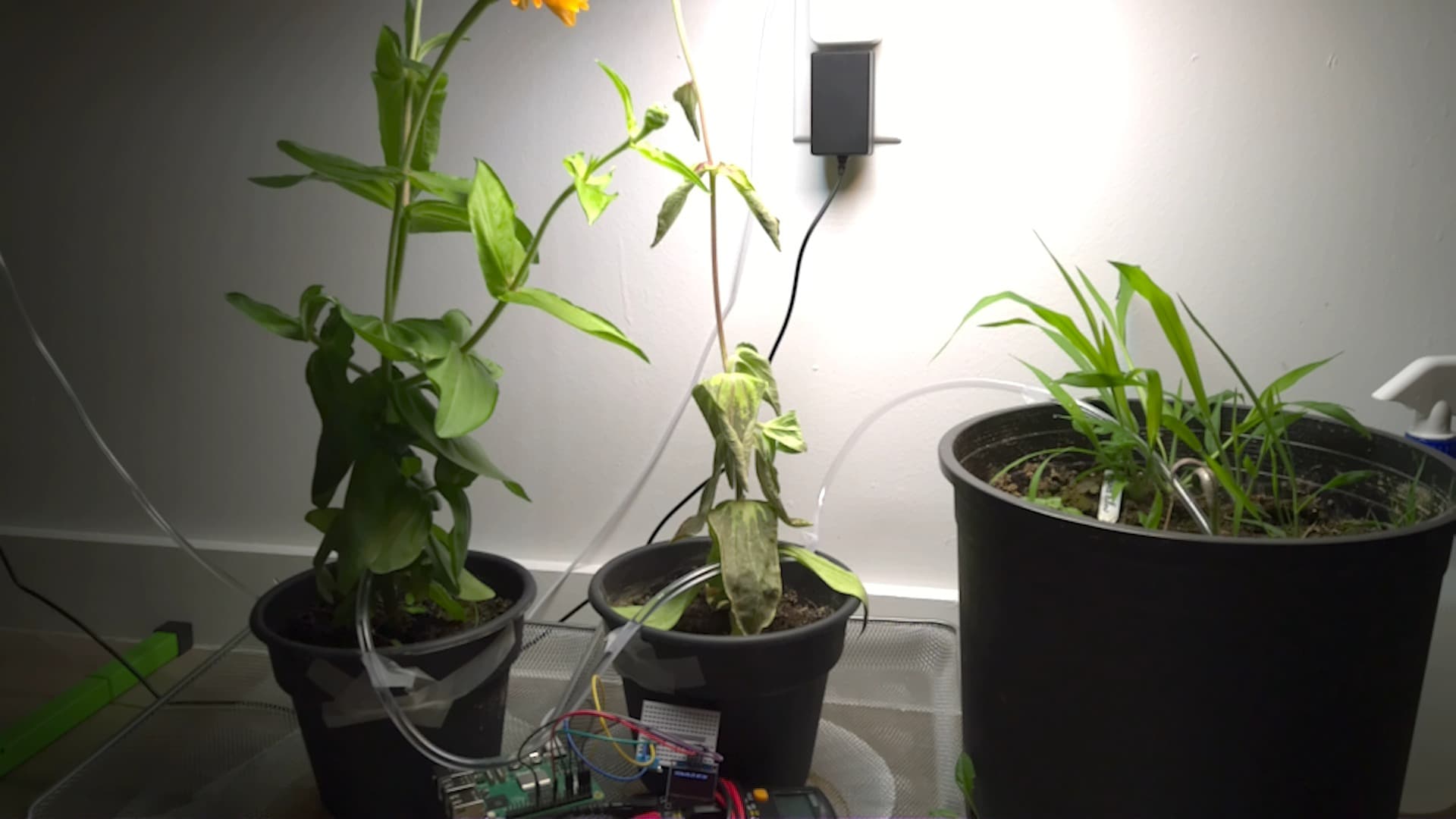
May 27 · 7:30 AM · morning
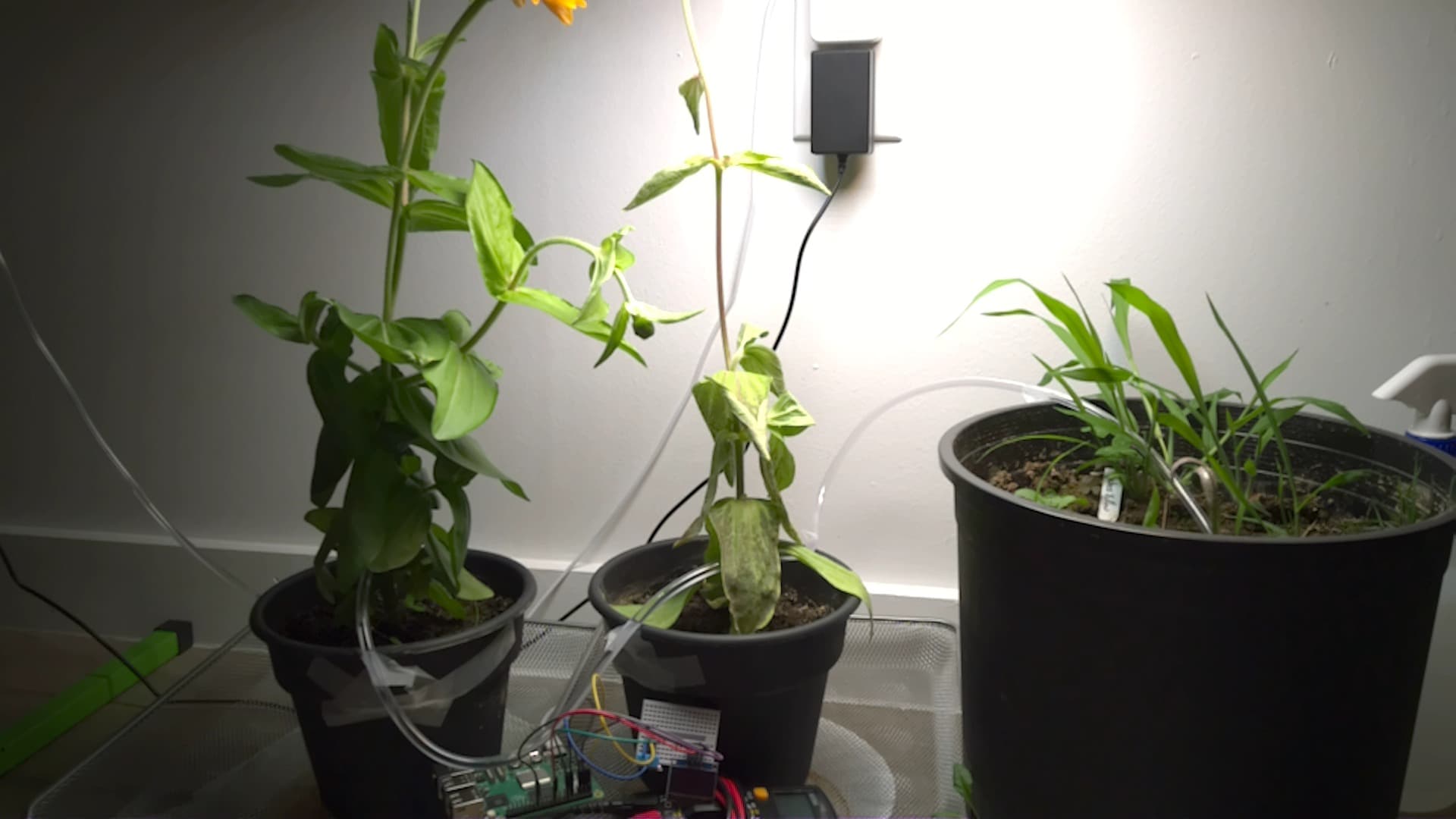
May 26 · 7:30 PM · evening
watered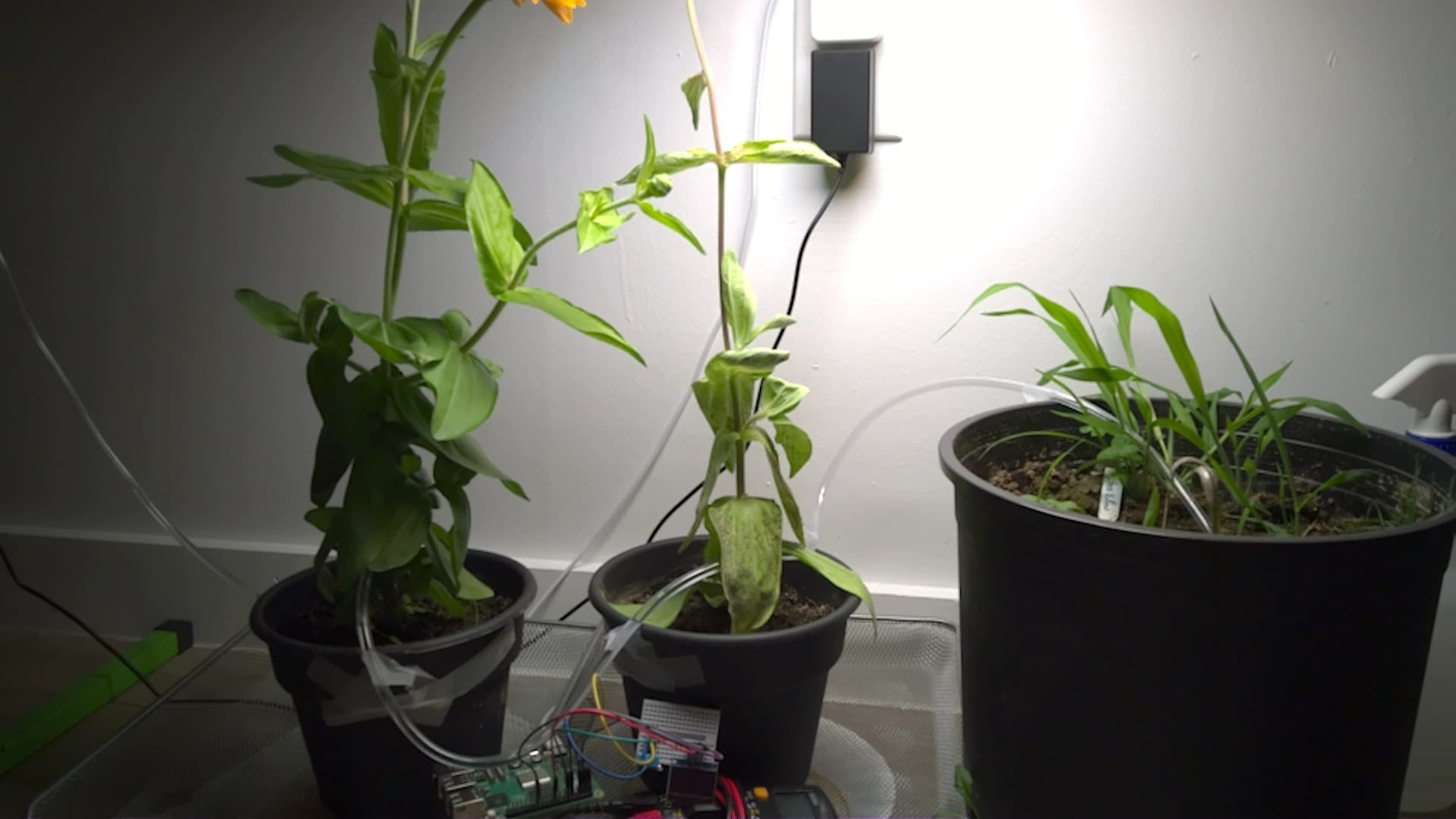
May 26 · 3:30 PM · afternoon
watered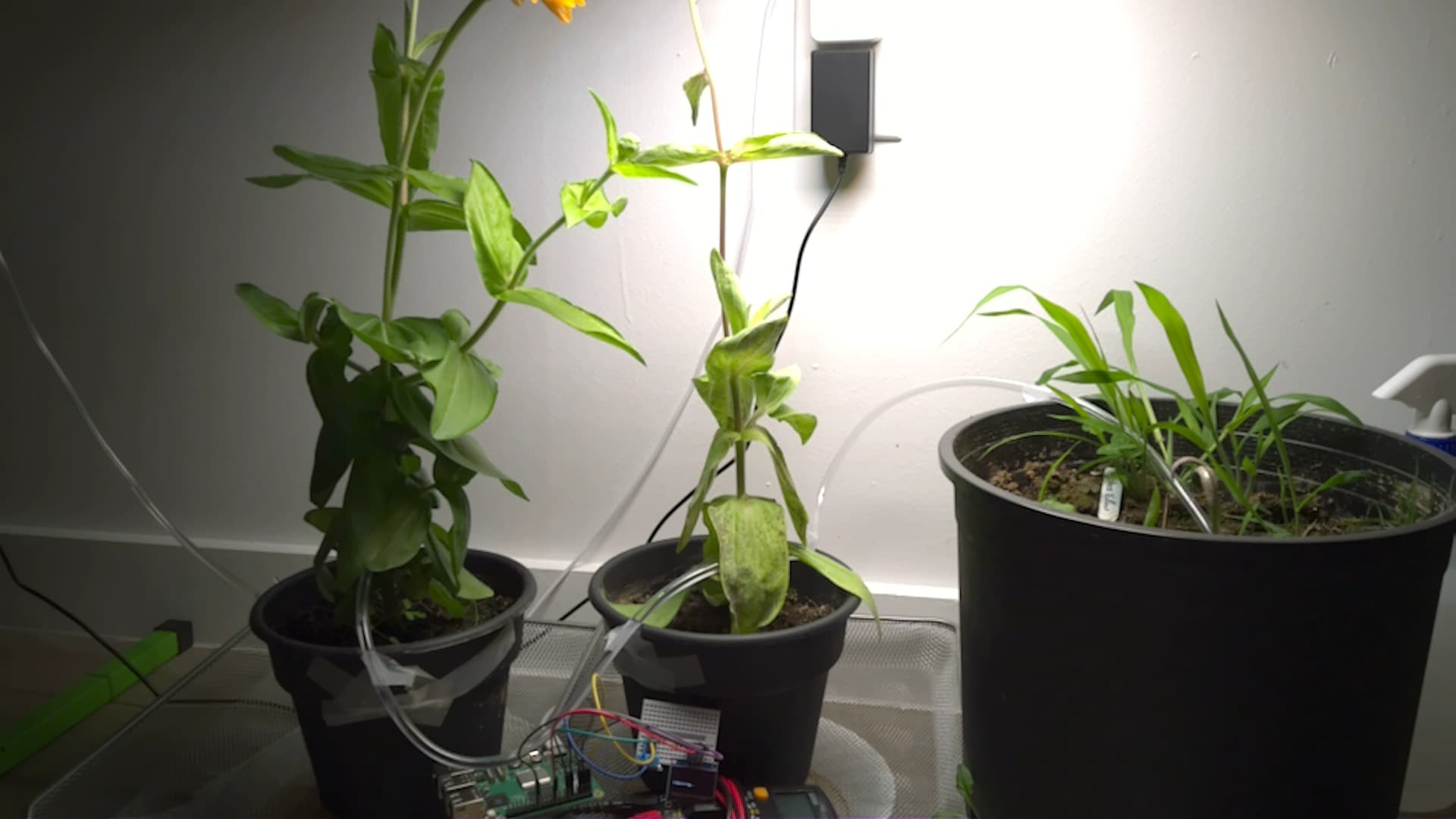
May 26 · 11:30 AM · midday
watered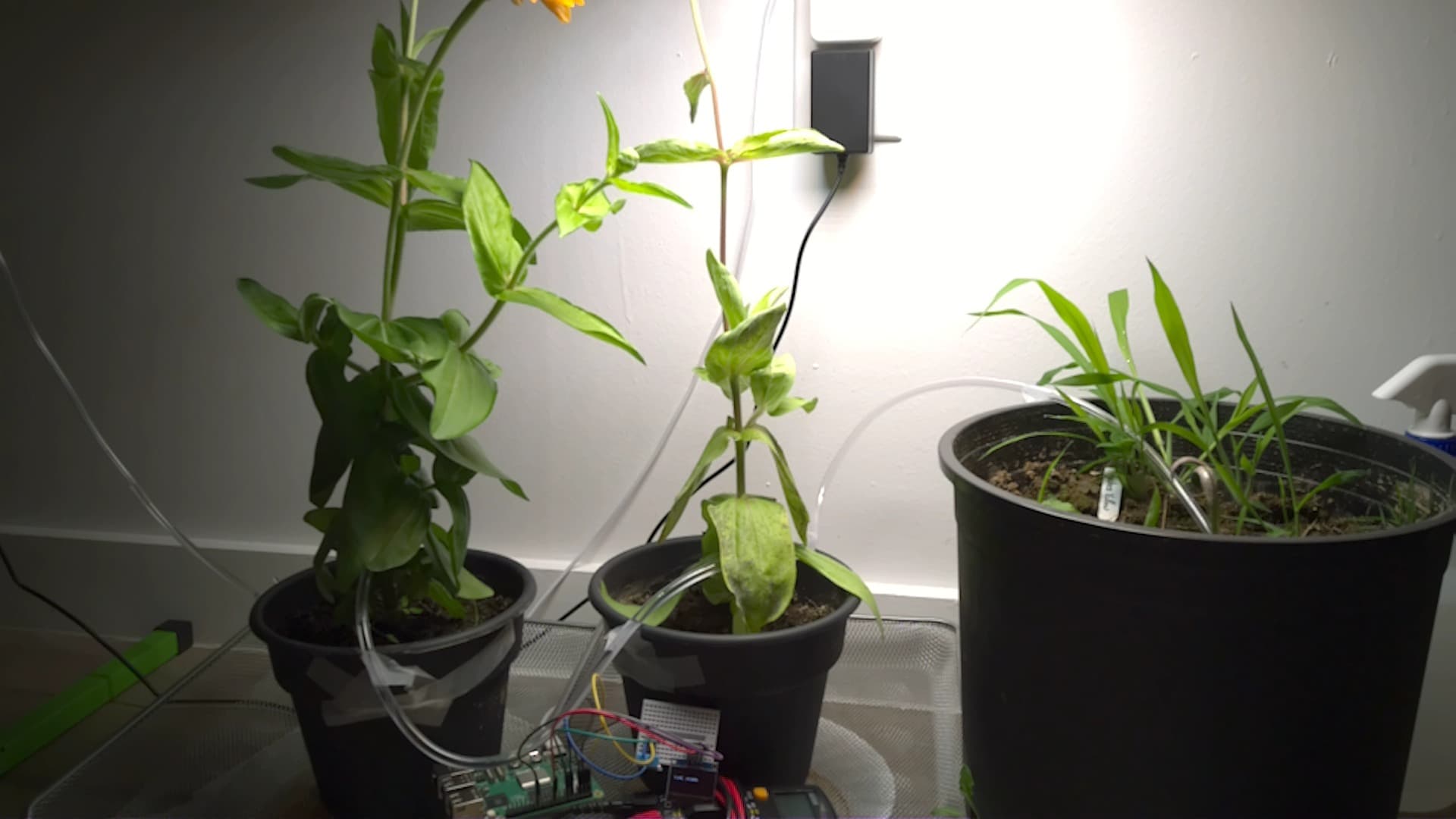
May 26 · 7:30 AM · morning
watered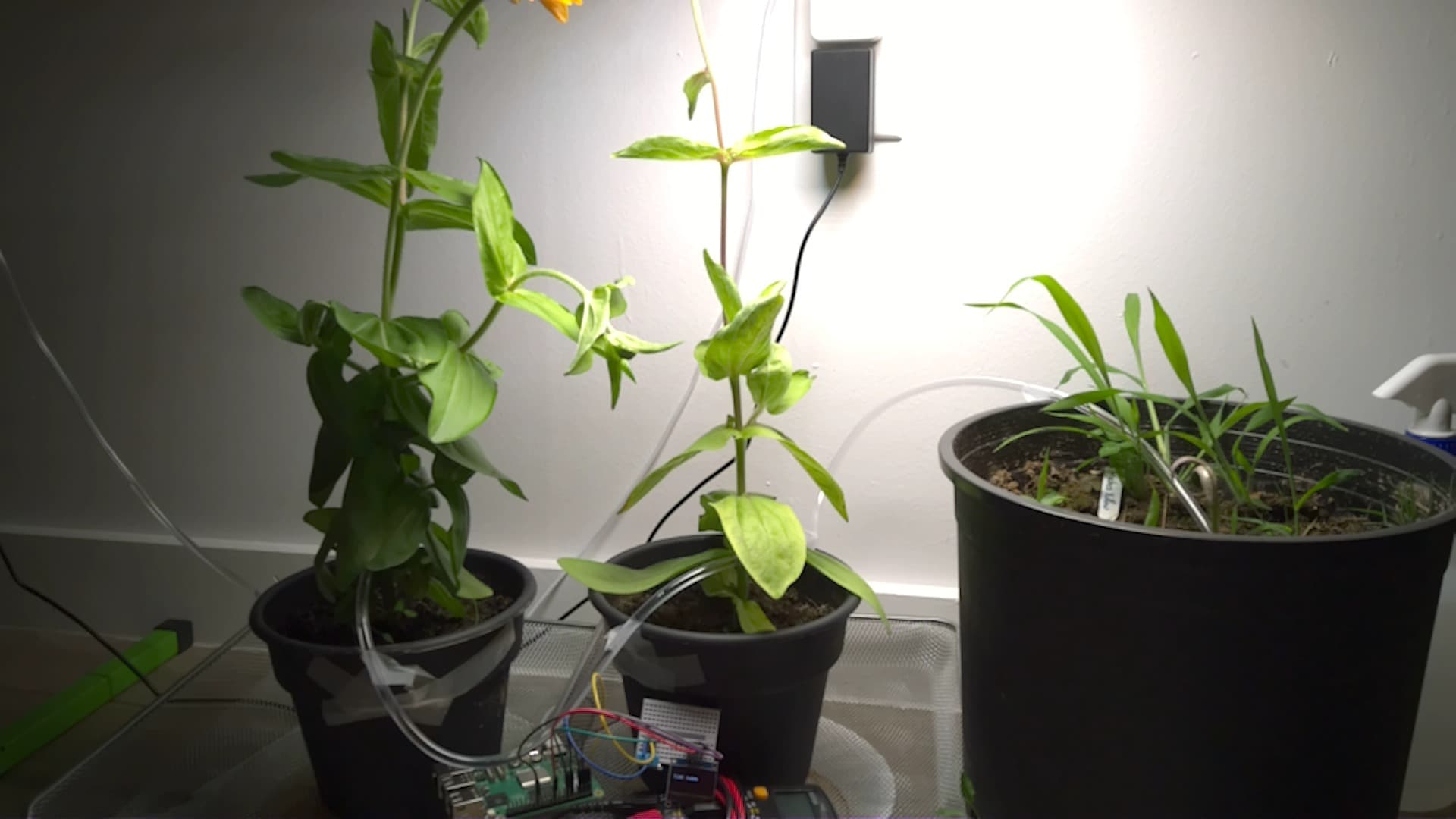
May 25 · 7:30 PM · evening
watered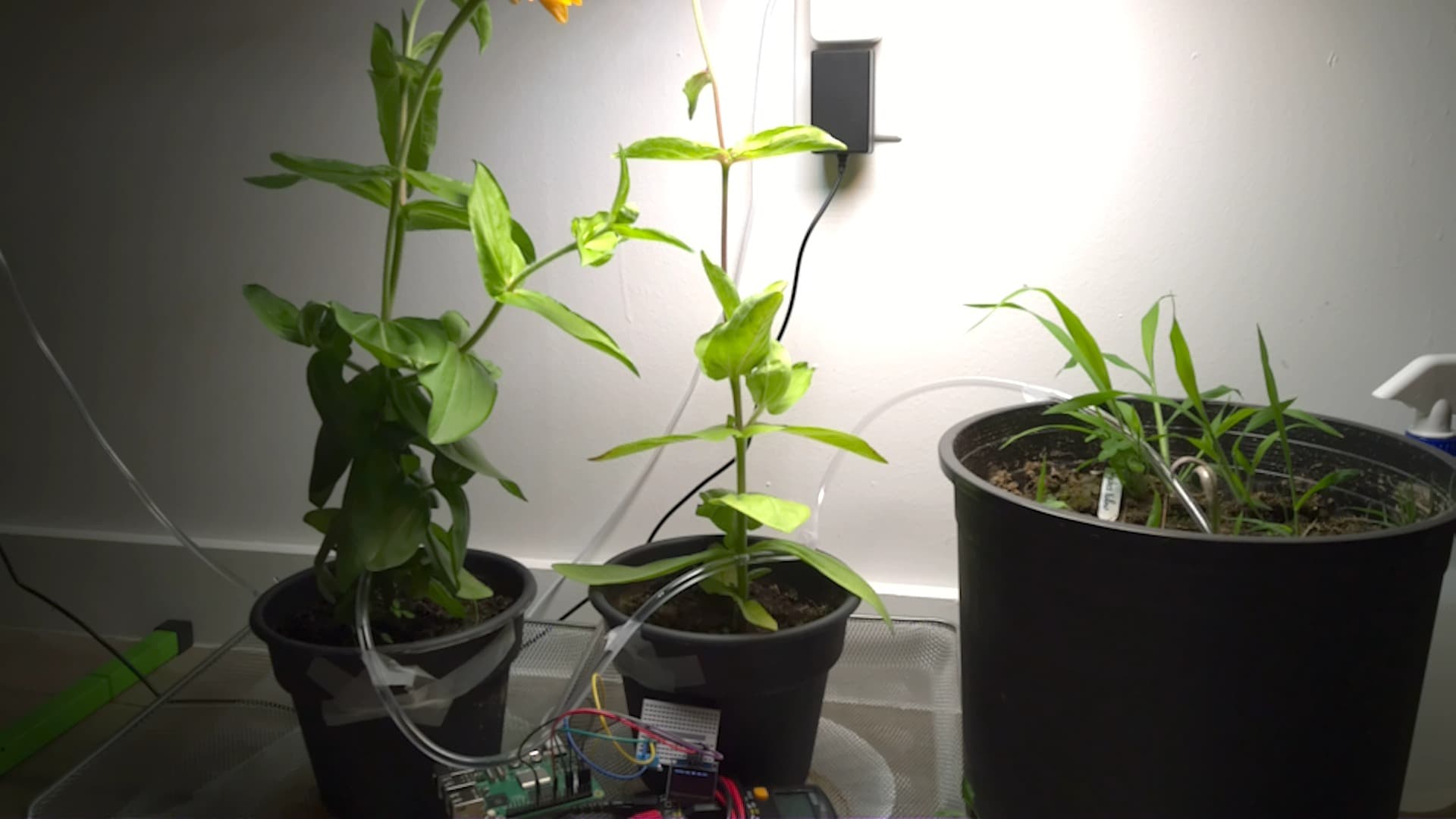
May 25 · 3:30 PM · afternoon
watered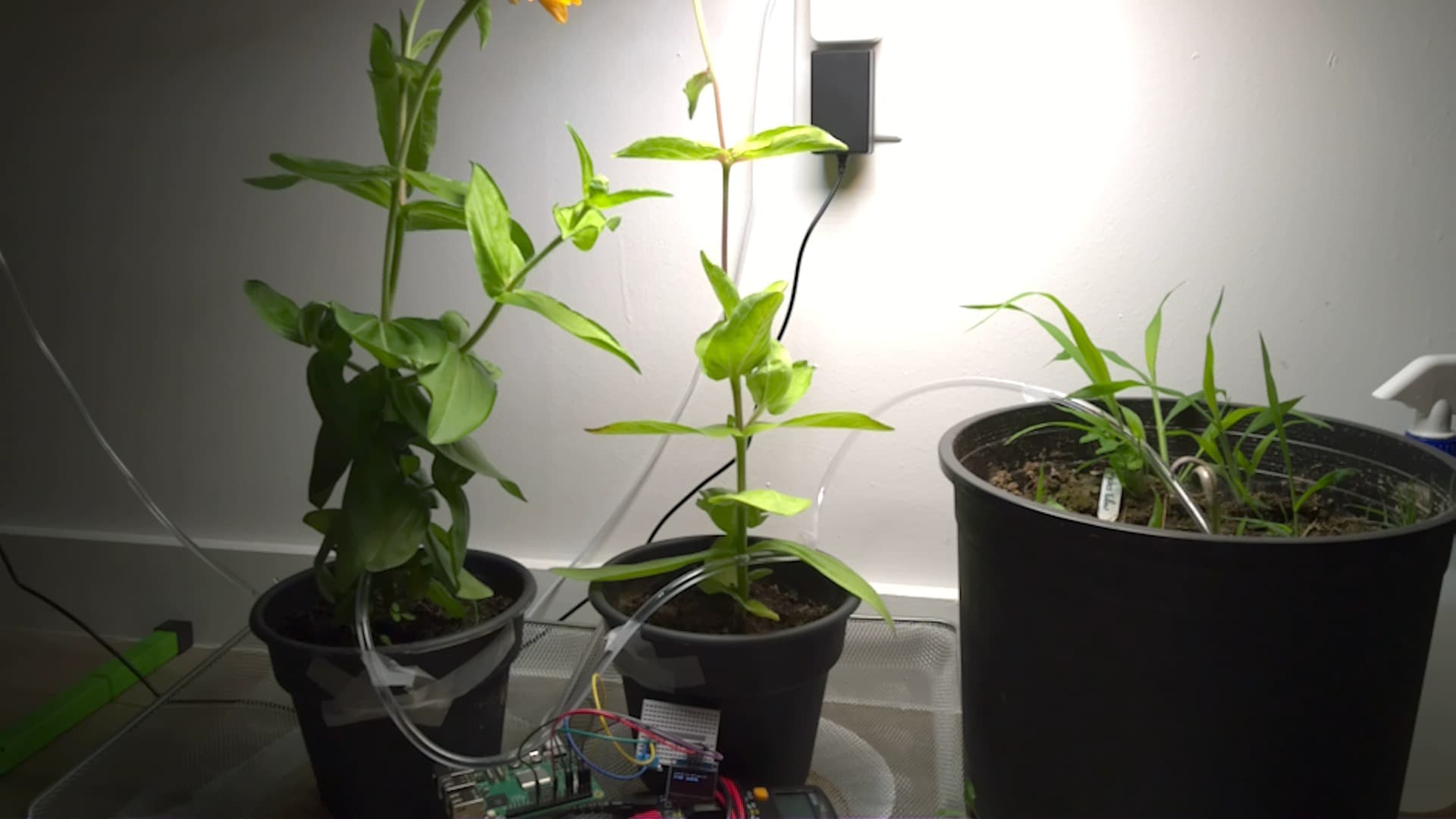
May 25 · 11:30 AM · midday
watered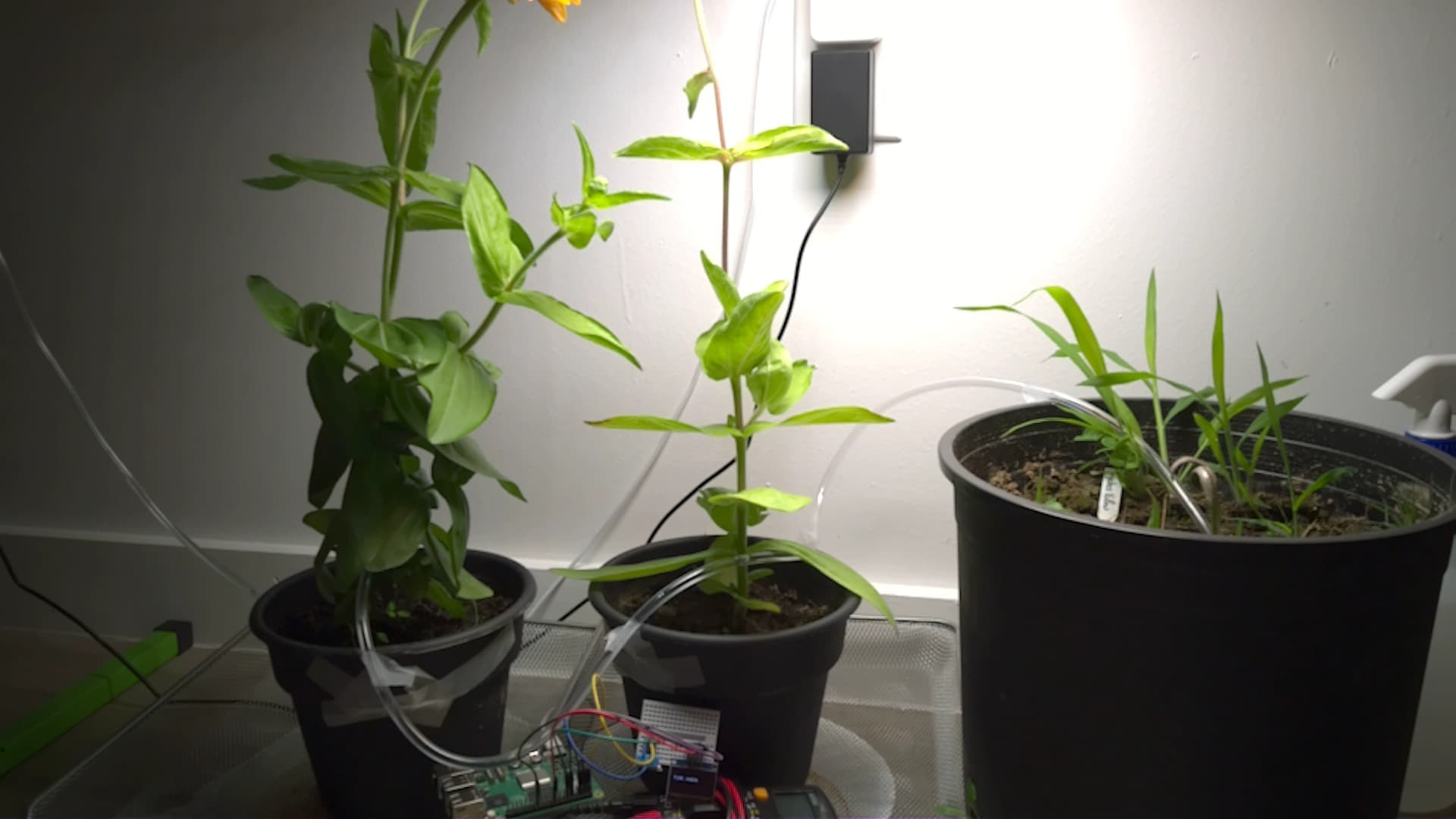
May 25 · 7:30 AM · morning
watered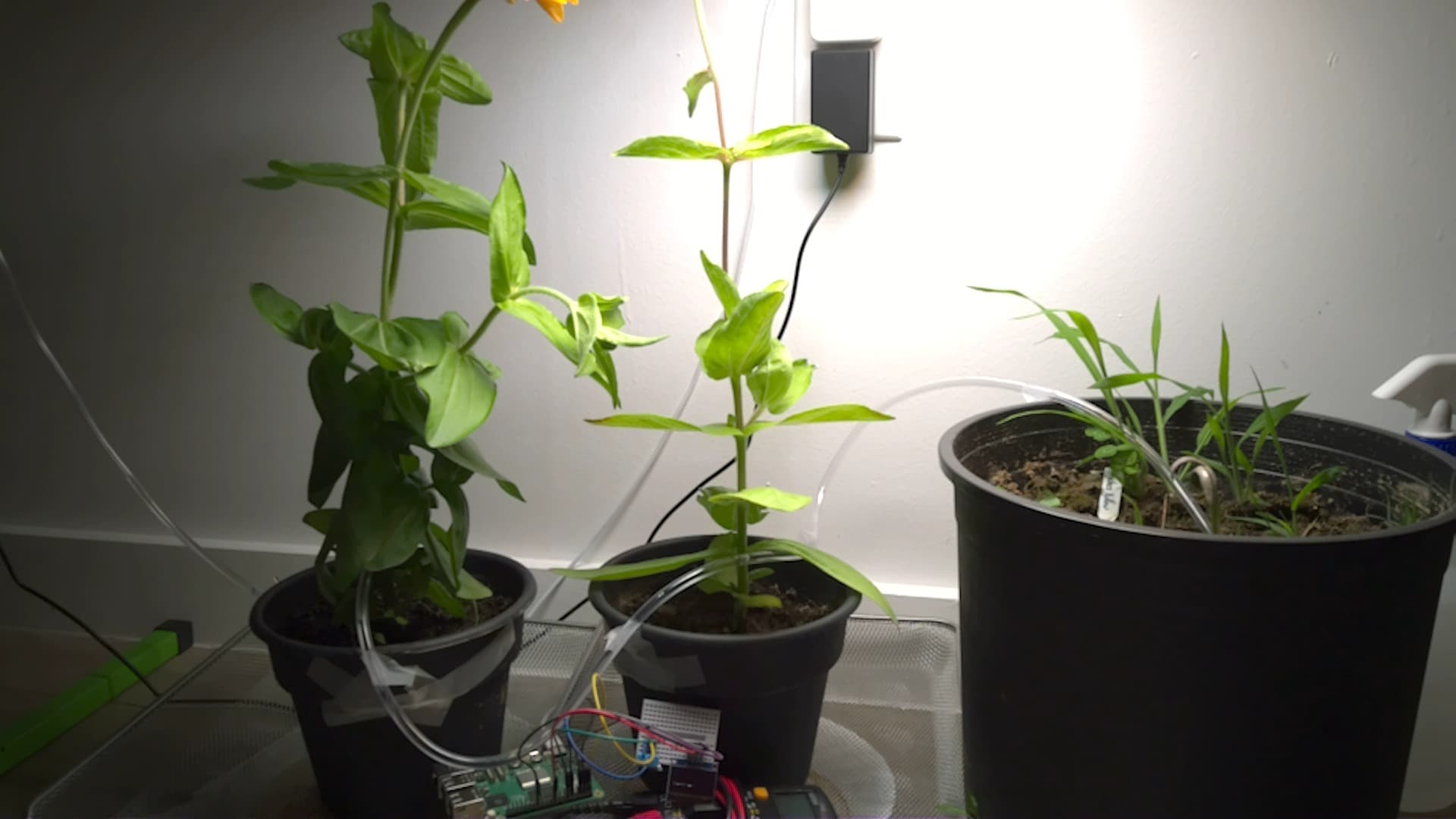
May 24 · 7:30 PM · evening
watered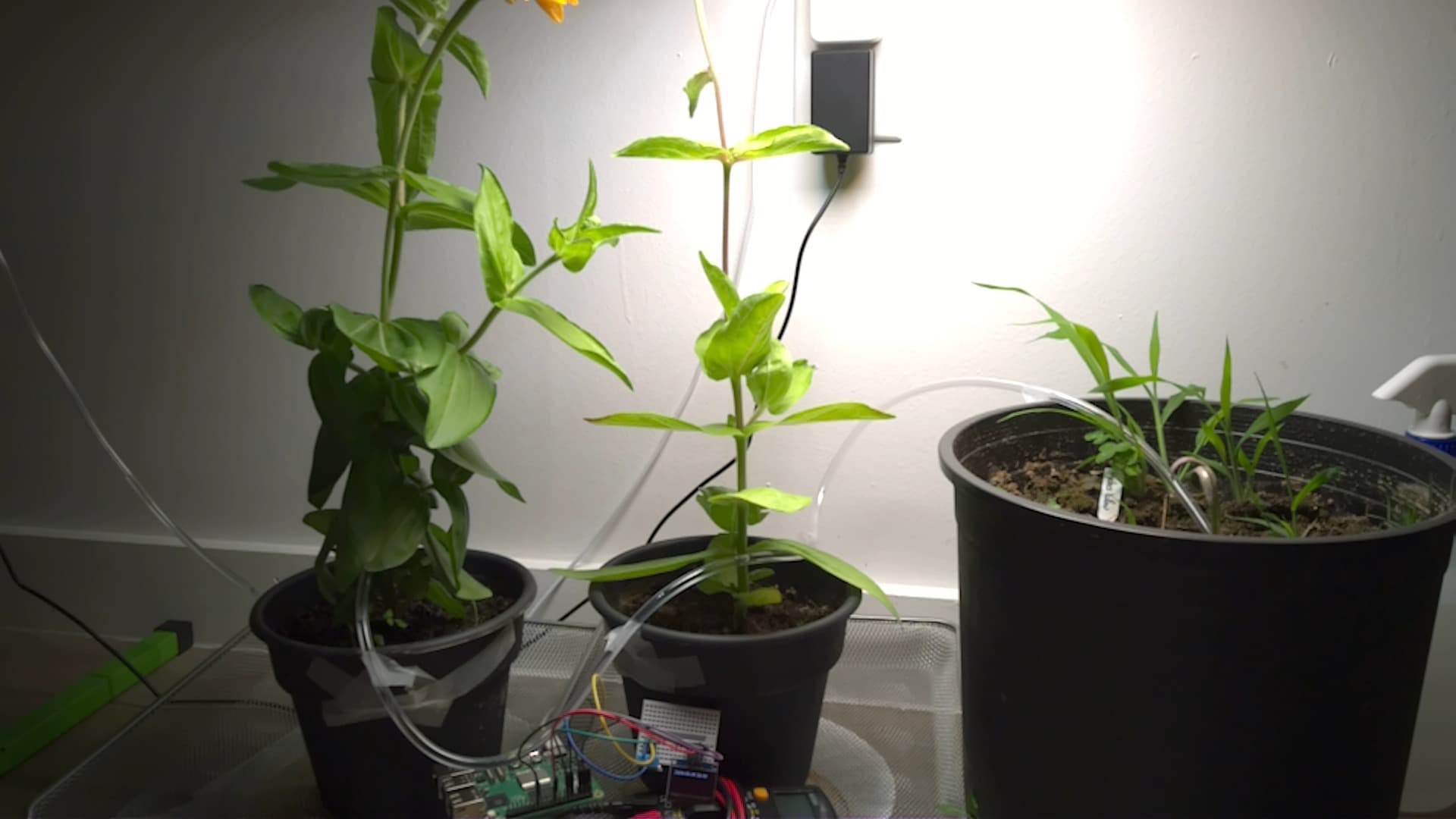
May 24 · 3:30 PM · afternoon
watered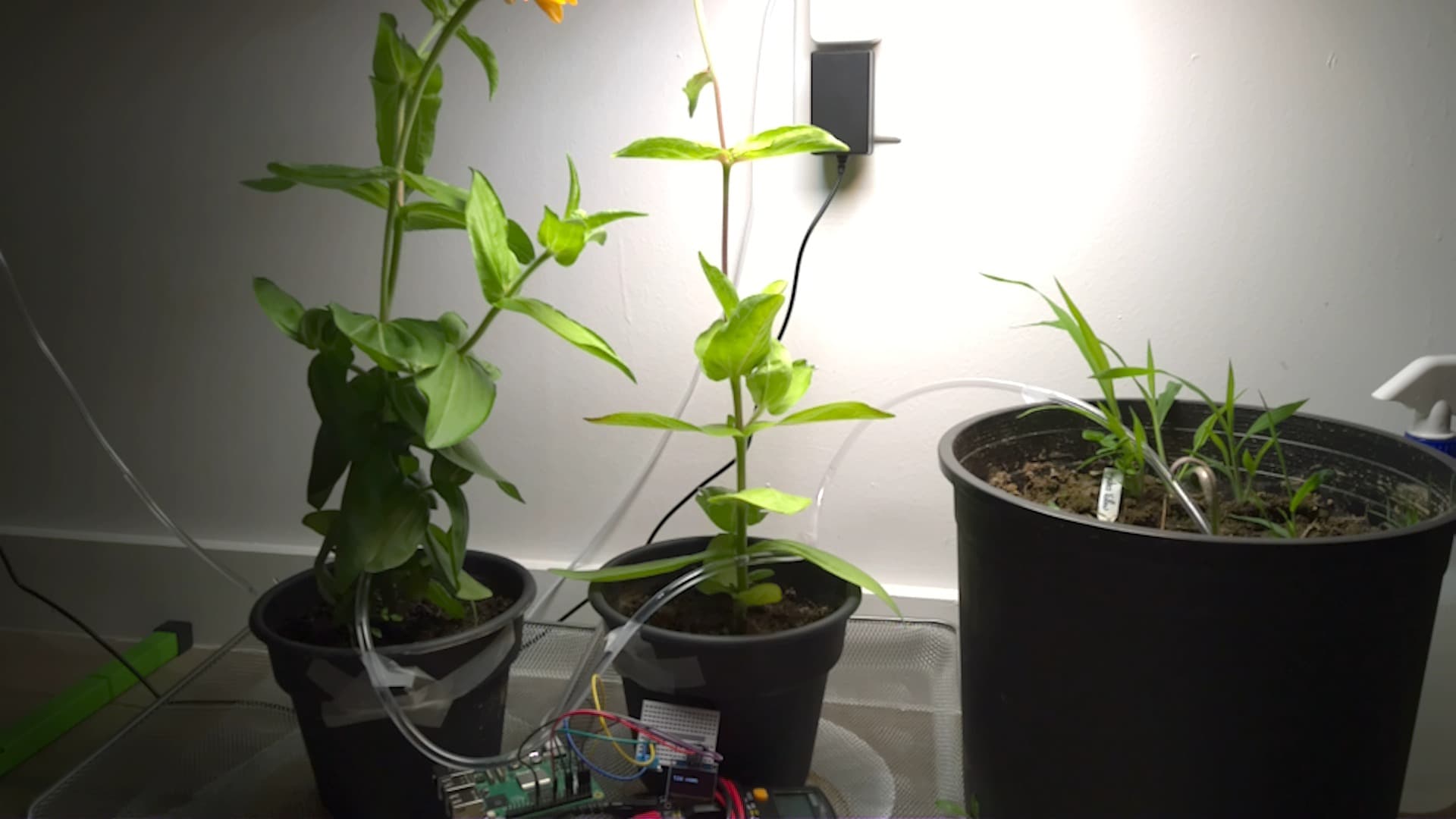
May 24 · 7:30 AM · morning
watered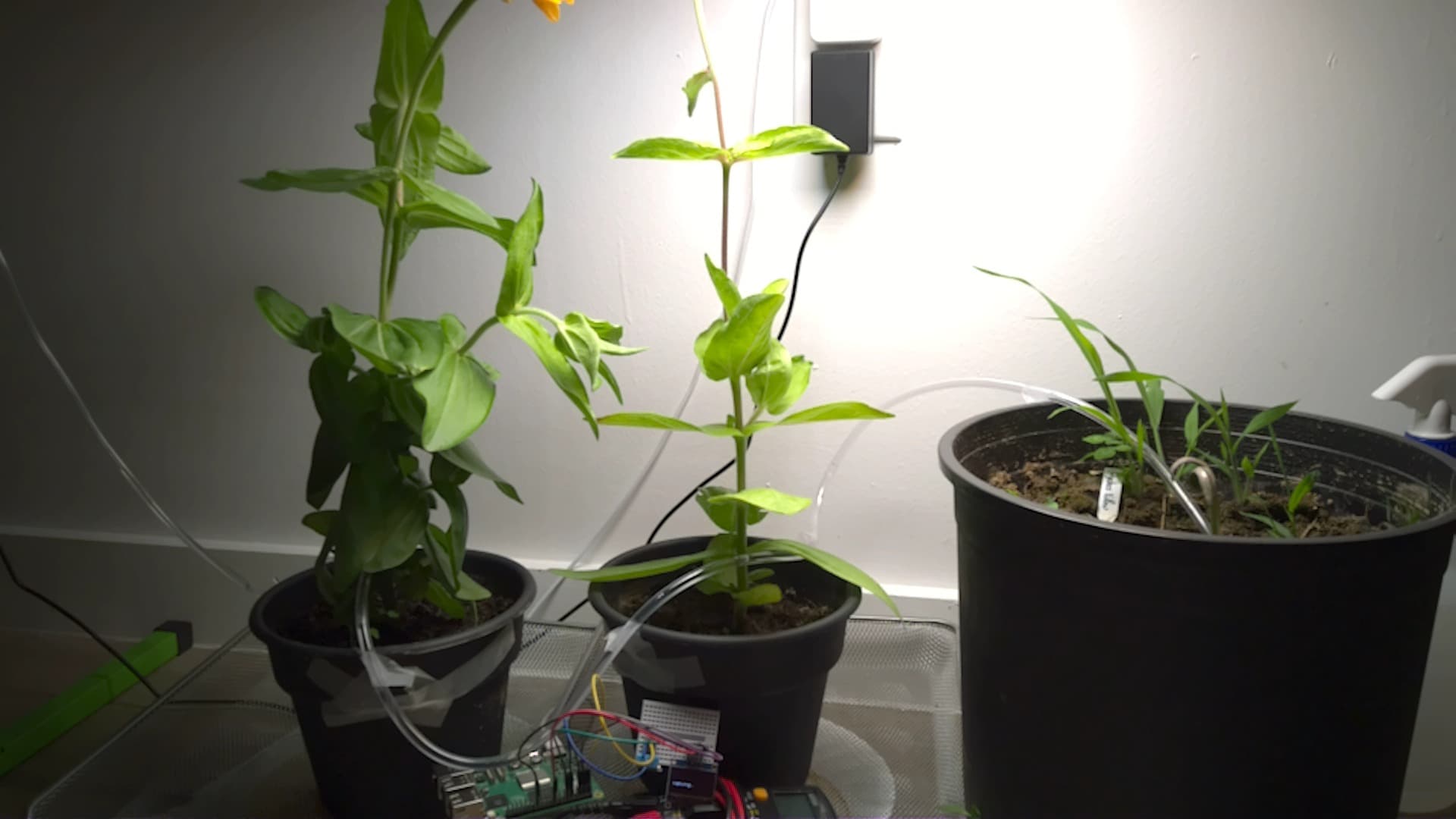
May 23 · 7:30 PM · evening
watered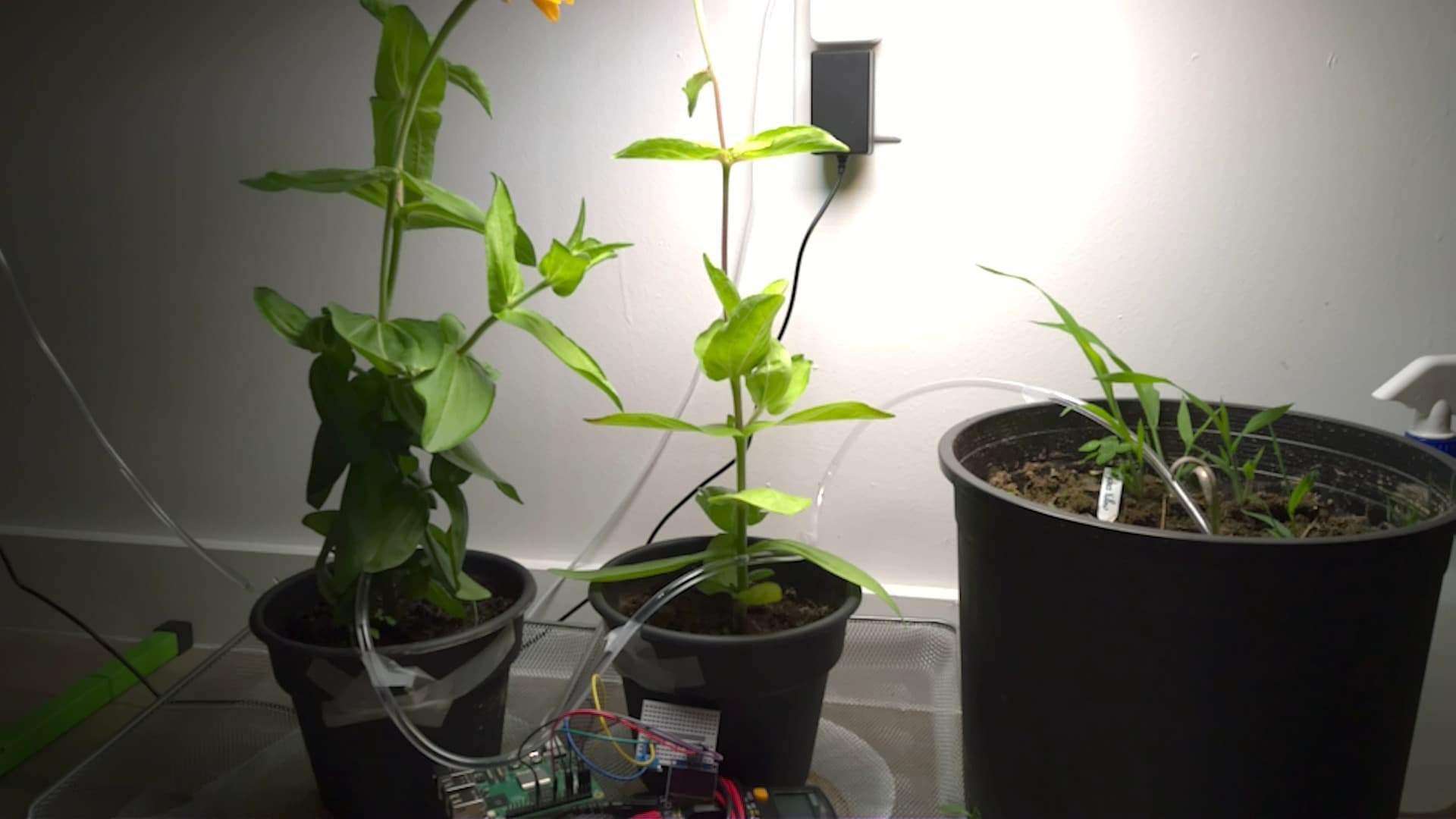
May 23 · 3:30 PM · afternoon
watered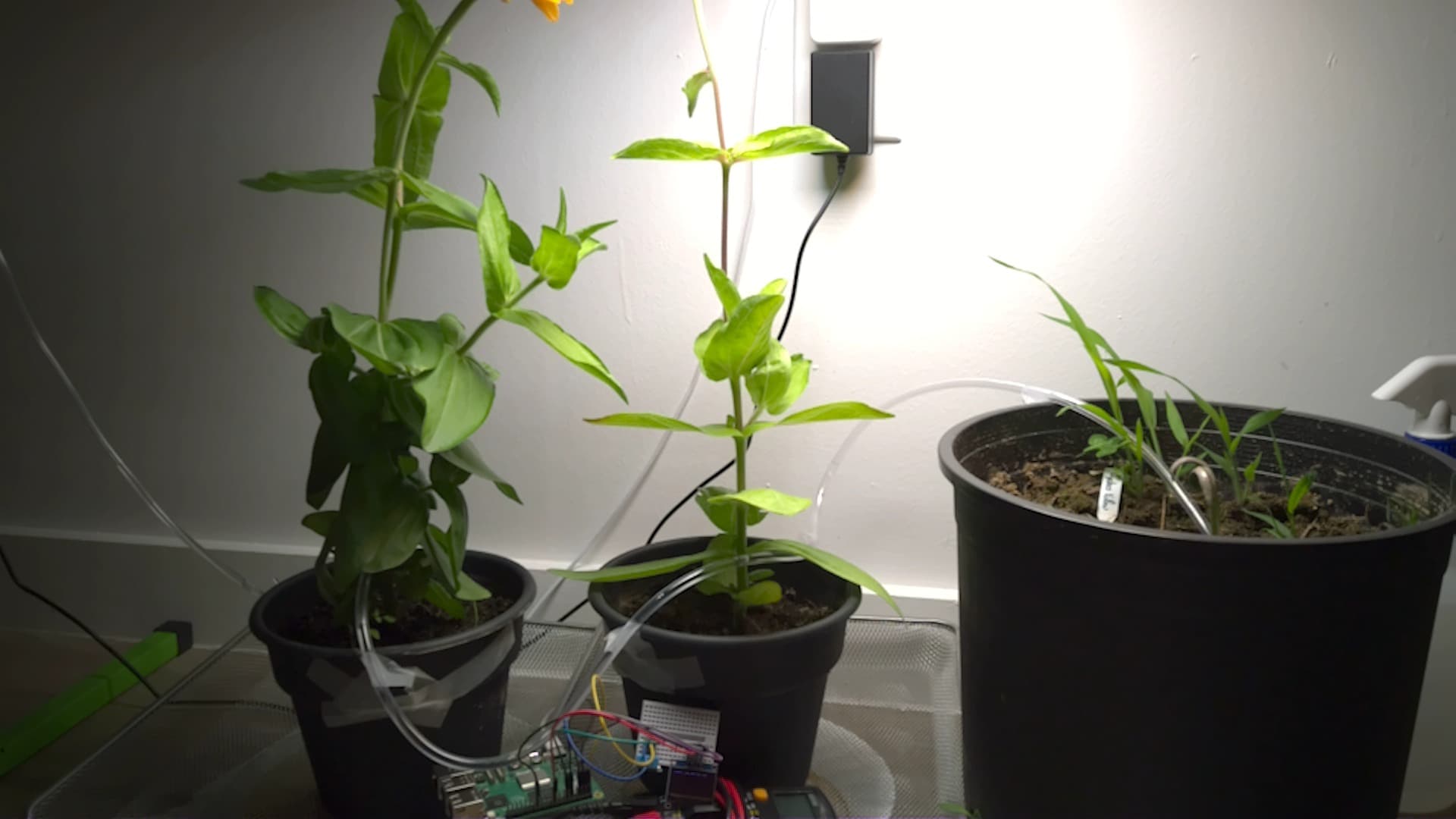
May 23 · 11:30 AM · midday
watered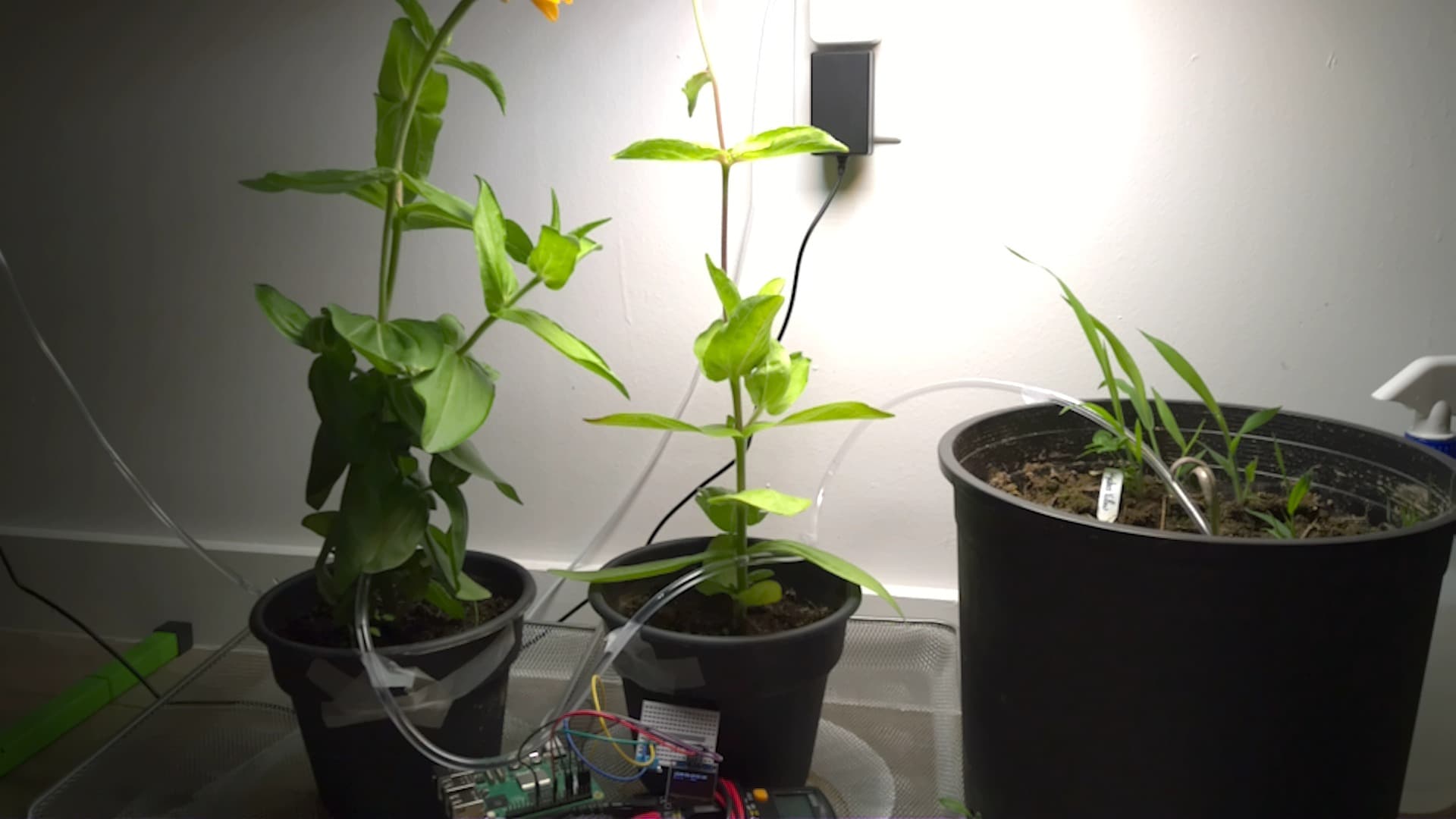
May 23 · 7:30 AM · morning
watered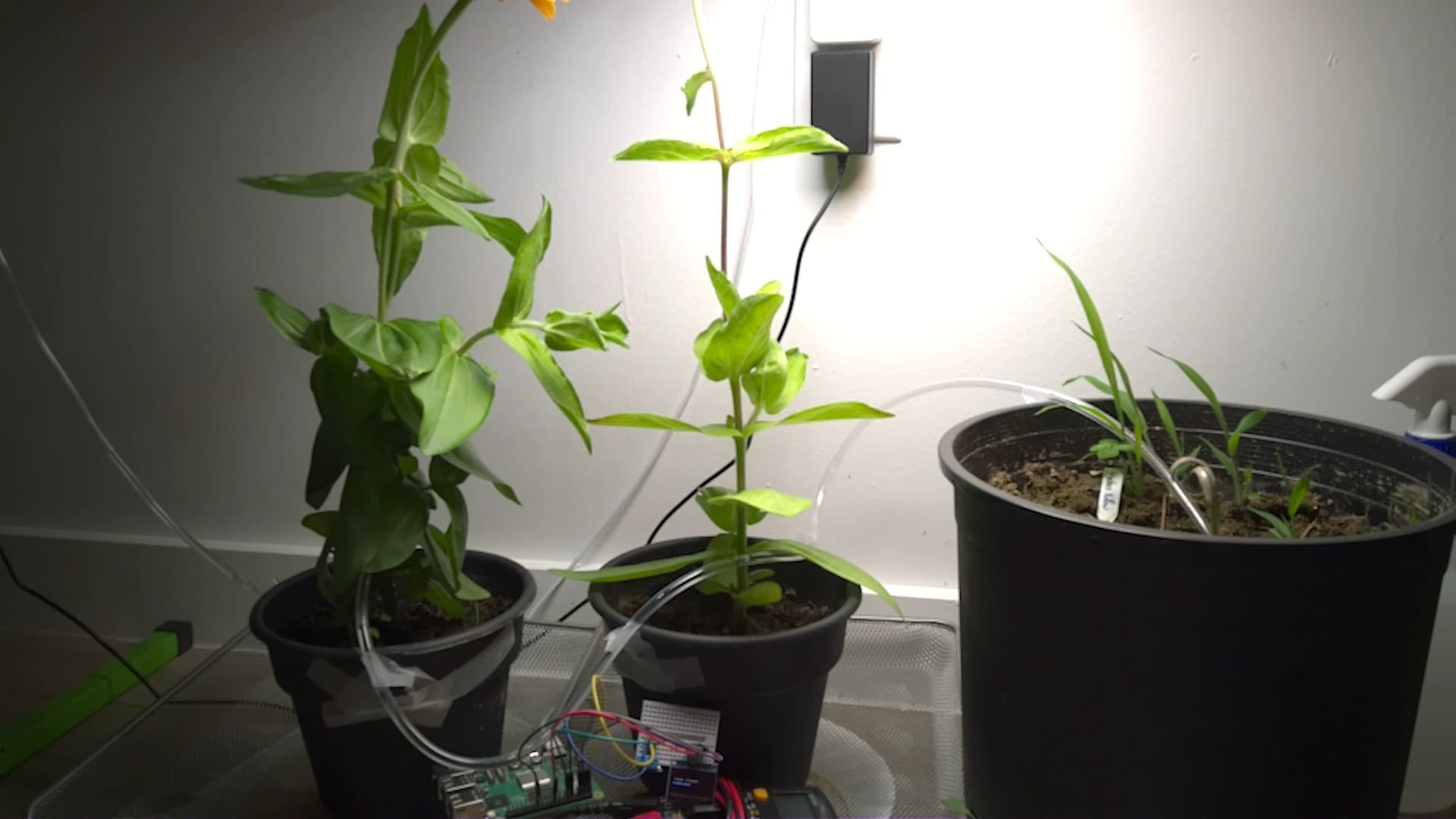
May 22 · 7:30 PM · evening
watered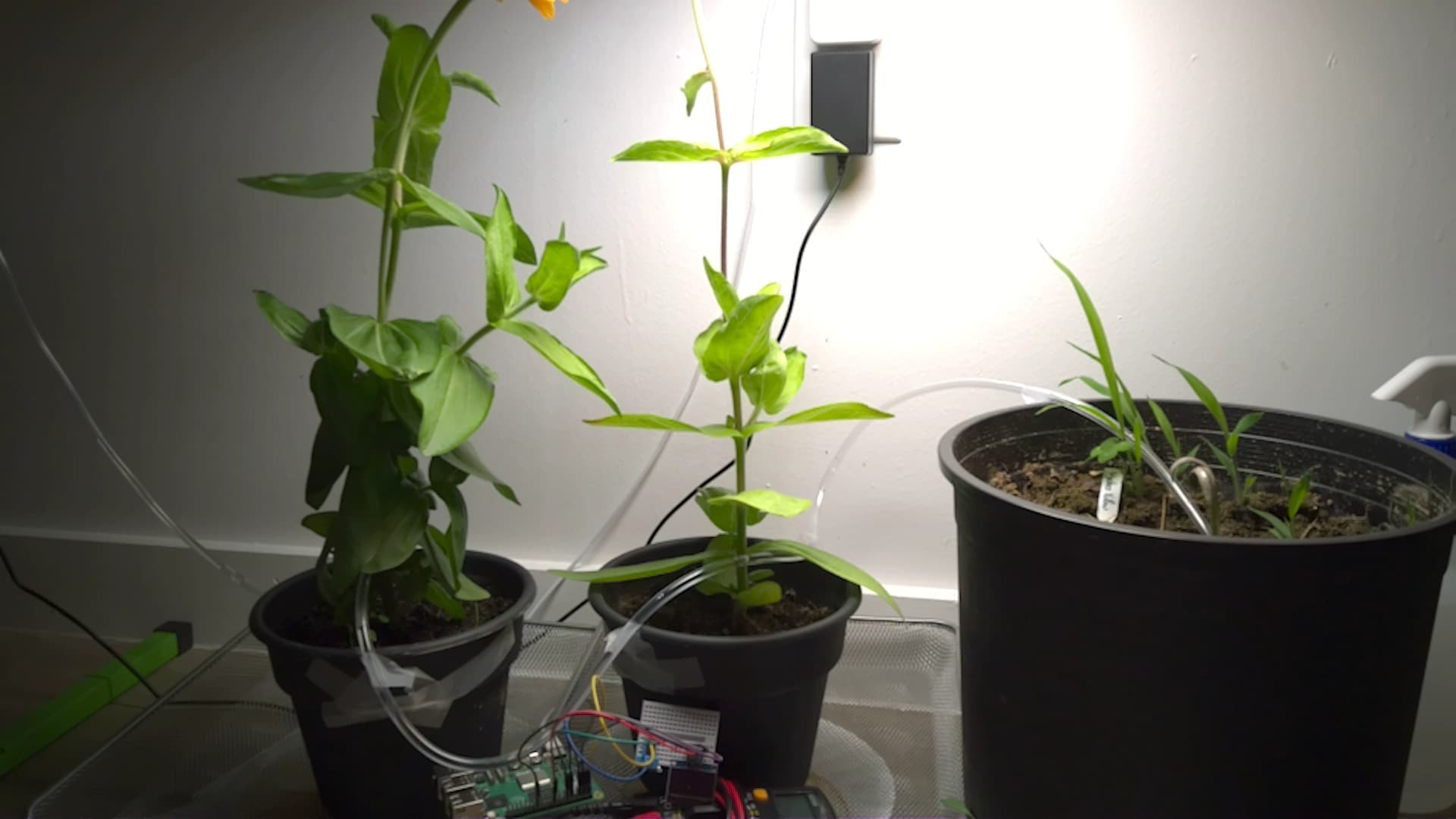
May 22 · 3:30 PM · afternoon
watered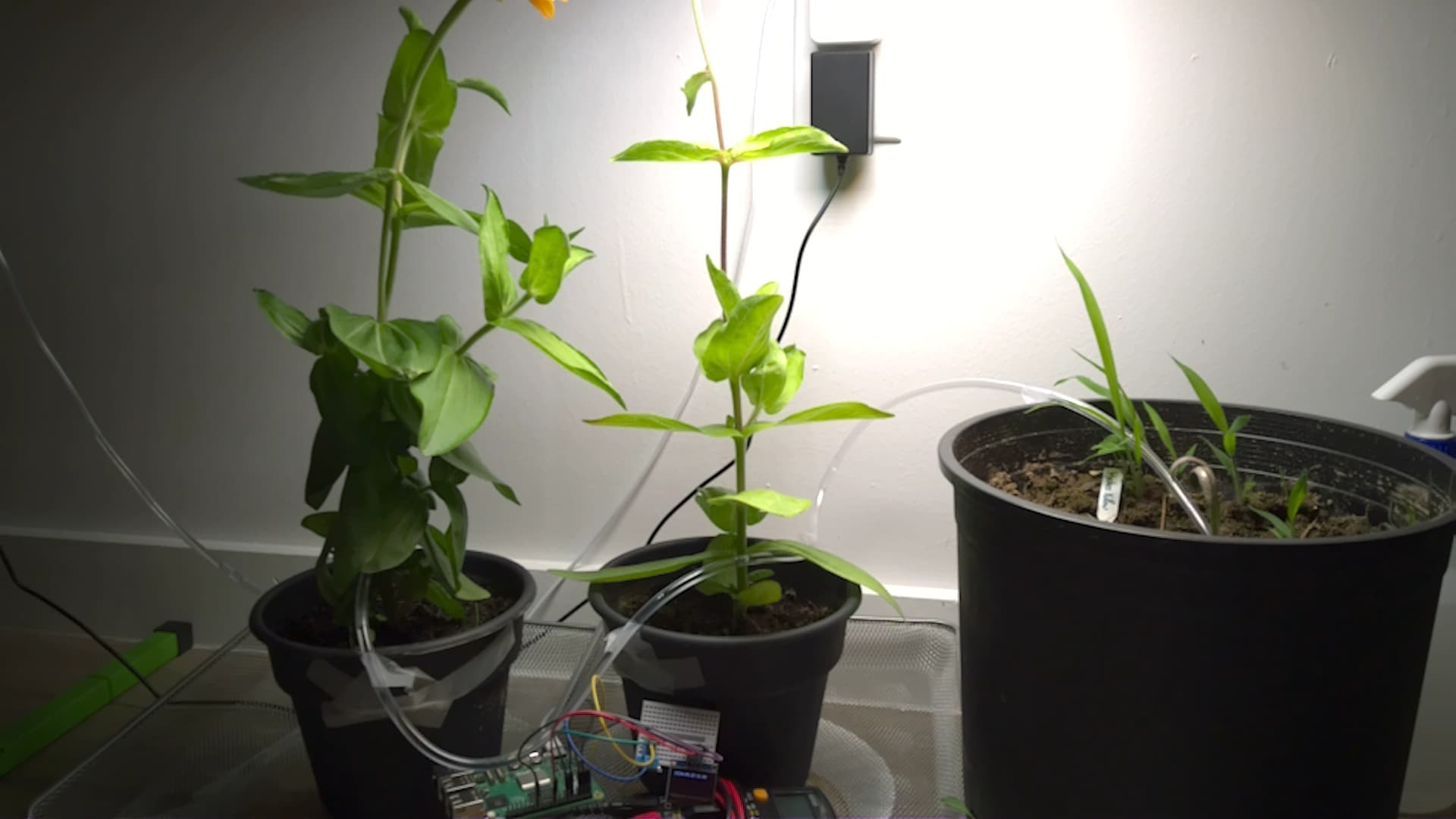
May 22 · 11:30 AM · midday
watered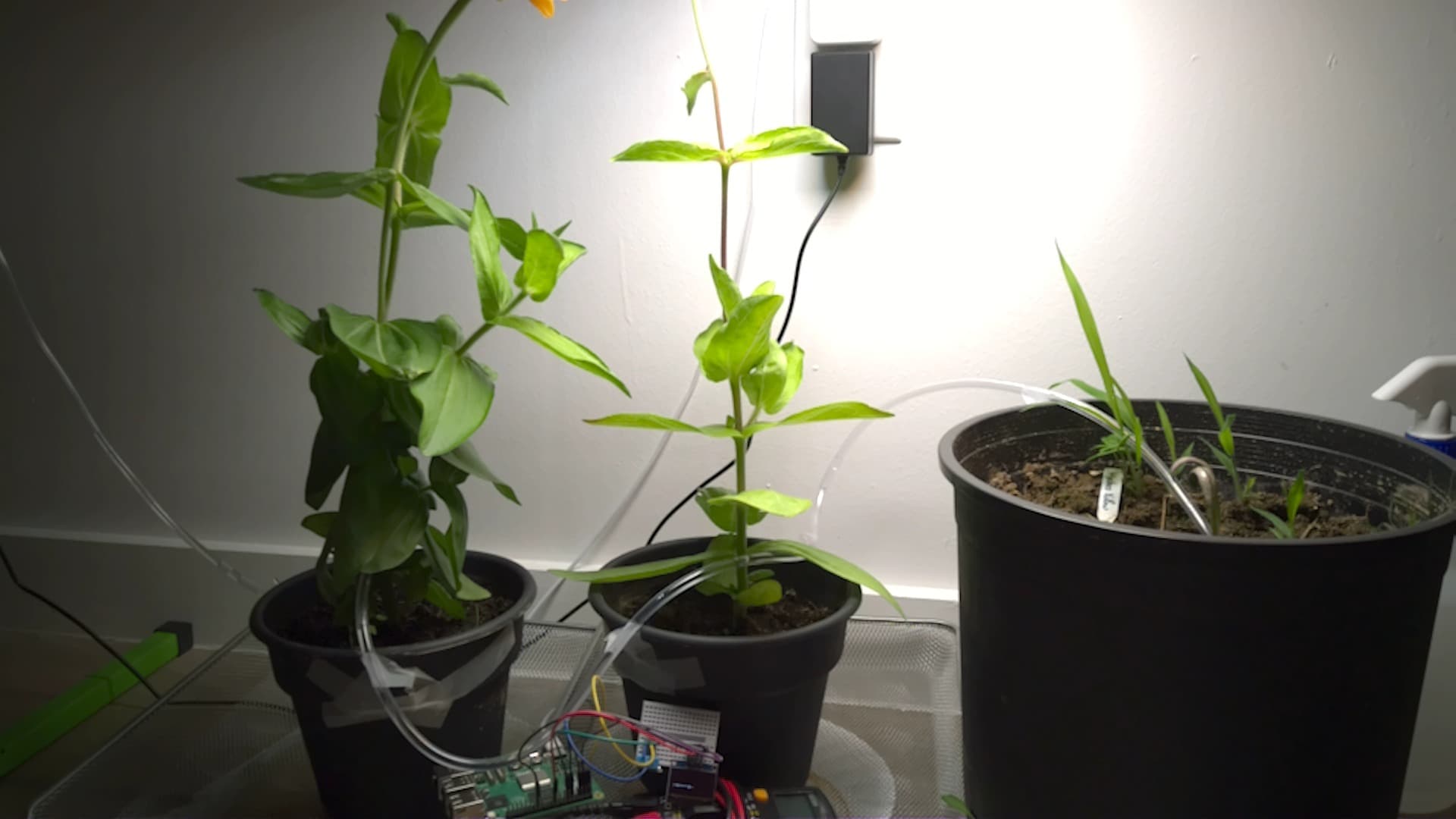
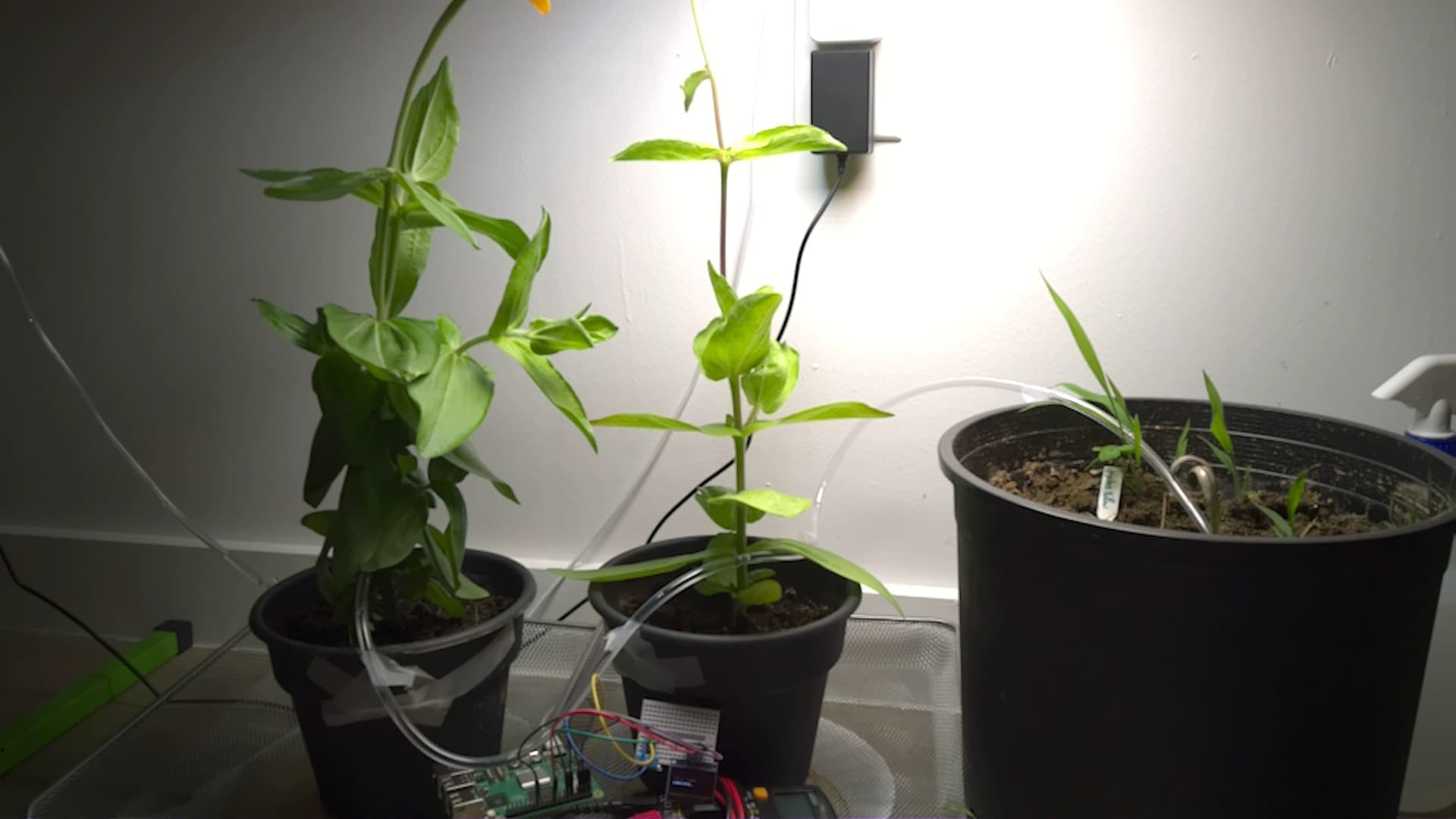
May 22 · 7:30 AM · morning
May 21 · 7:30 PM · evening
watered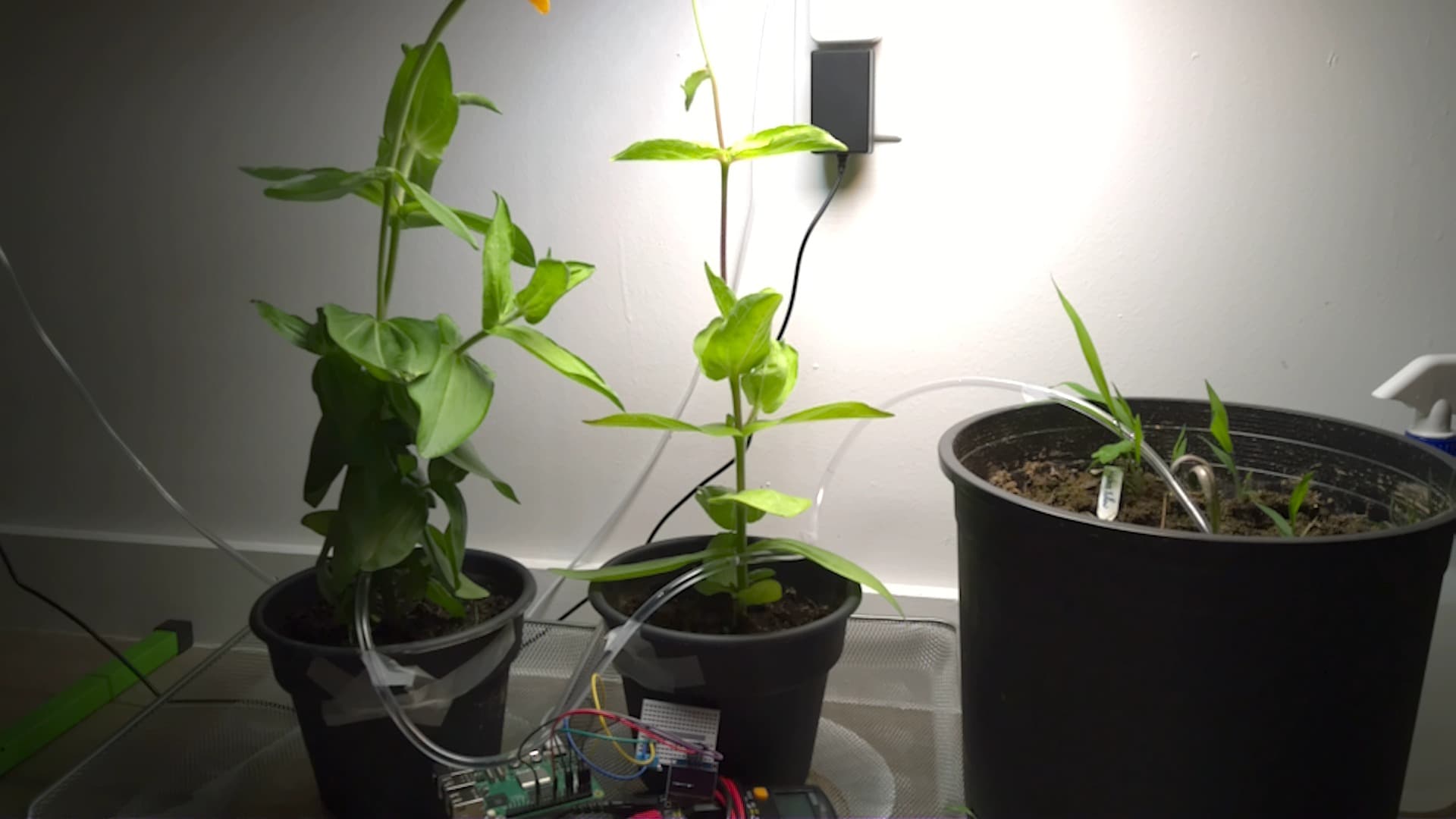
May 21 · 3:30 PM · afternoon
watered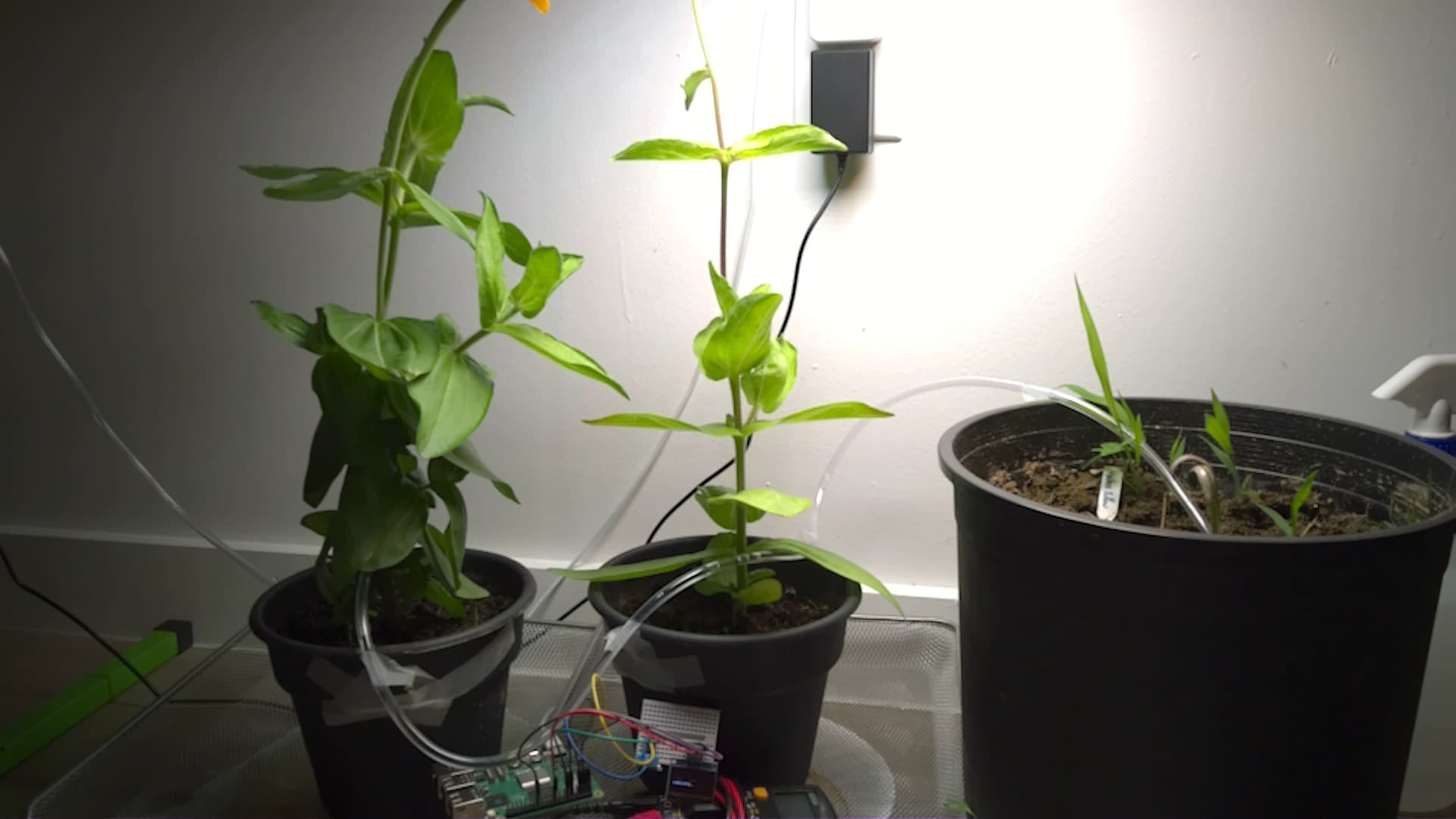
May 21 · 11:30 AM · midday
watered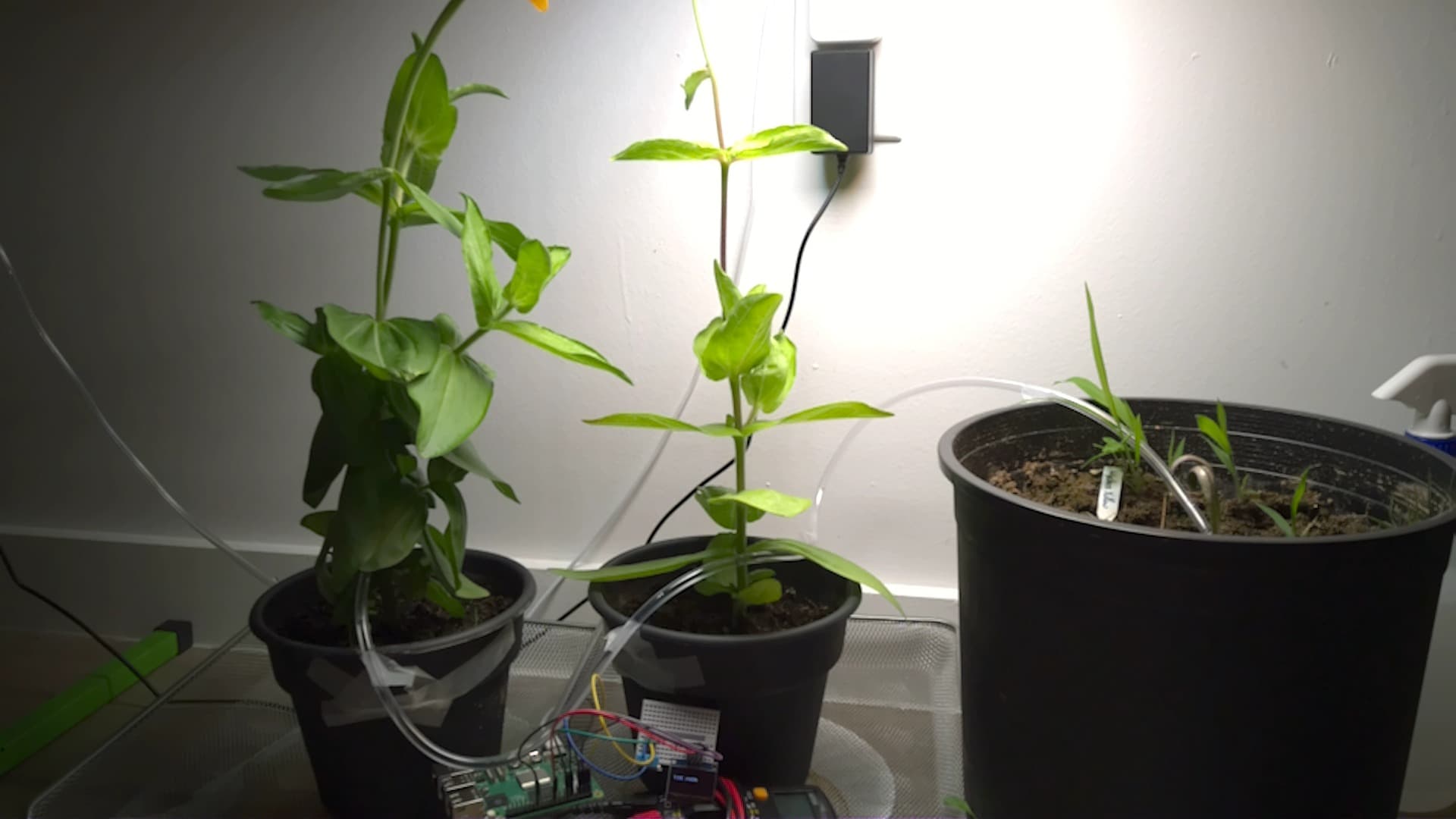
May 21 · 7:30 AM · morning
watered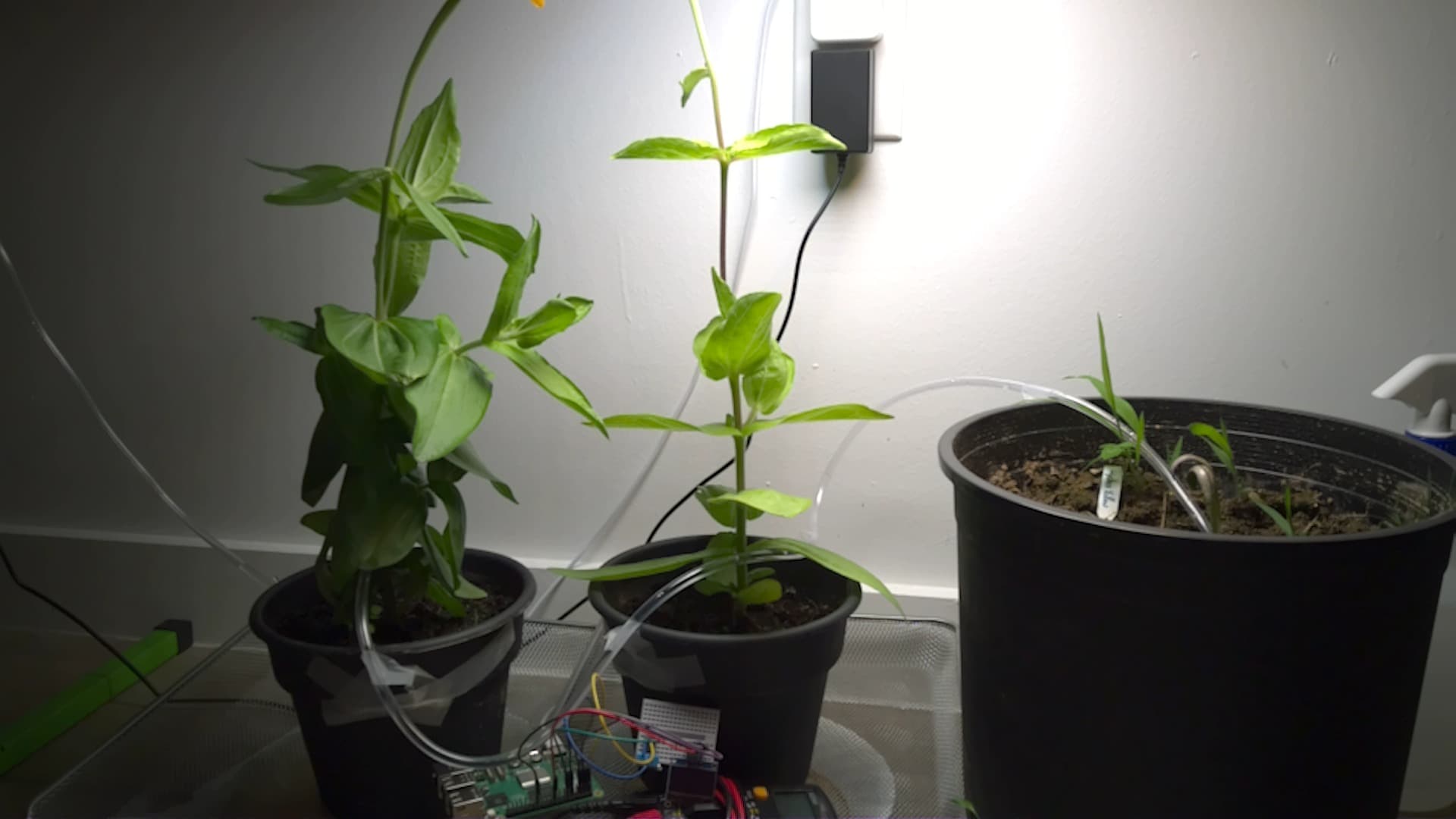
May 20 · 7:30 PM · evening
watered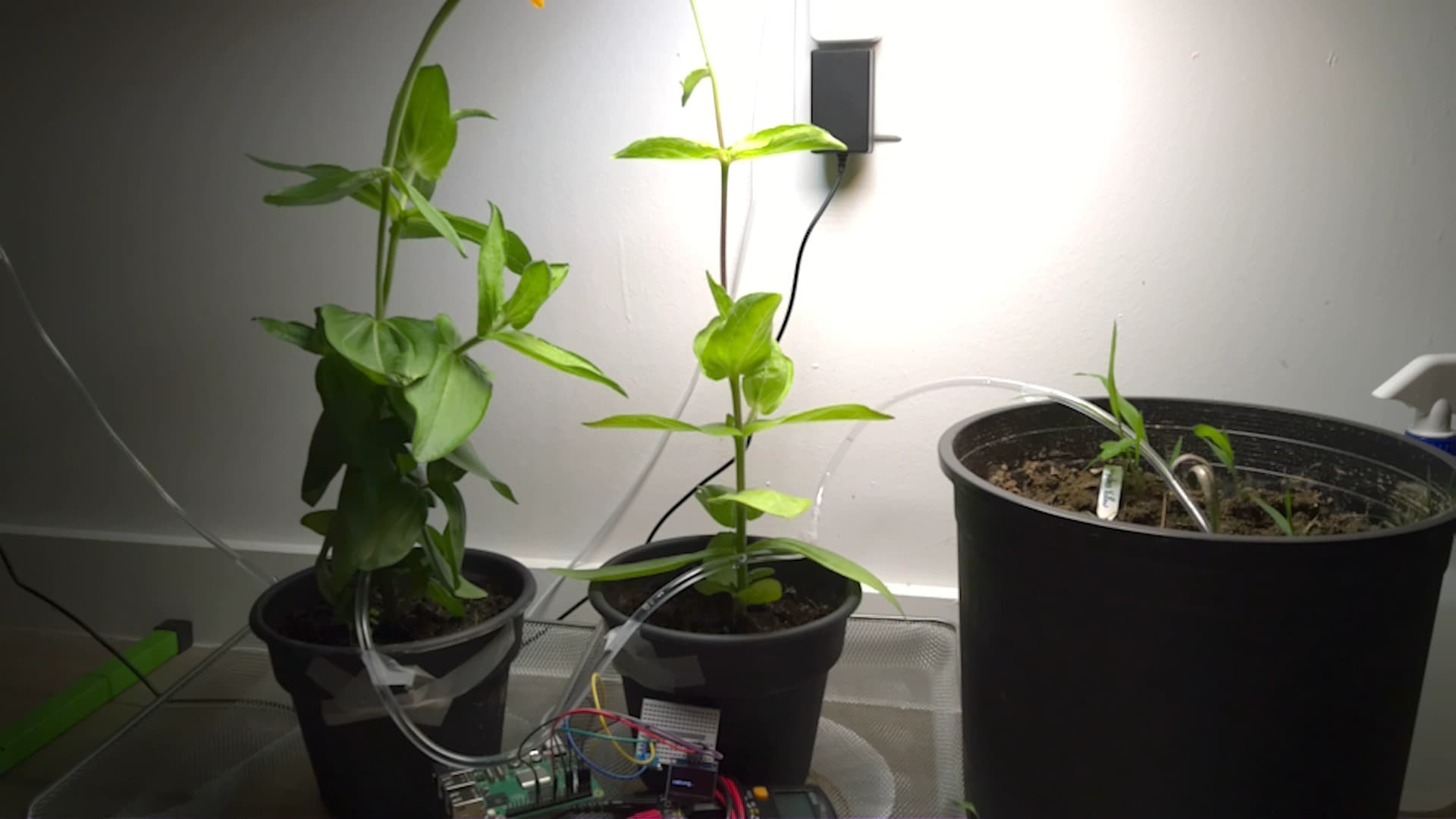
May 20 · 3:30 PM · afternoon
watered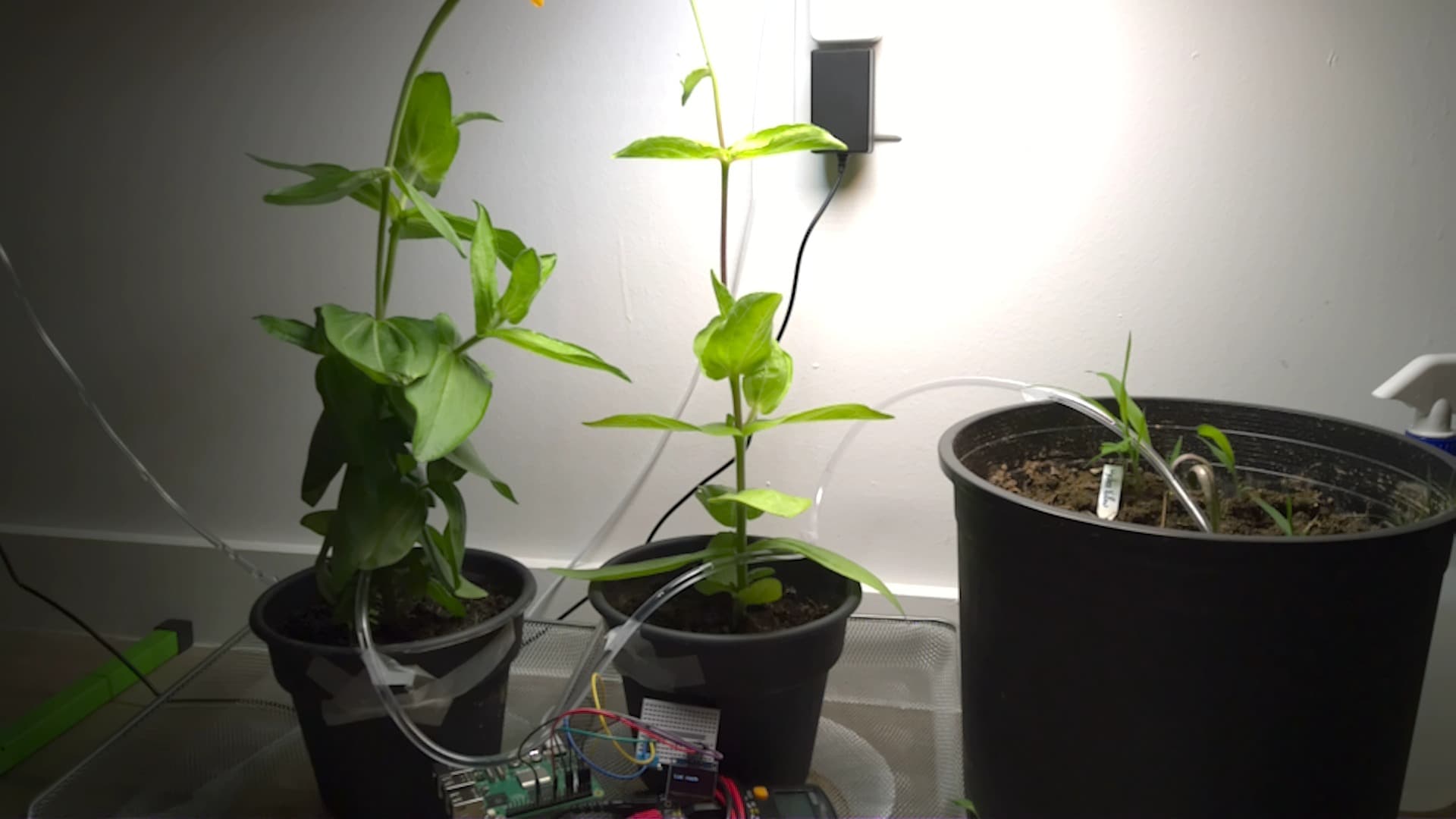
May 20 · 11:30 AM · midday
watered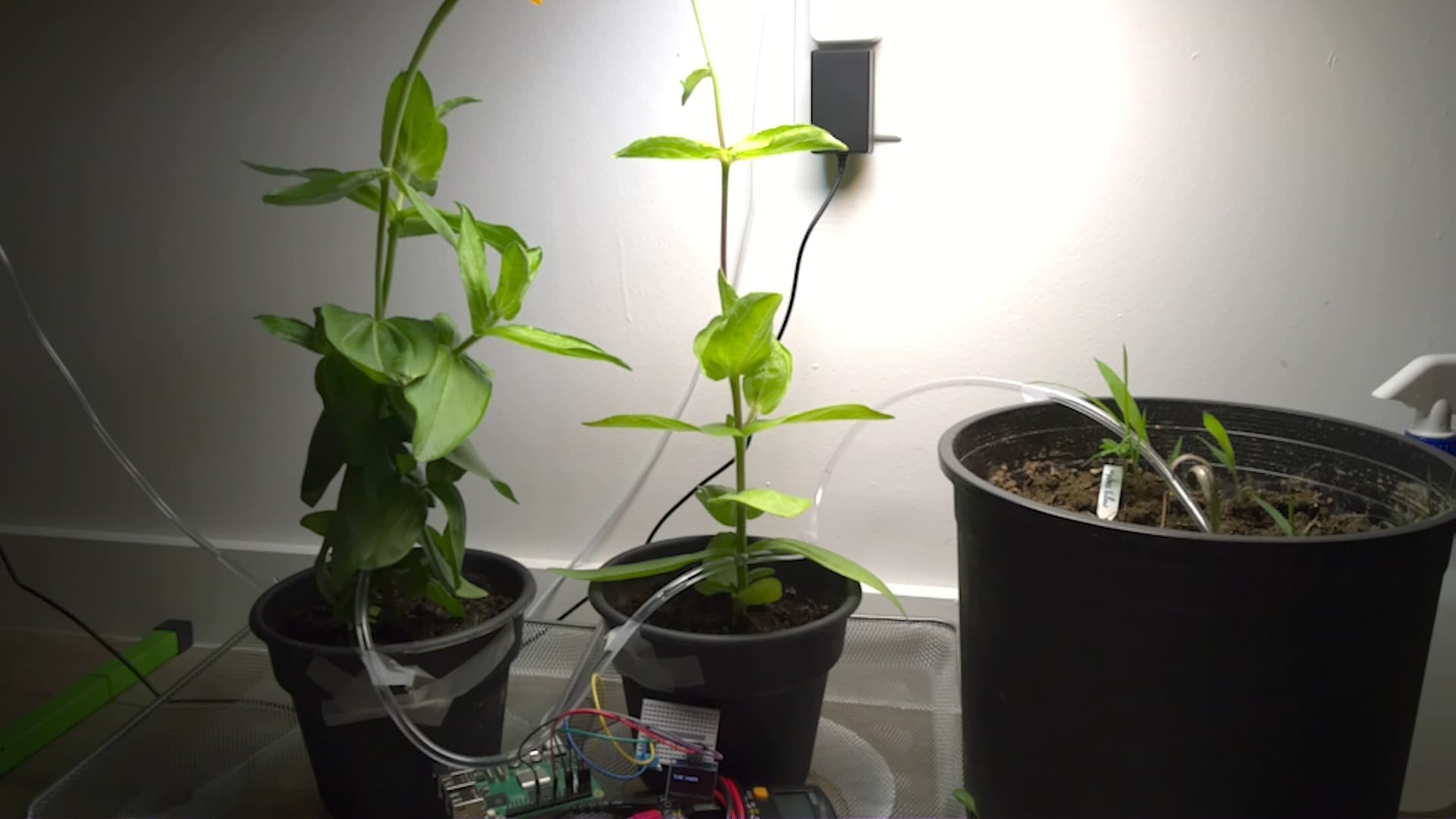
May 20 · 7:30 AM · morning
watered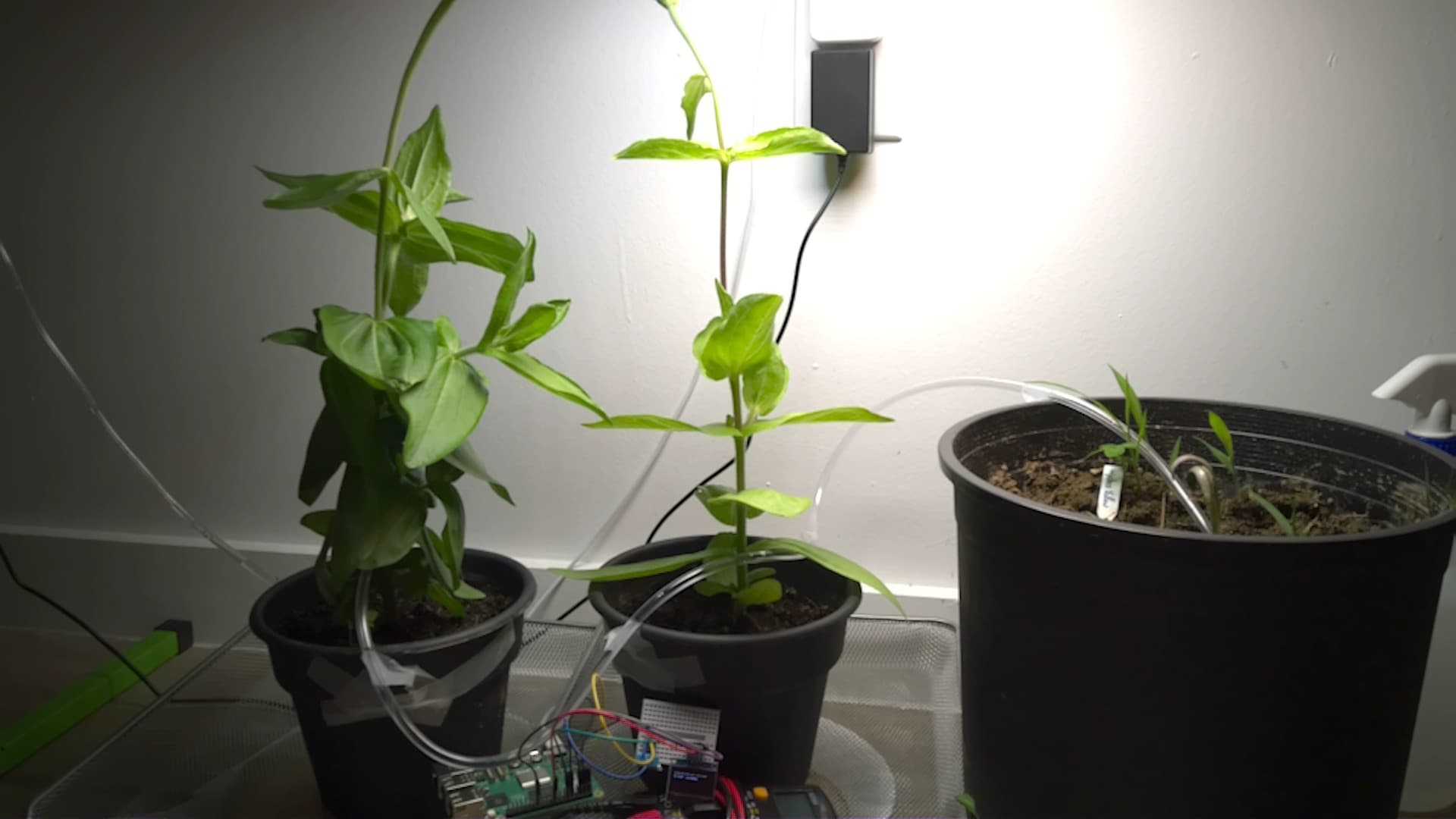
May 19 · 7:30 PM · evening
watered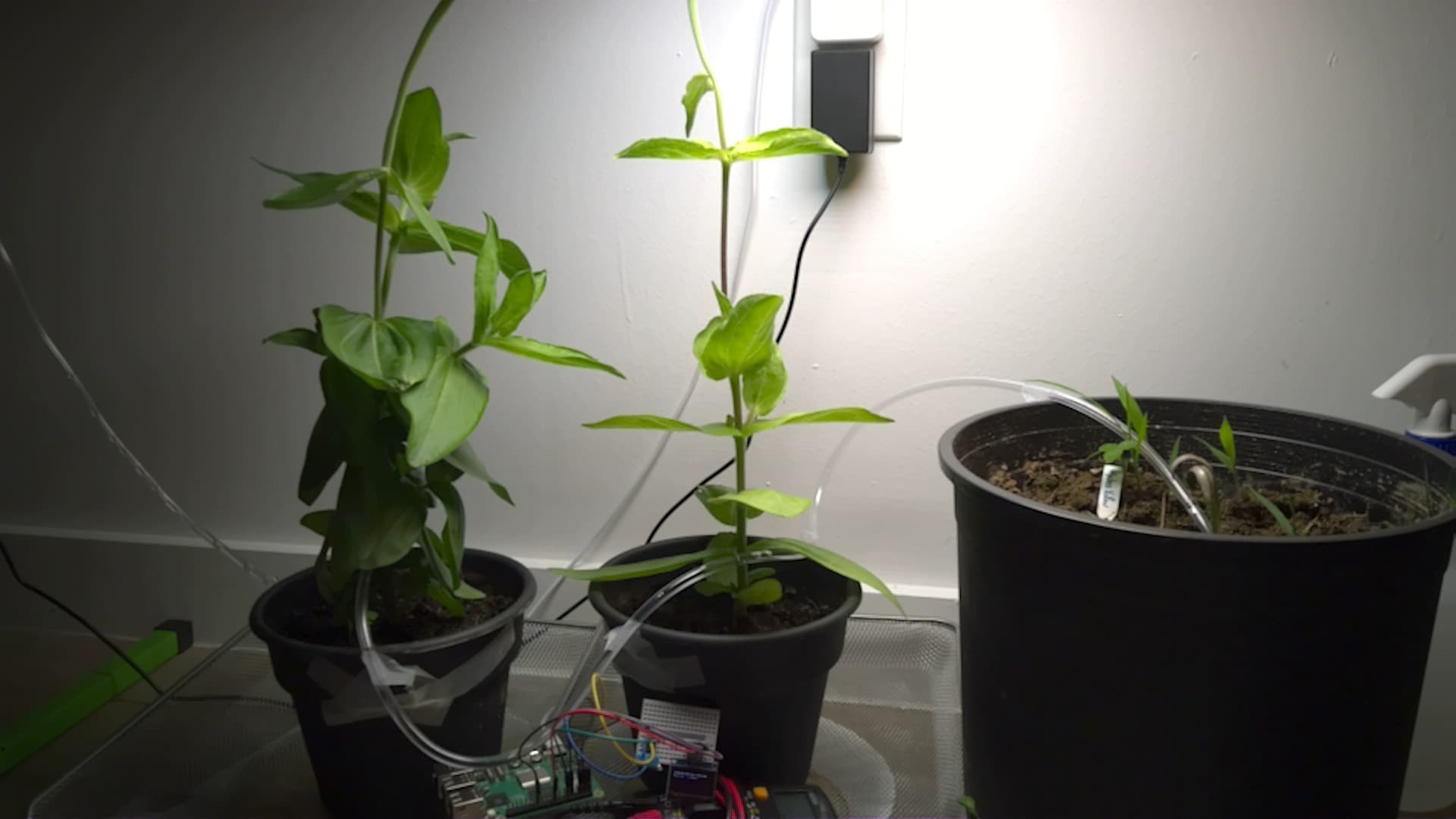
May 19 · 3:30 PM · afternoon
watered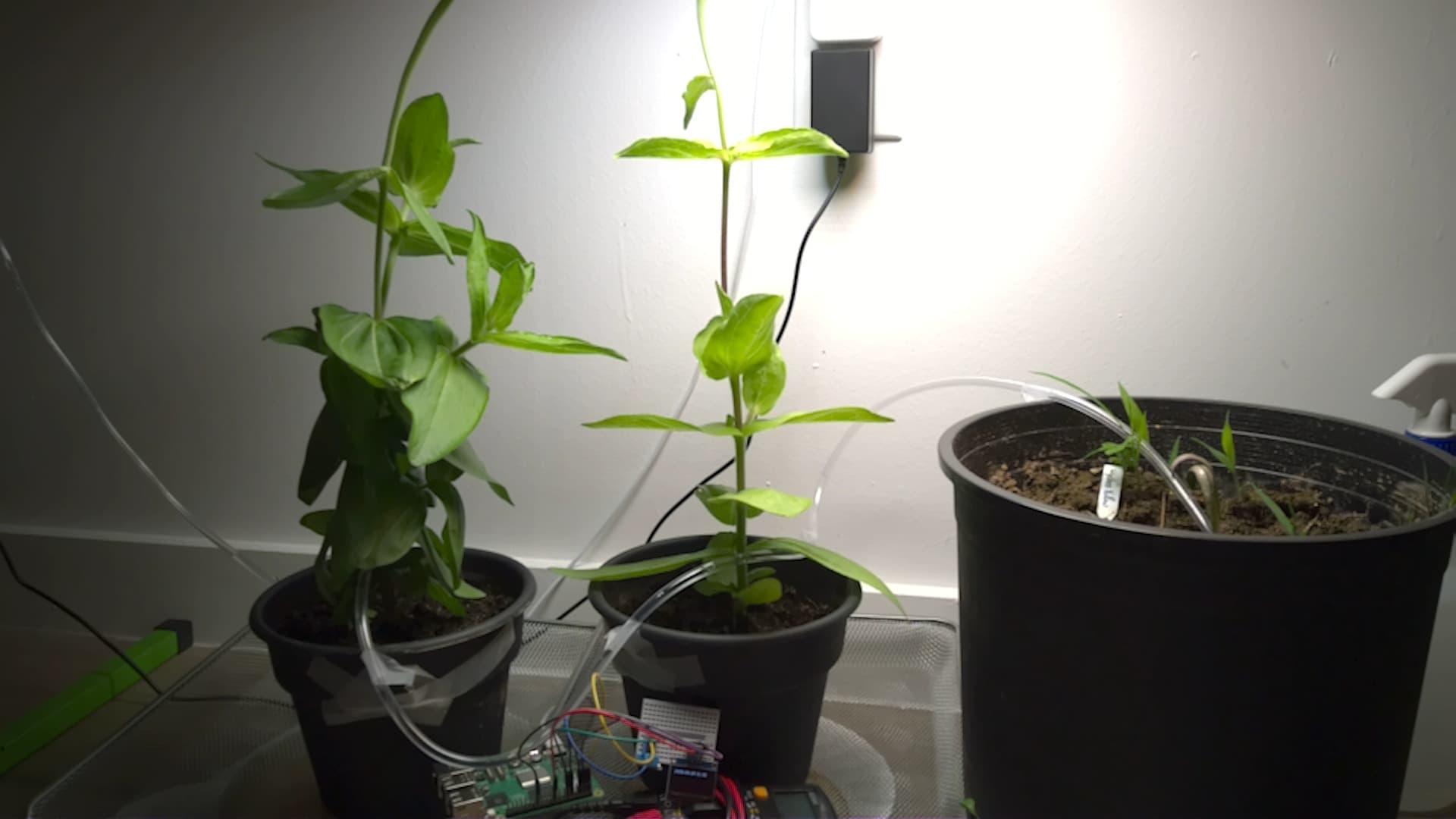
May 19 · 11:30 AM · midday
watered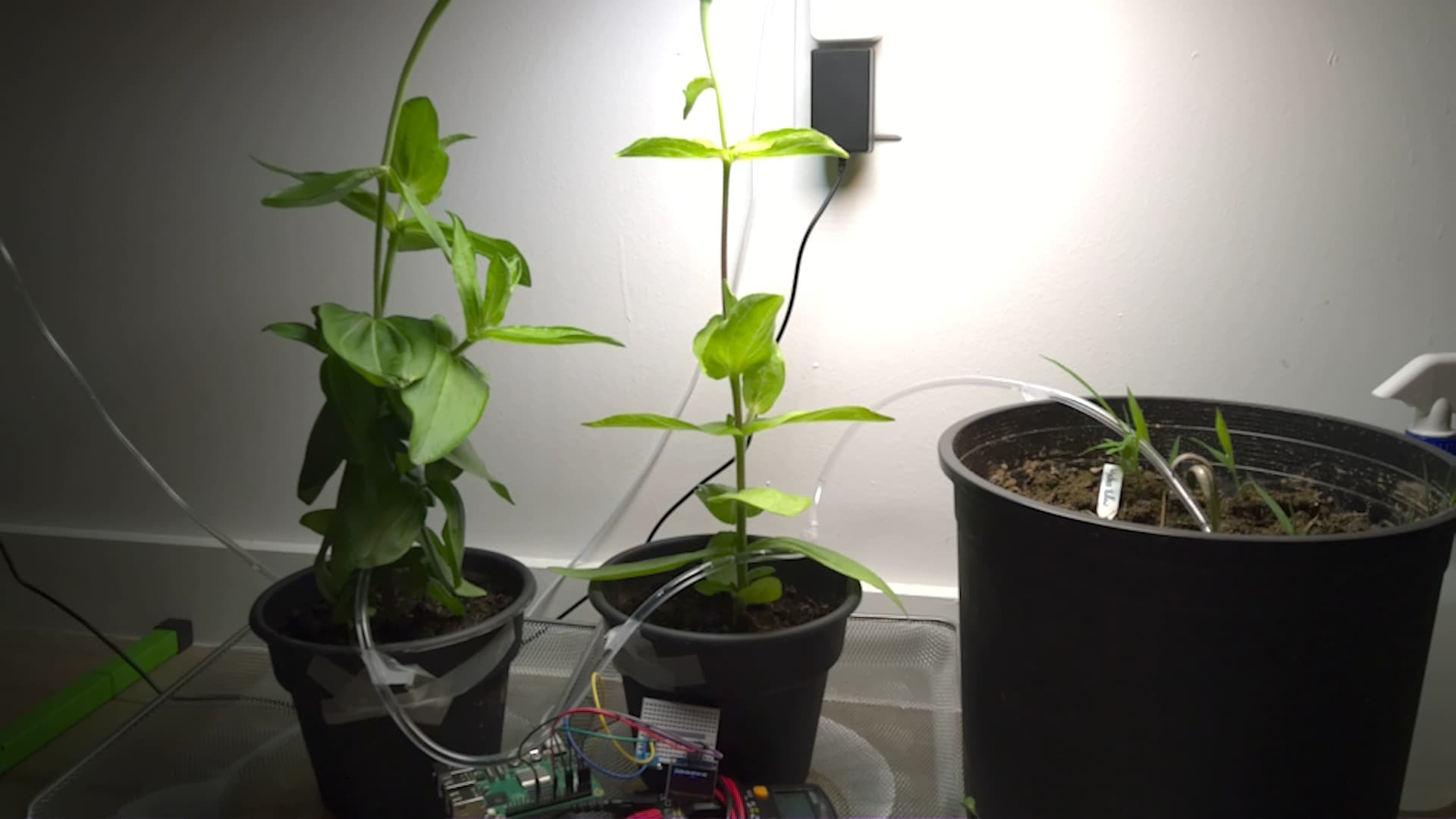
May 19 · 7:30 AM · morning
watered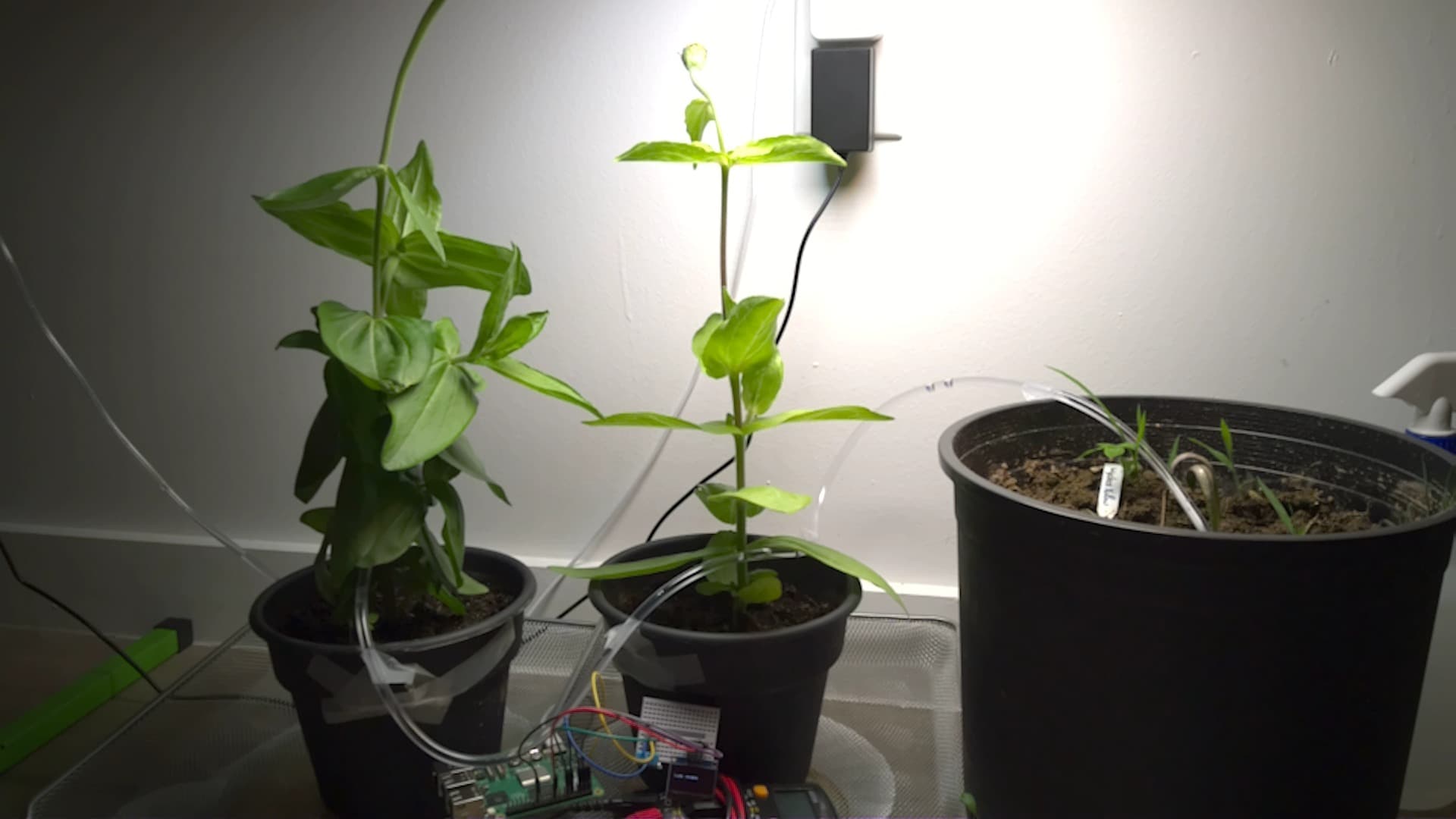
May 18 · 7:30 PM · evening
watered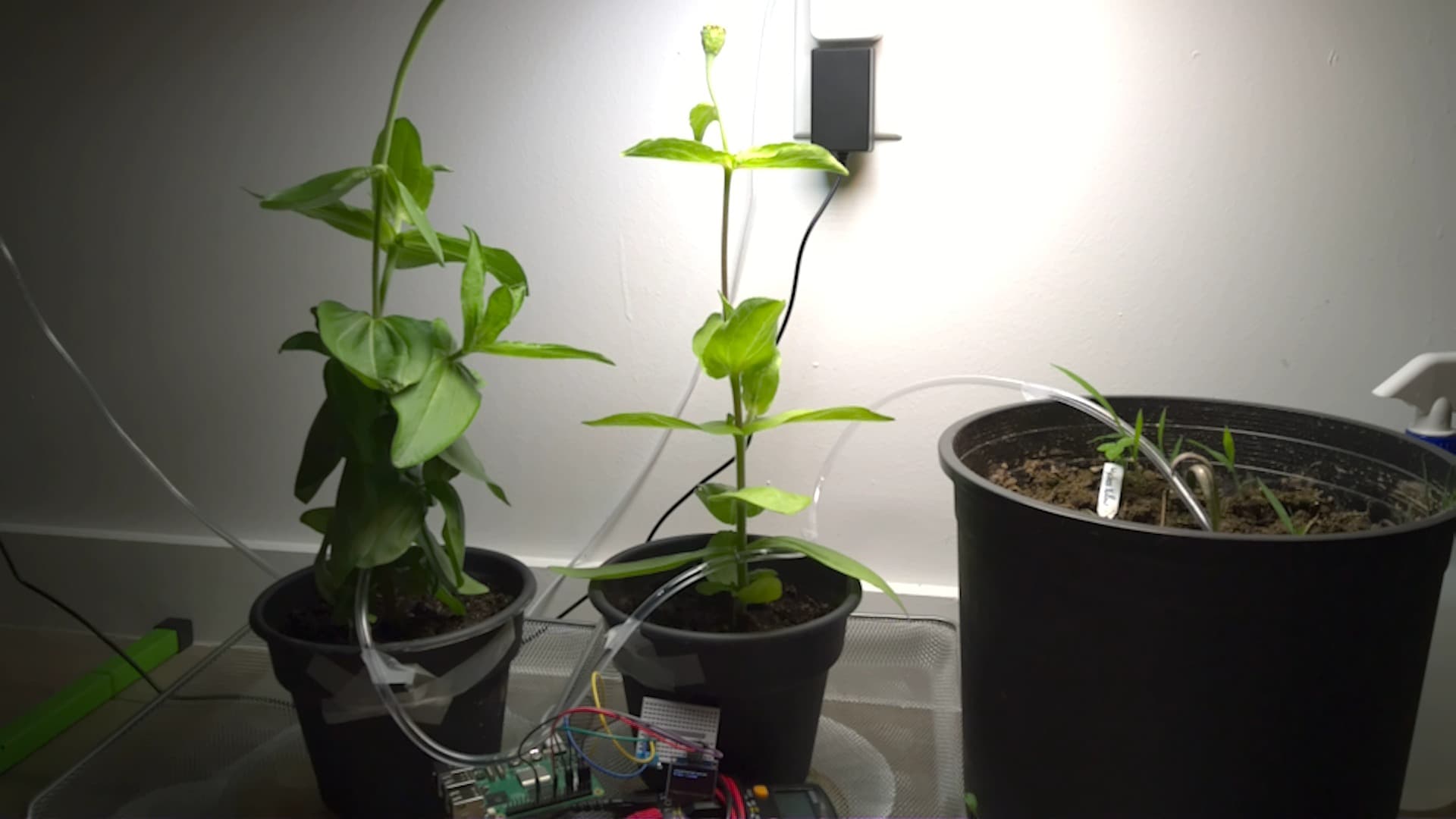
May 18 · 3:30 PM · afternoon
watered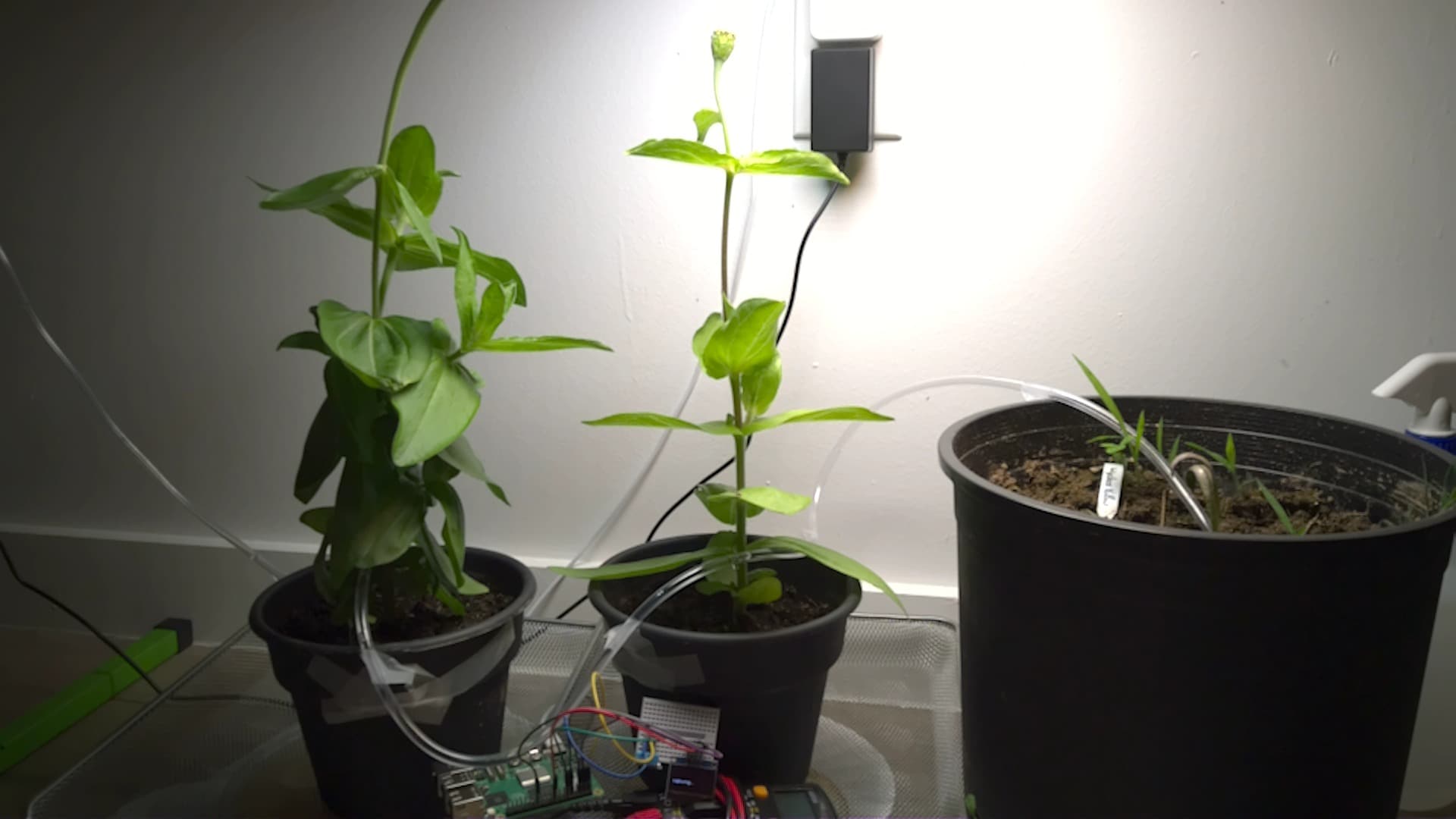
May 18 · 11:30 AM · midday
watered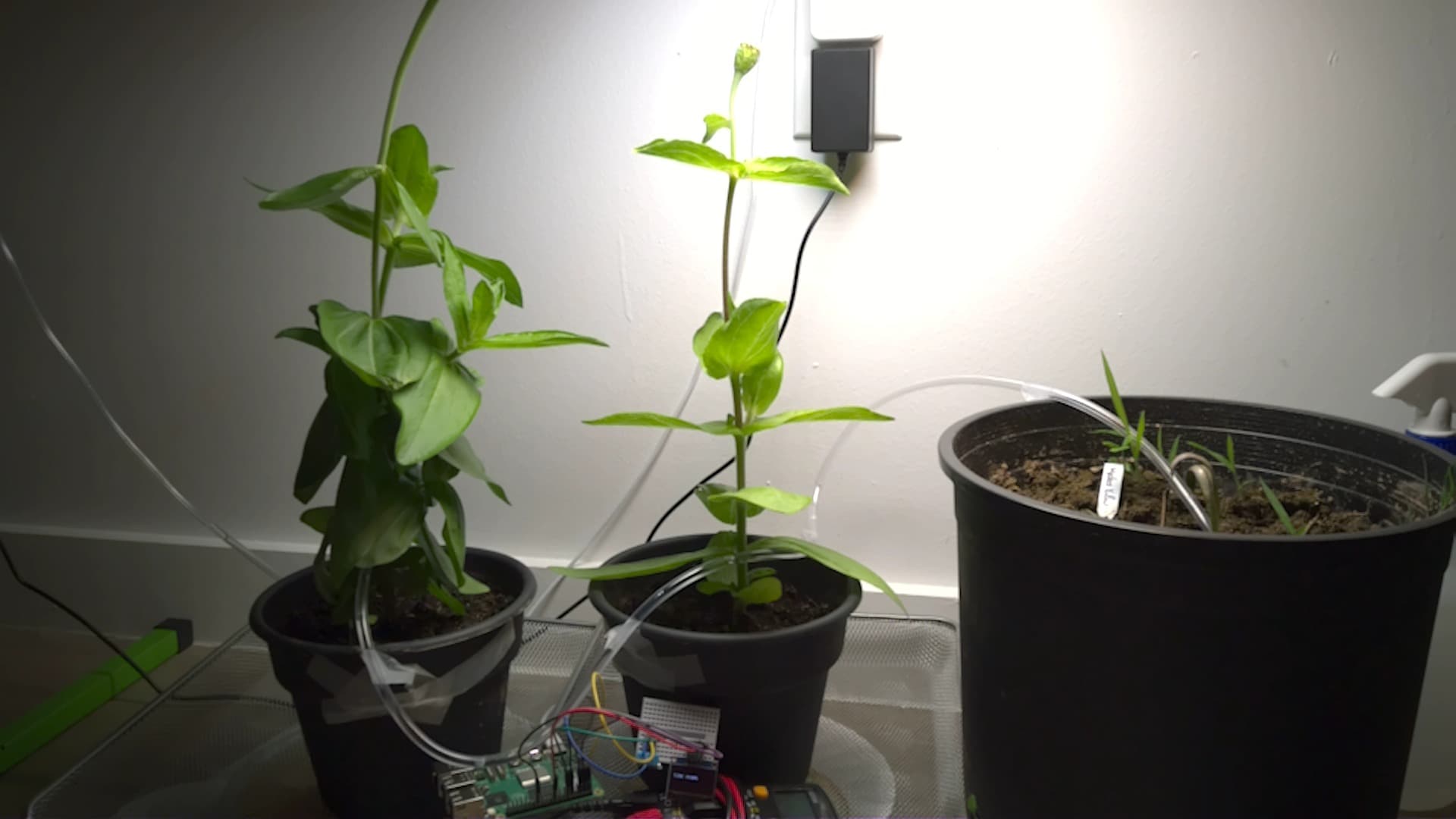
May 18 · 7:30 AM · morning
watered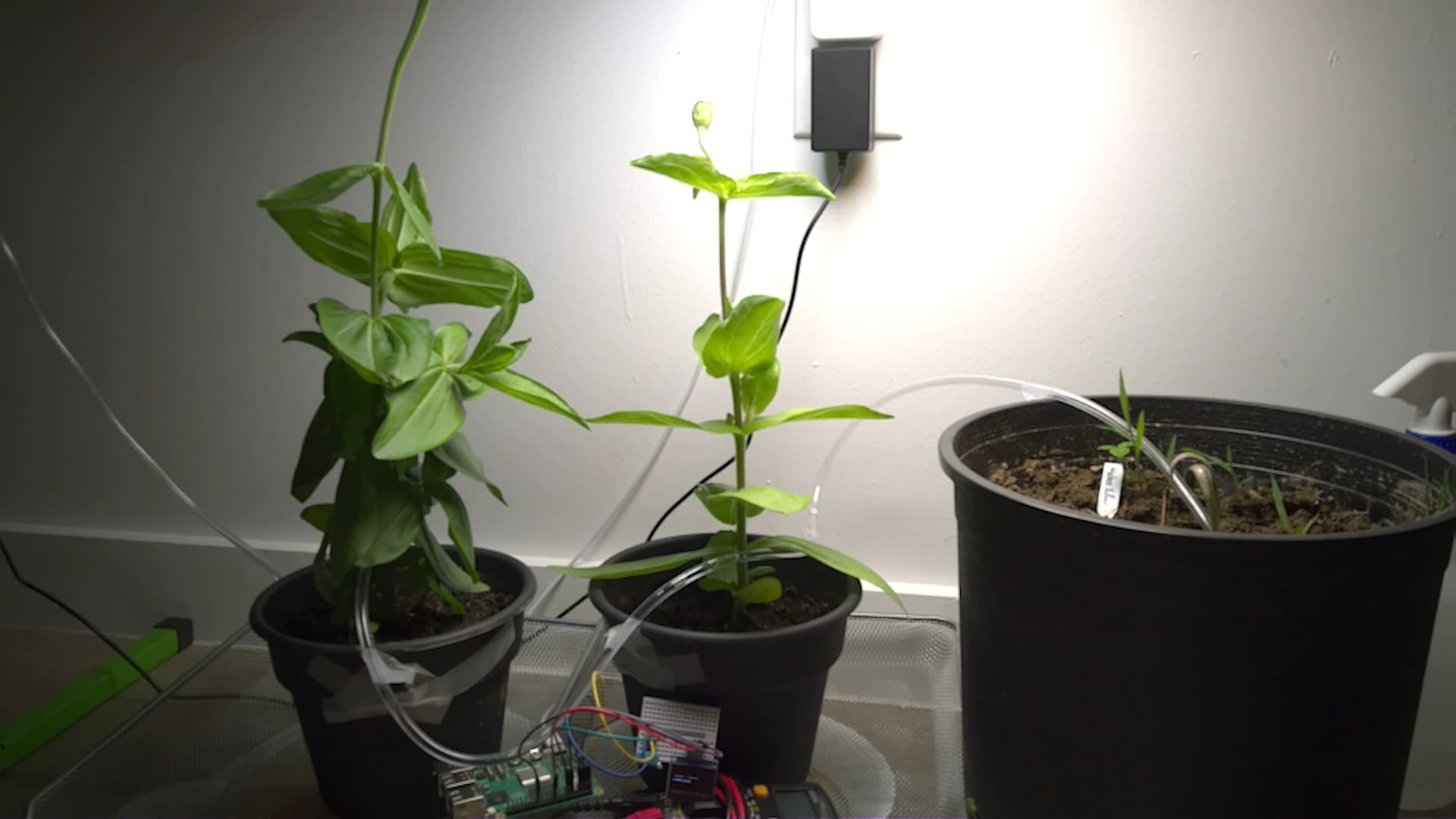
May 17 · 7:30 PM · evening
watered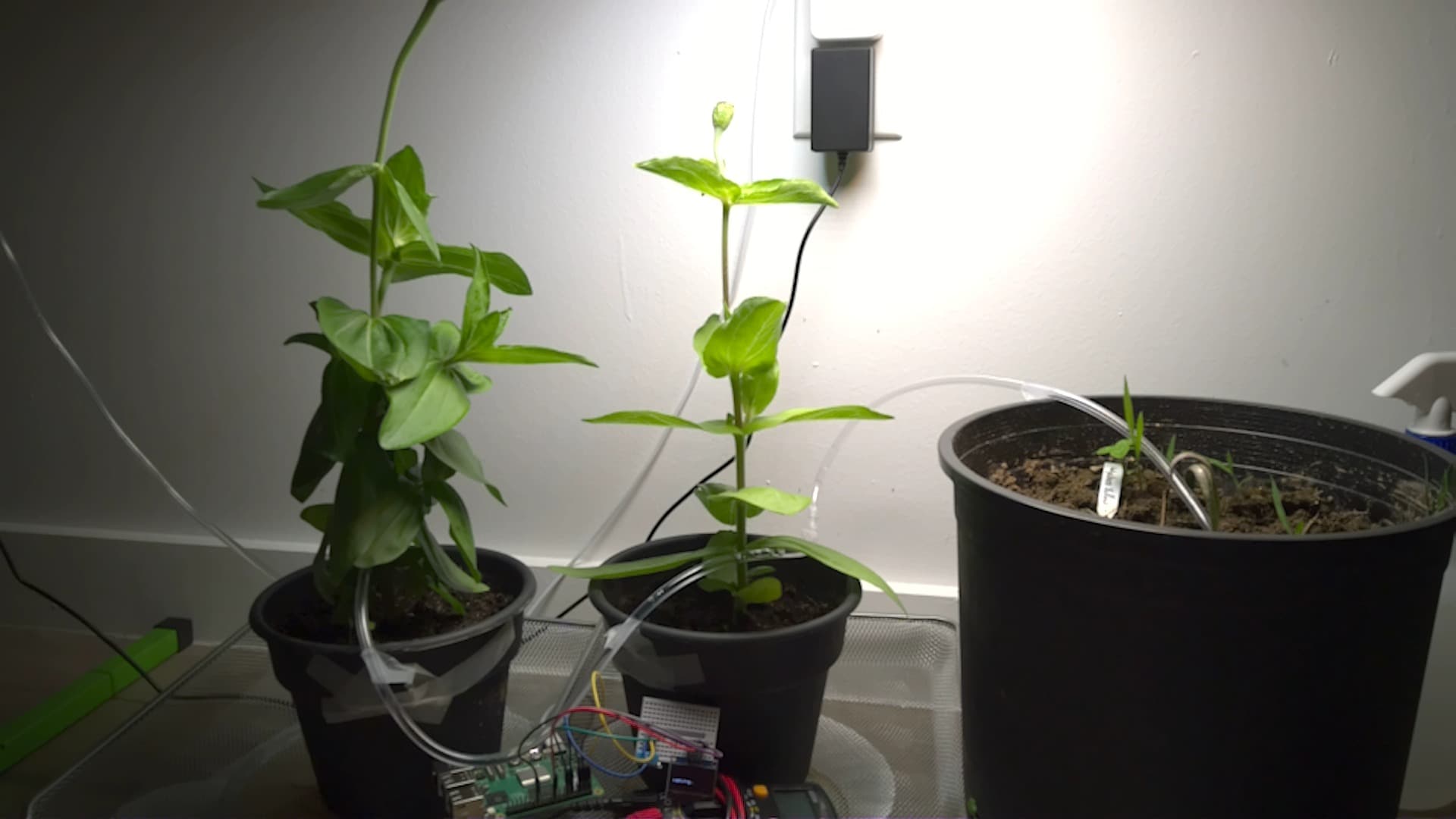
May 17 · 3:30 PM · afternoon
watered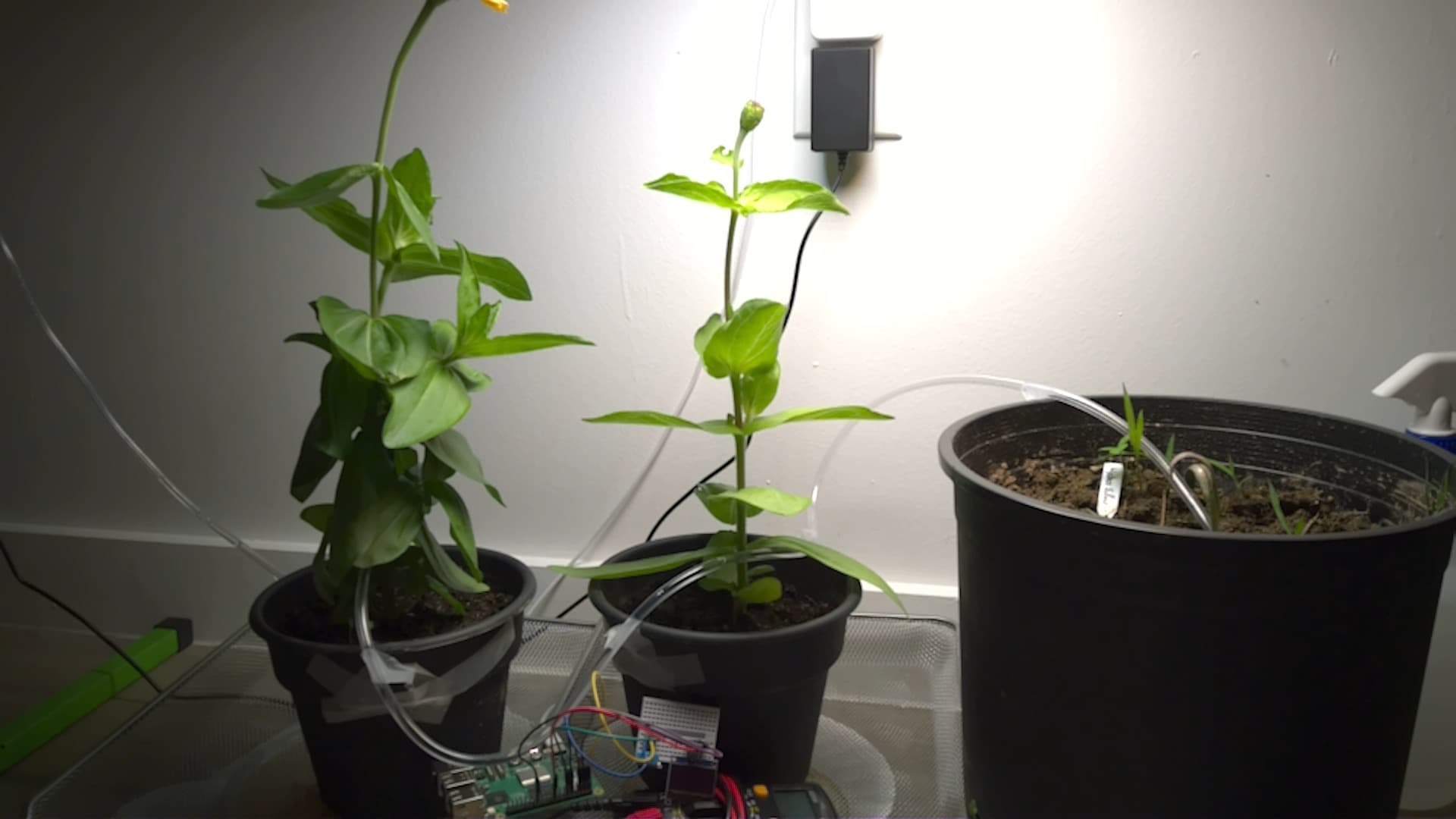
May 17 · 11:30 AM · midday
watered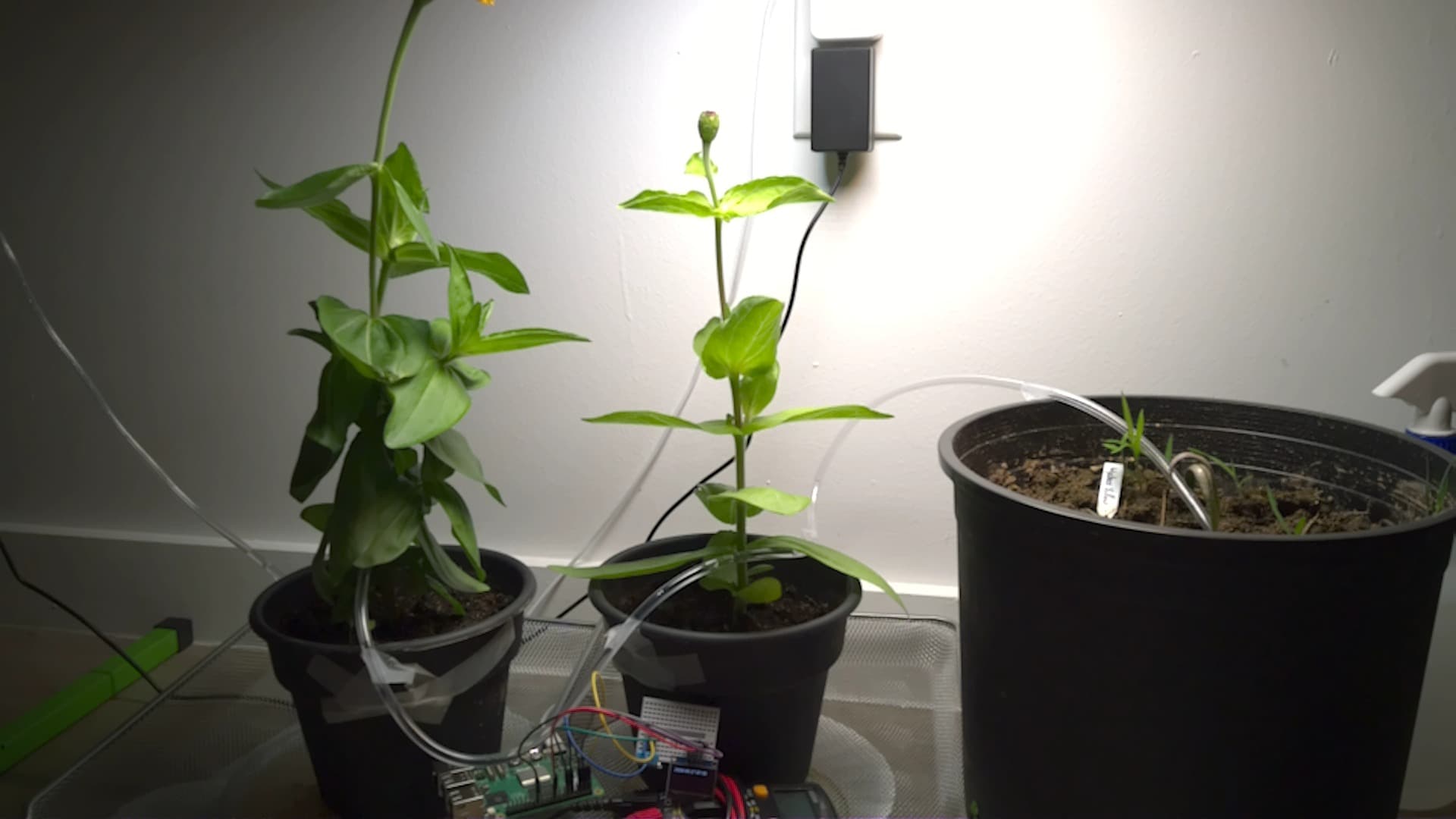
May 17 · 7:30 AM · morning
watered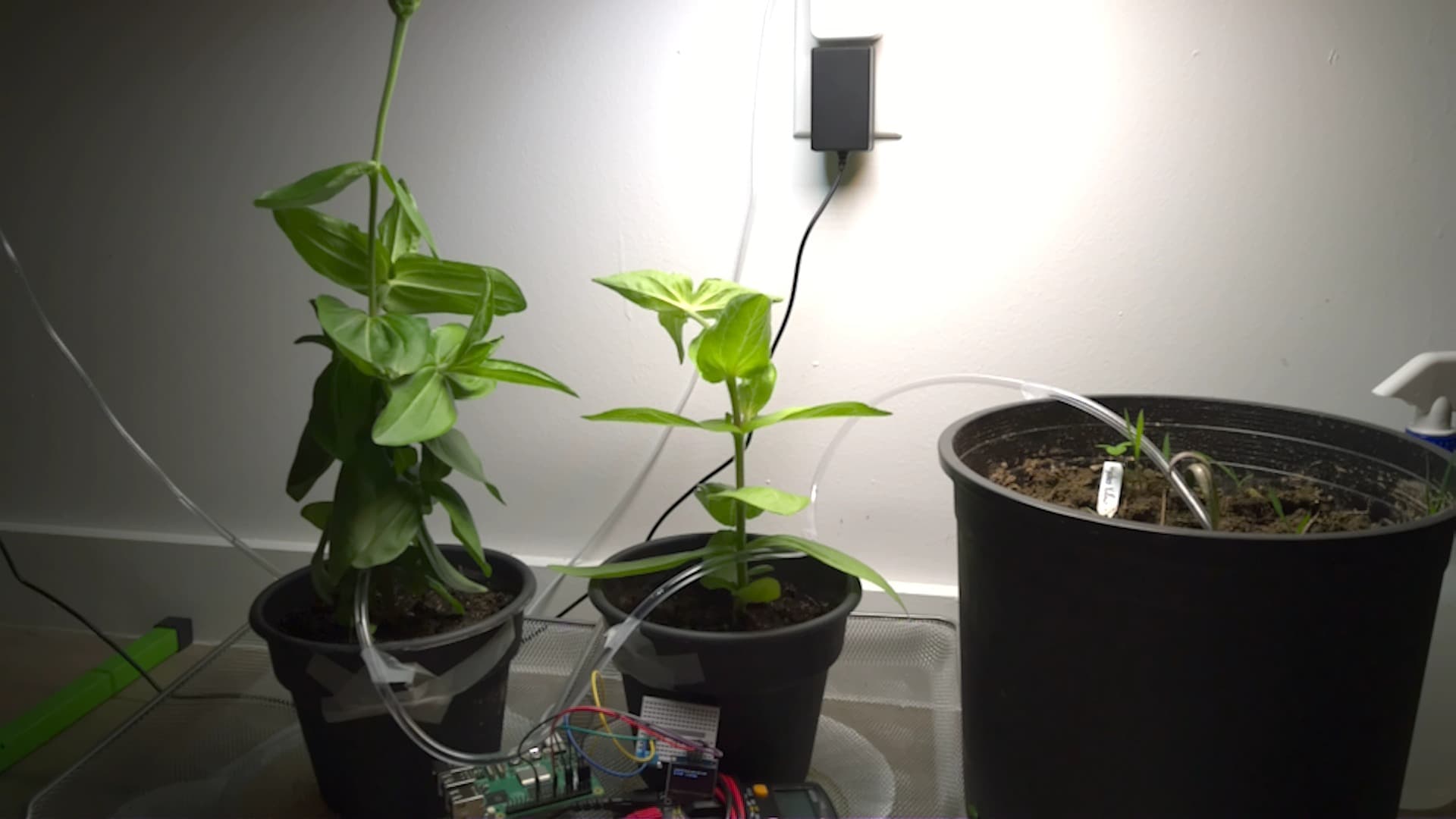
May 16 · 7:30 PM · evening
watered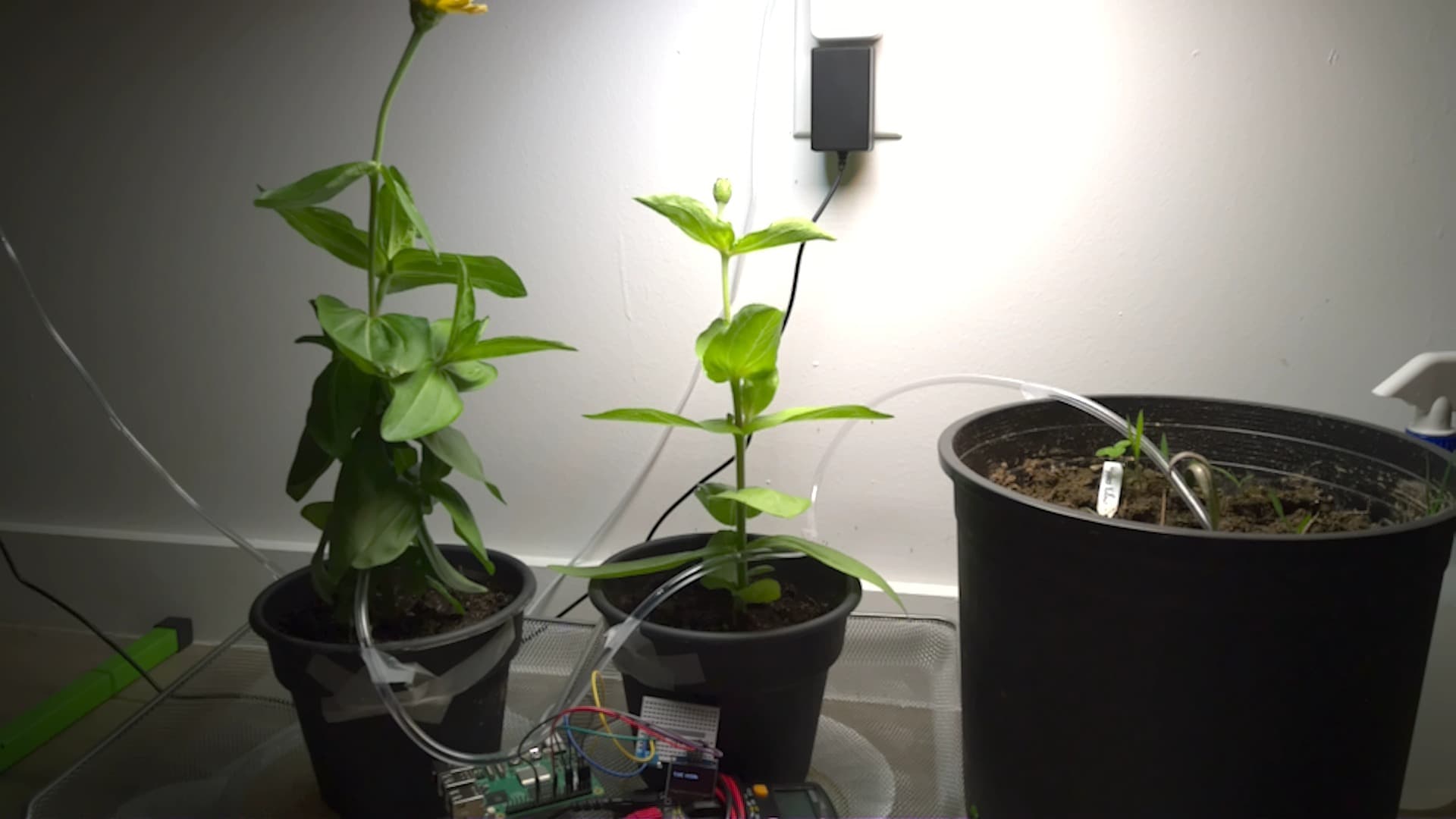
May 16 · 3:30 PM · afternoon
watered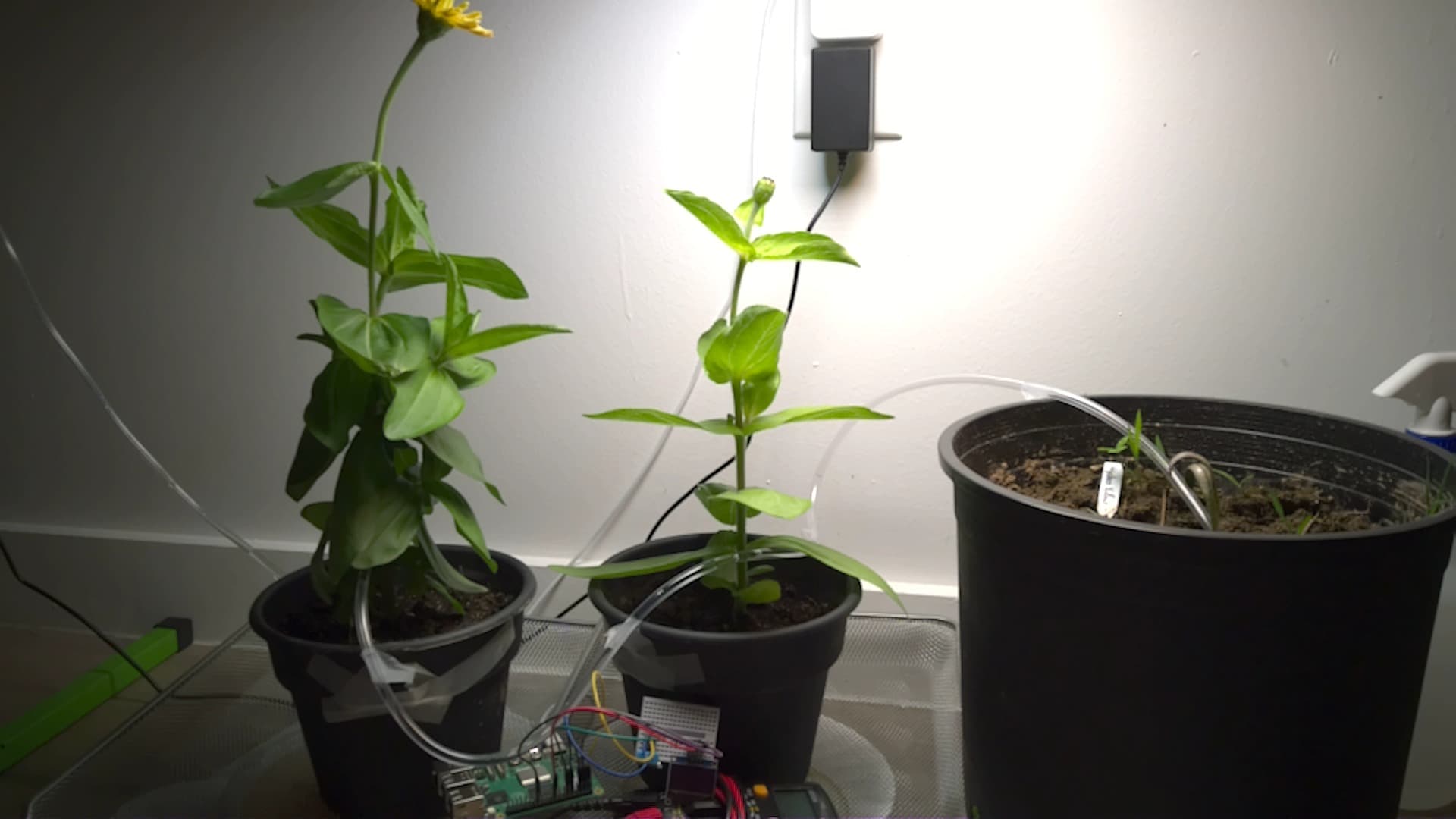
May 16 · 11:30 AM · midday
watered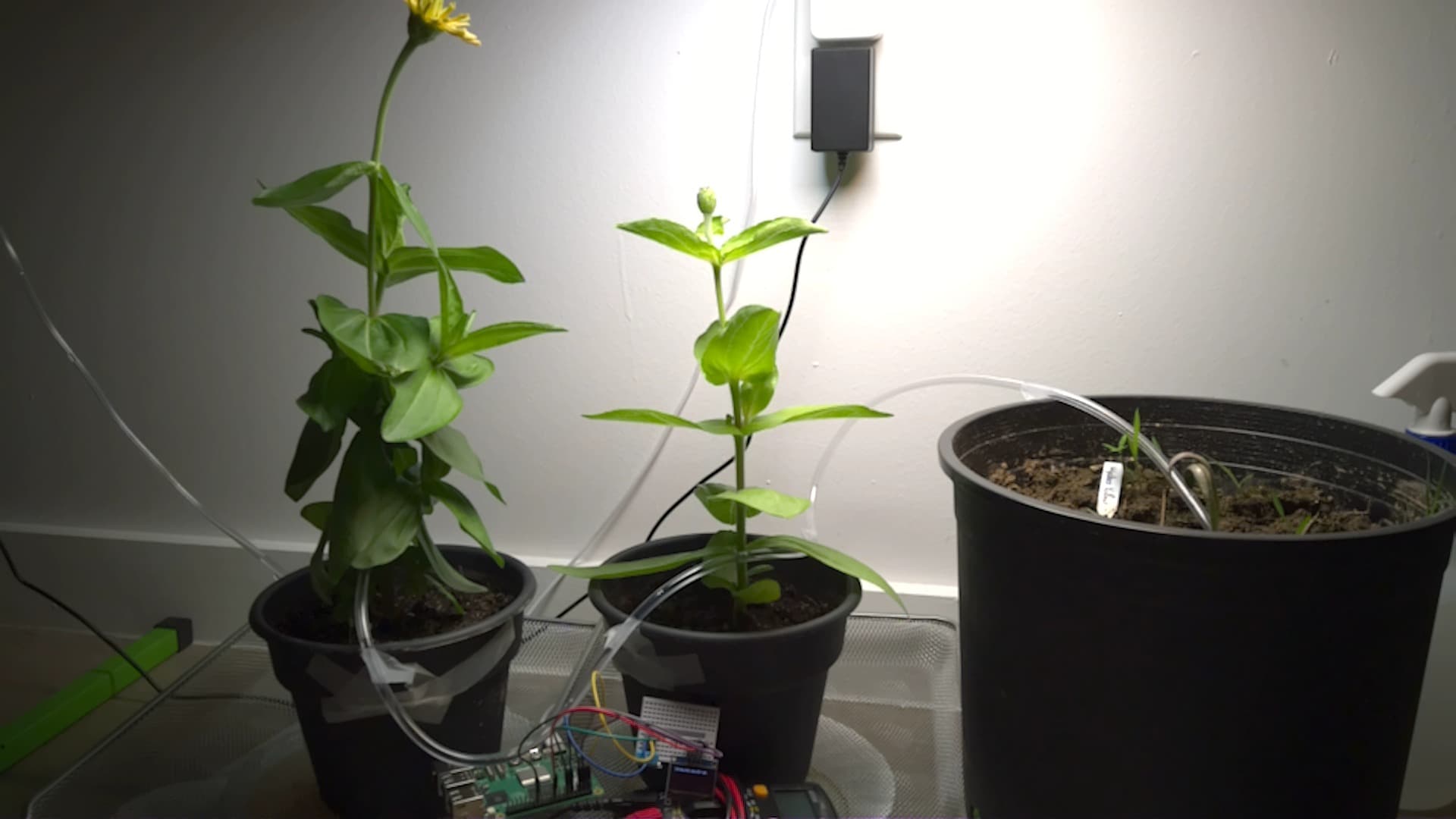
May 16 · 7:30 AM · morning
watered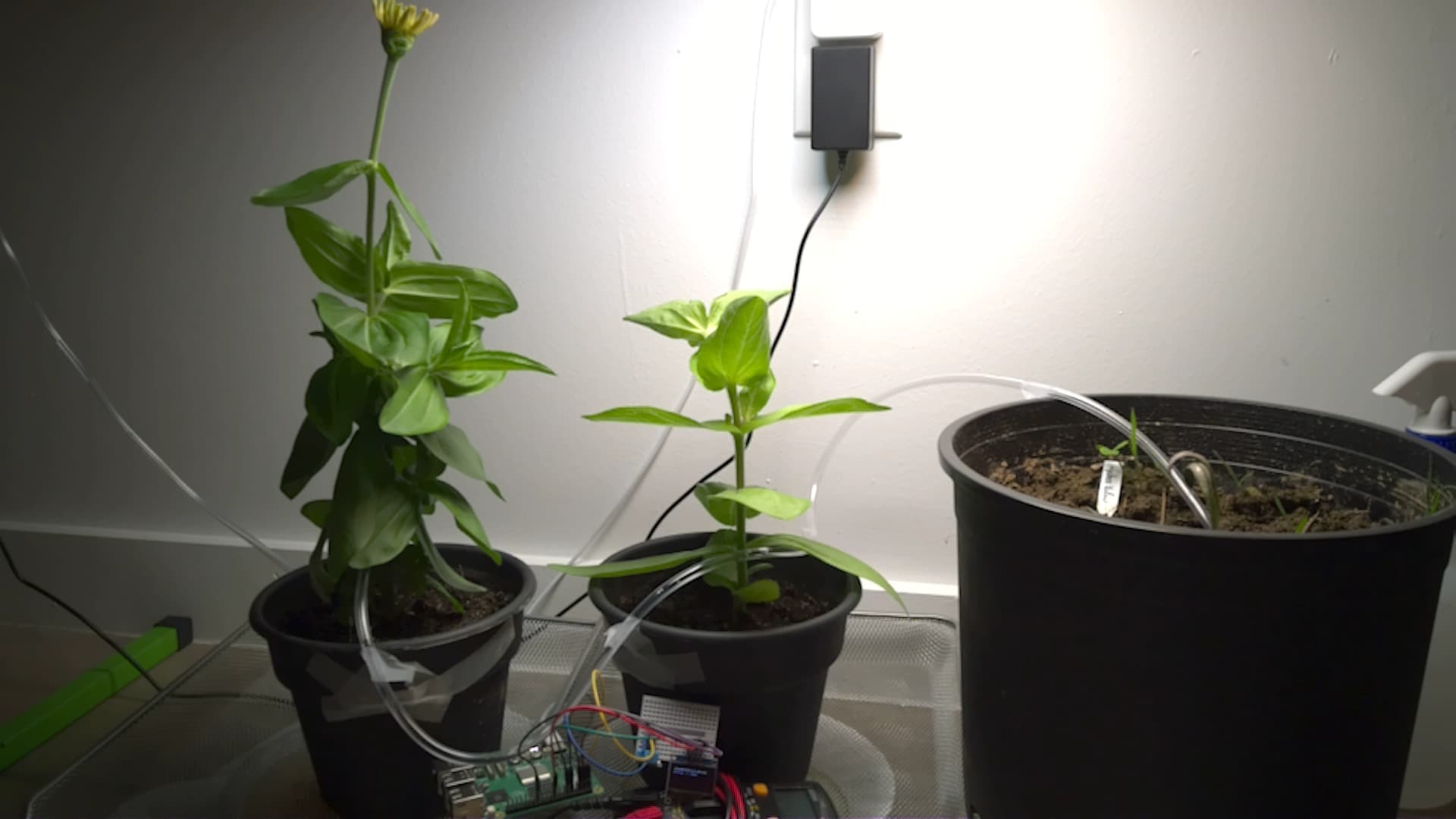
May 15 · 7:30 PM · evening
watered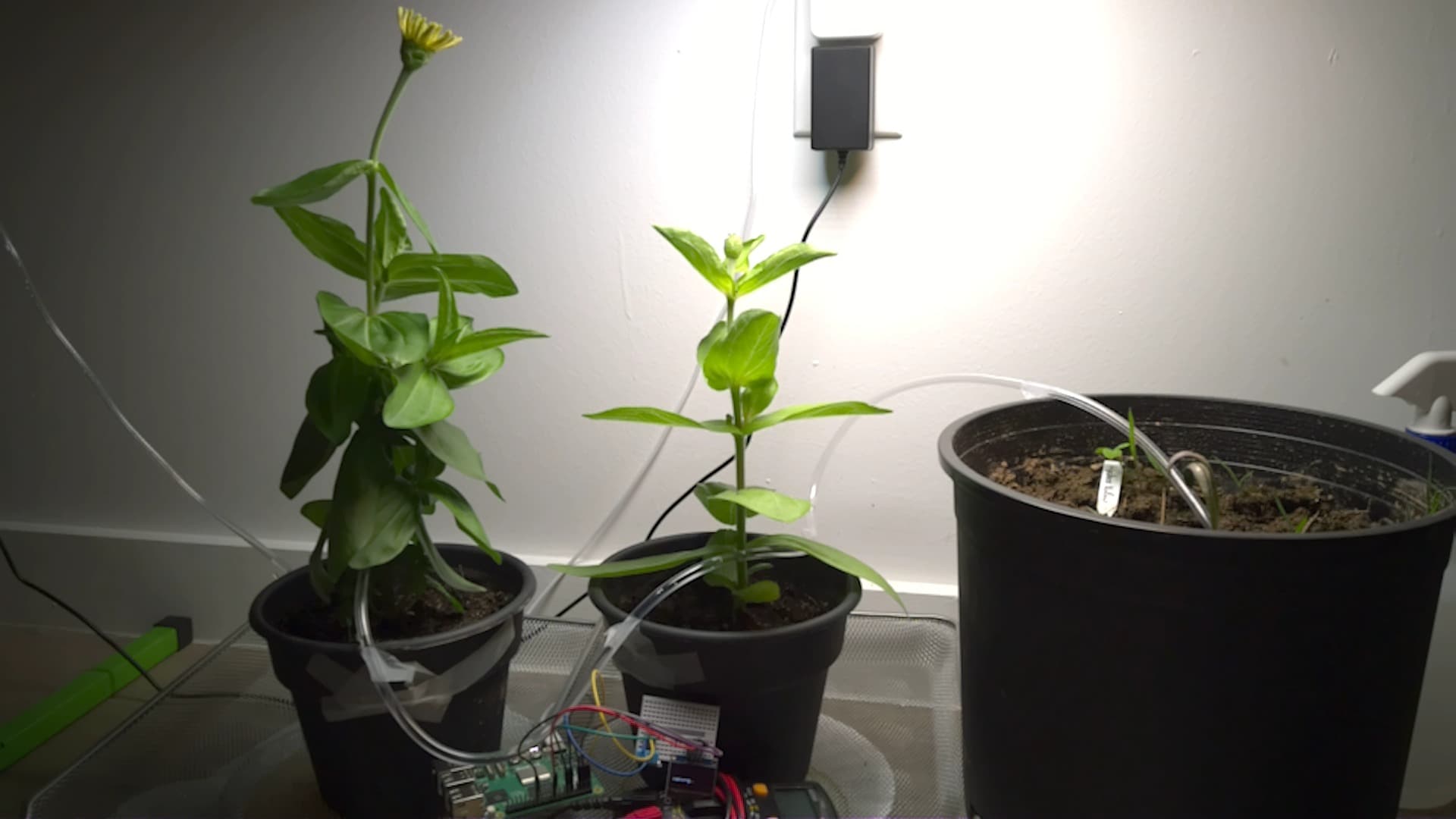
May 15 · 3:30 PM · afternoon
watered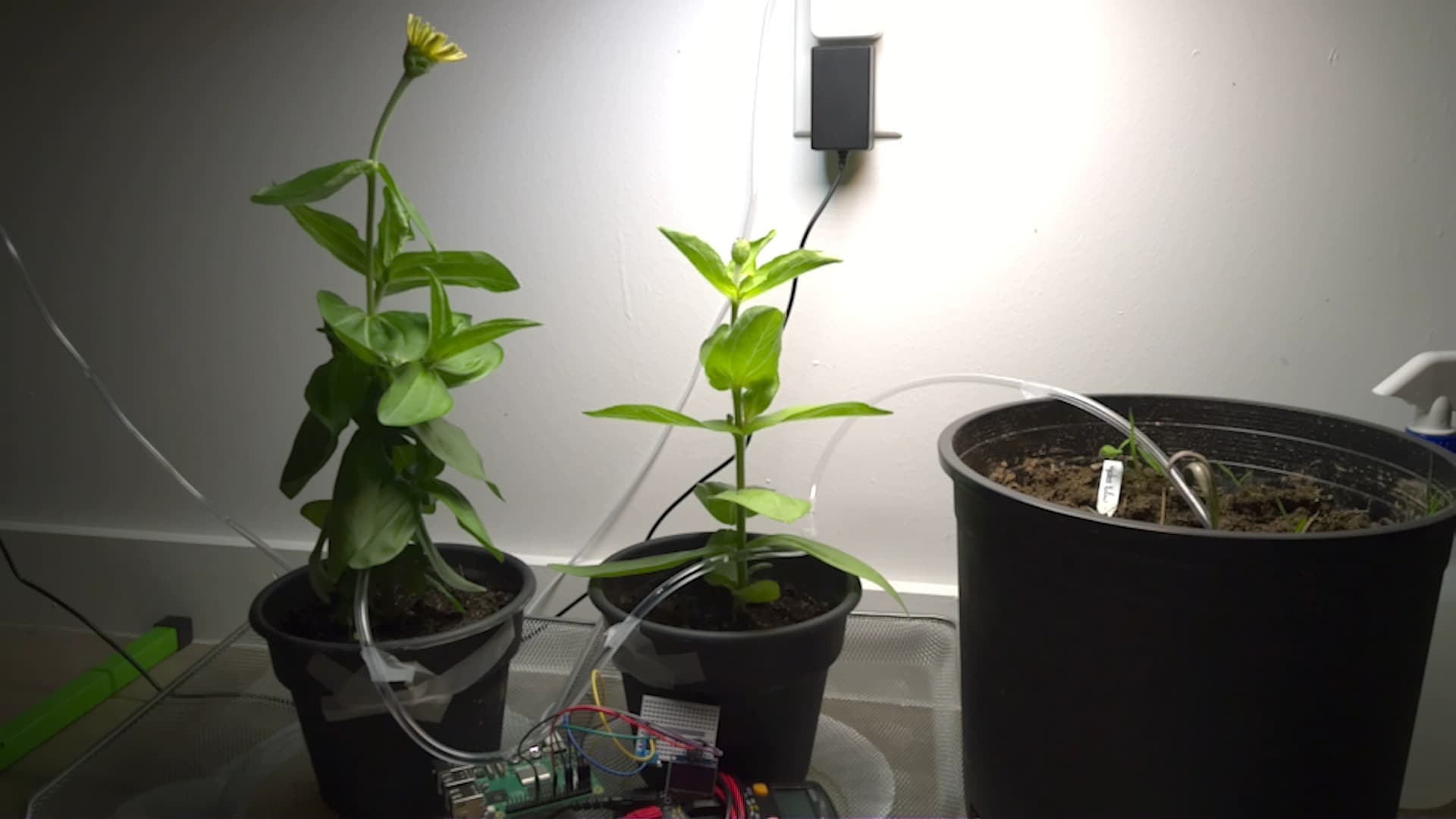
May 15 · 11:30 AM · midday
watered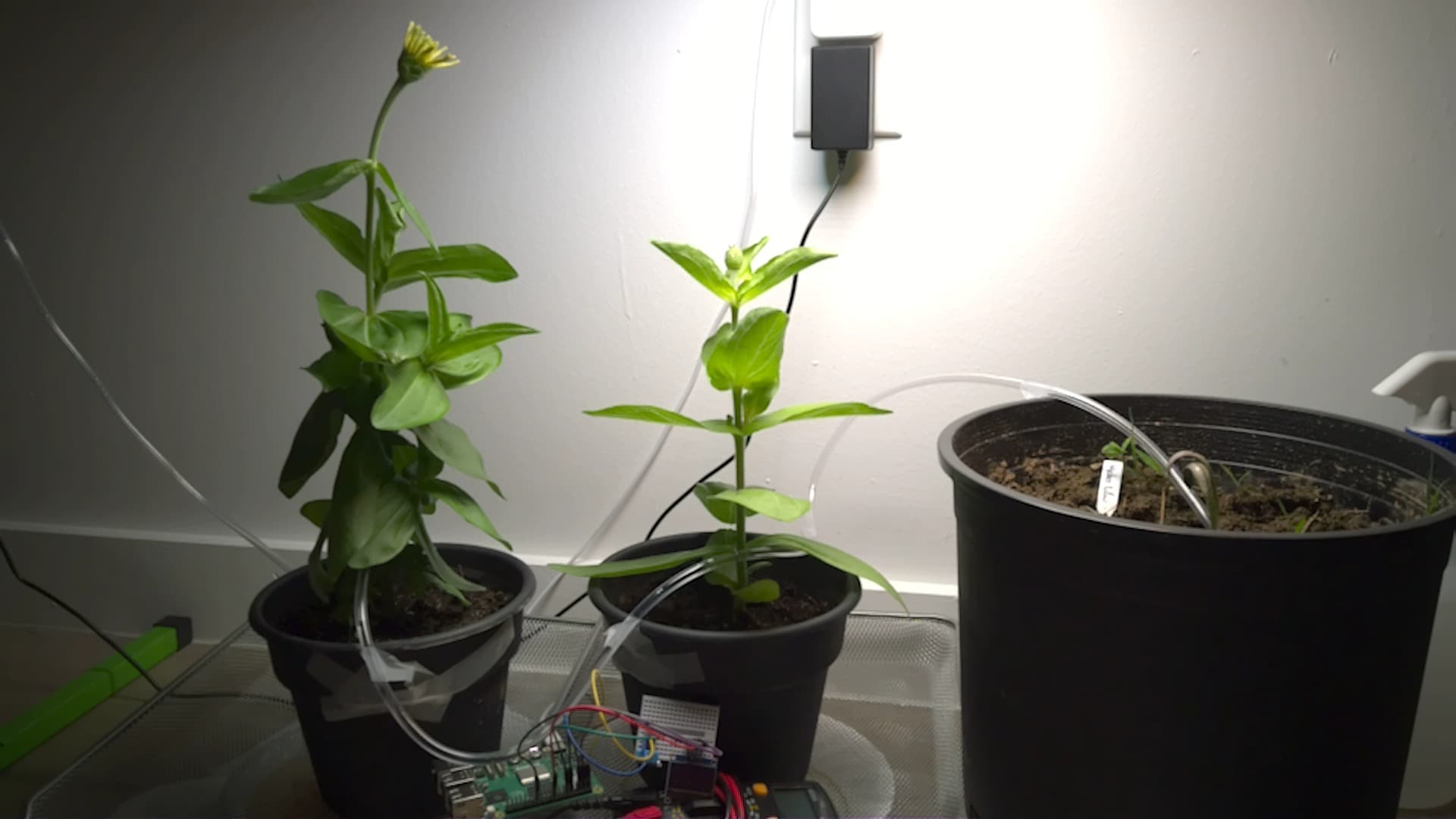
May 15 · 7:30 AM · morning
watered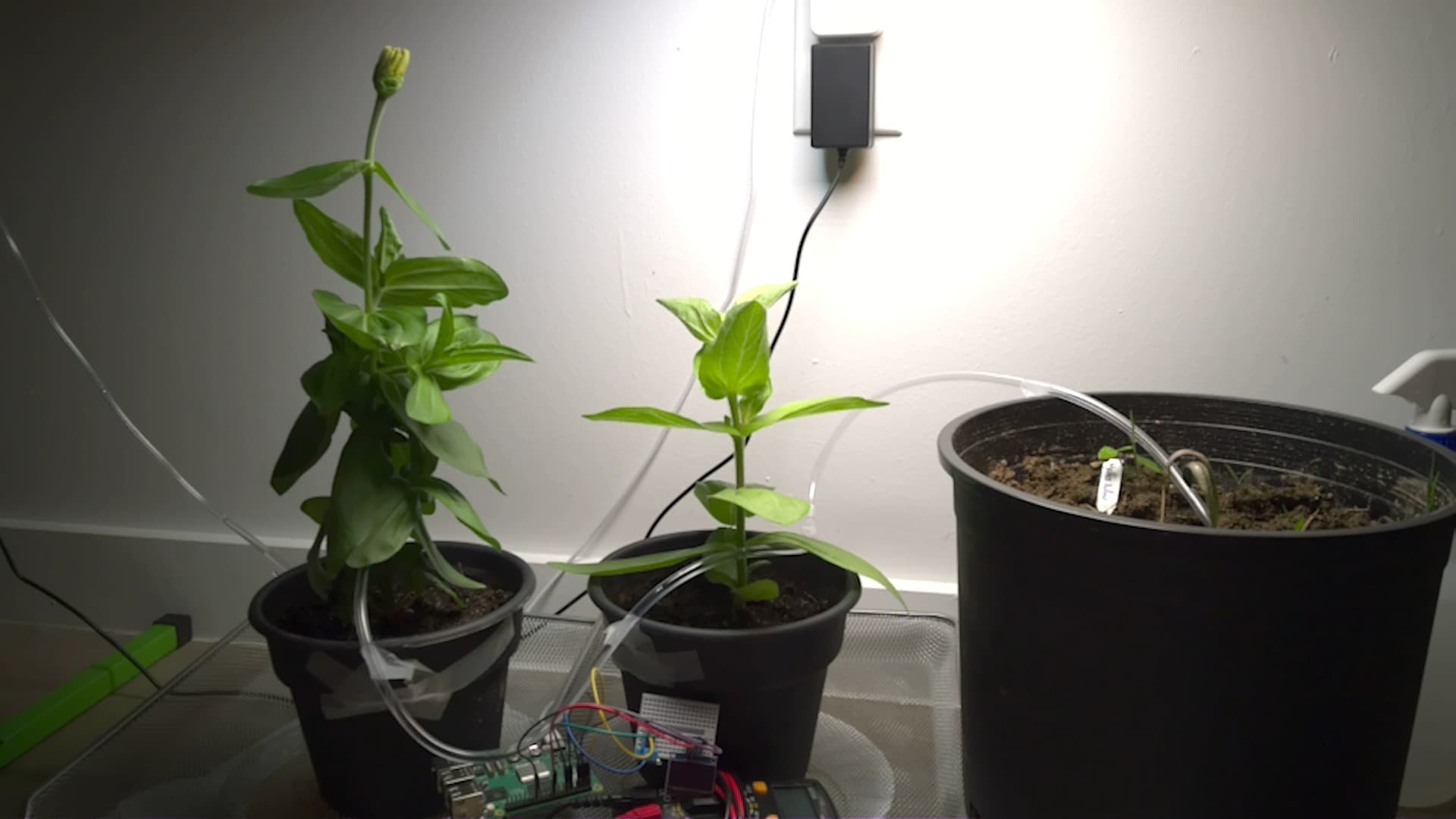
May 14 · 7:30 PM · evening
watered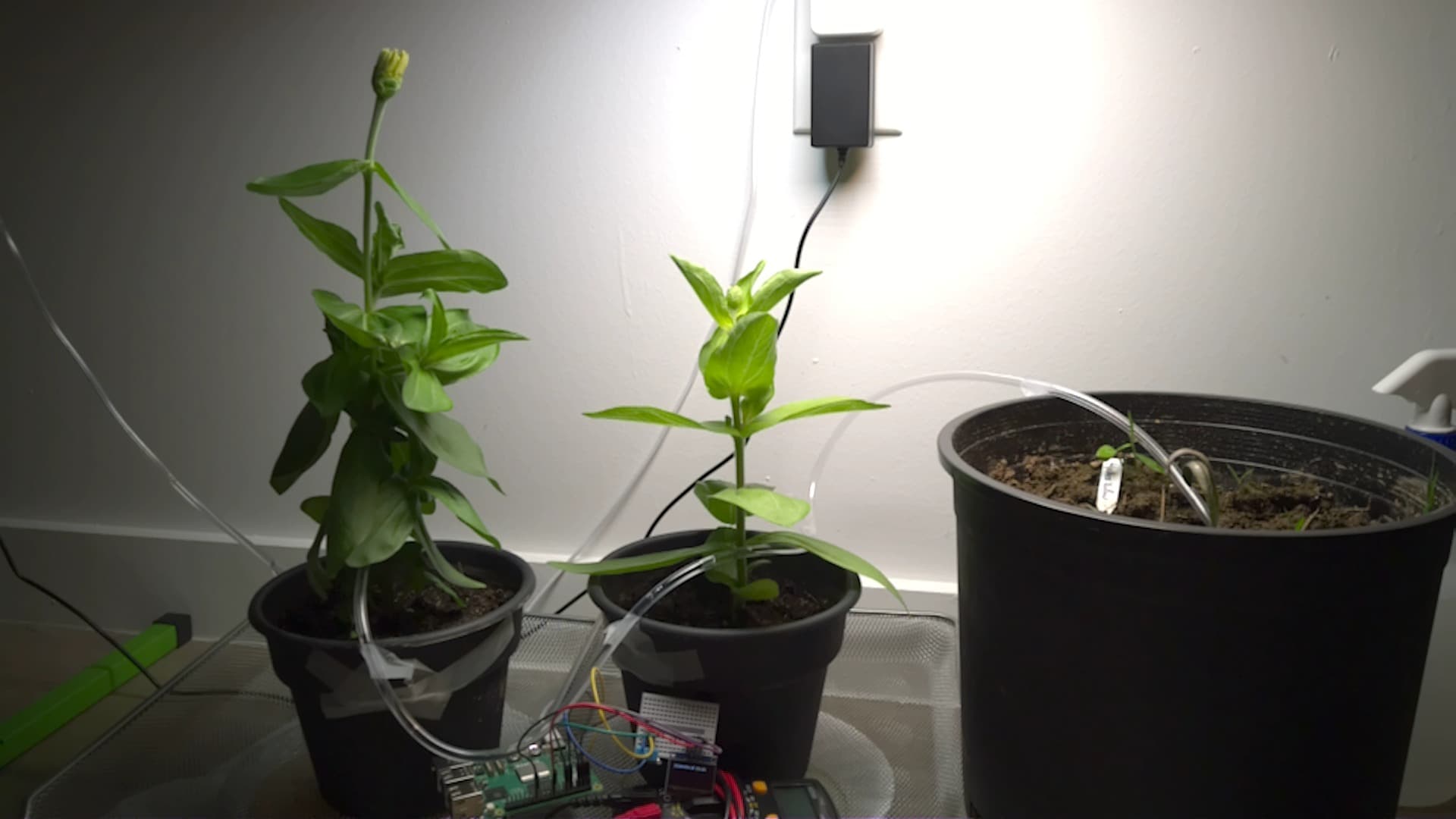
May 14 · 3:30 PM · afternoon
watered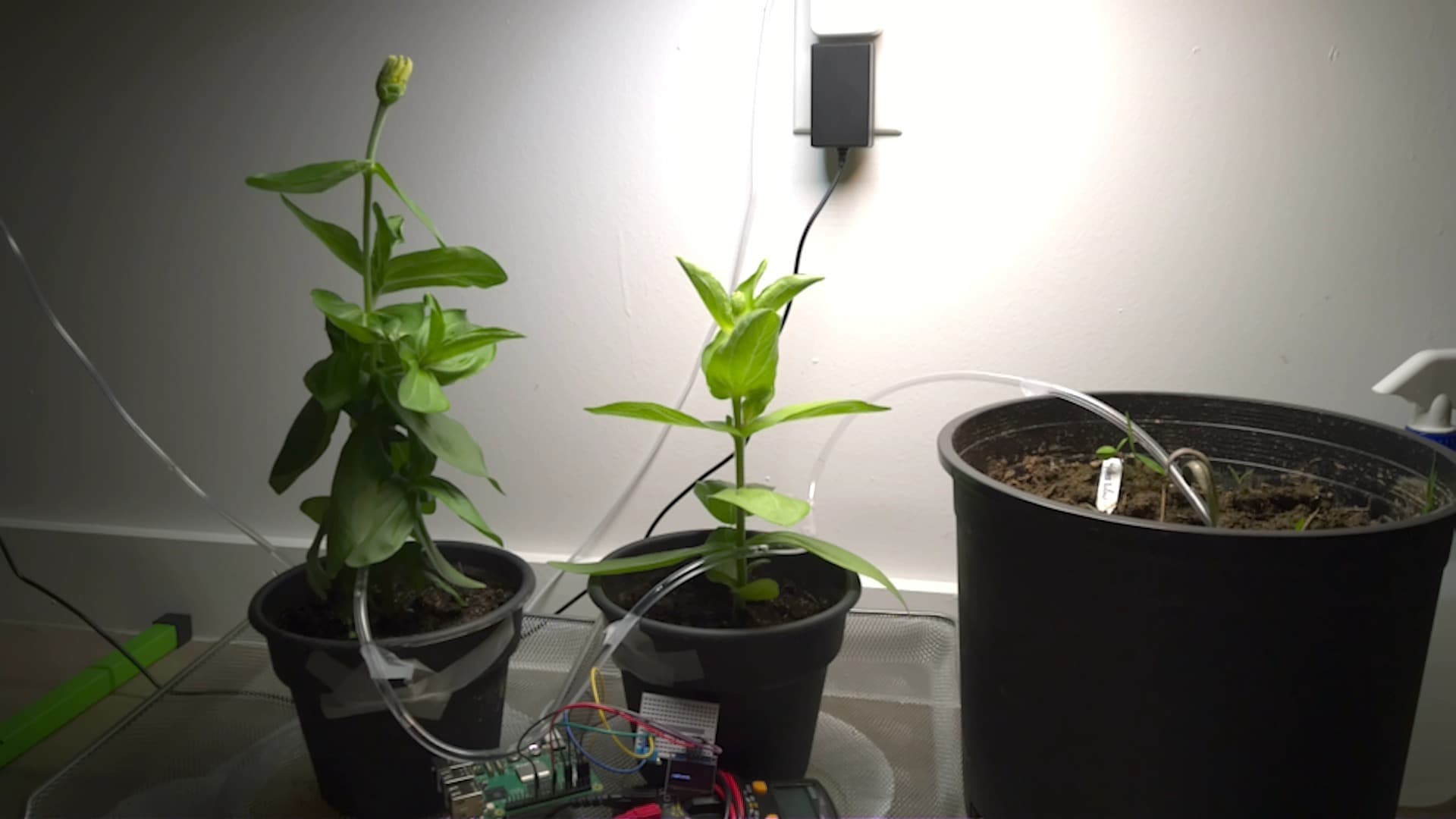
May 14 · 11:30 AM · midday
watered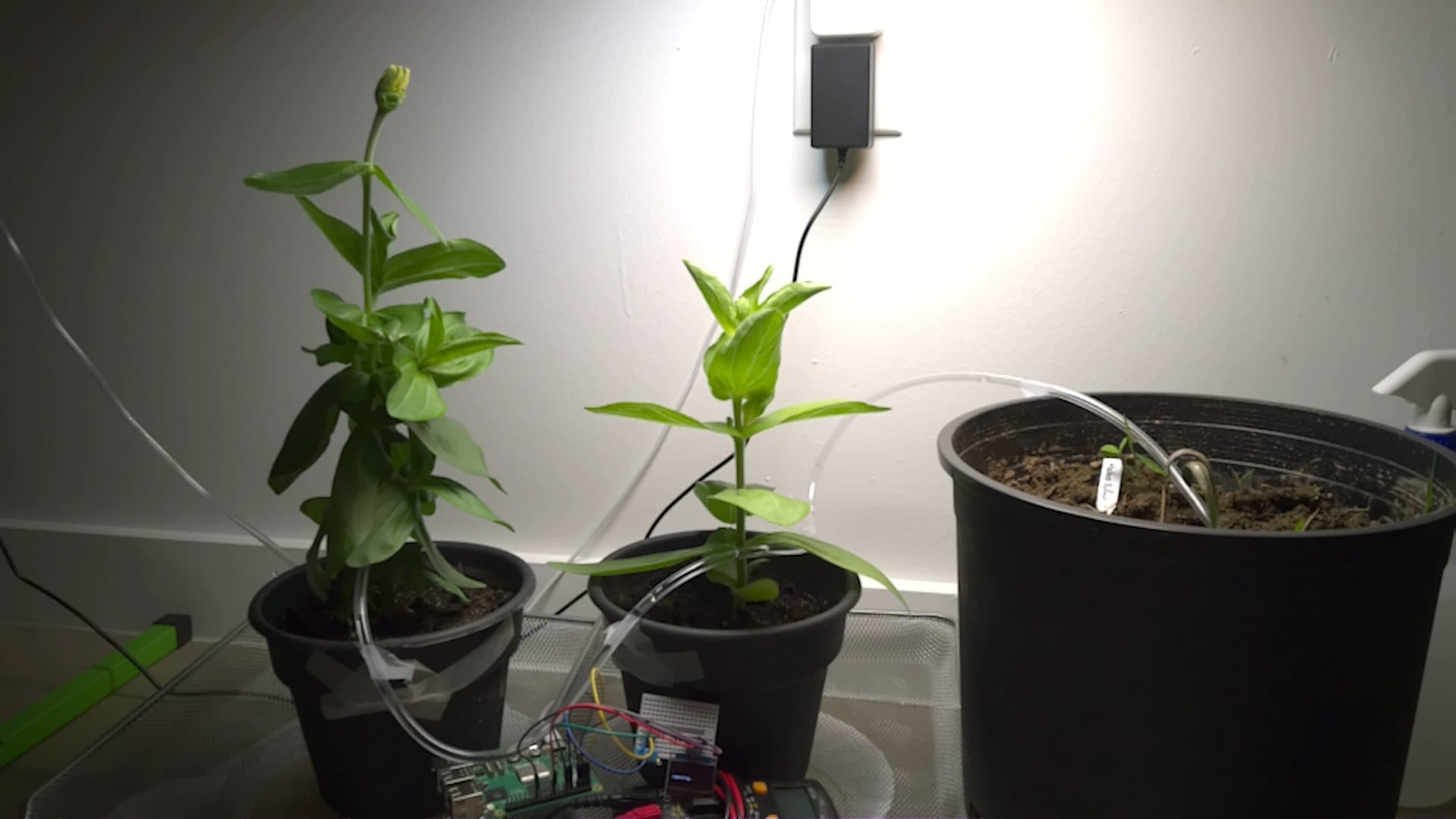
May 14 · 7:30 AM · morning
watered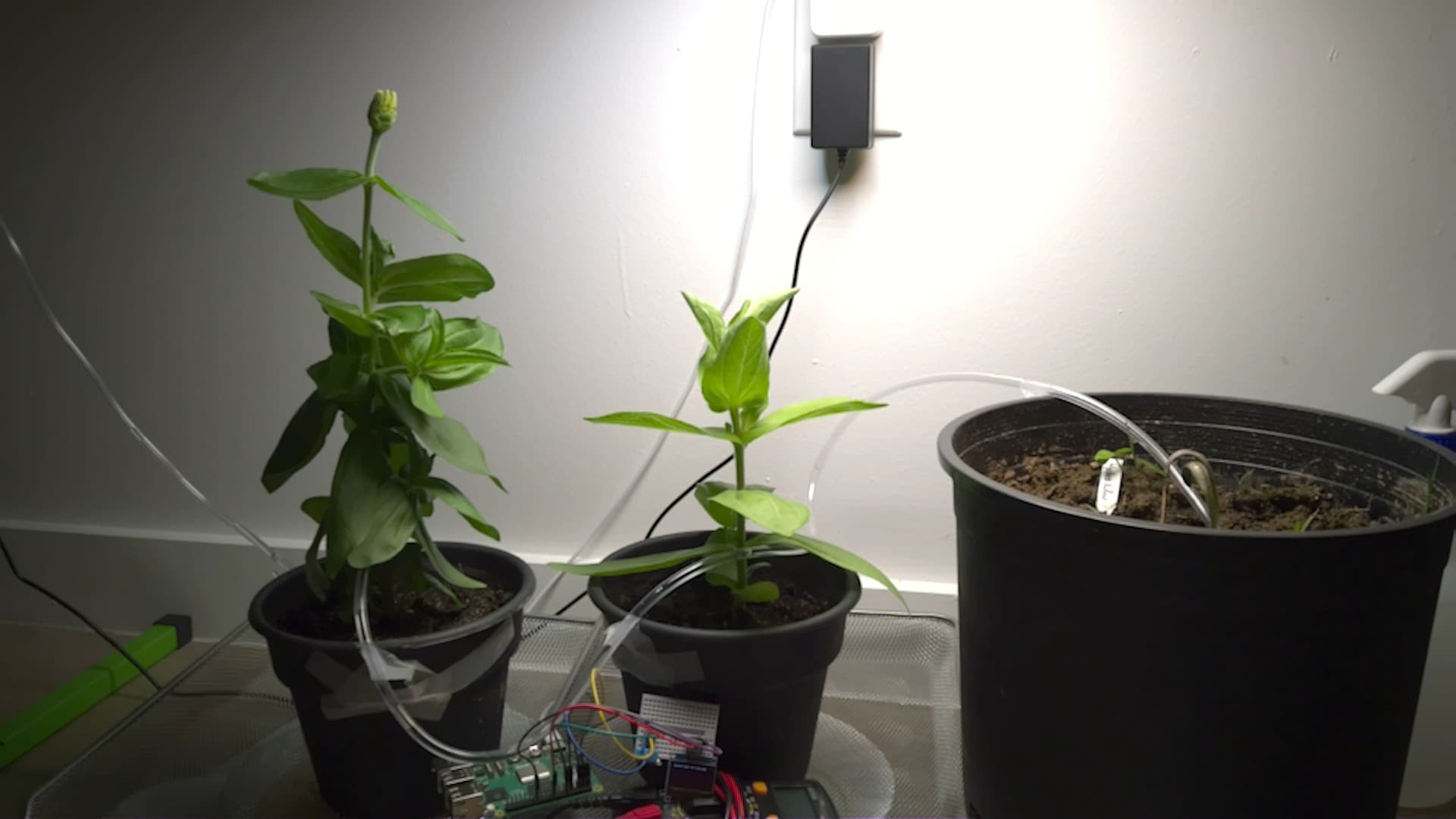
May 13 · 7:30 PM · evening
watered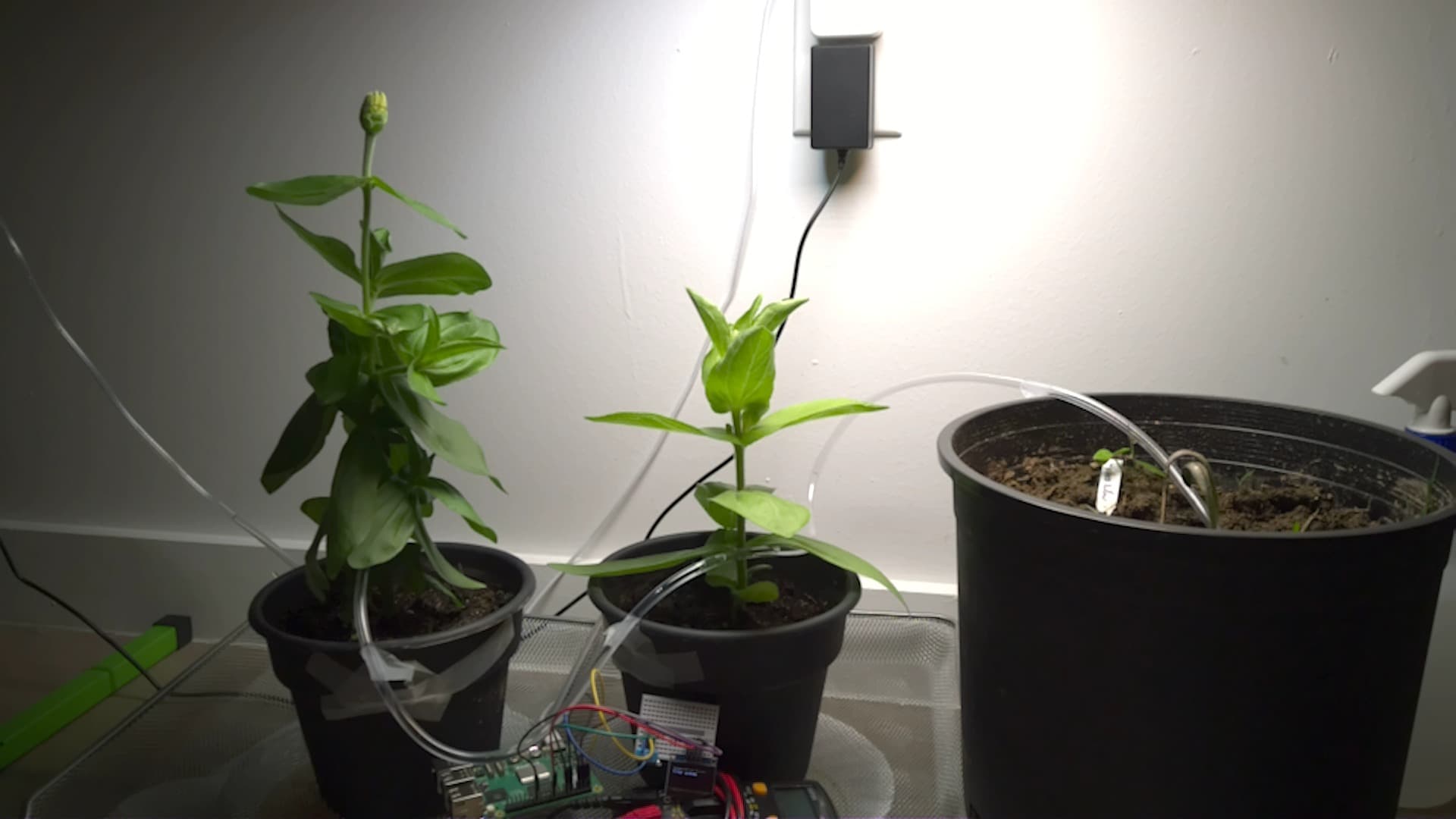
May 13 · 3:30 PM · afternoon
watered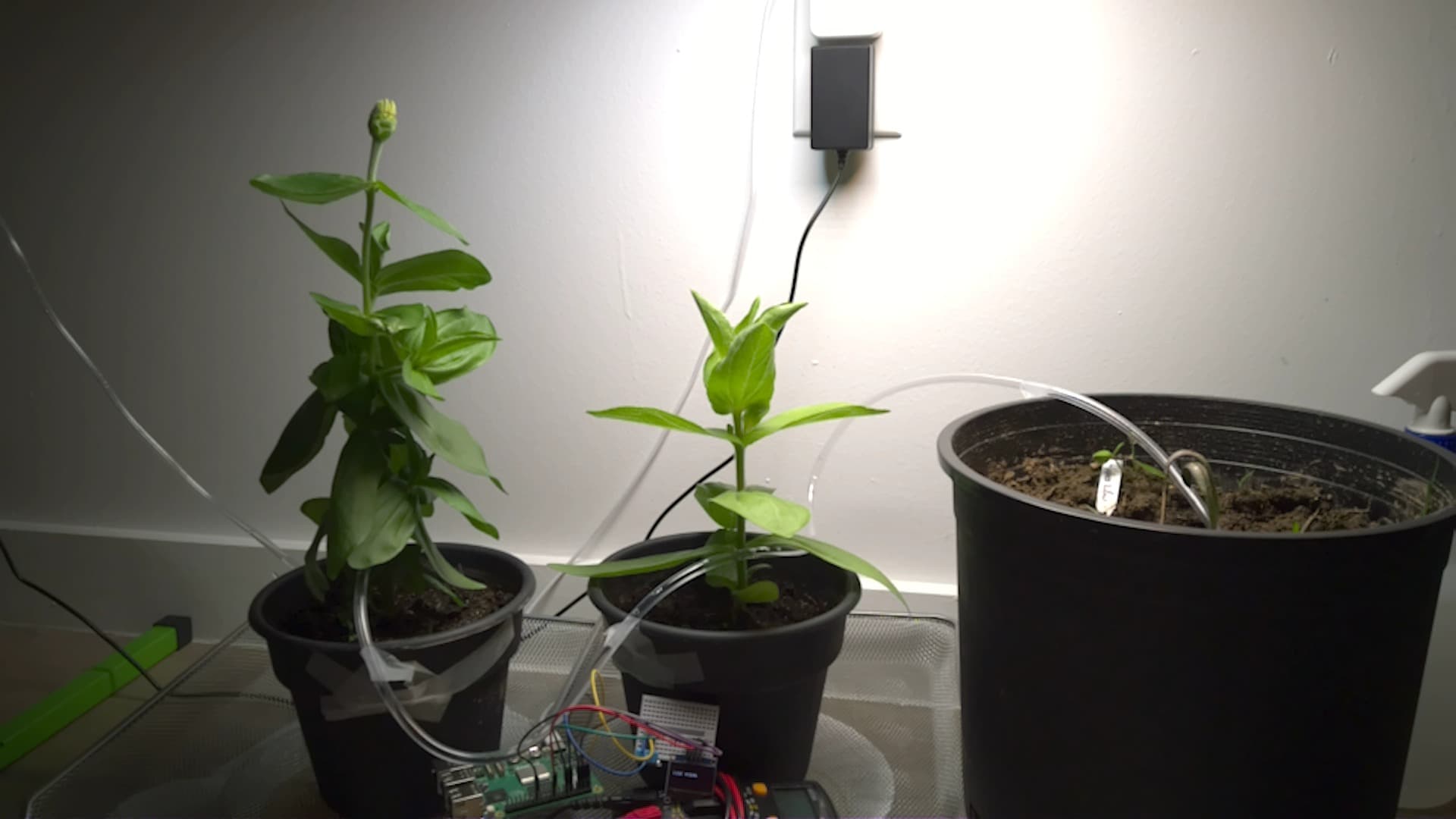
May 13 · 11:30 AM · midday
watered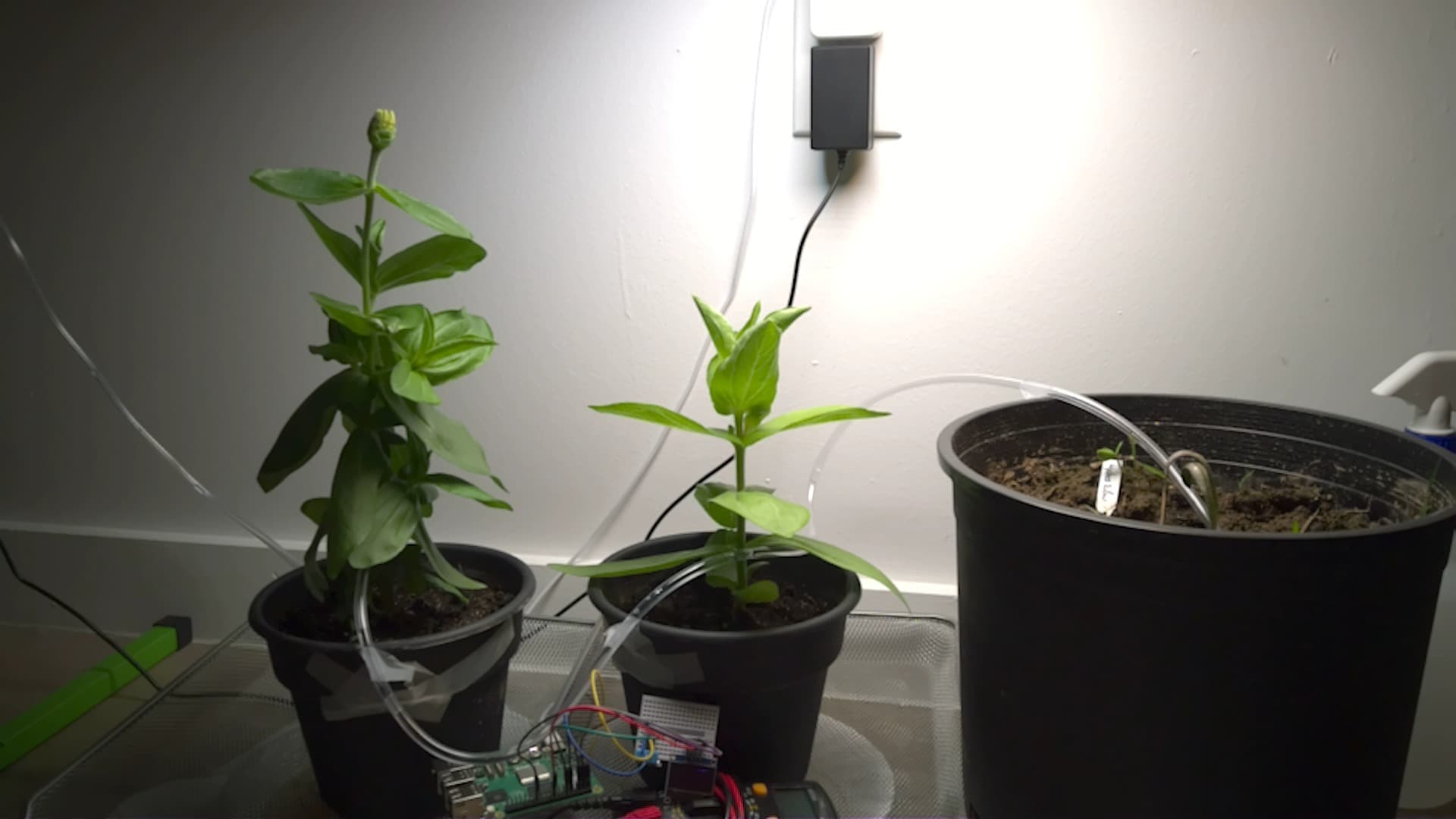
May 13 · 7:30 AM · morning
watered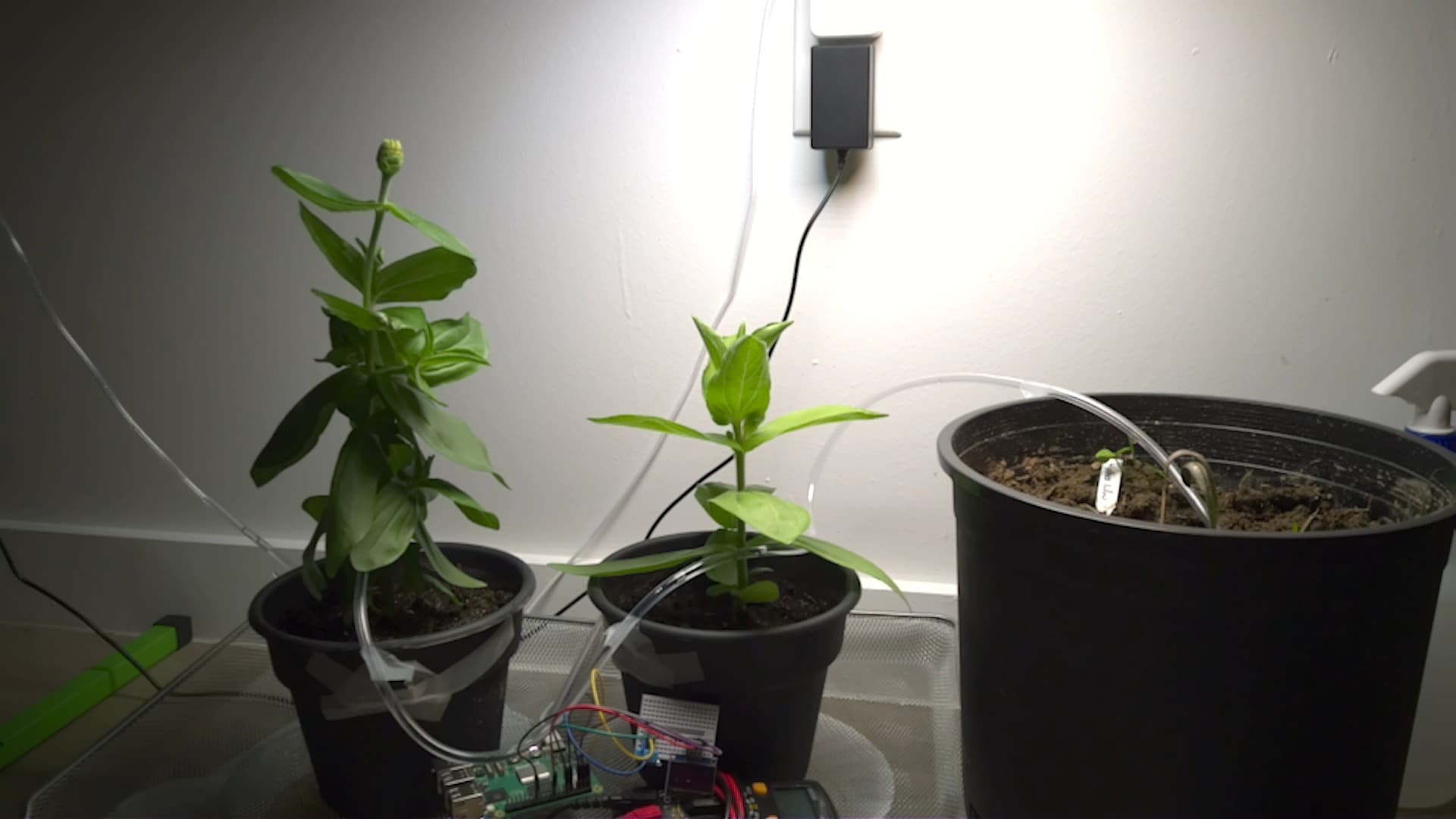
May 12 · 7:30 PM · evening
watered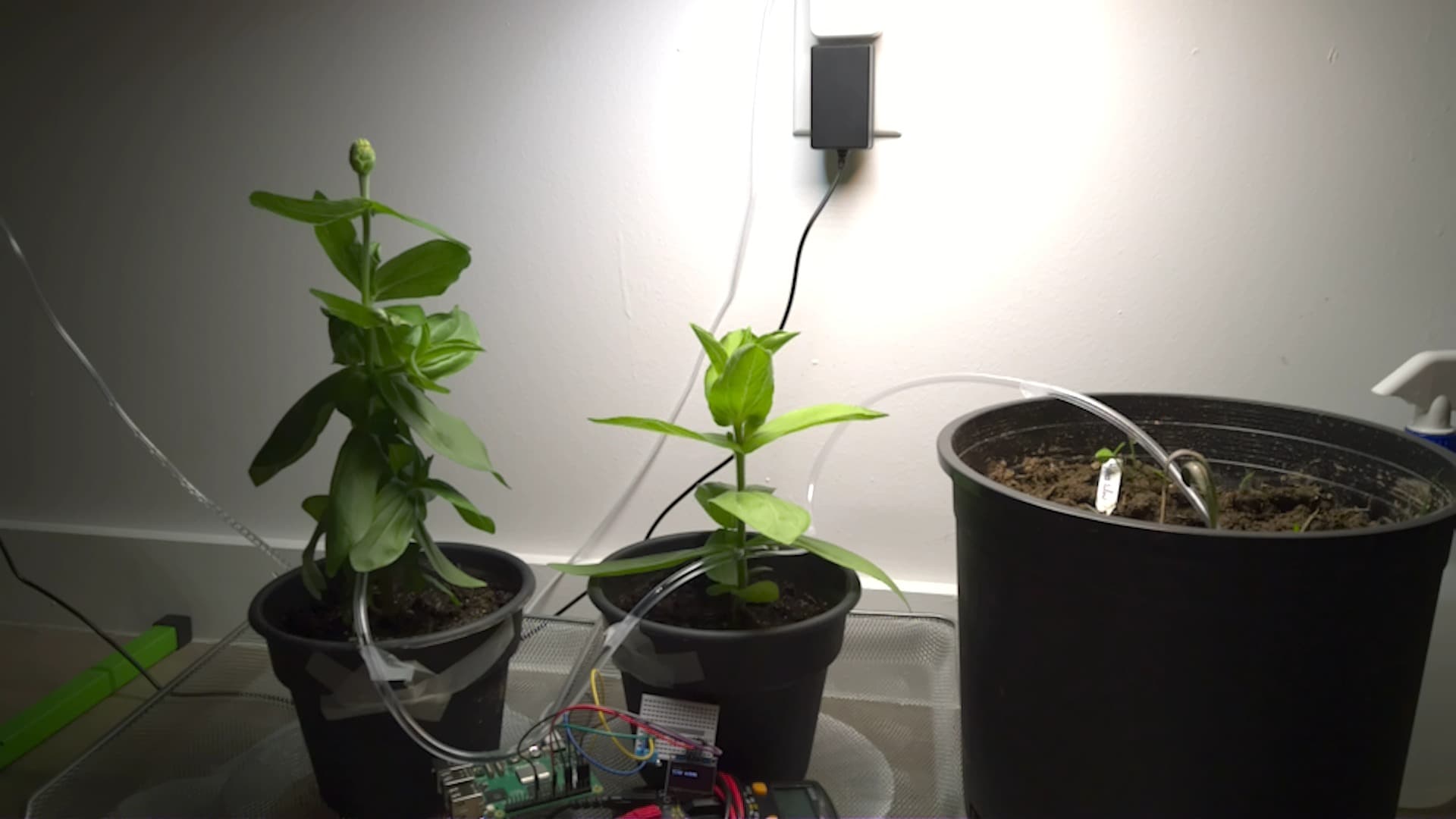
May 12 · 3:30 PM · afternoon
watered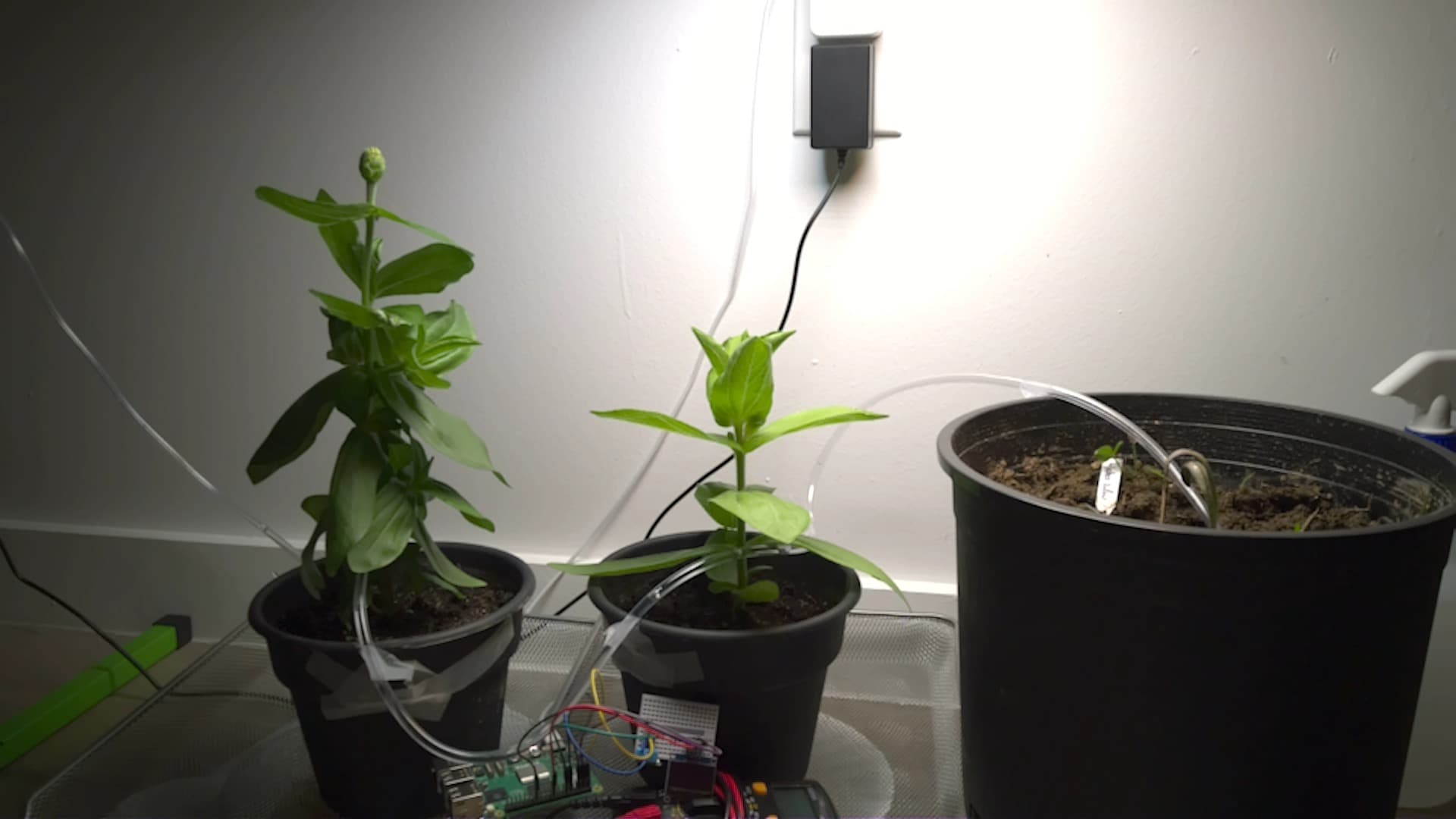
May 12 · 11:30 AM · midday
watered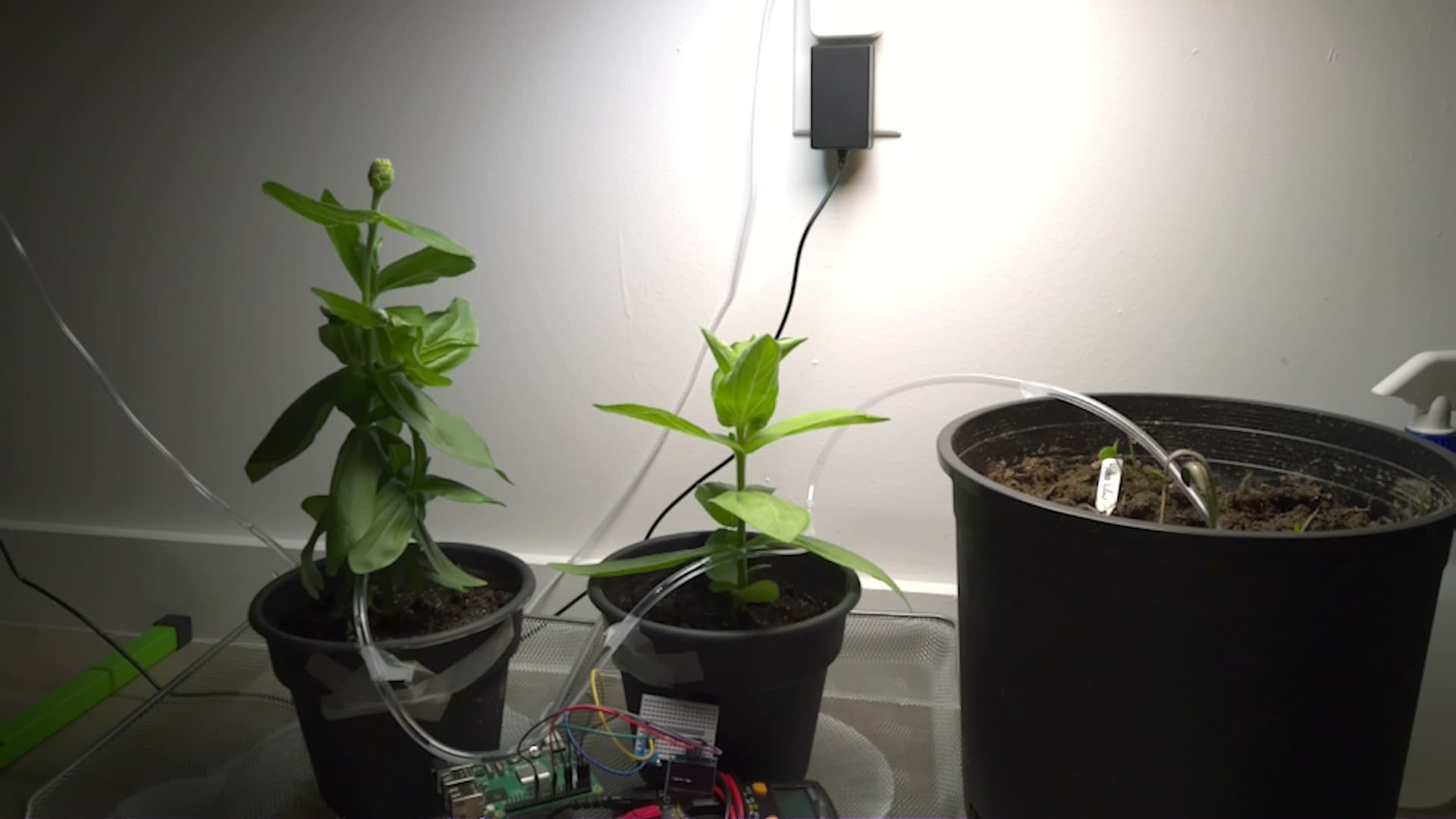
May 12 · 7:30 AM · morning
watered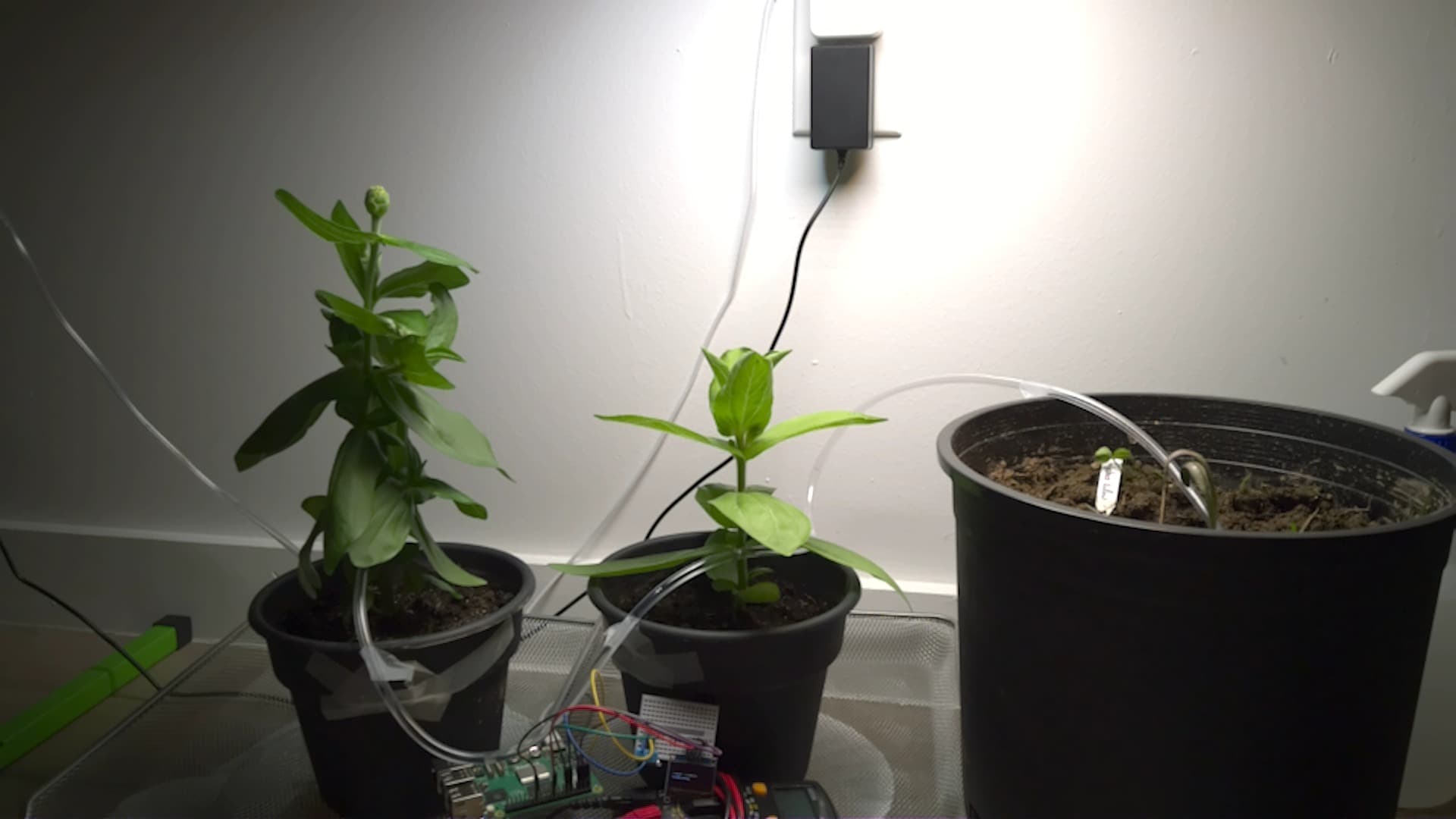
May 11 · 7:30 PM · evening
watered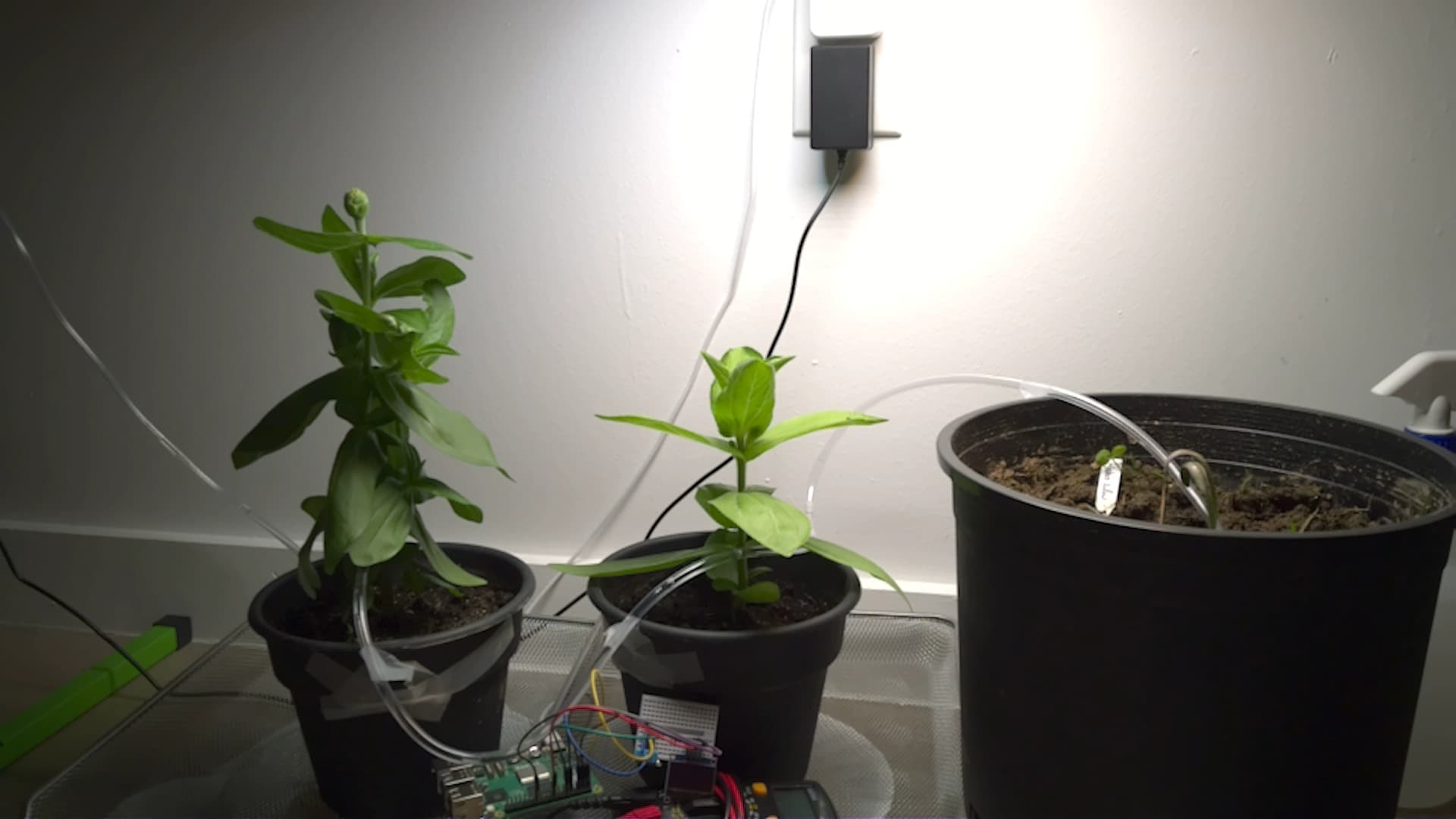
May 11 · 3:30 PM · afternoon
watered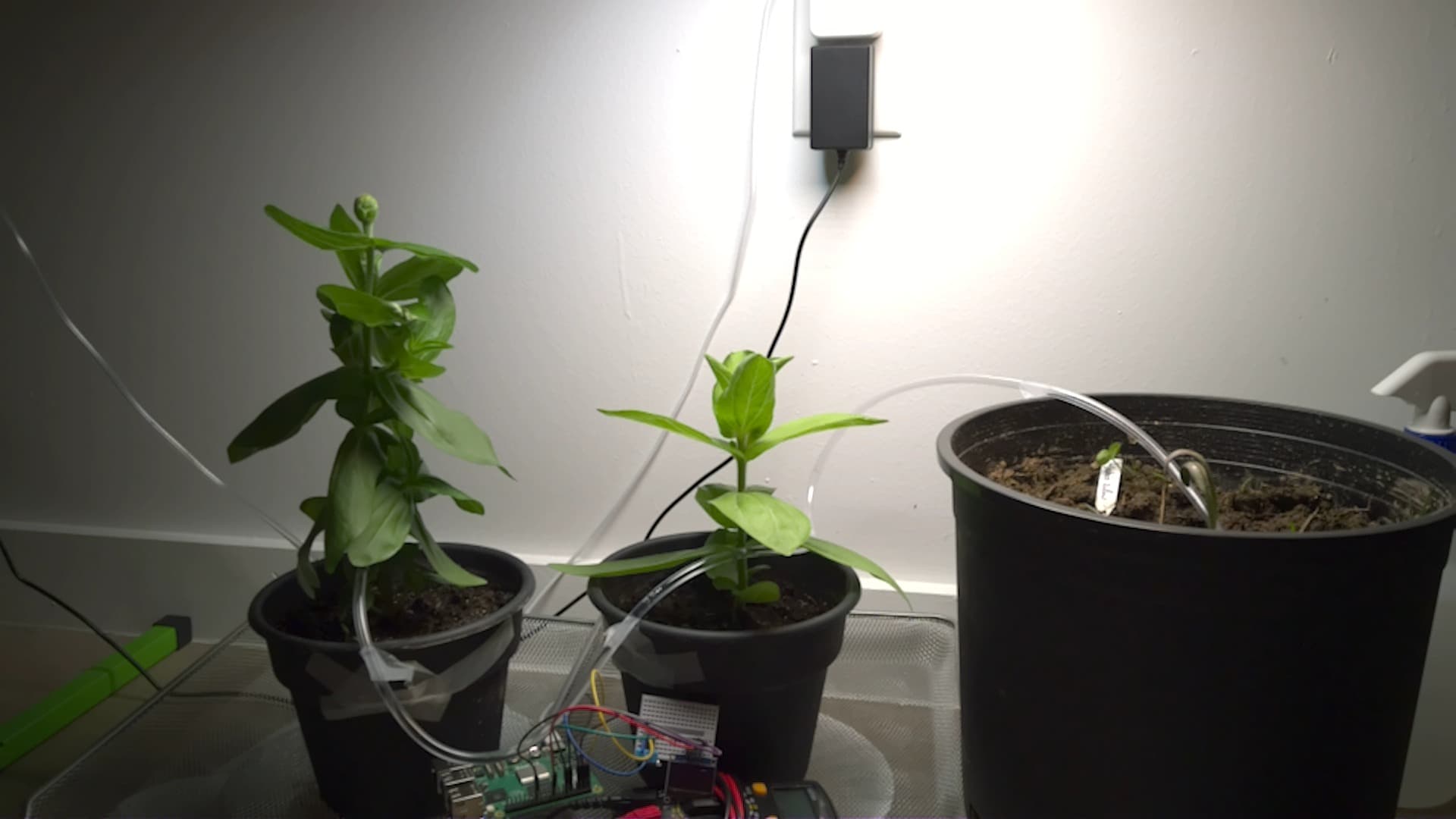
May 11 · 11:30 AM · midday
watered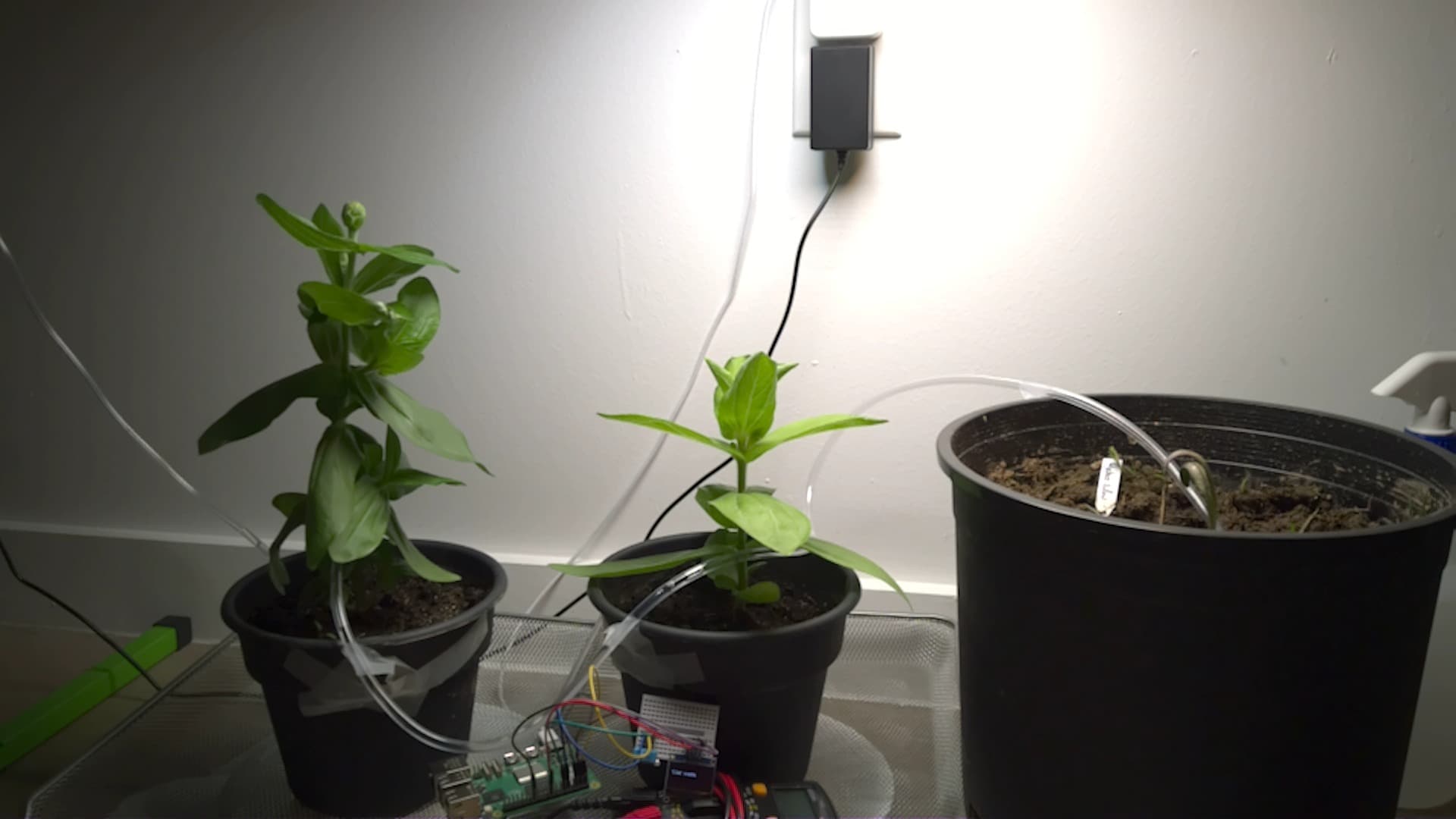
May 11 · 7:30 AM · morning
watered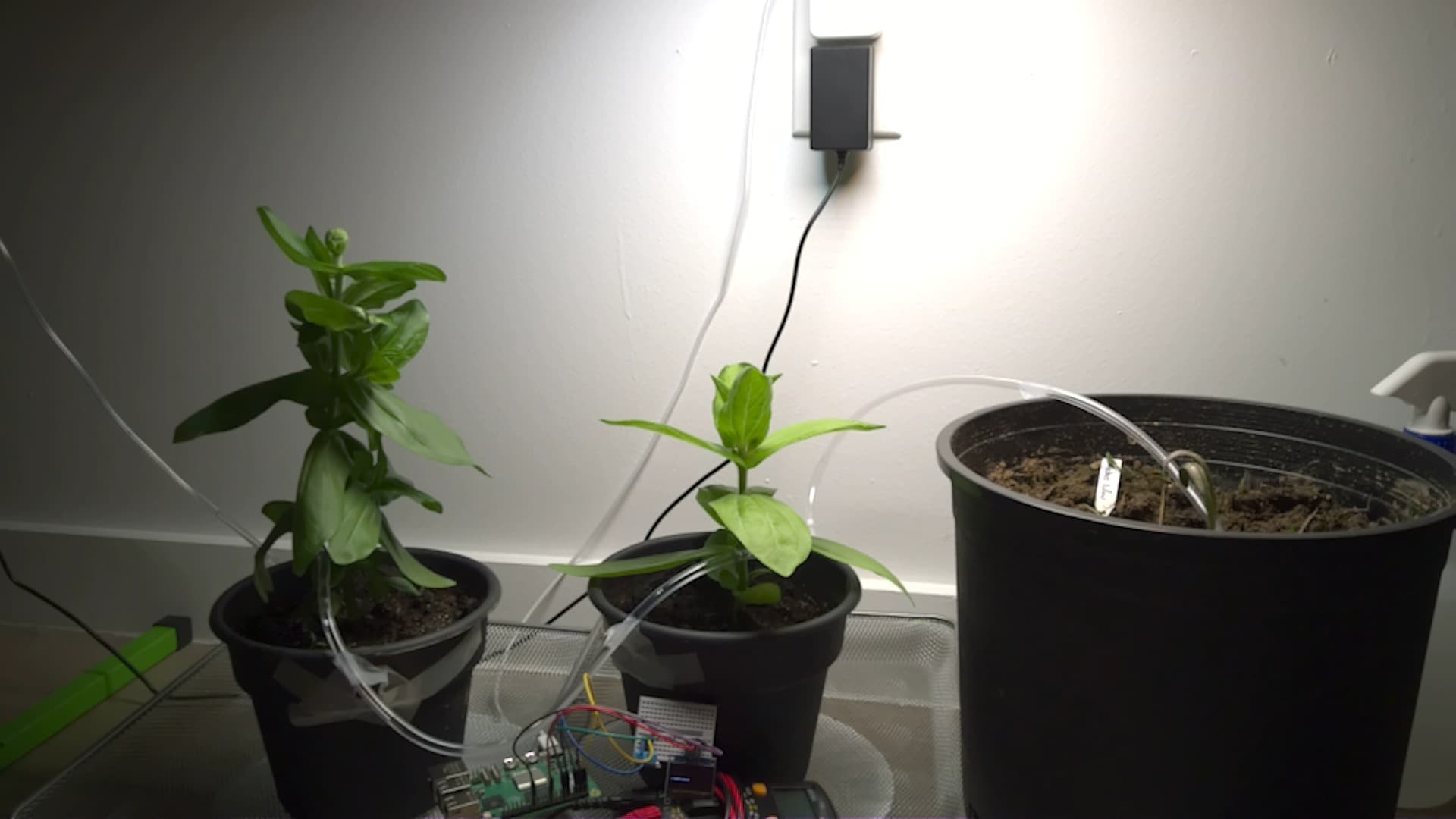
May 10 · 7:30 PM · evening
watered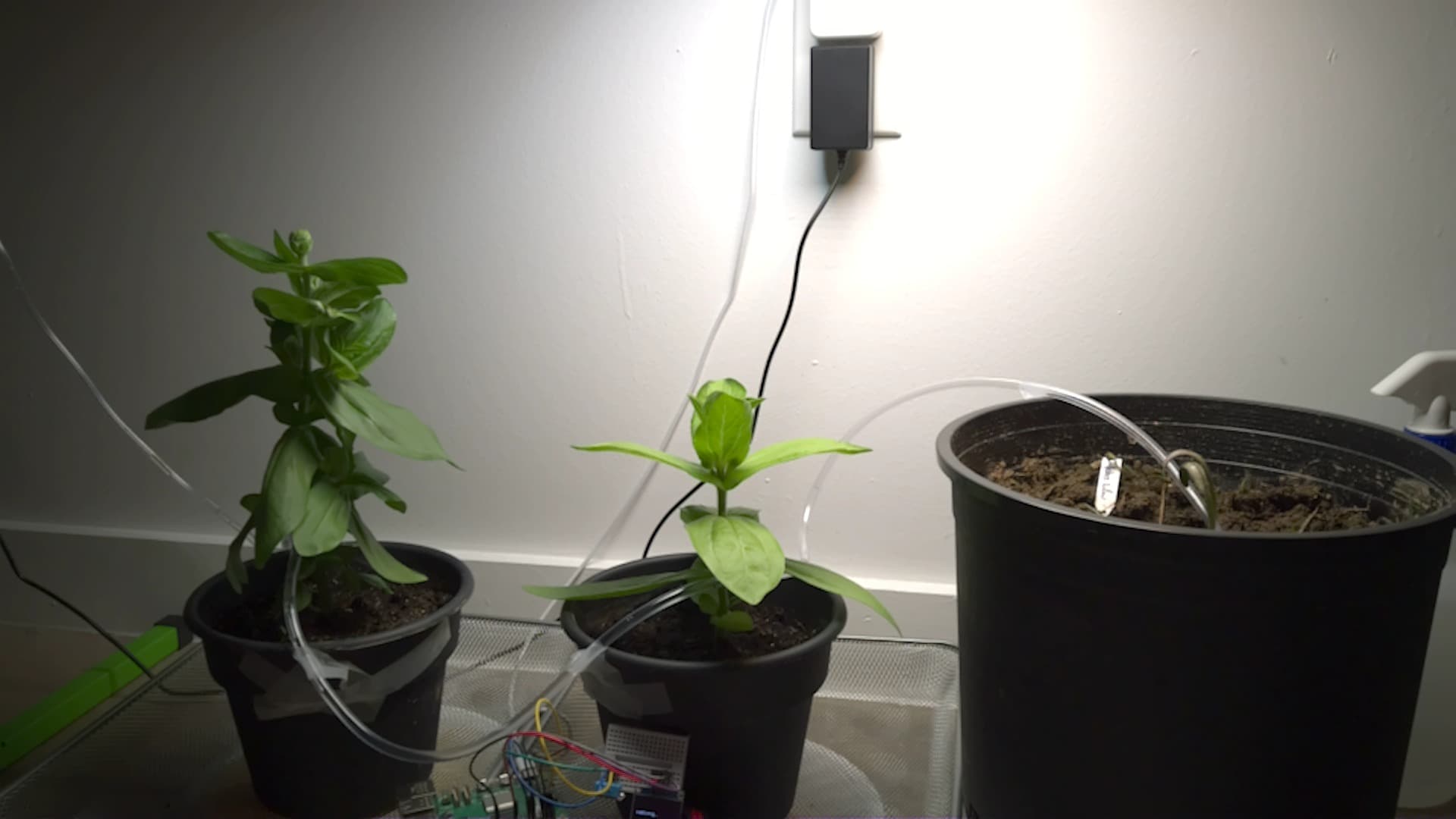
May 10 · 4:30 PM · afternoon
watered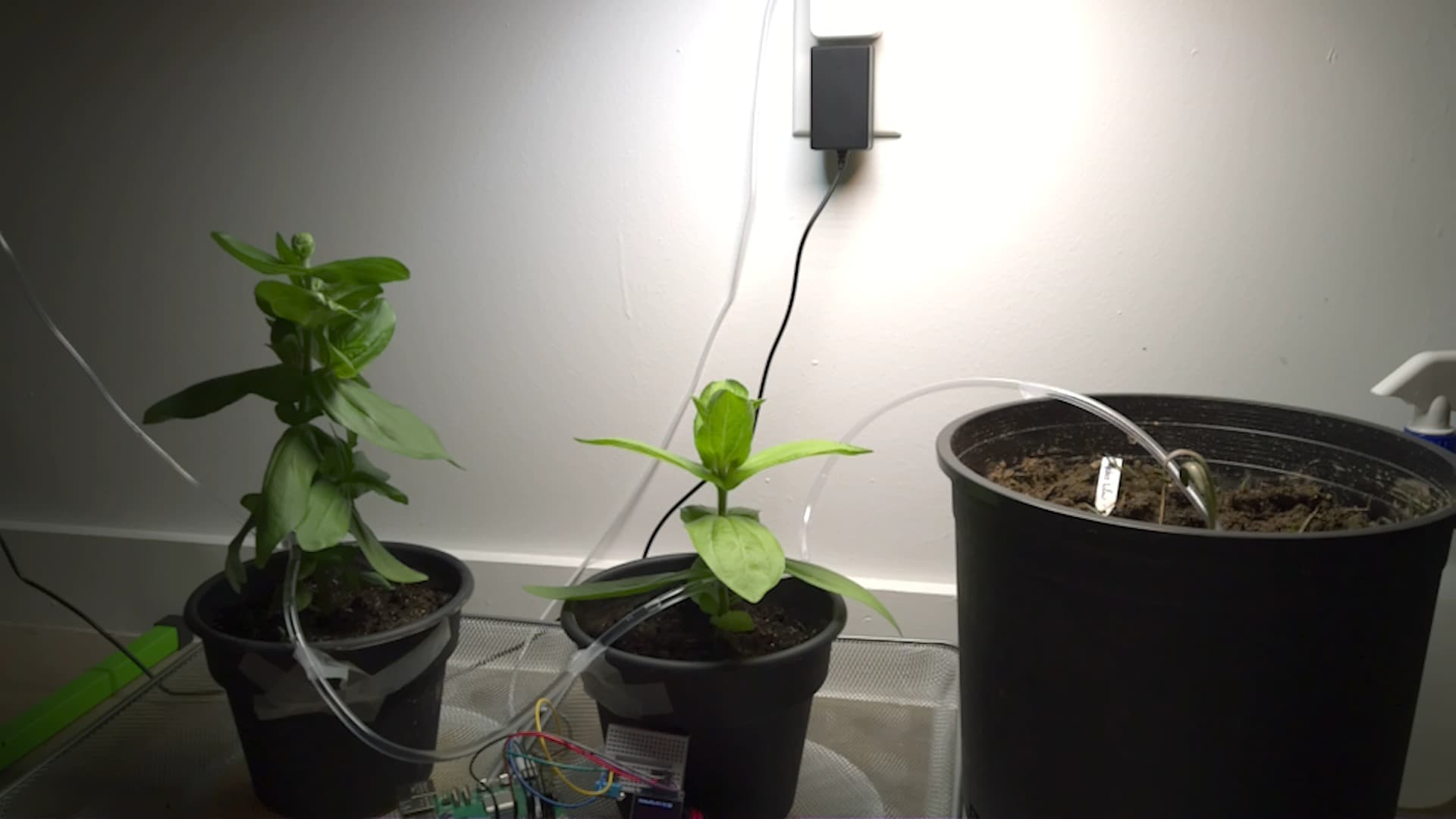
May 10 · 1:30 PM · midday
watered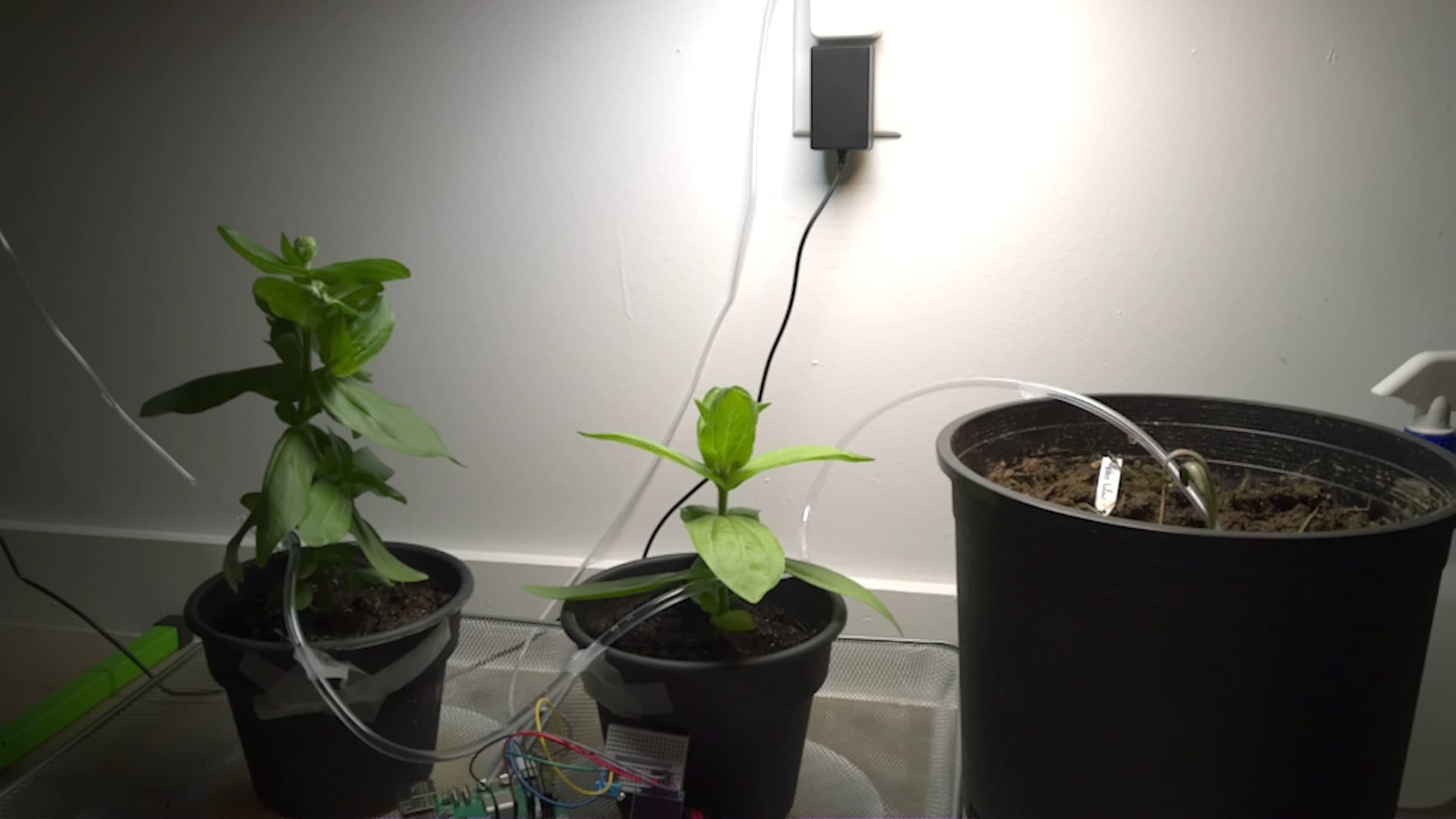
May 10 · 10:30 AM · late_morning
watered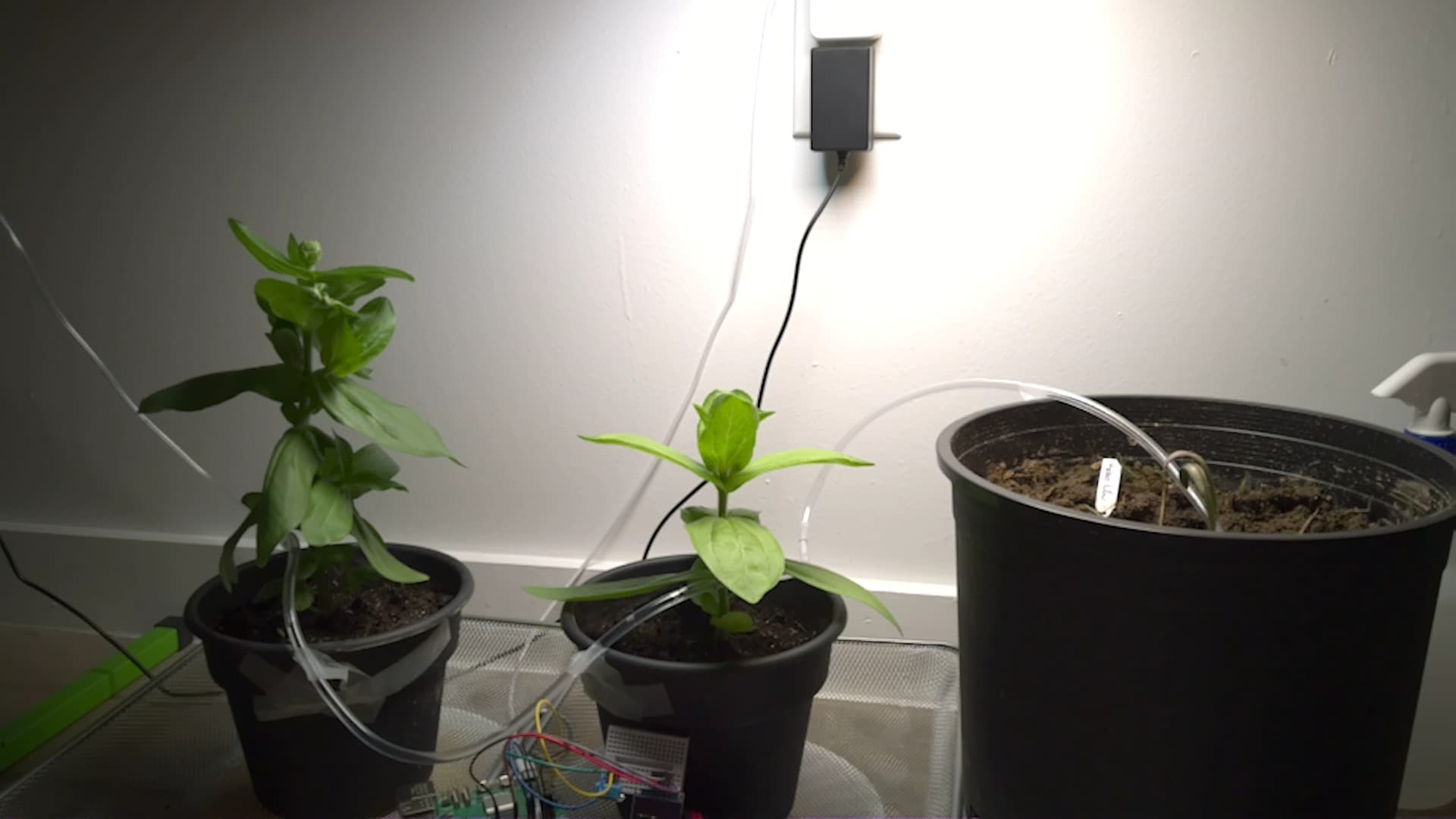
May 10 · 7:30 AM · morning
watered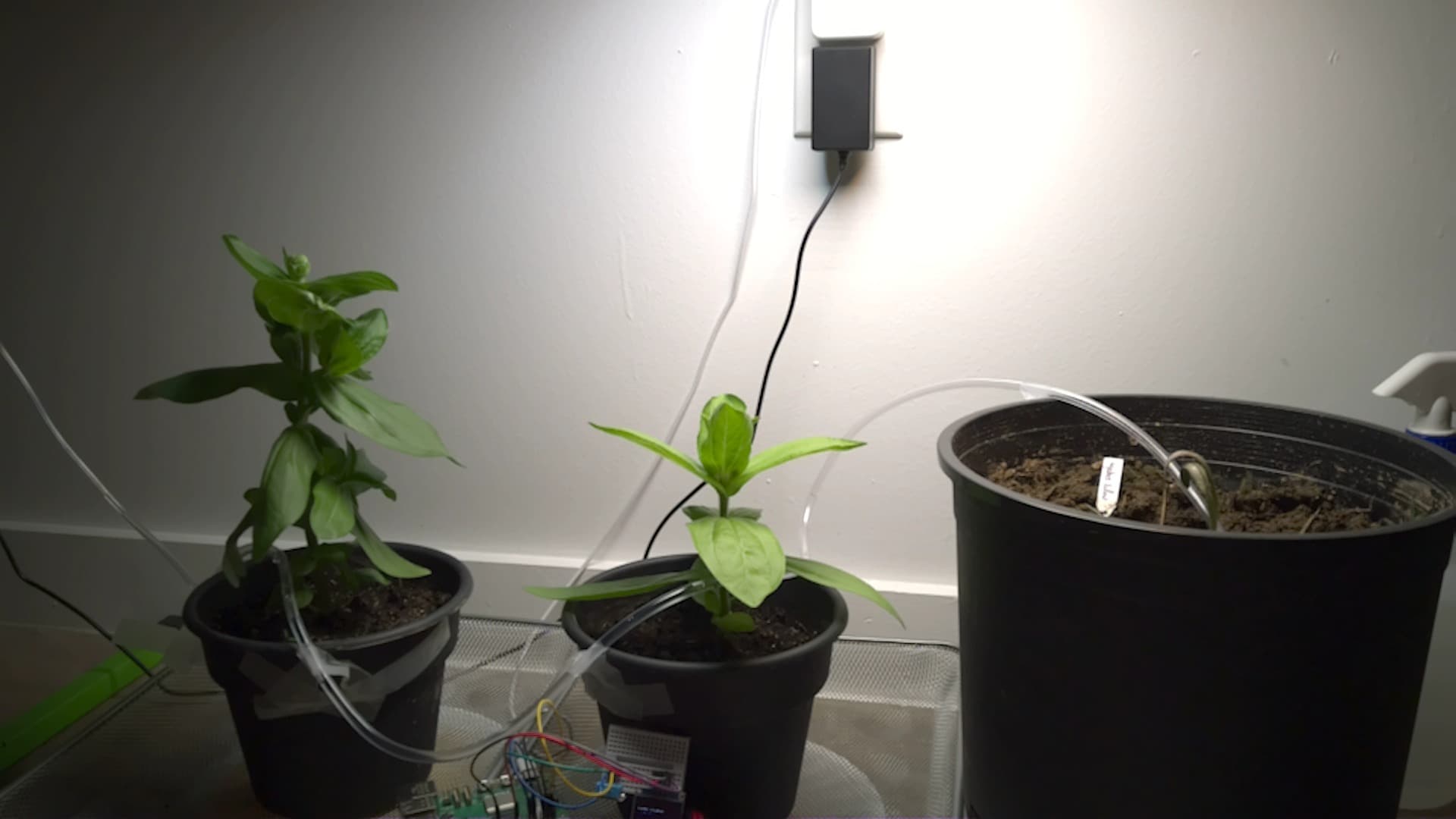
May 9 · 7:30 PM · evening
watered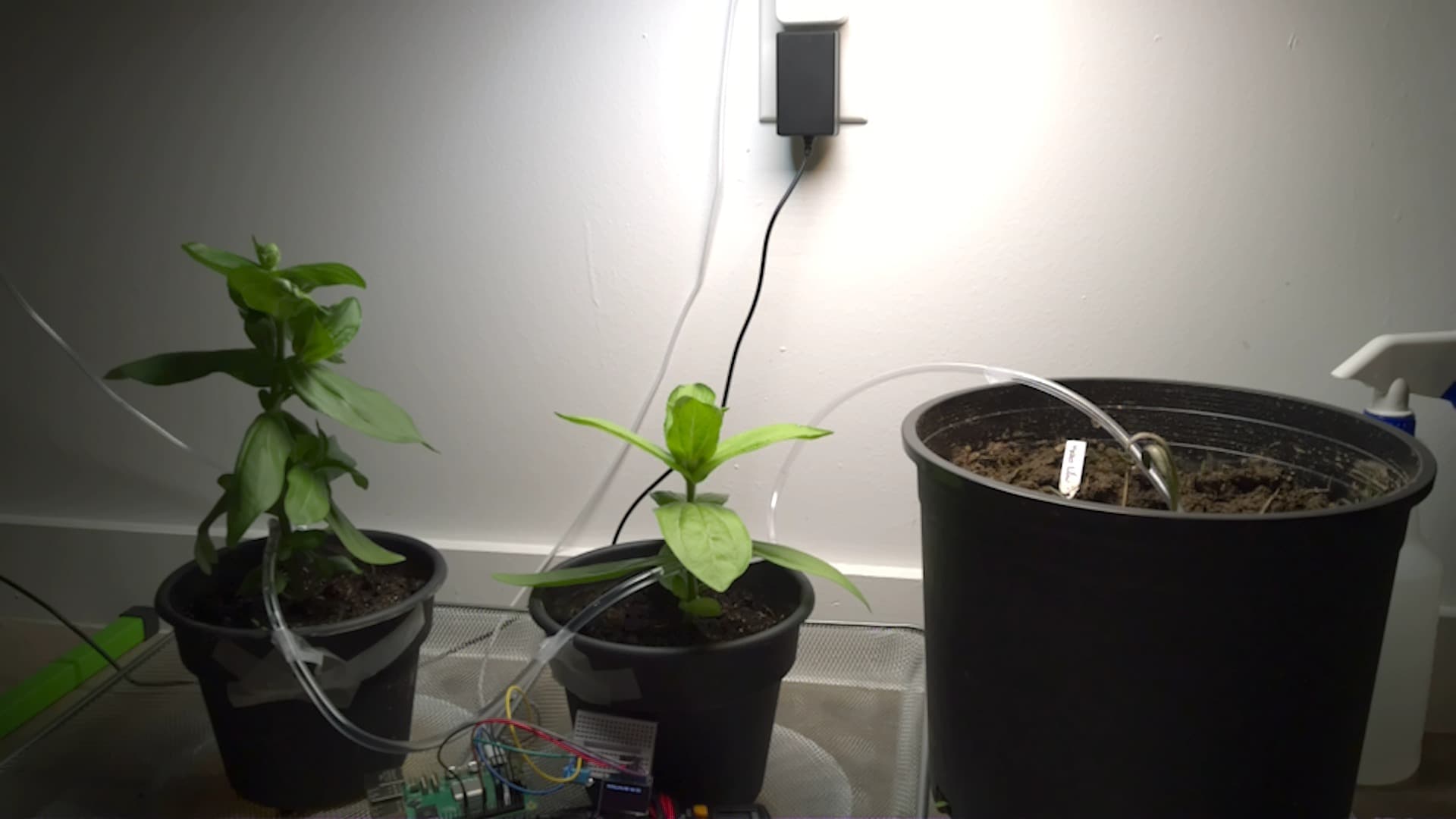
May 9 · 4:30 PM · afternoon
watered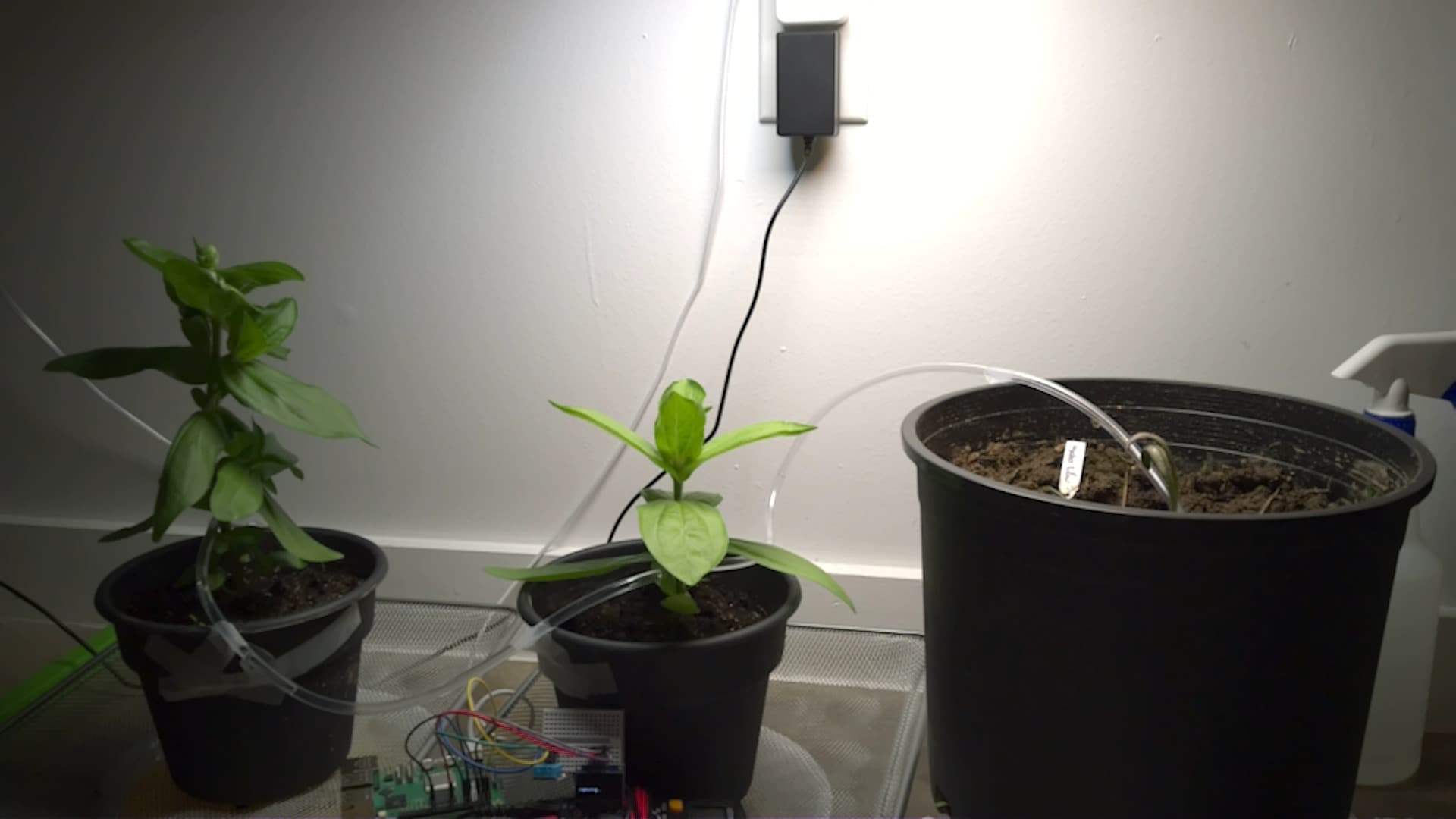
May 9 · 1:30 PM · midday
watered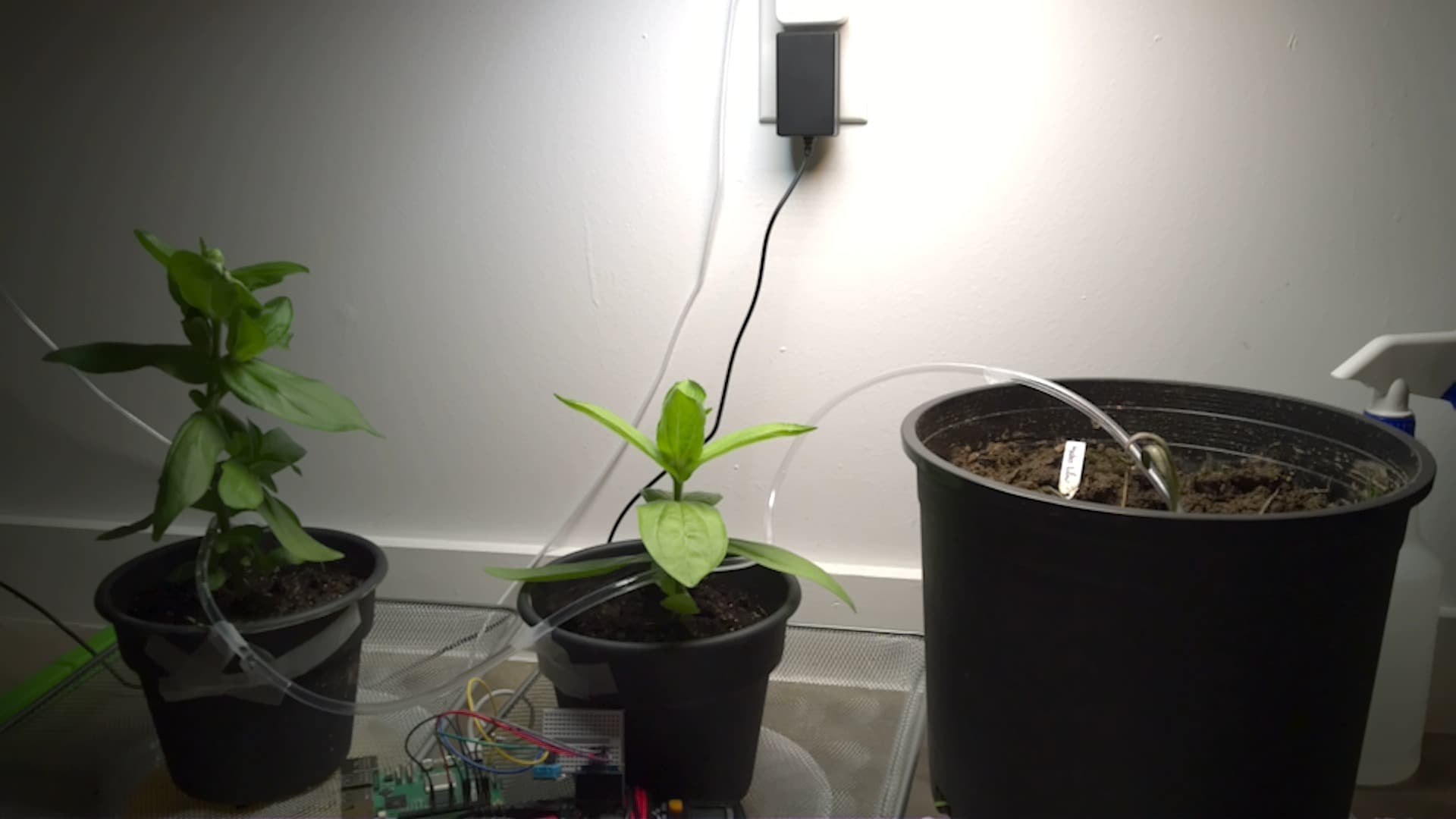
May 9 · 10:30 AM · late_morning
watered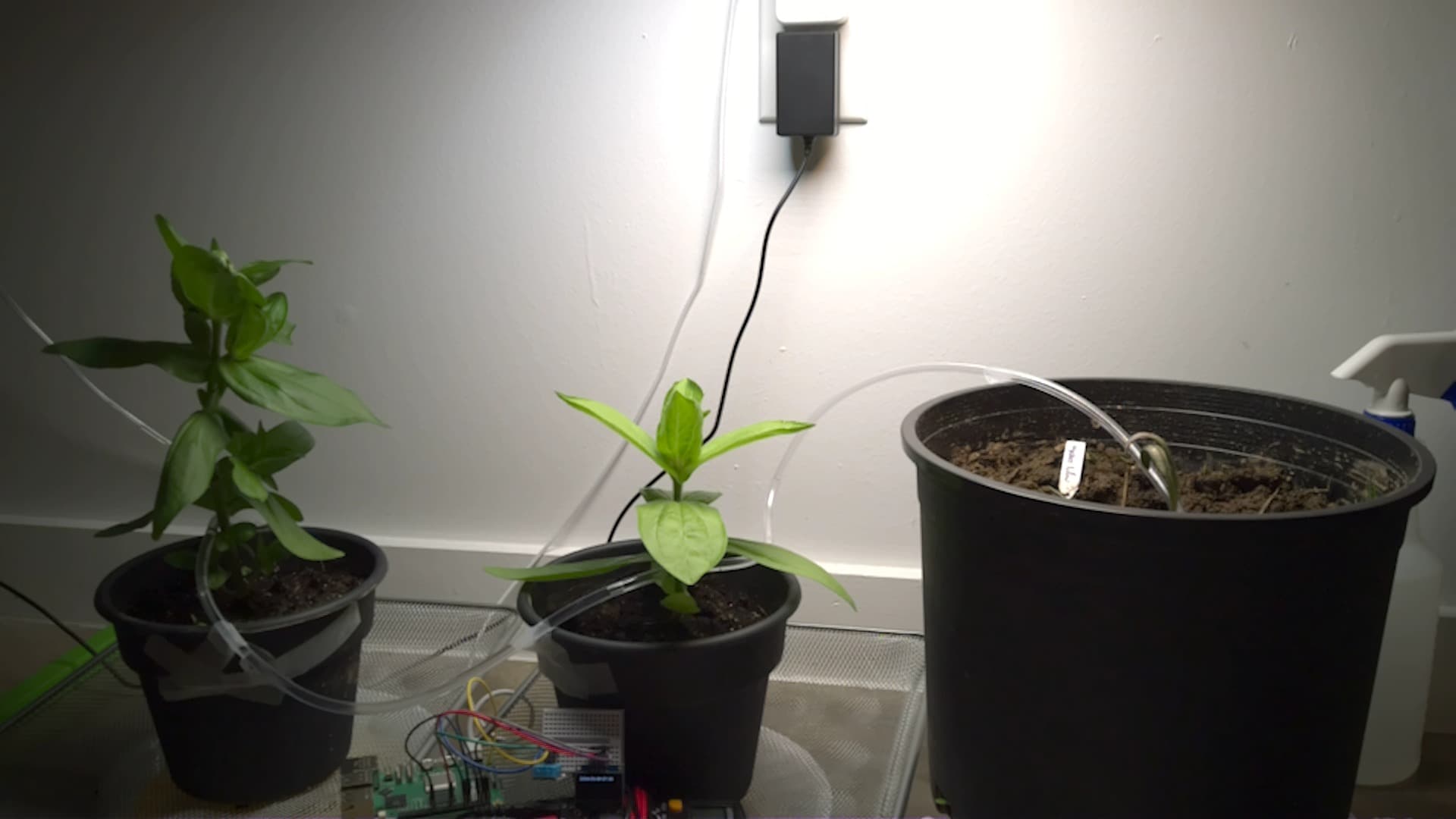
May 9 · 7:30 AM · morning
watered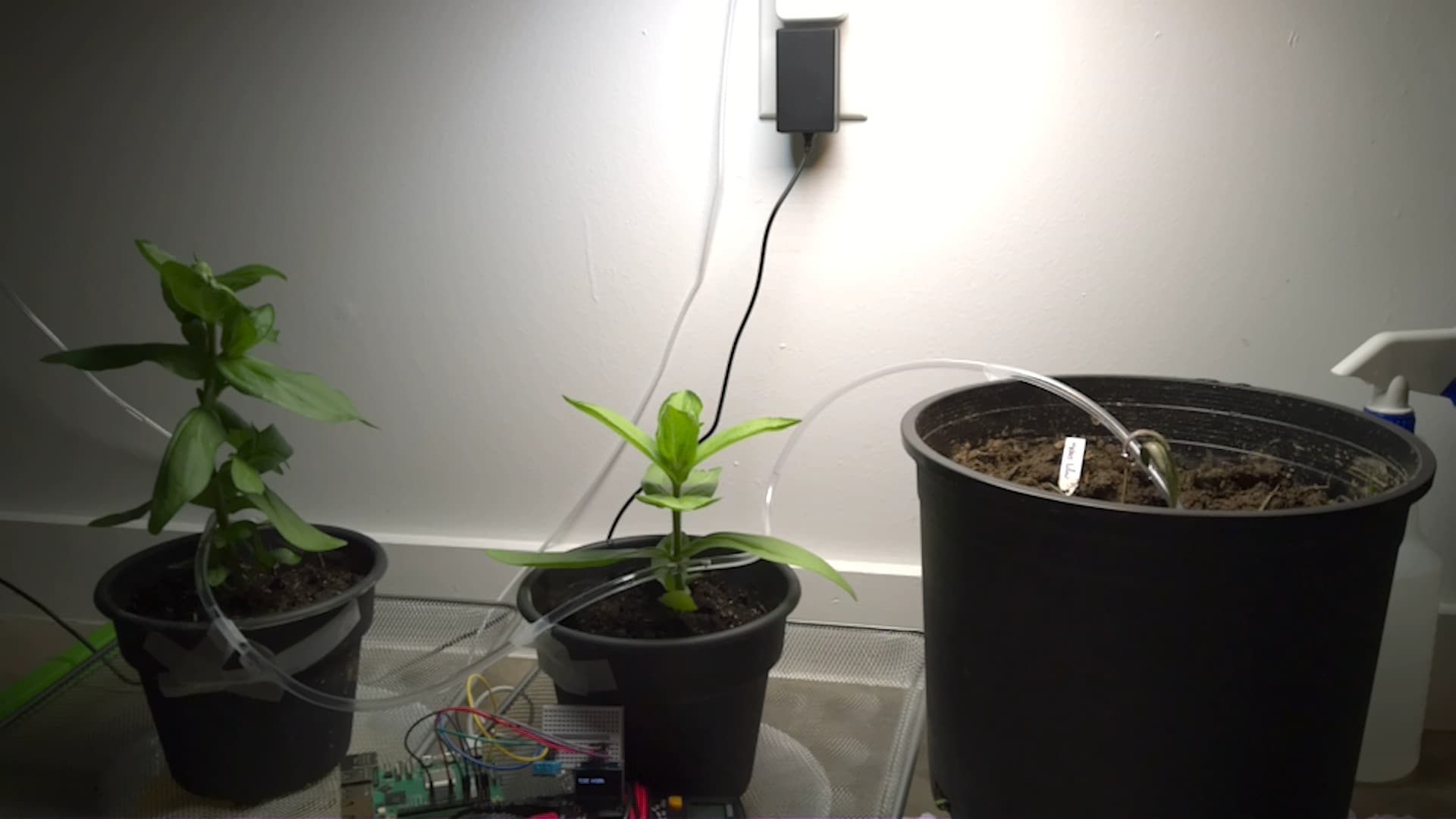
May 8 · 7:30 PM · evening
watered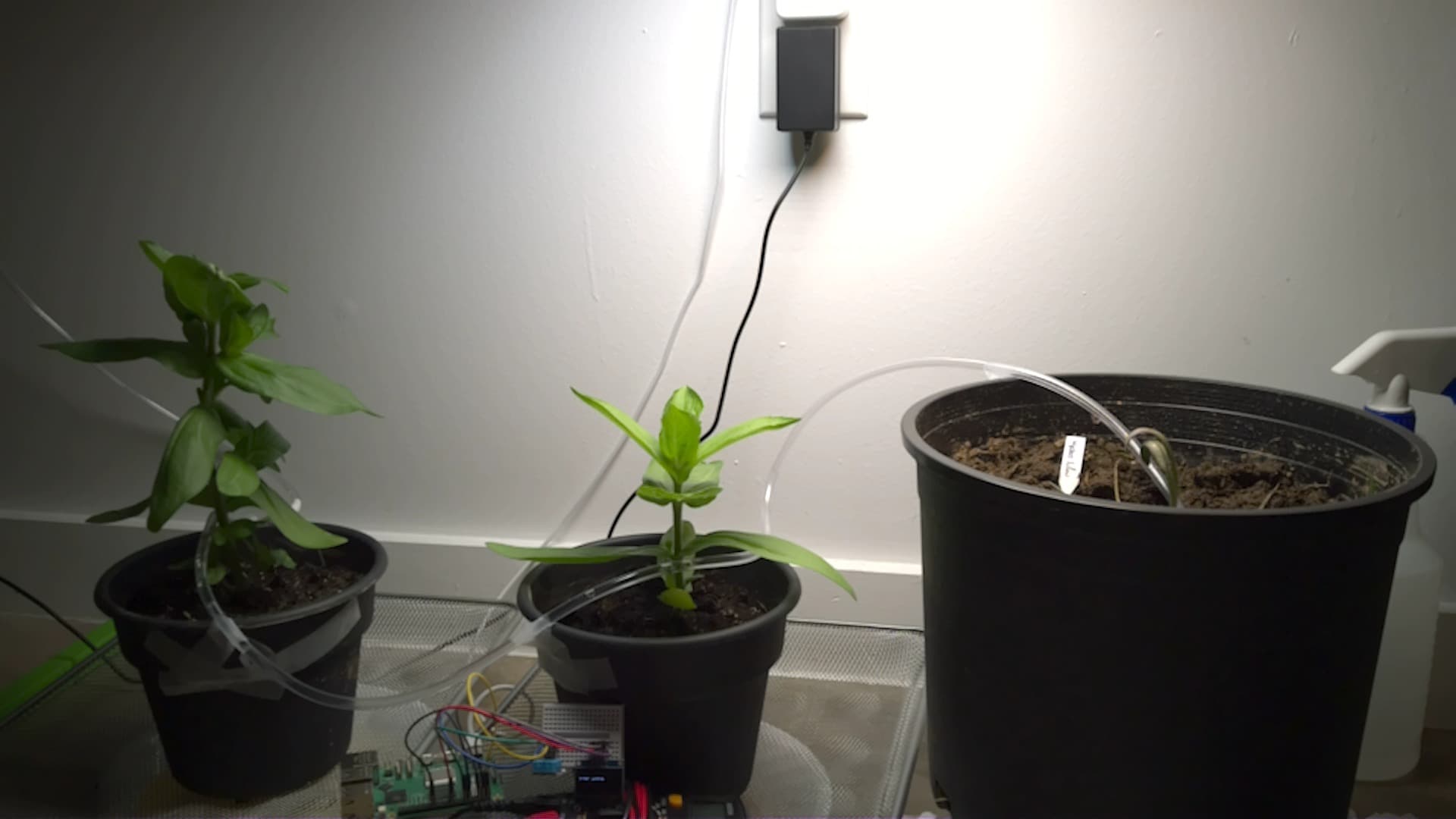
May 8 · 1:30 PM · midday
watered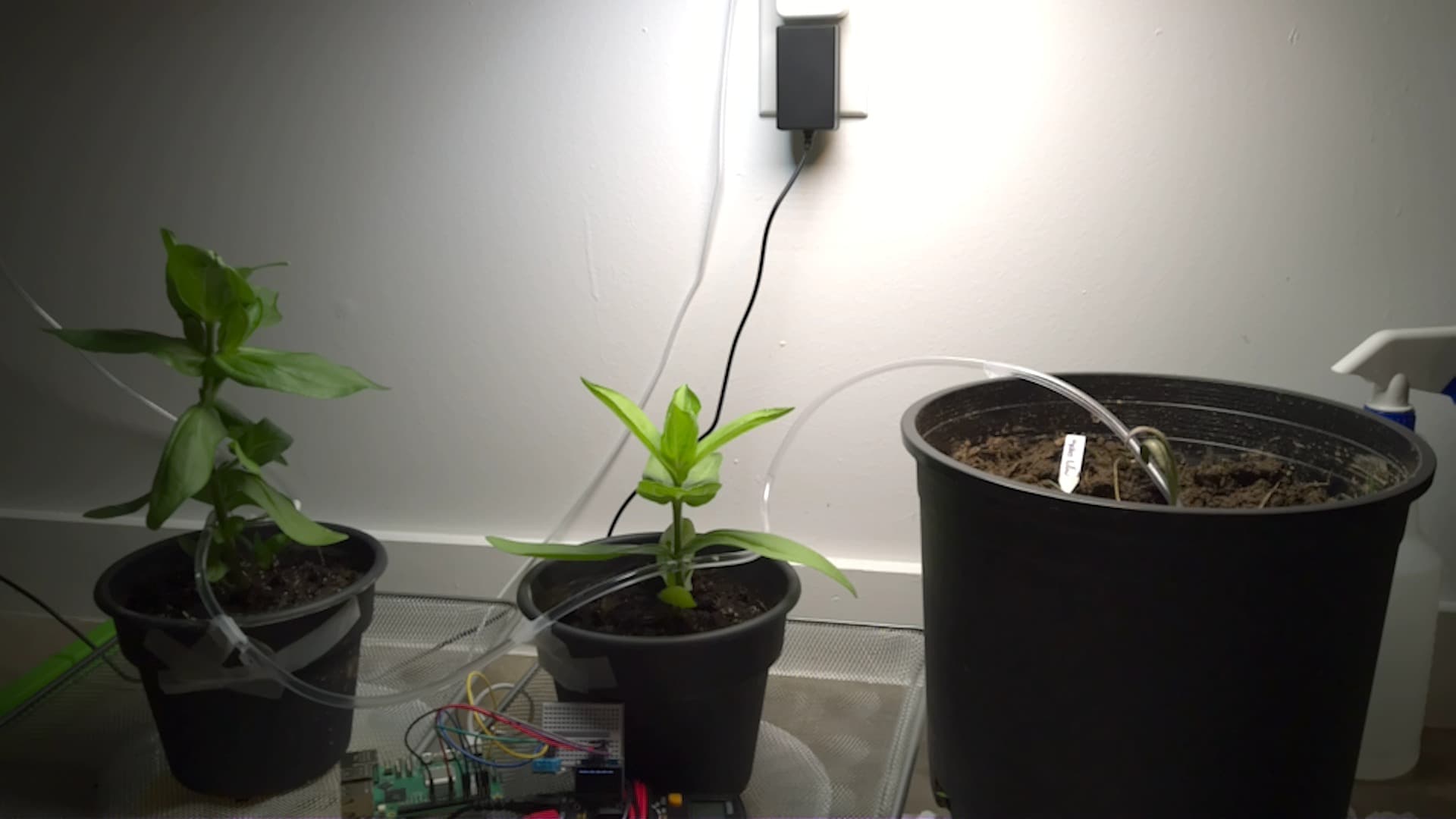
May 8 · 7:30 AM · morning
watered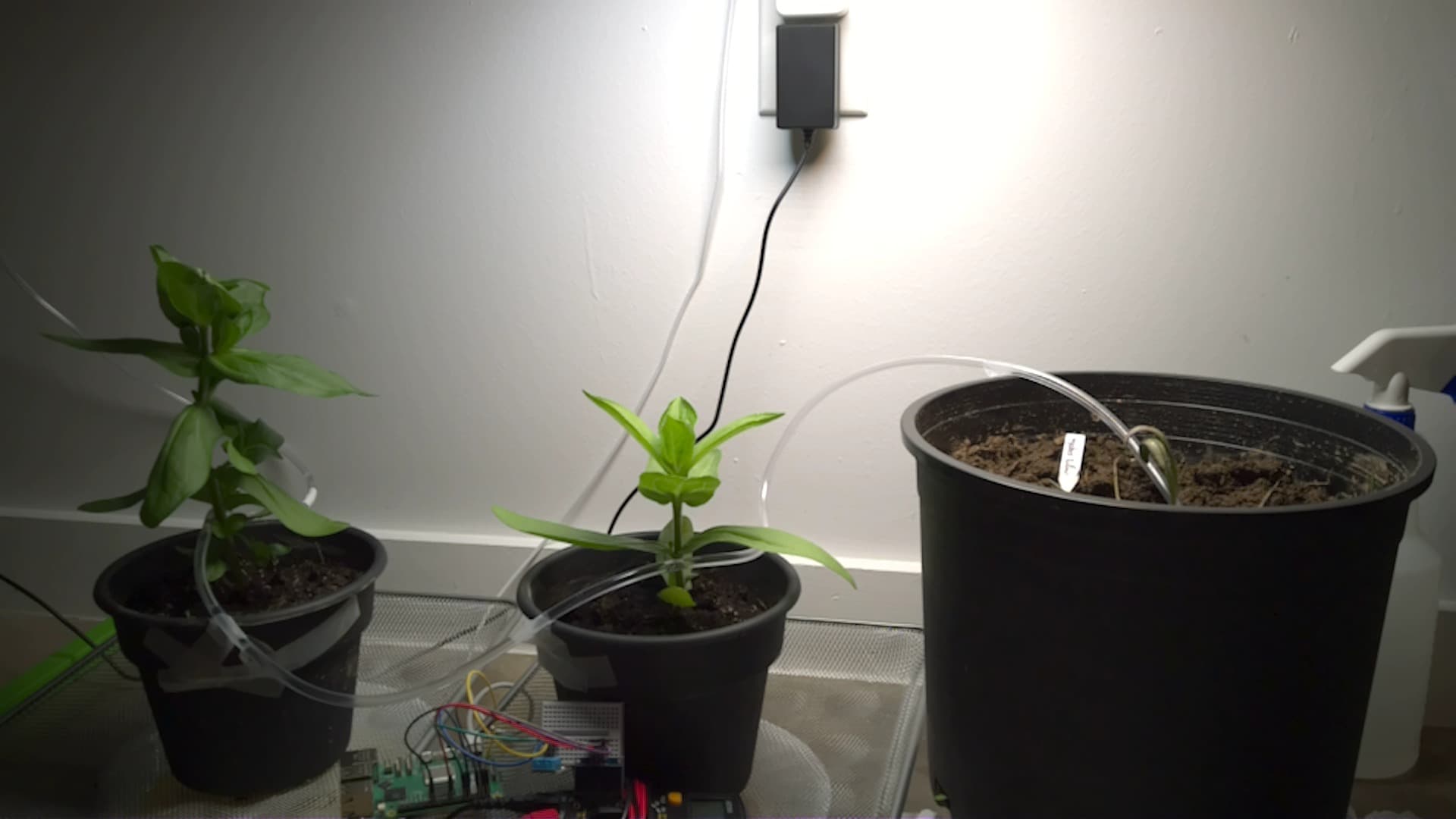
May 7 · 7:30 PM · evening
watered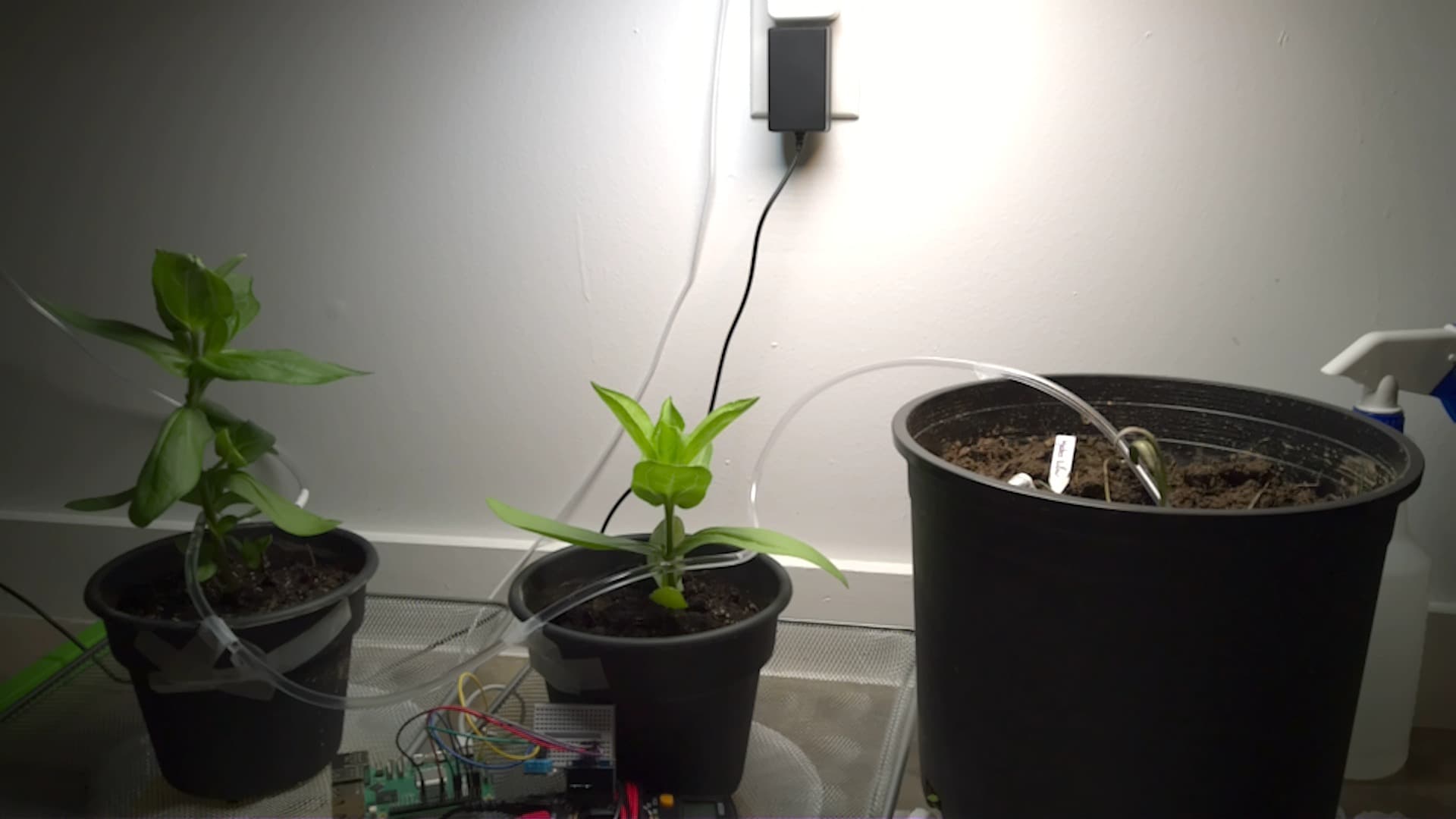
May 7 · 7:30 AM · morning
watered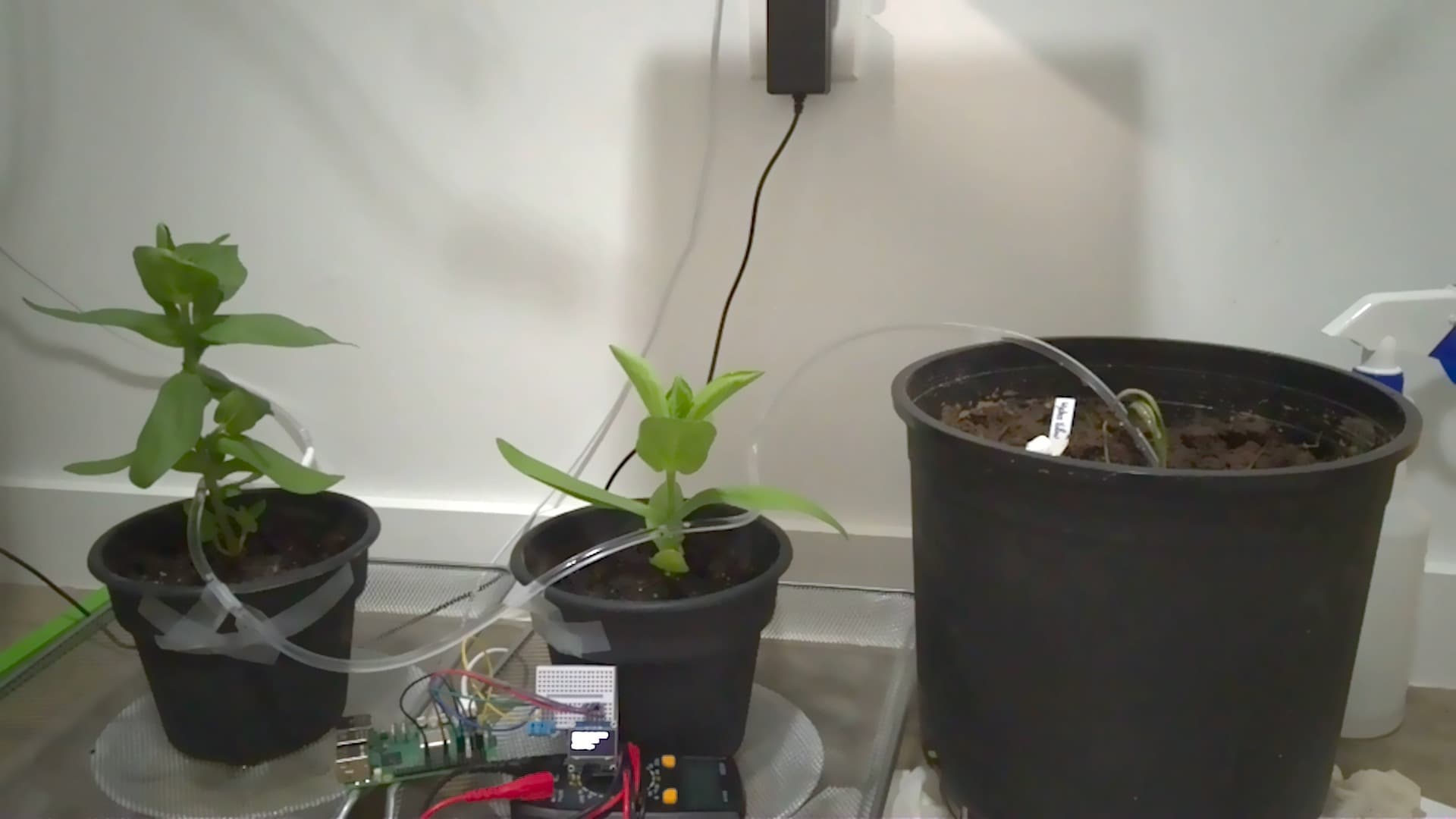
May 6 · 10:54 PM
watered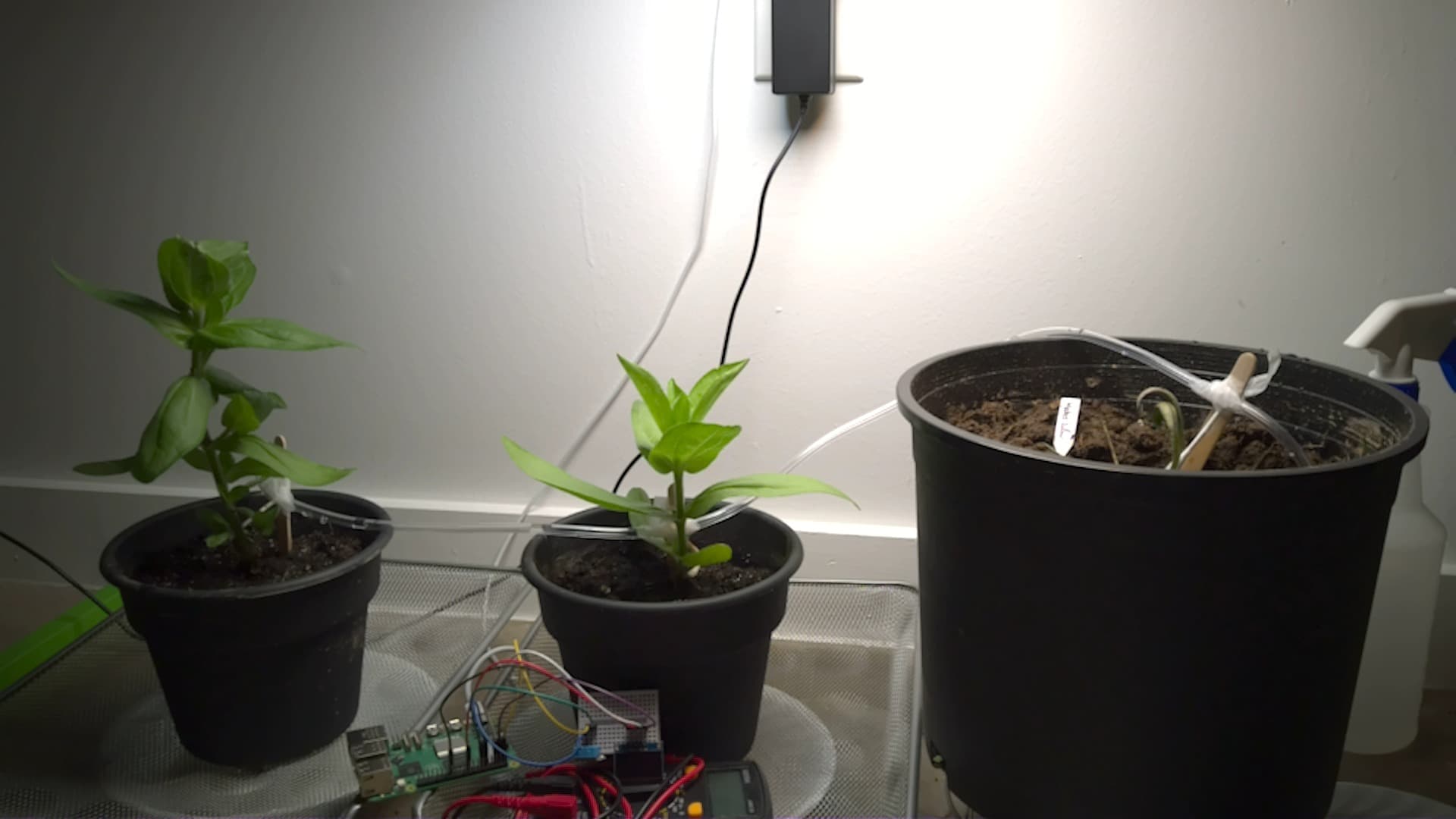
May 6 · 7:30 AM · morning
flagged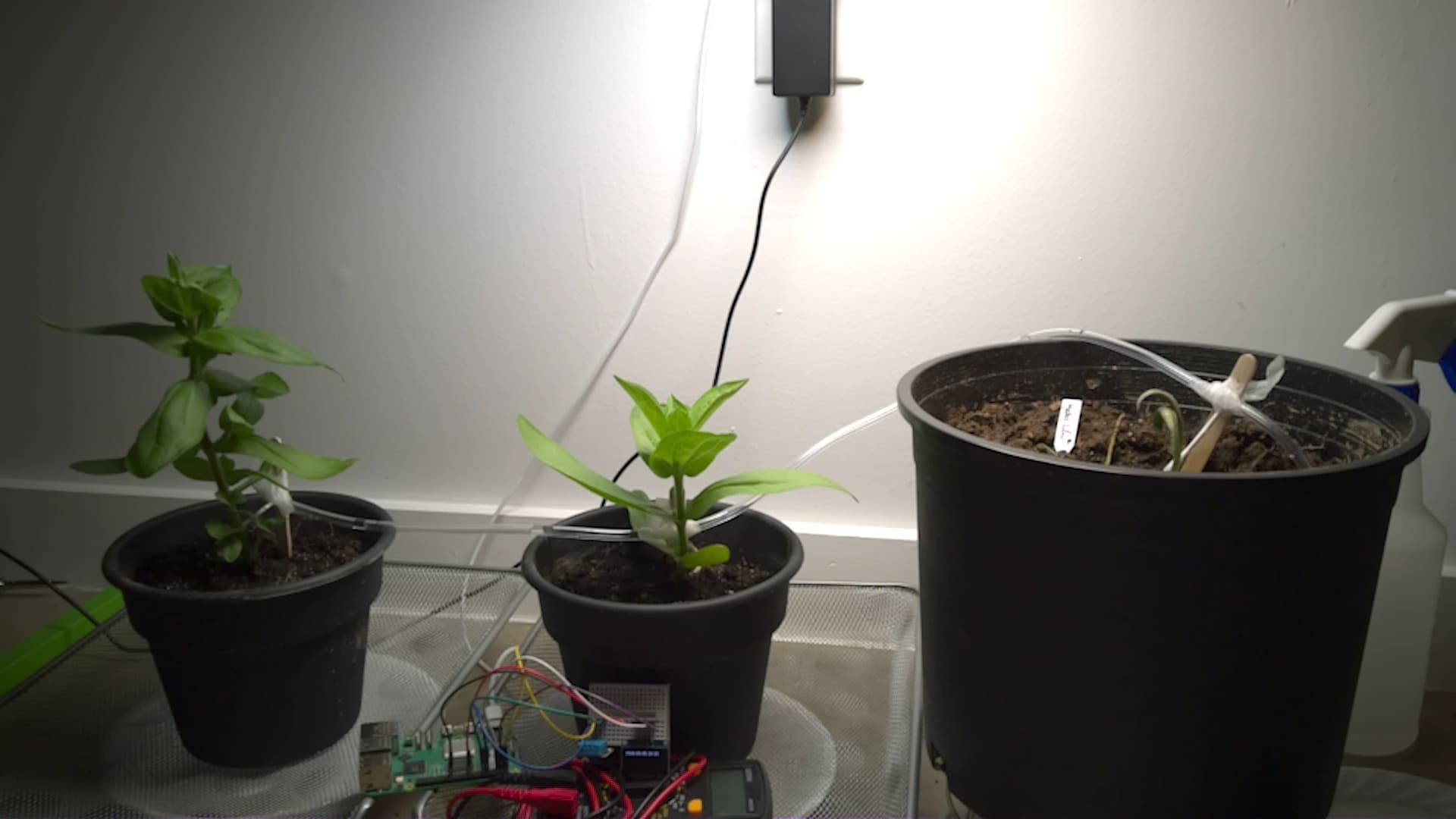
May 5 · 7:30 PM · evening
flagged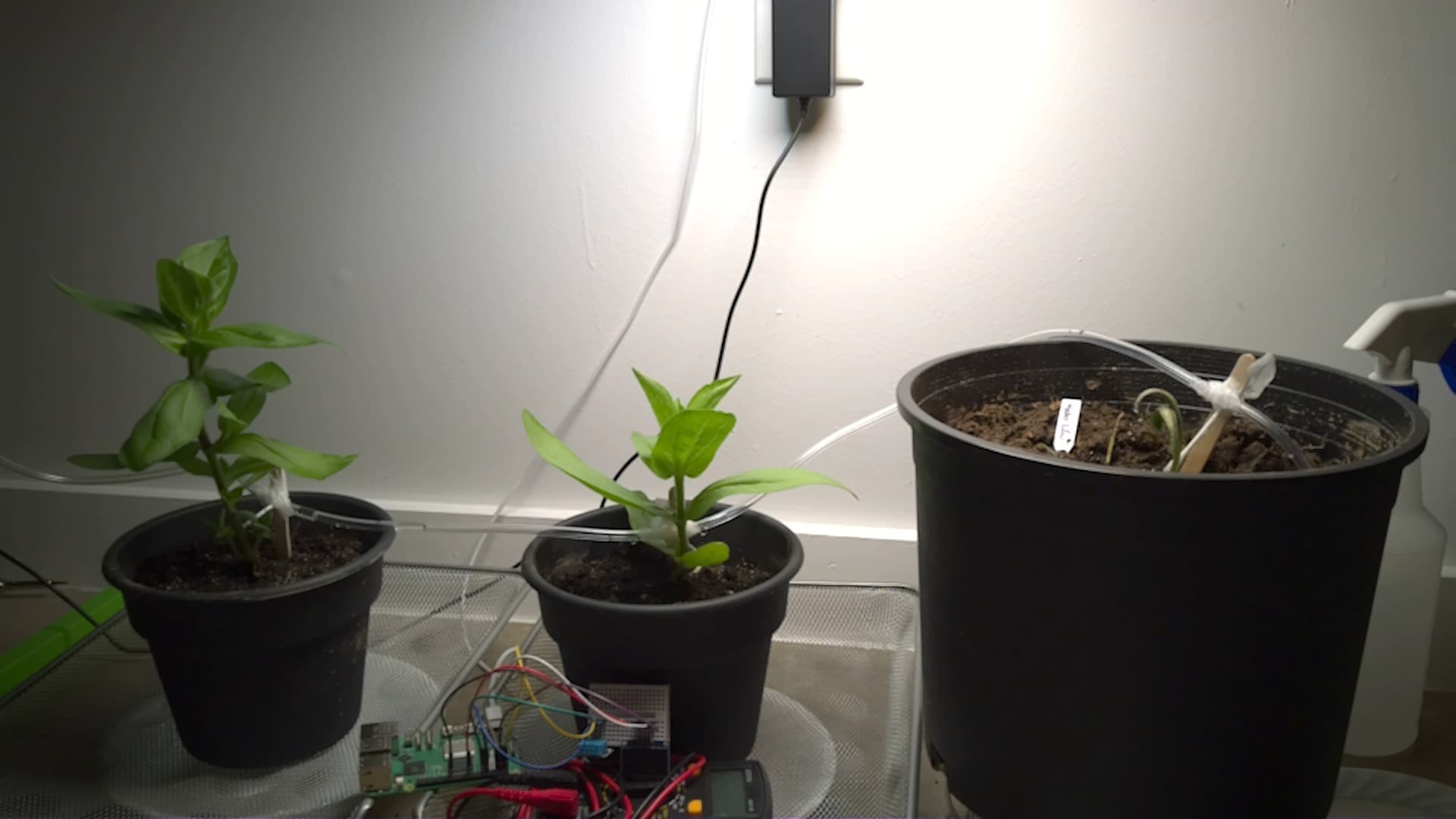
May 5 · 7:30 AM · morning
flagged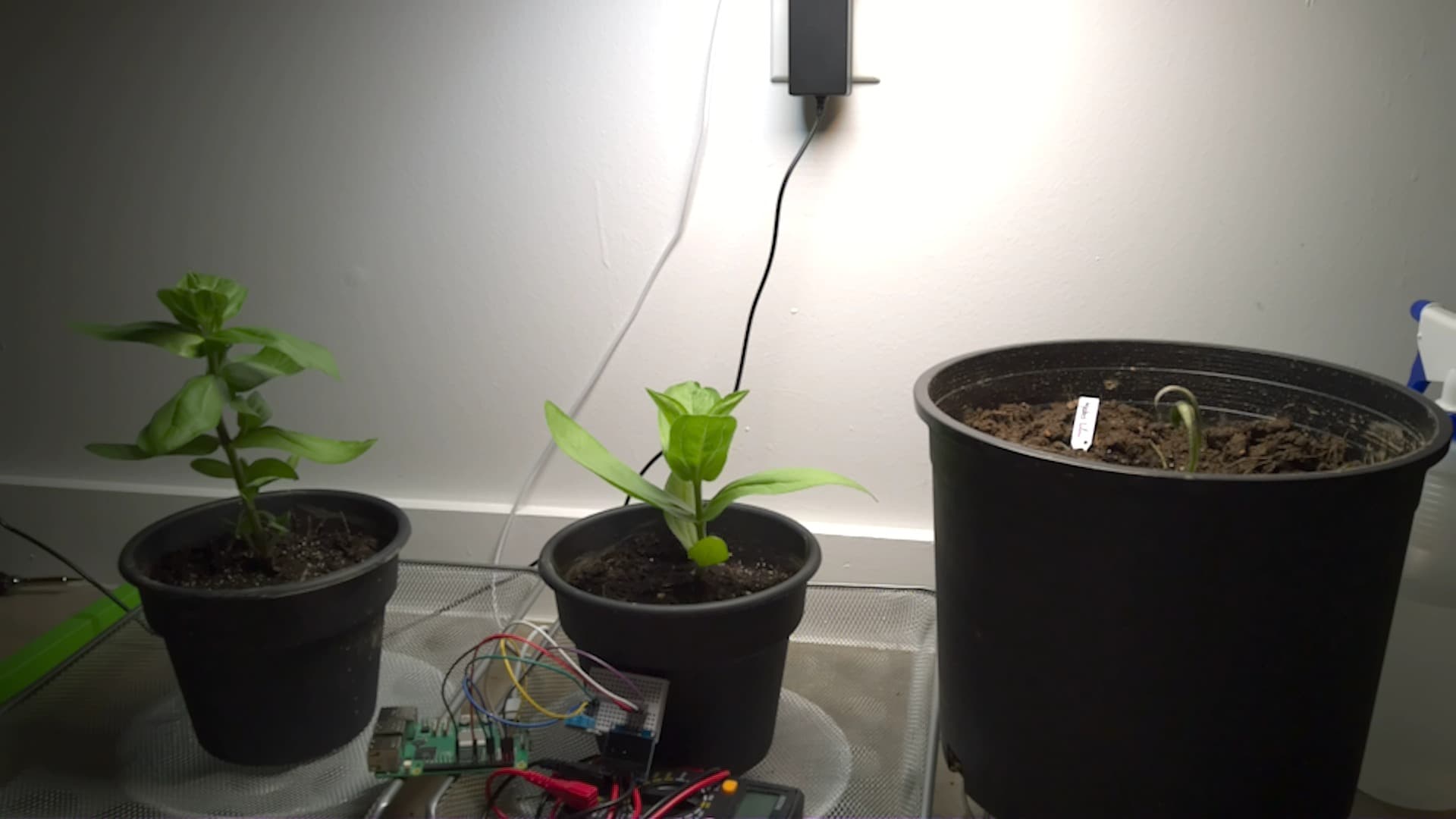
May 4 · 7:30 PM · evening
flagged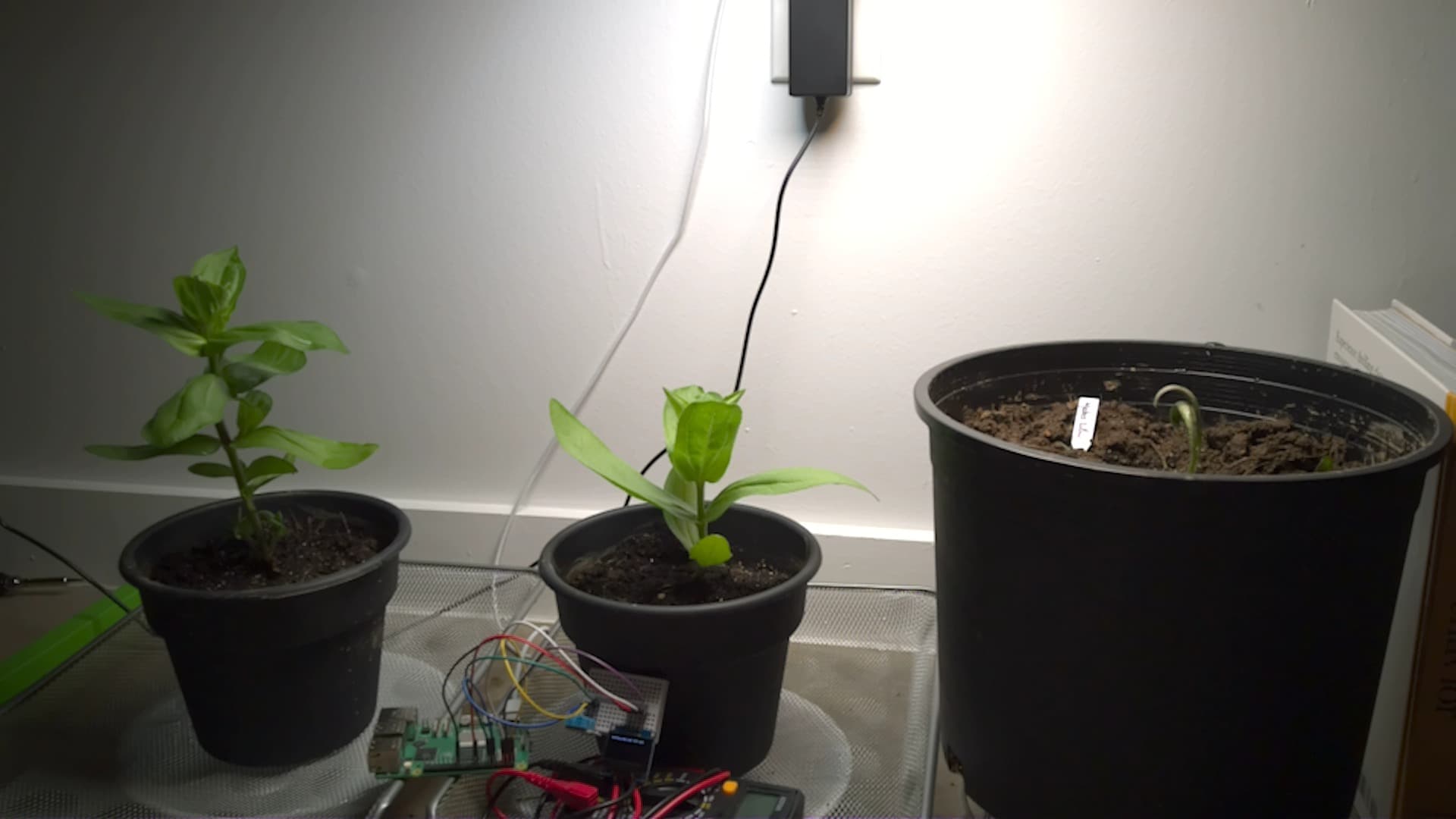
May 4 · 7:30 AM · morning
flagged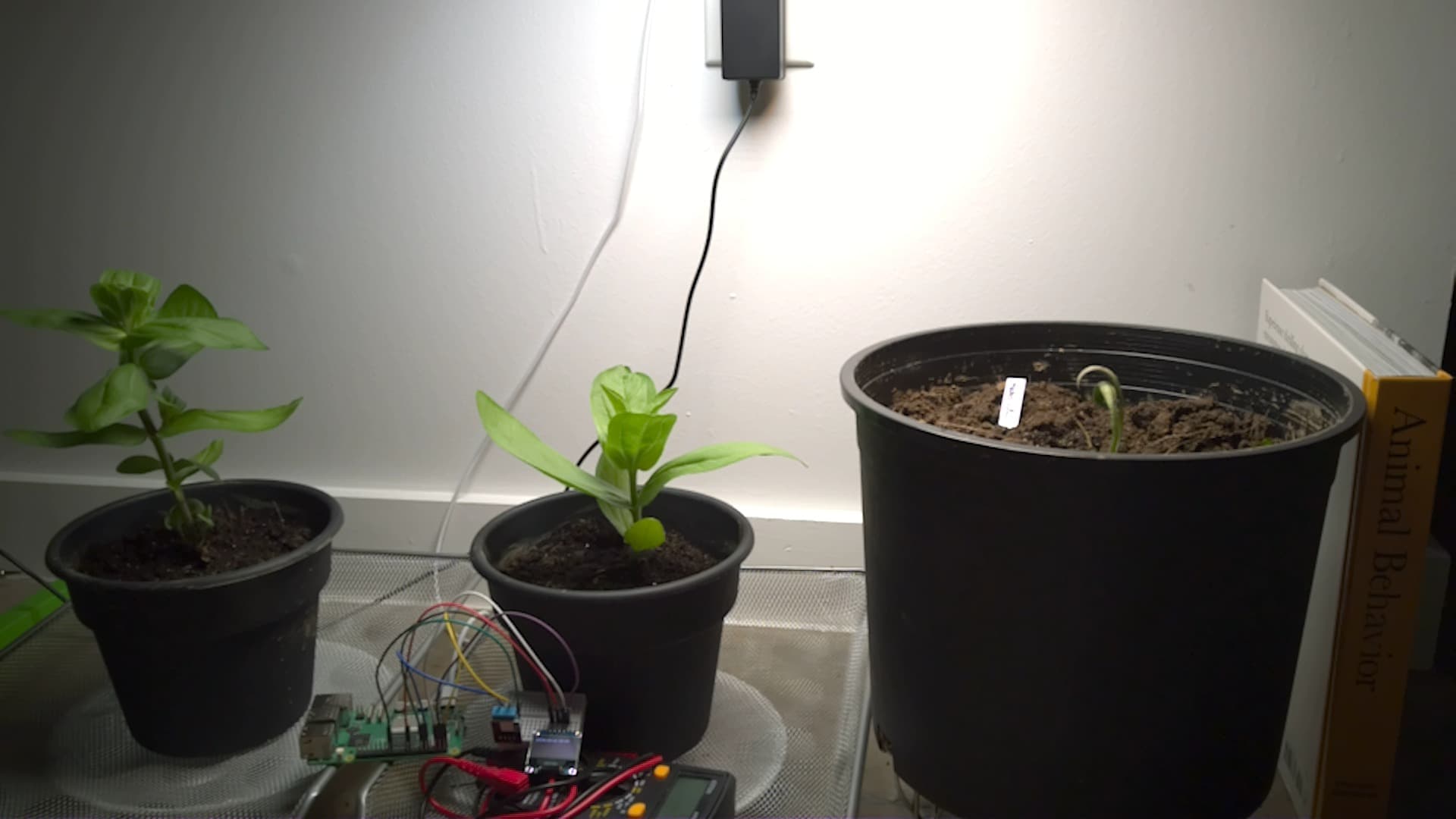
May 3 · 7:30 PM · evening
flagged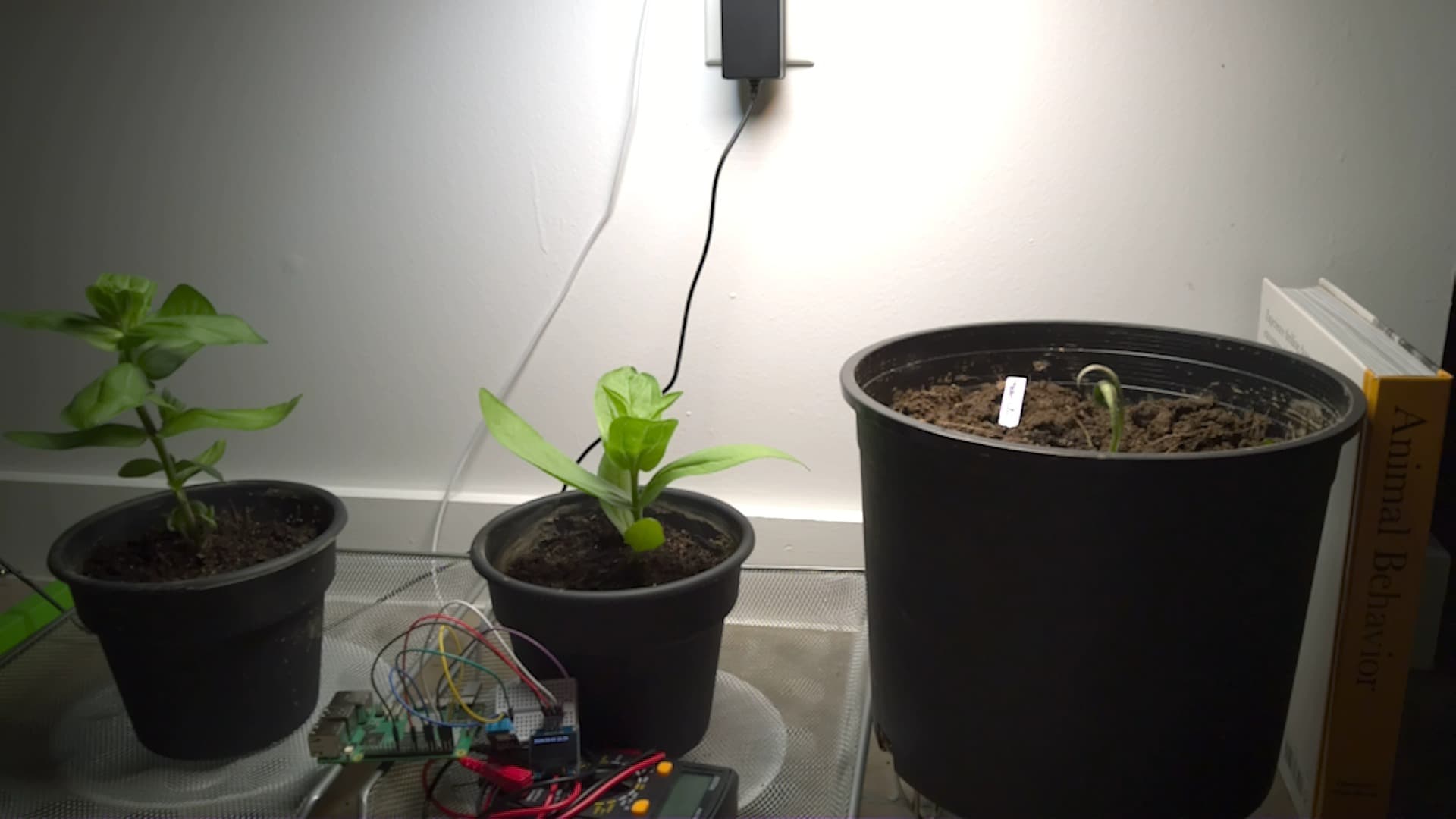
May 3 · 6:28 PM
flagged
May 3 · 5:59 PM
flagged
May 3 · 5:31 PM
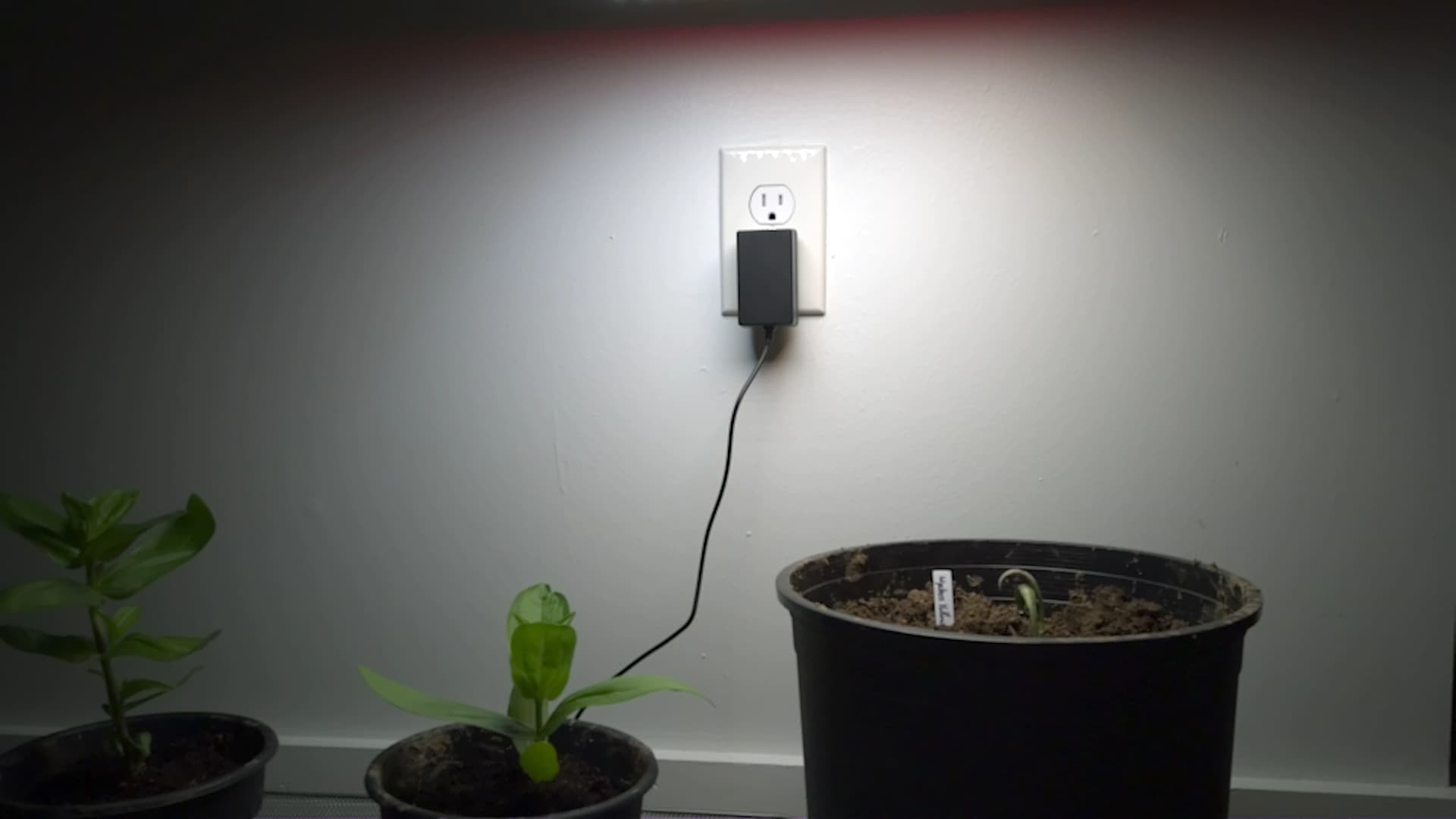
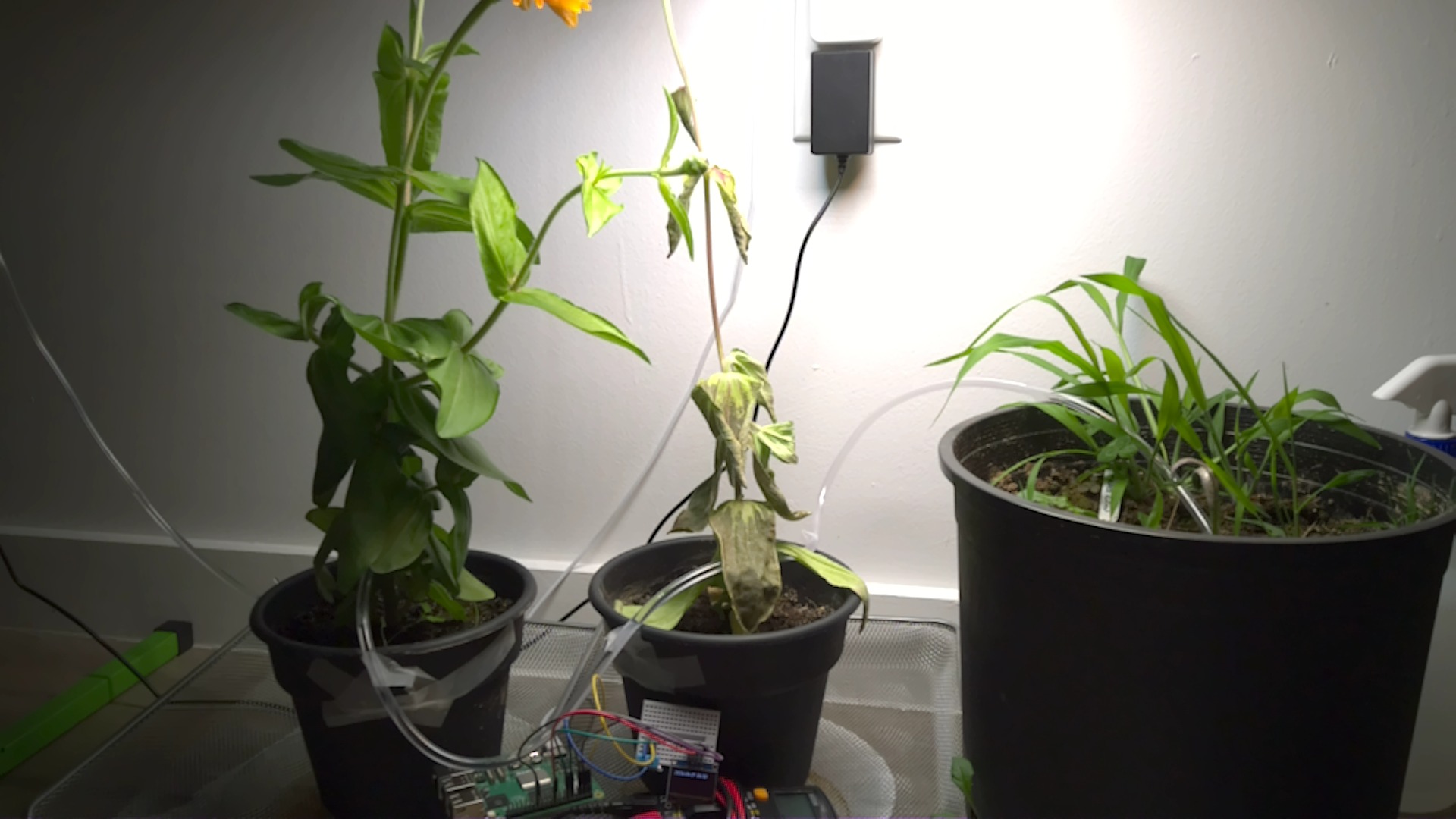
May 3 · 10:02 AM
flagged
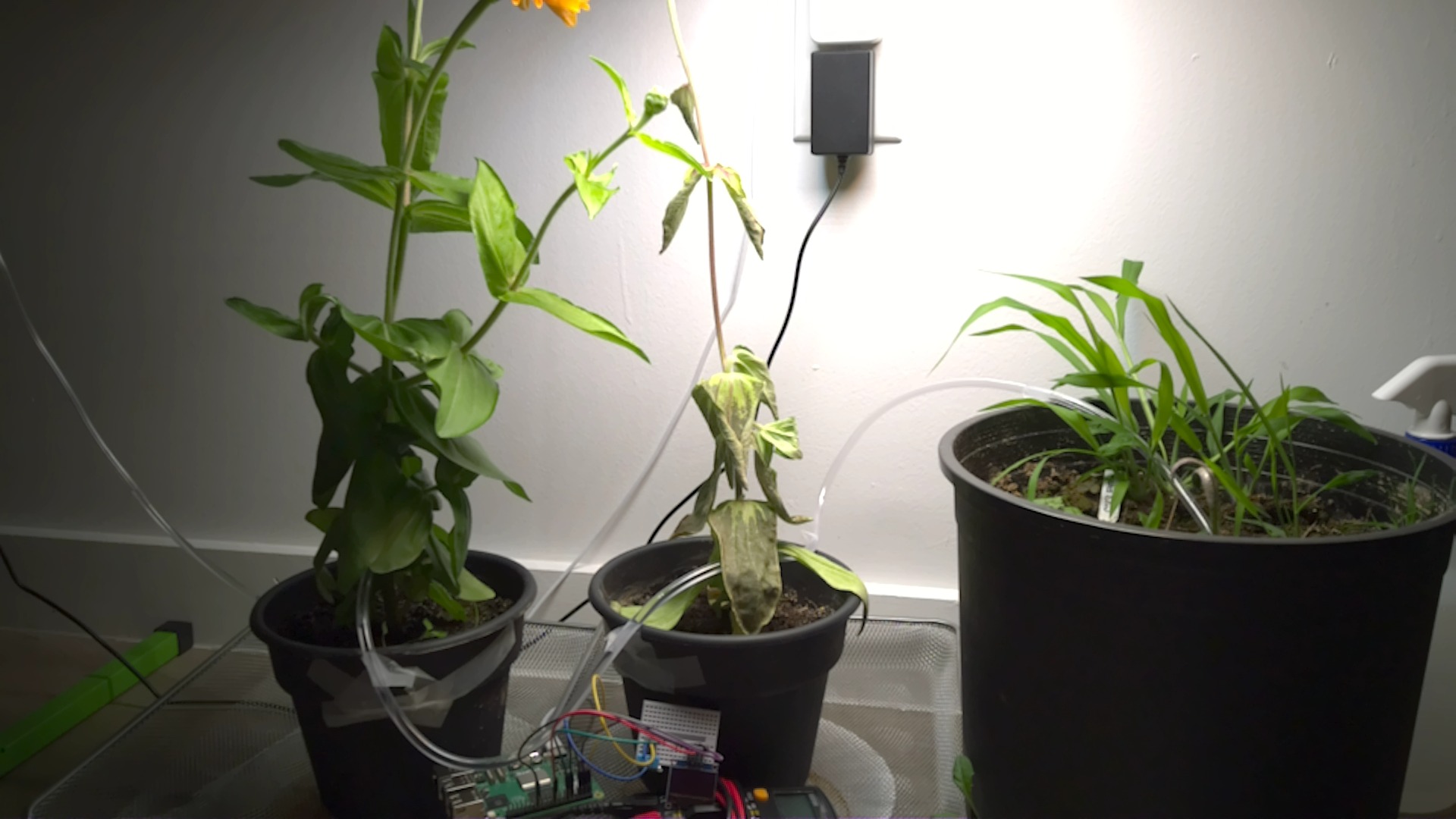
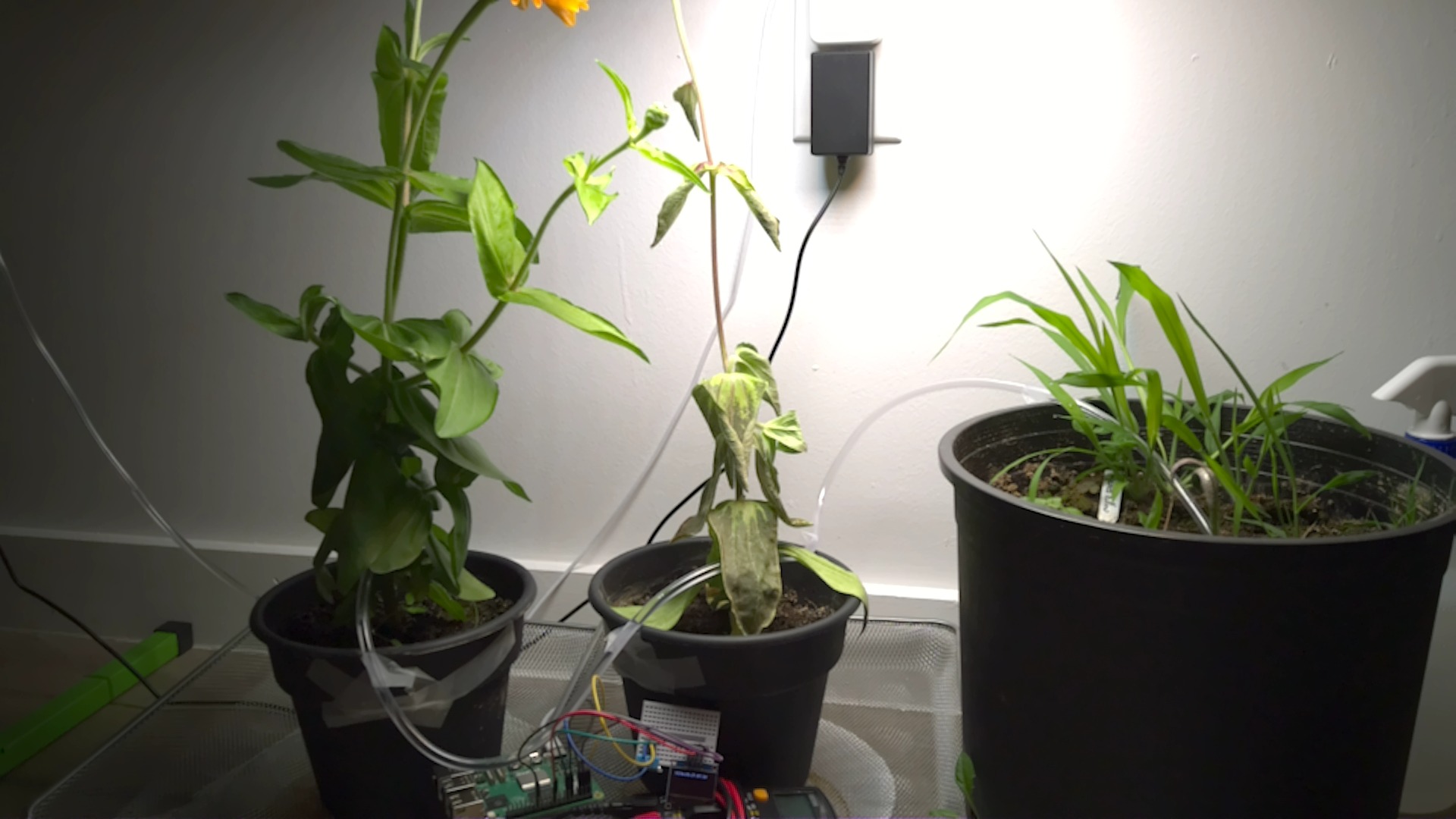
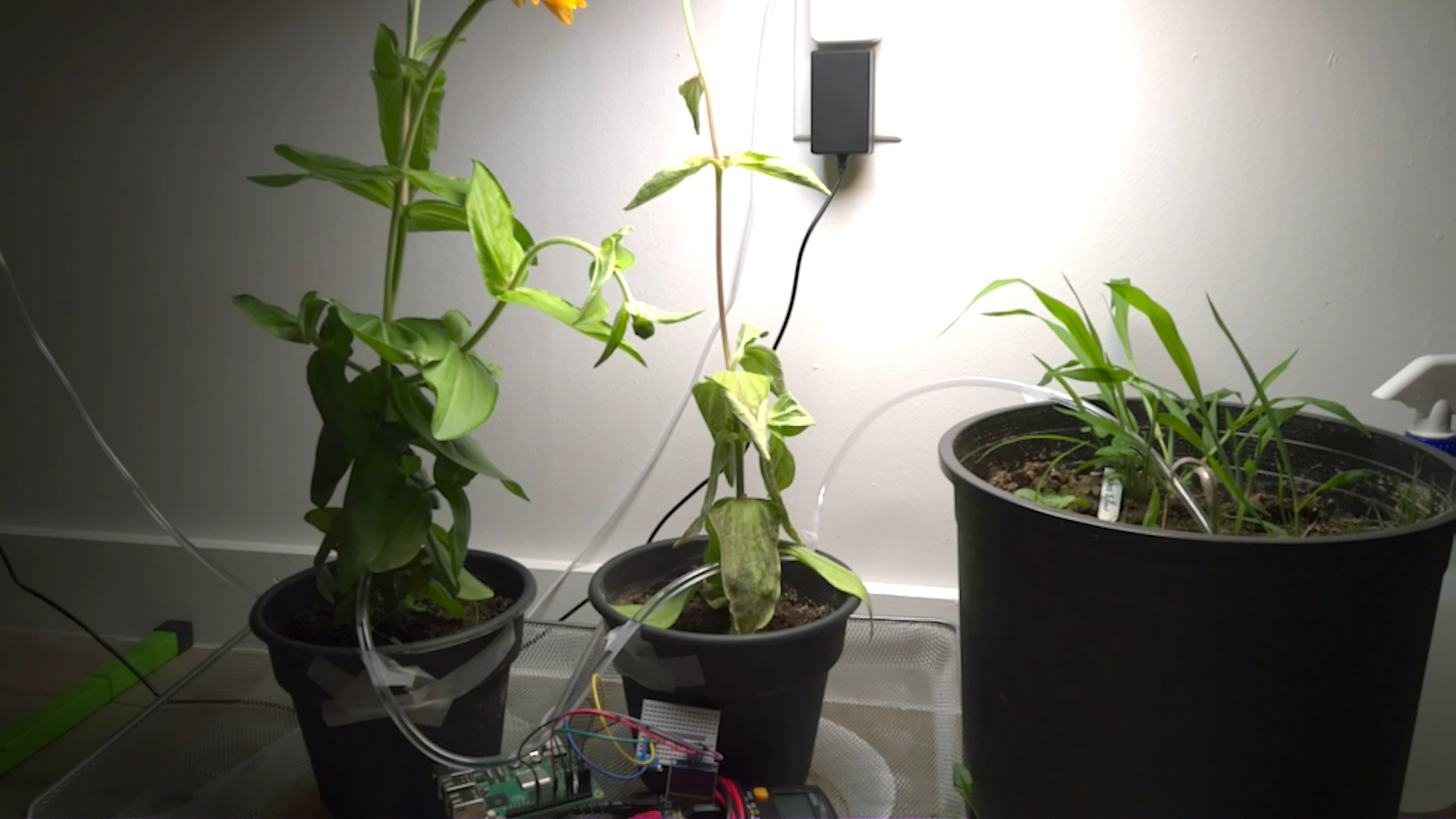
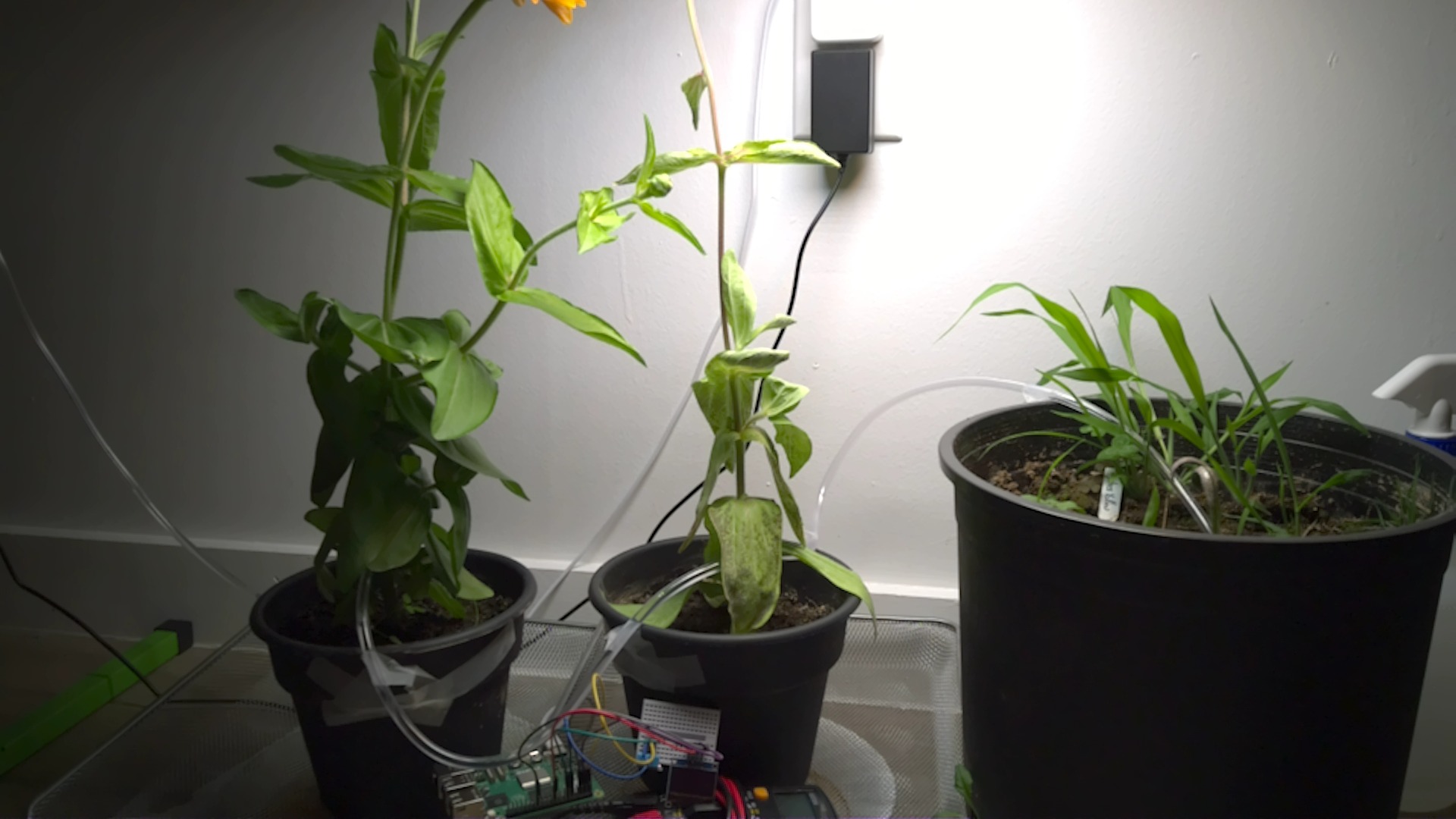
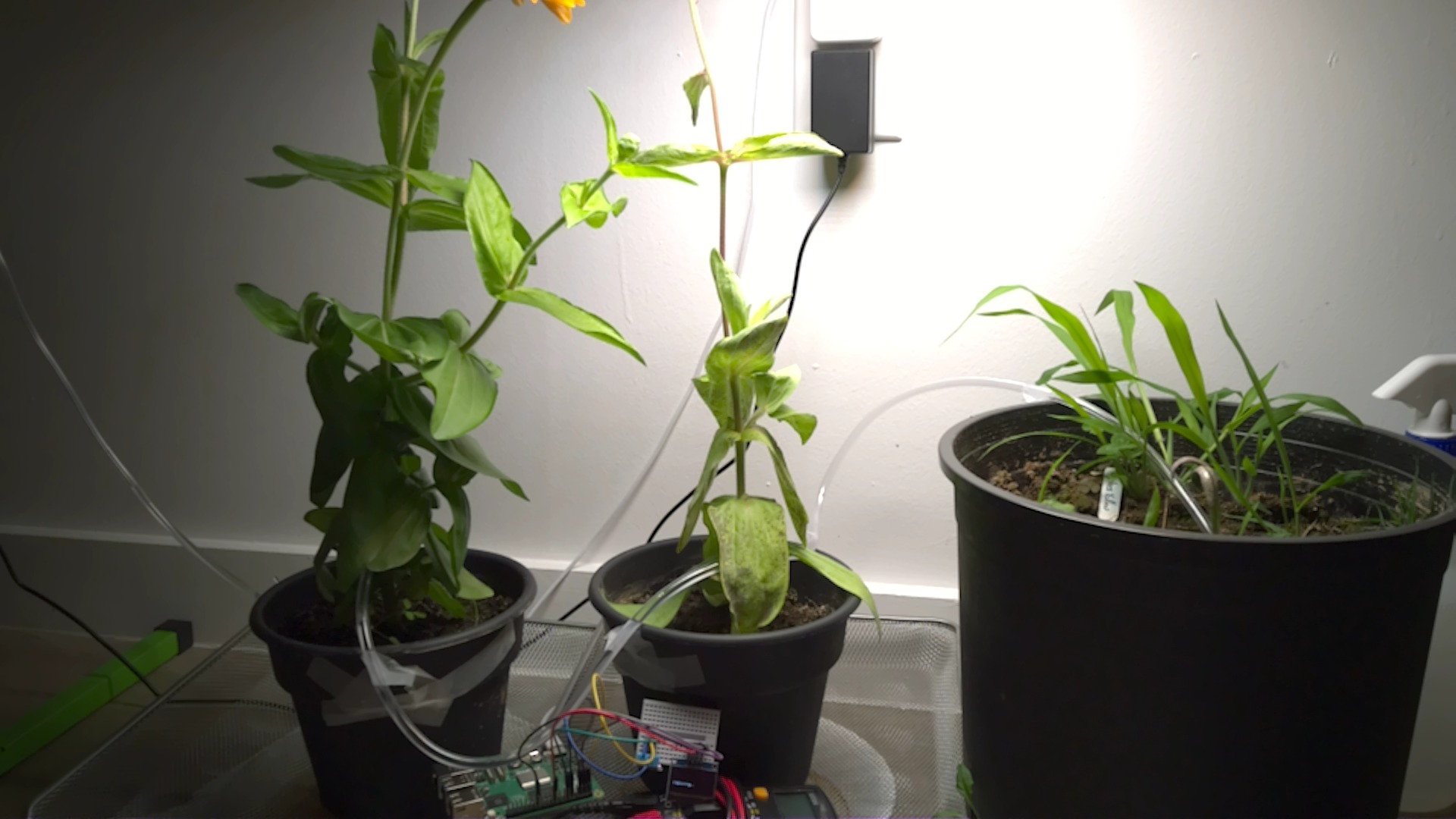
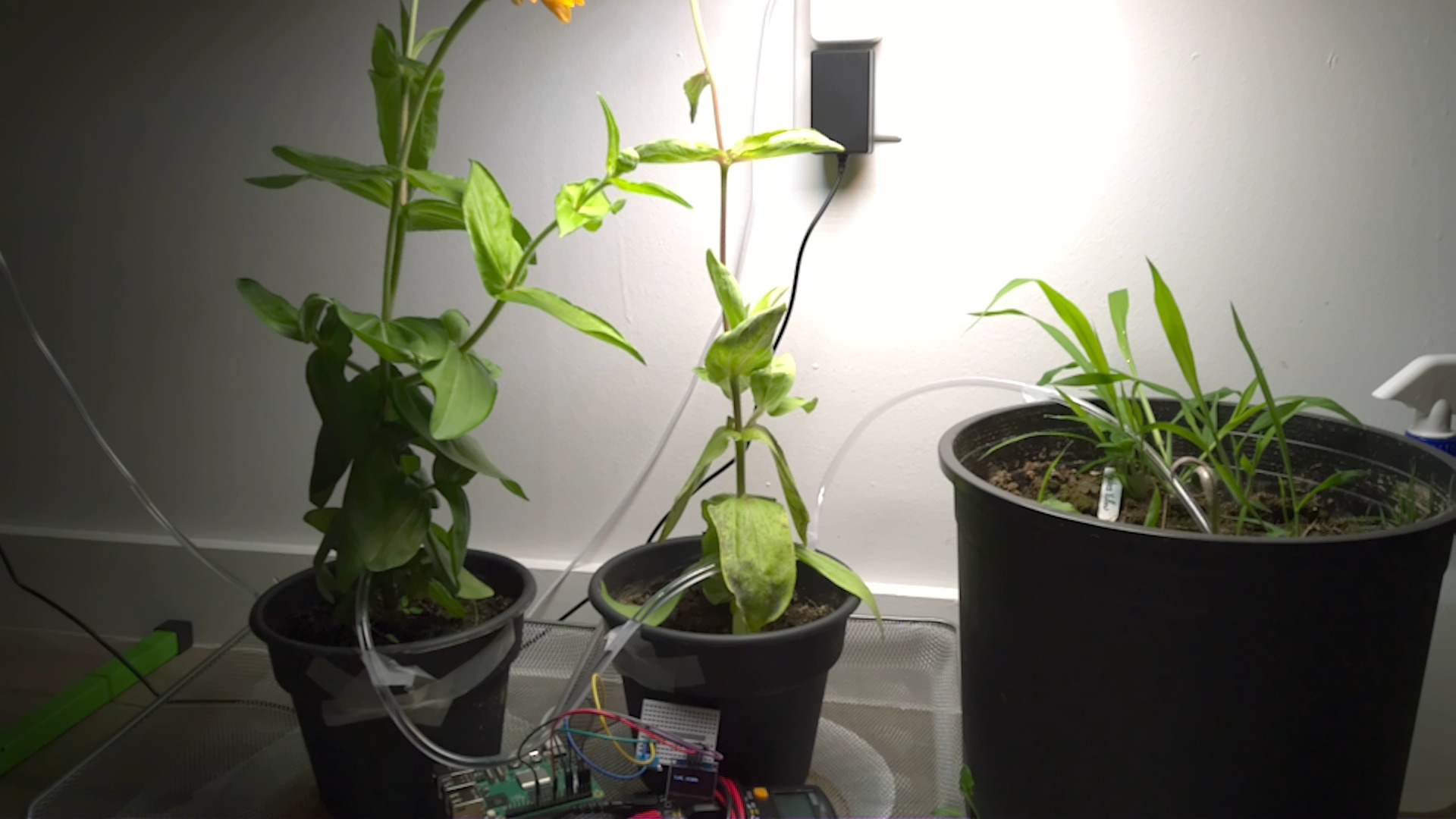
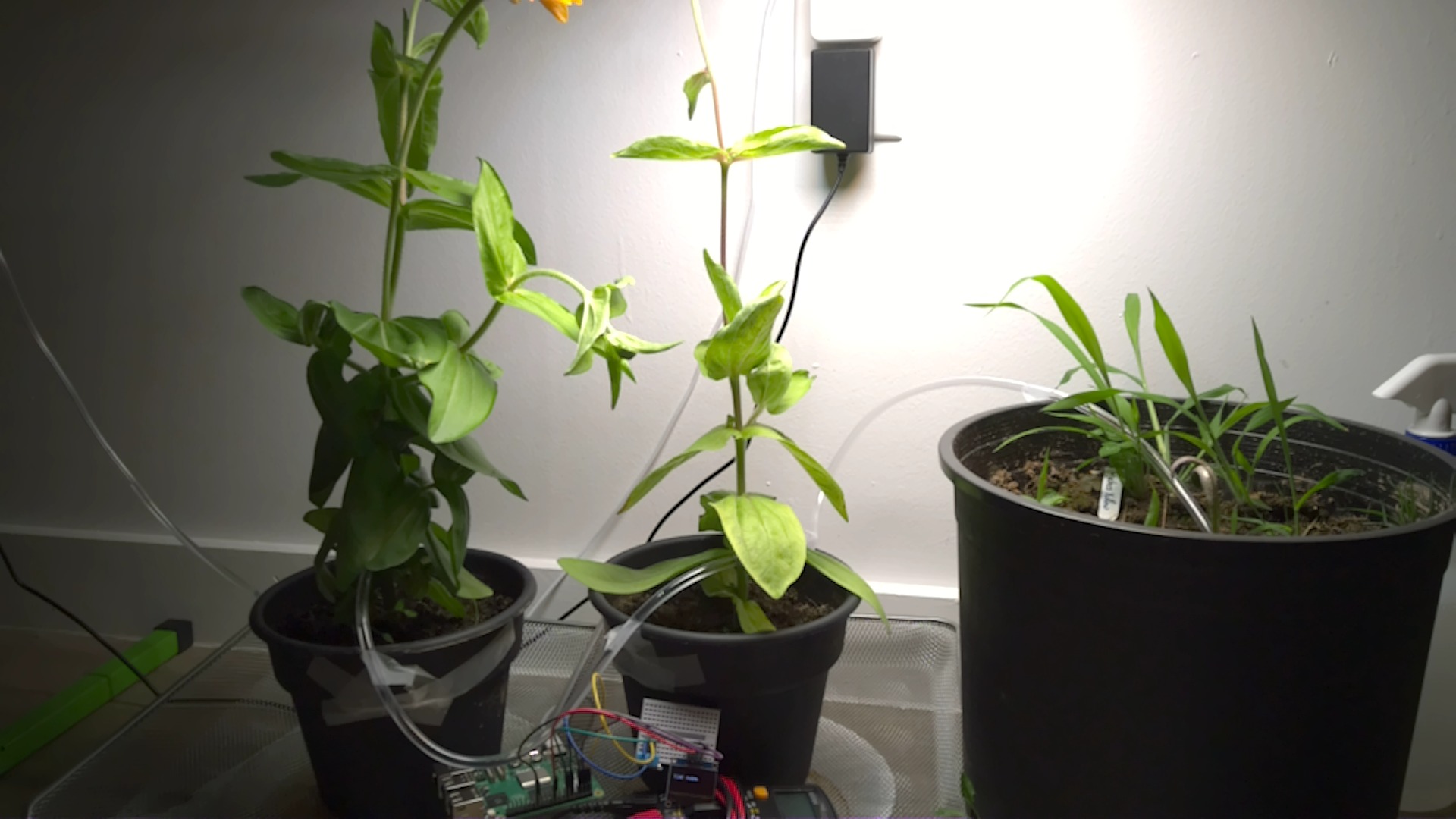
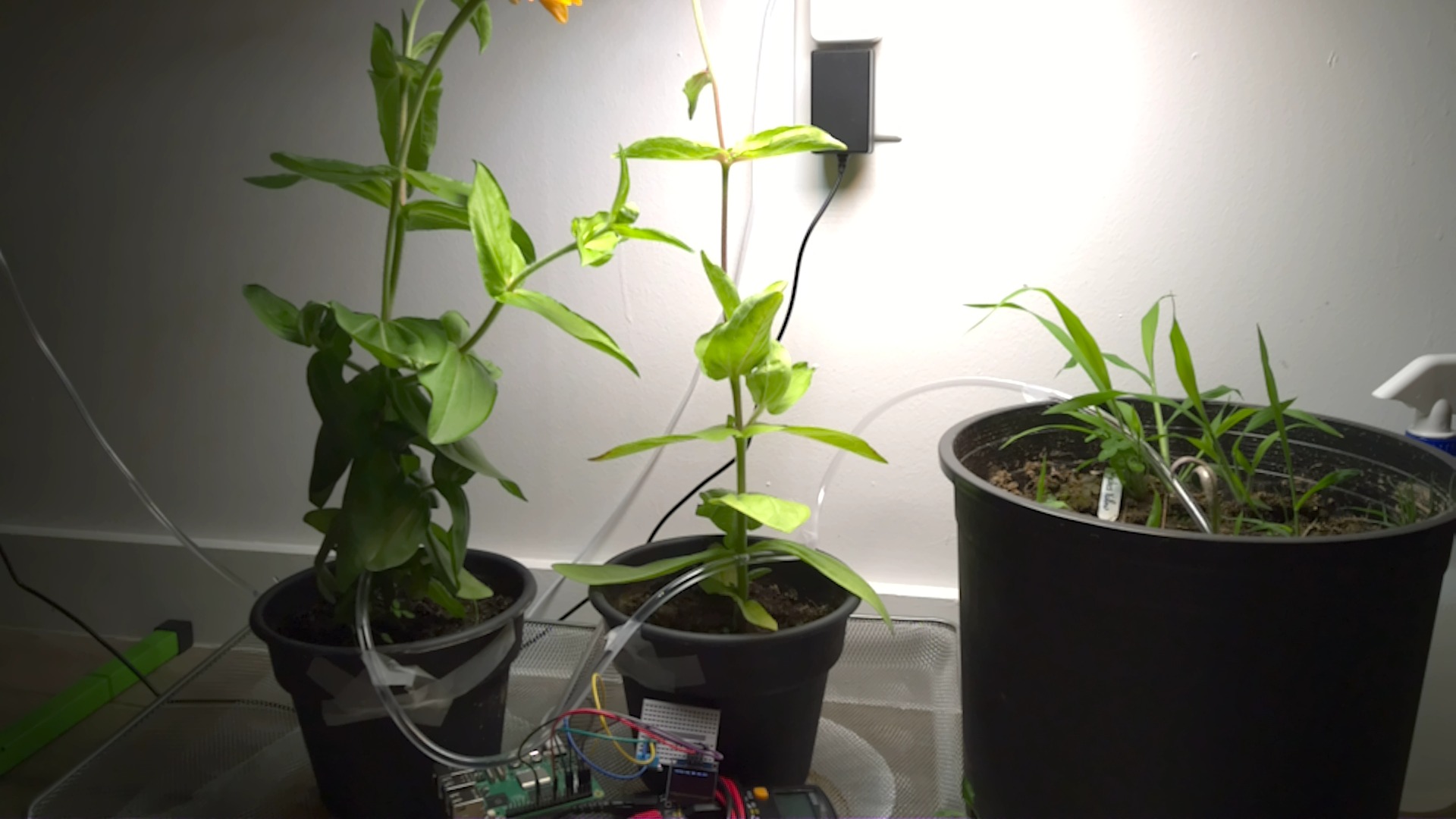
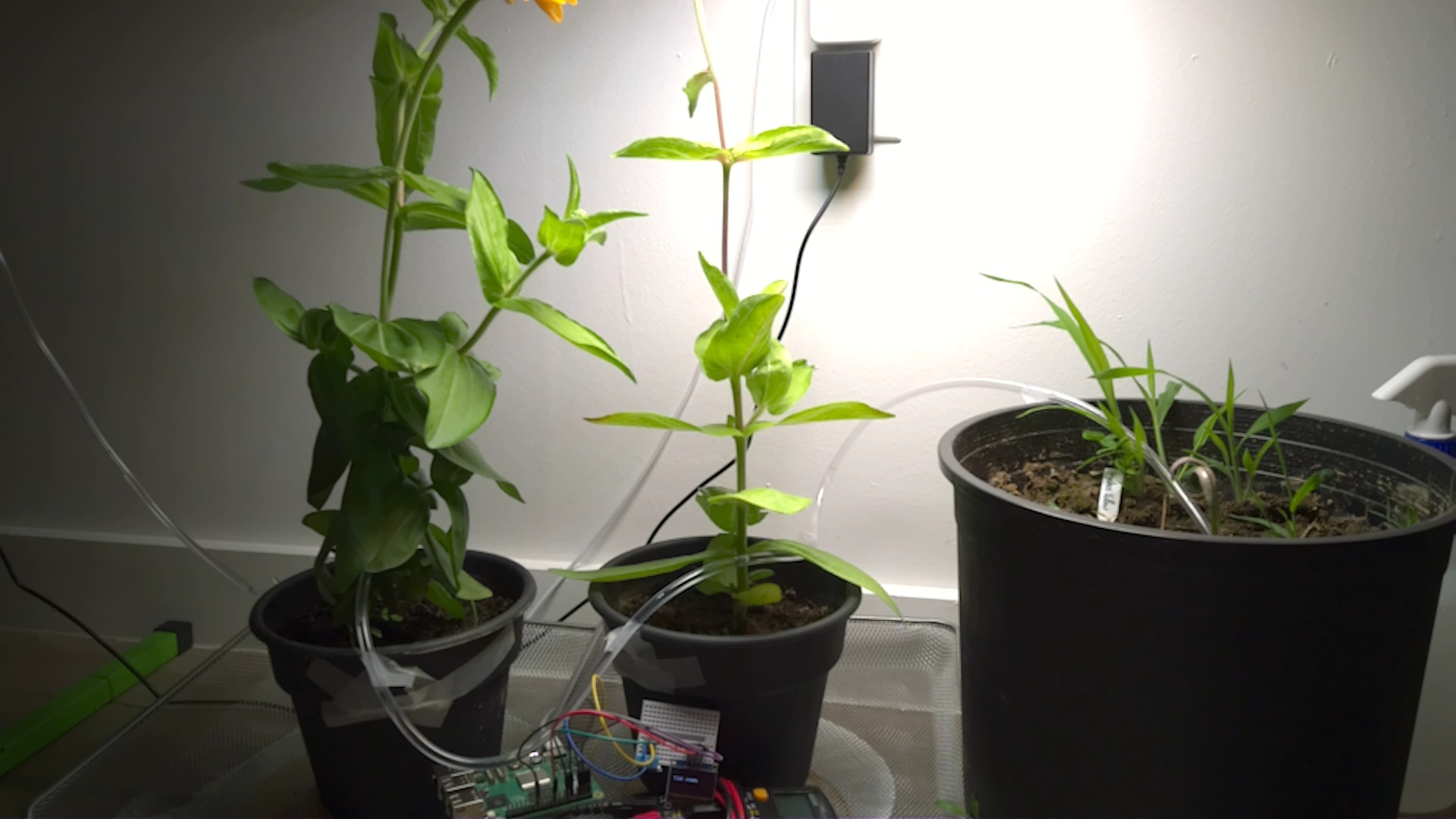
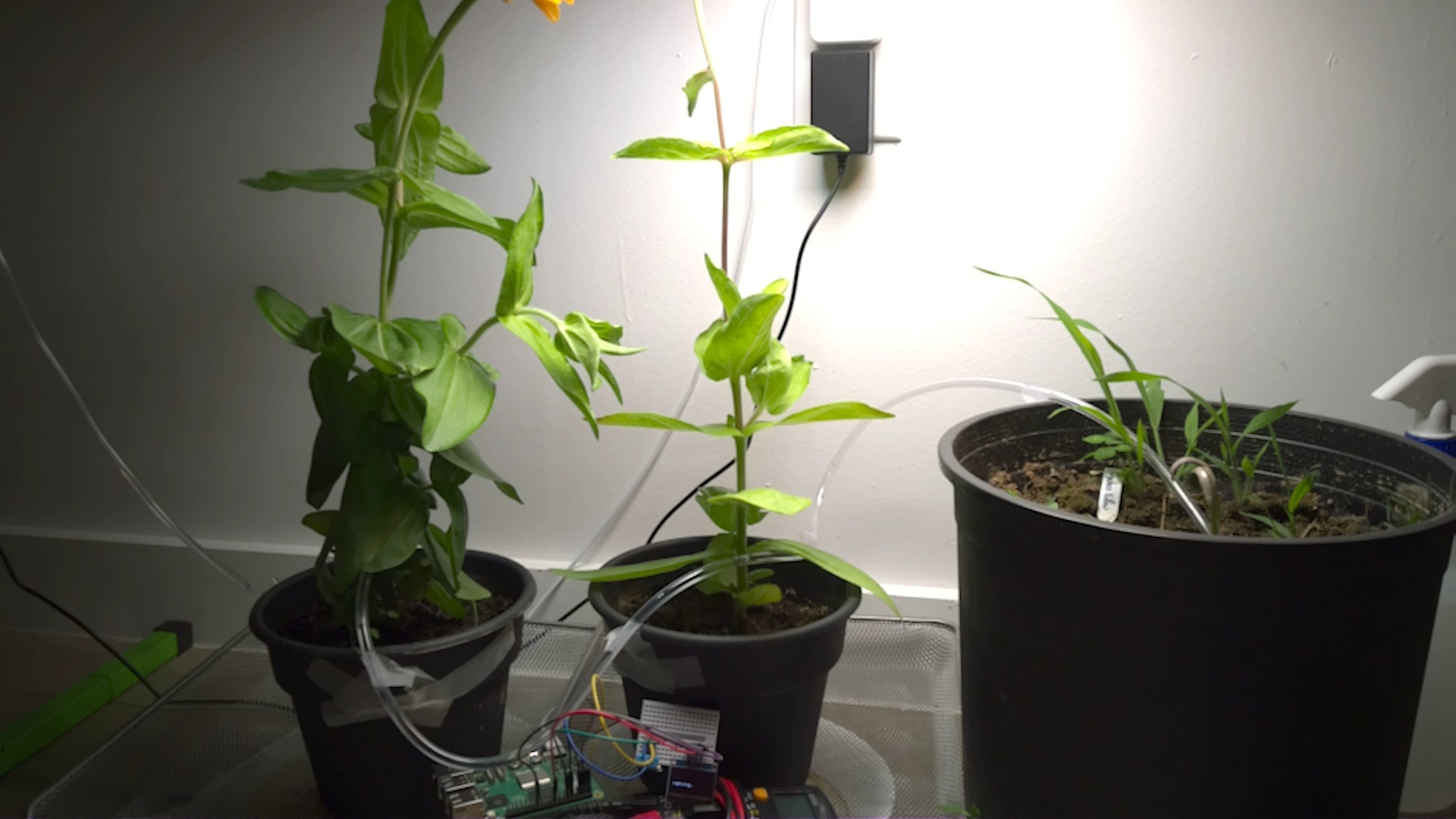
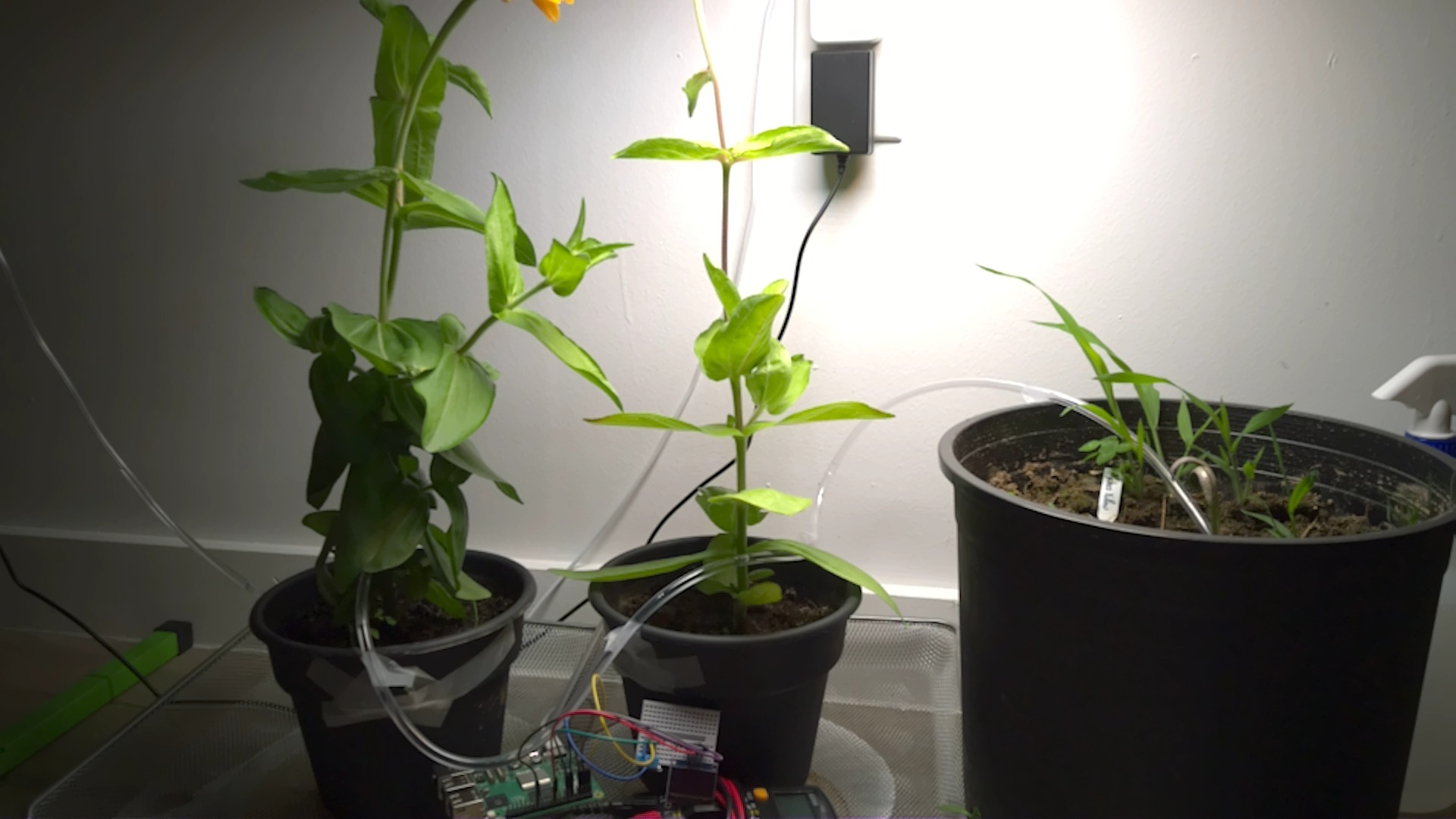
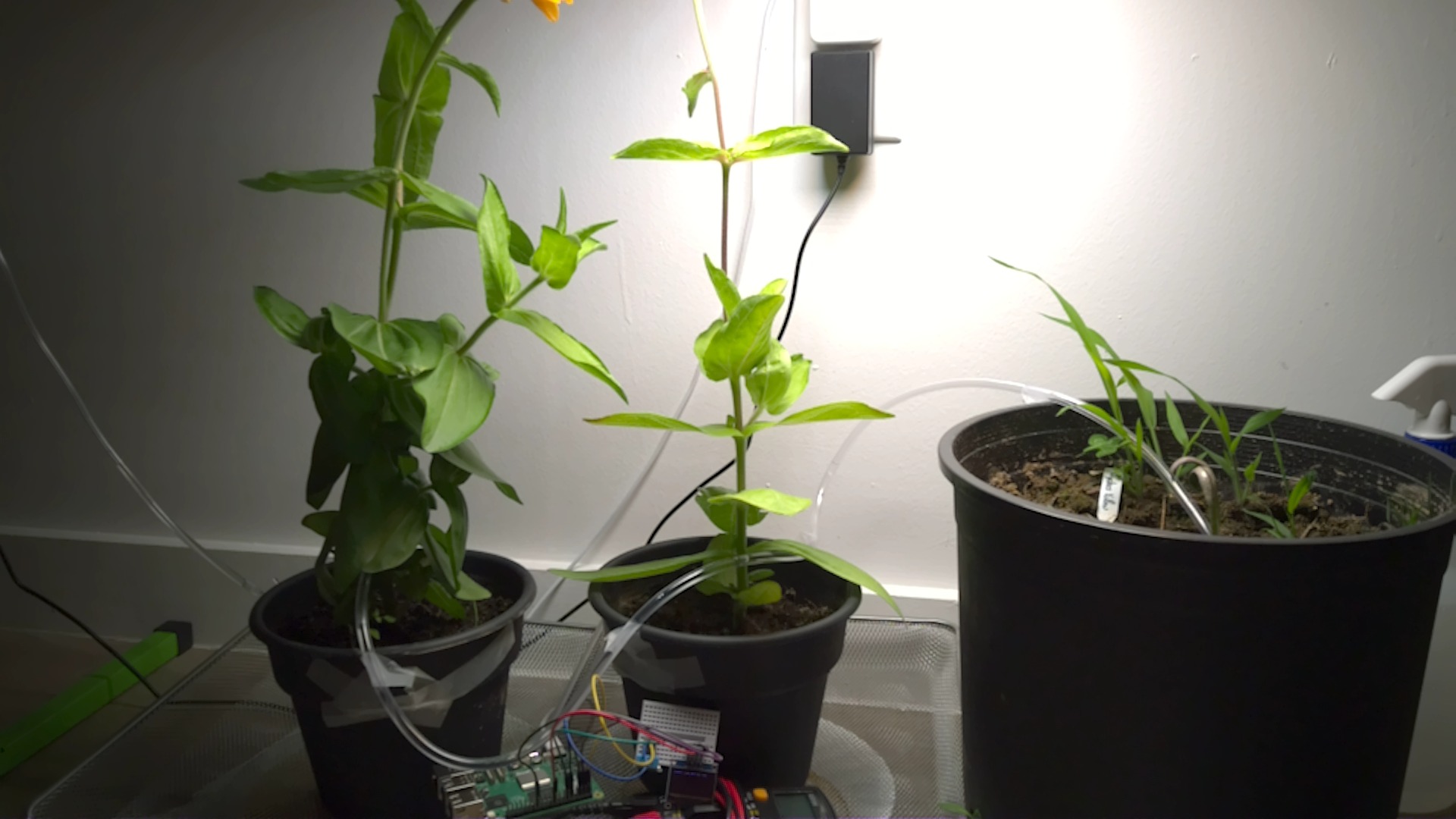
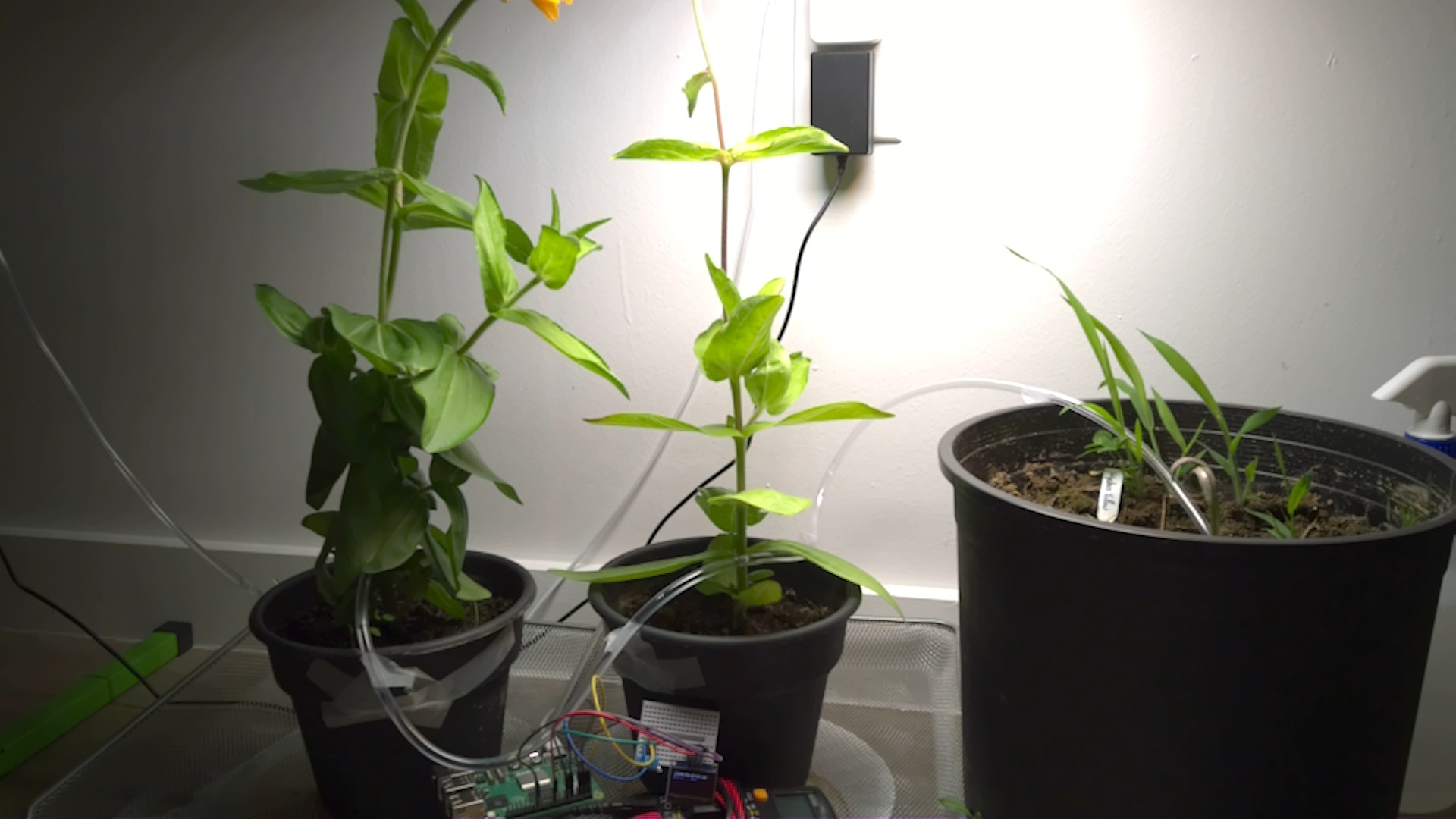
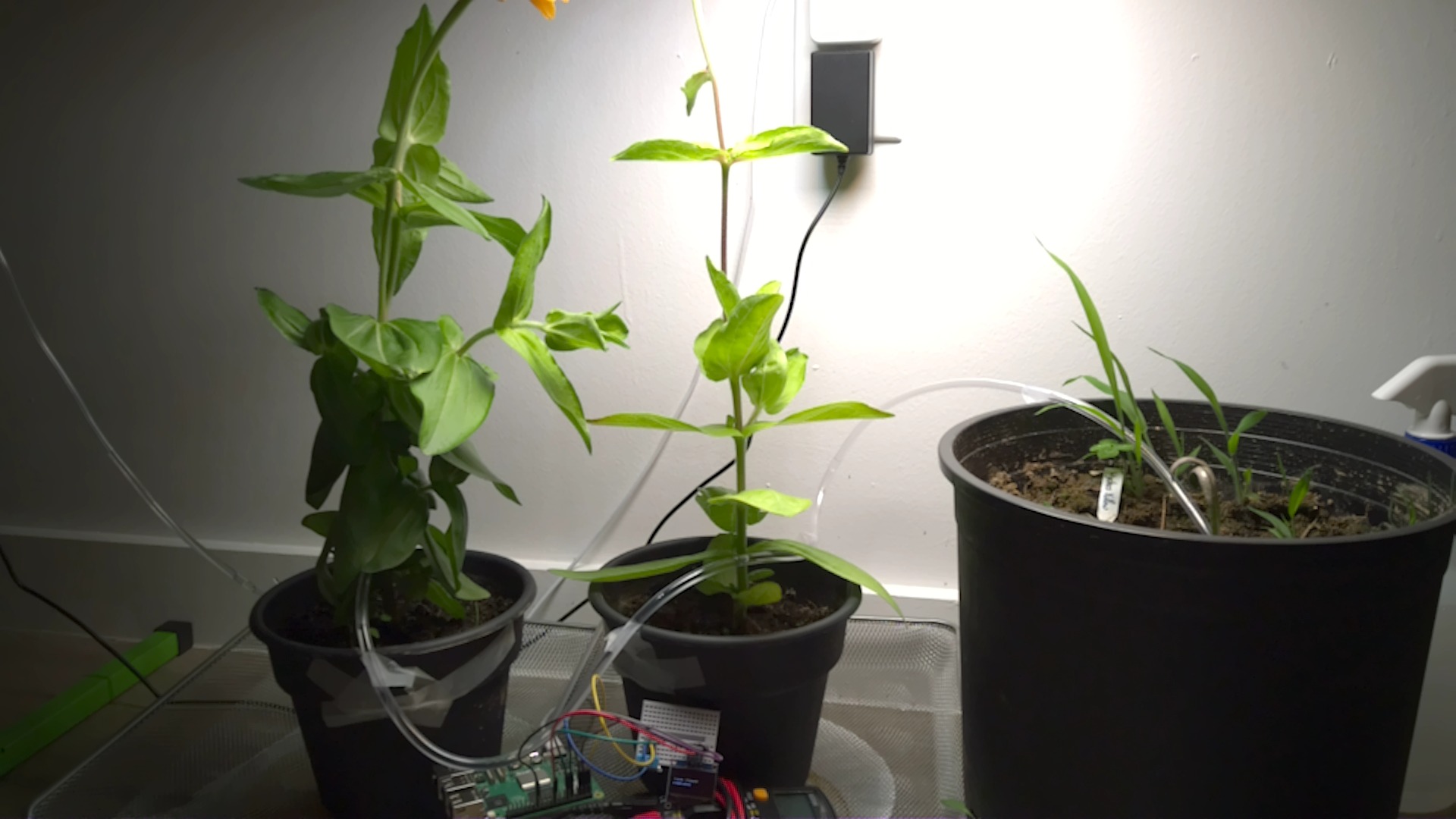
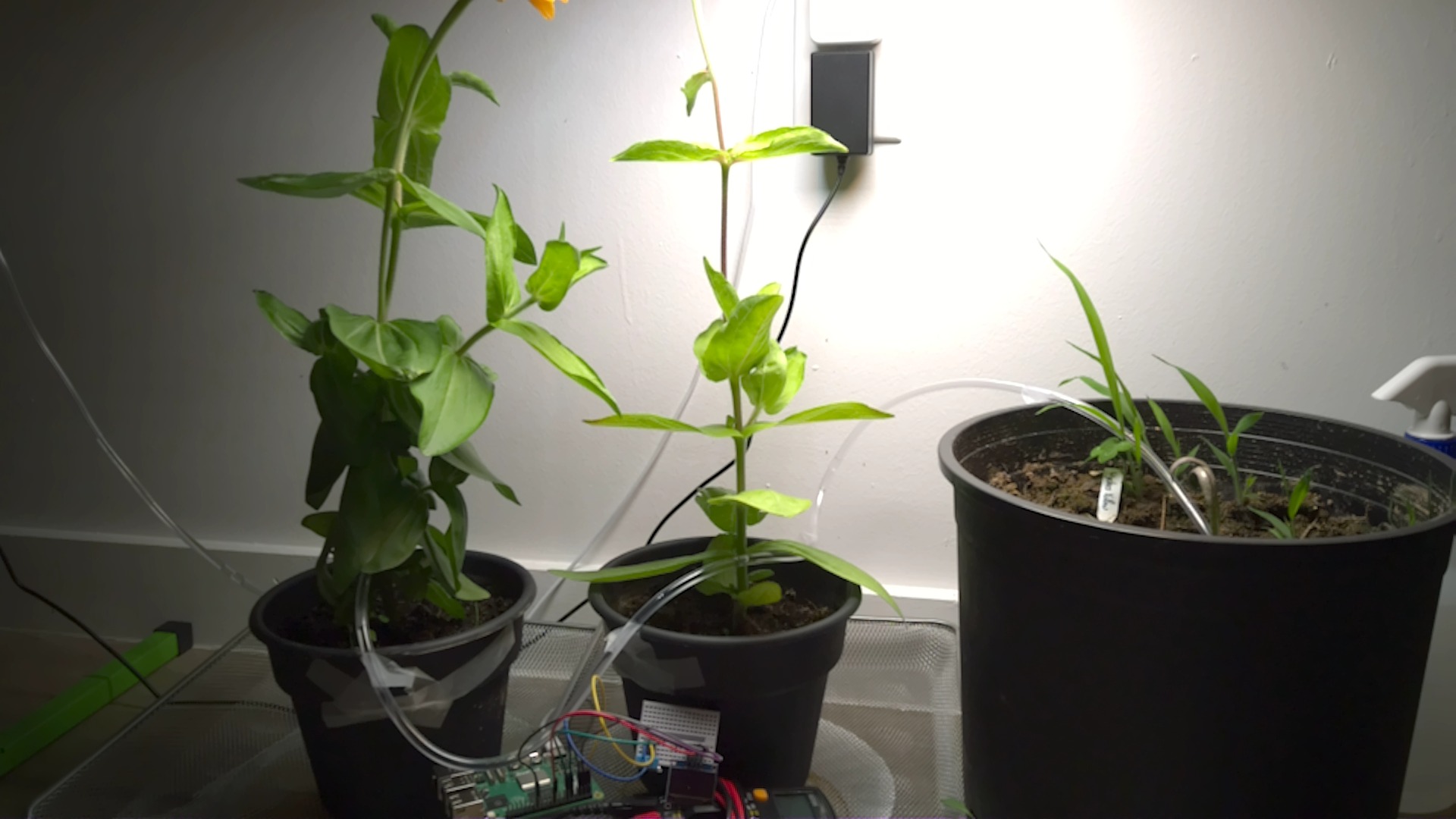
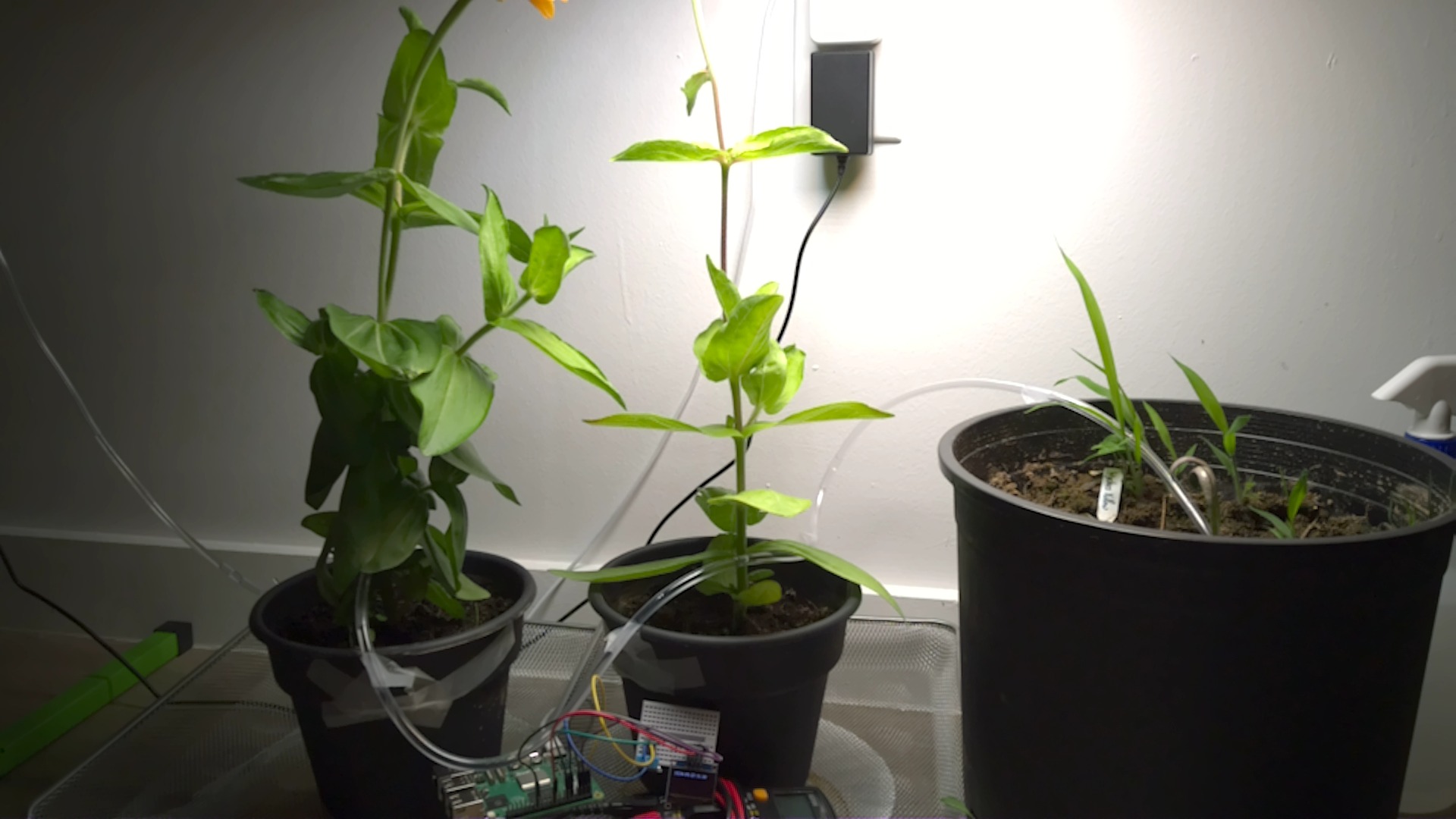
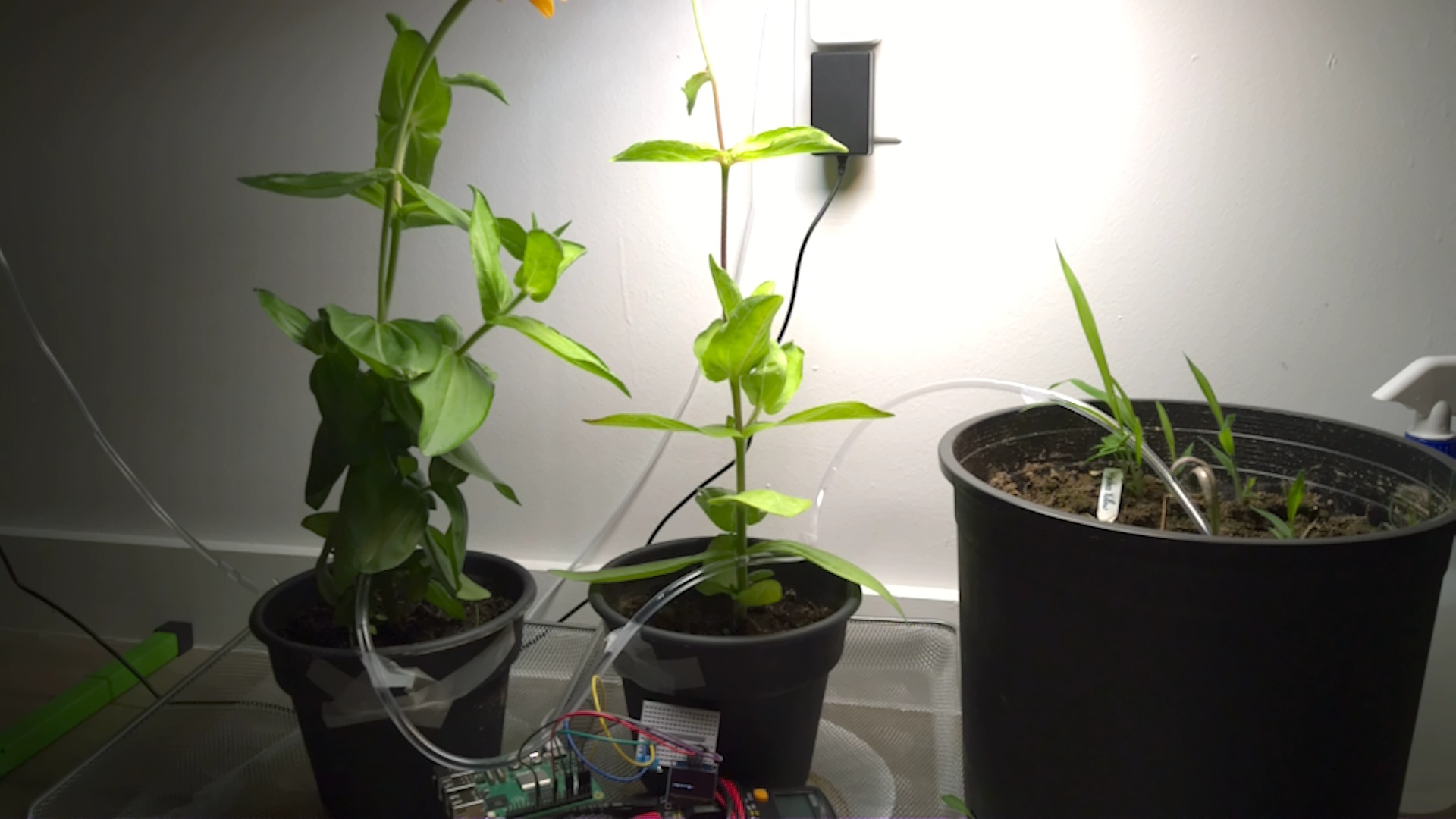
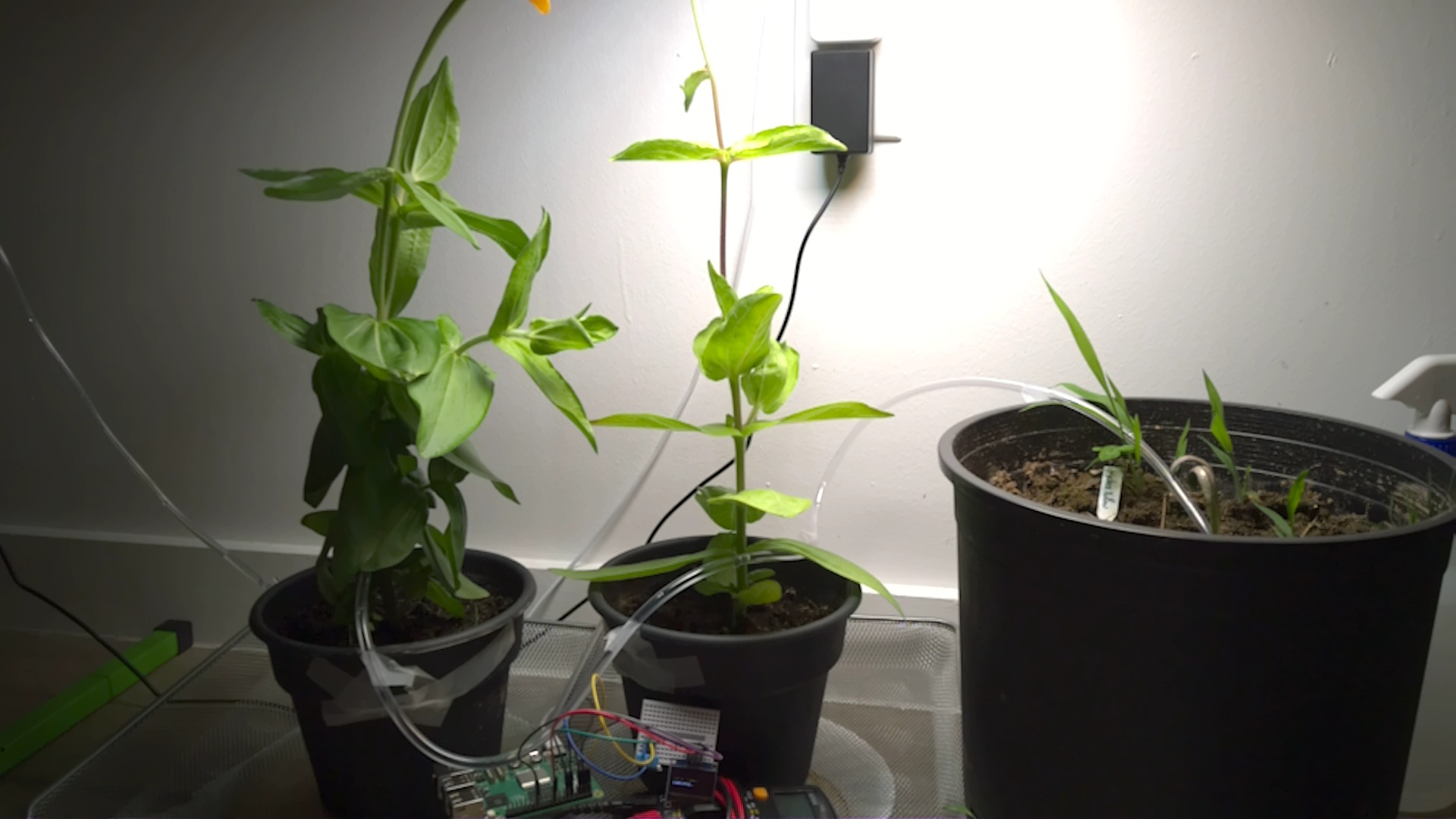
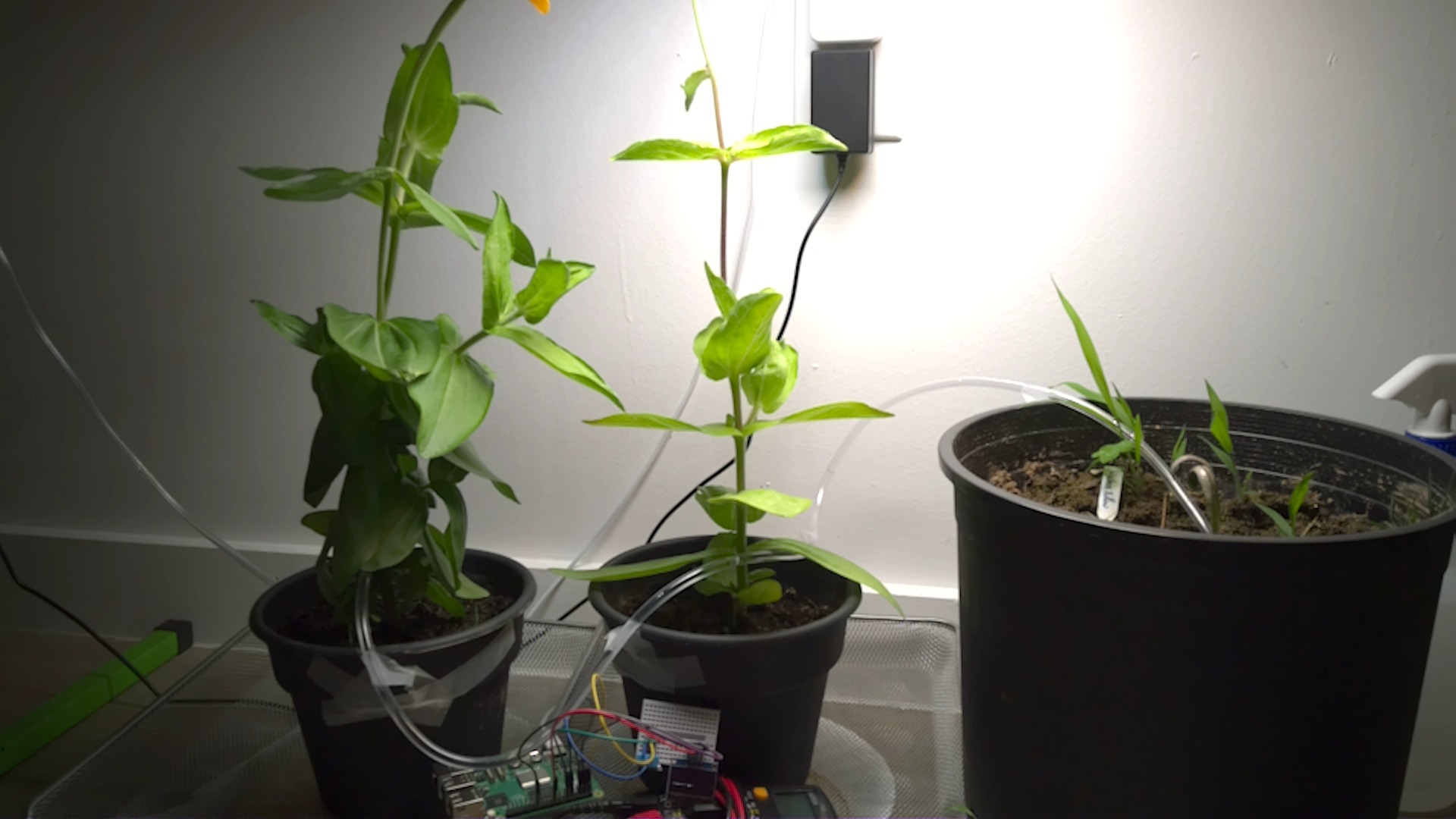
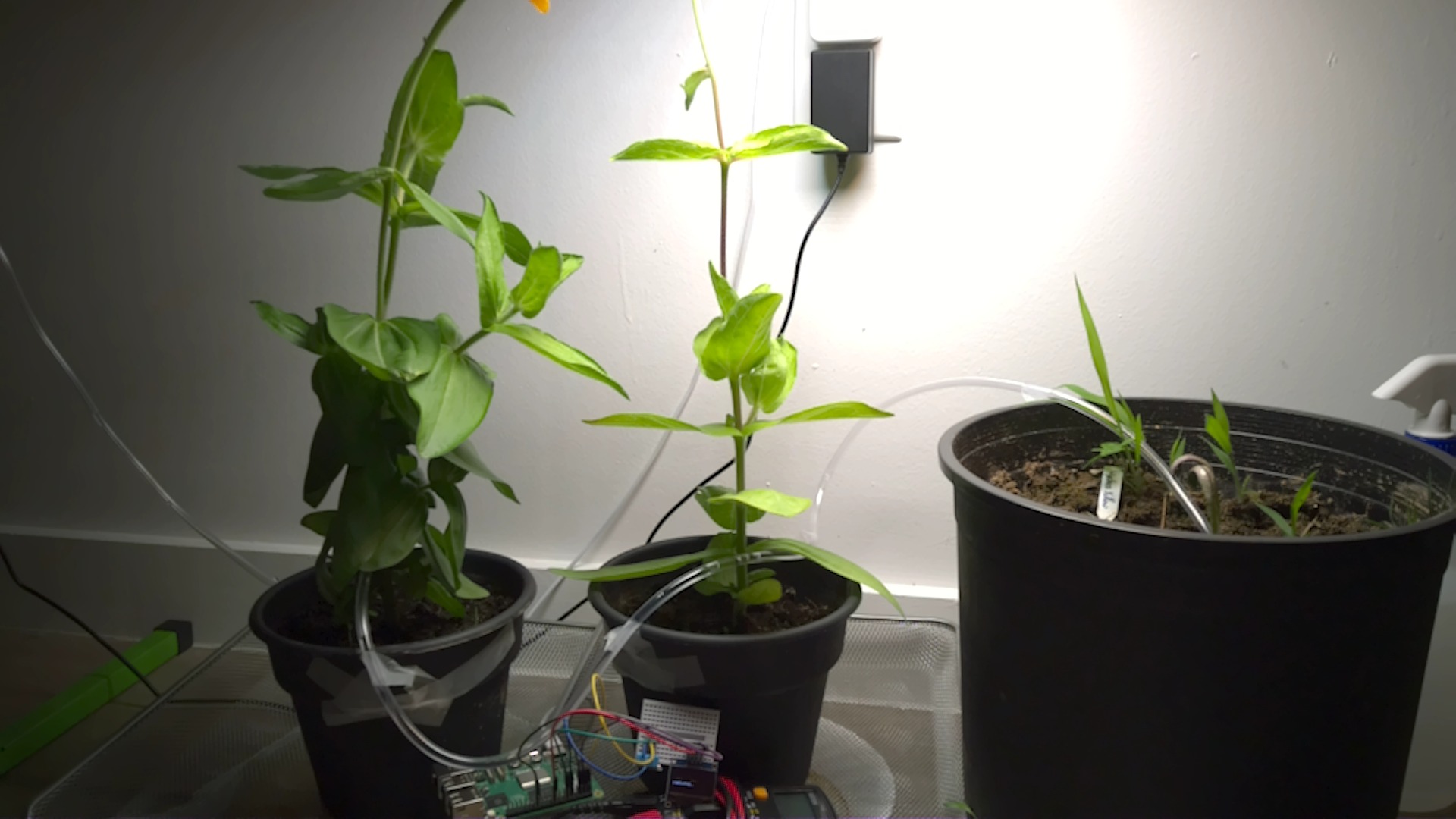
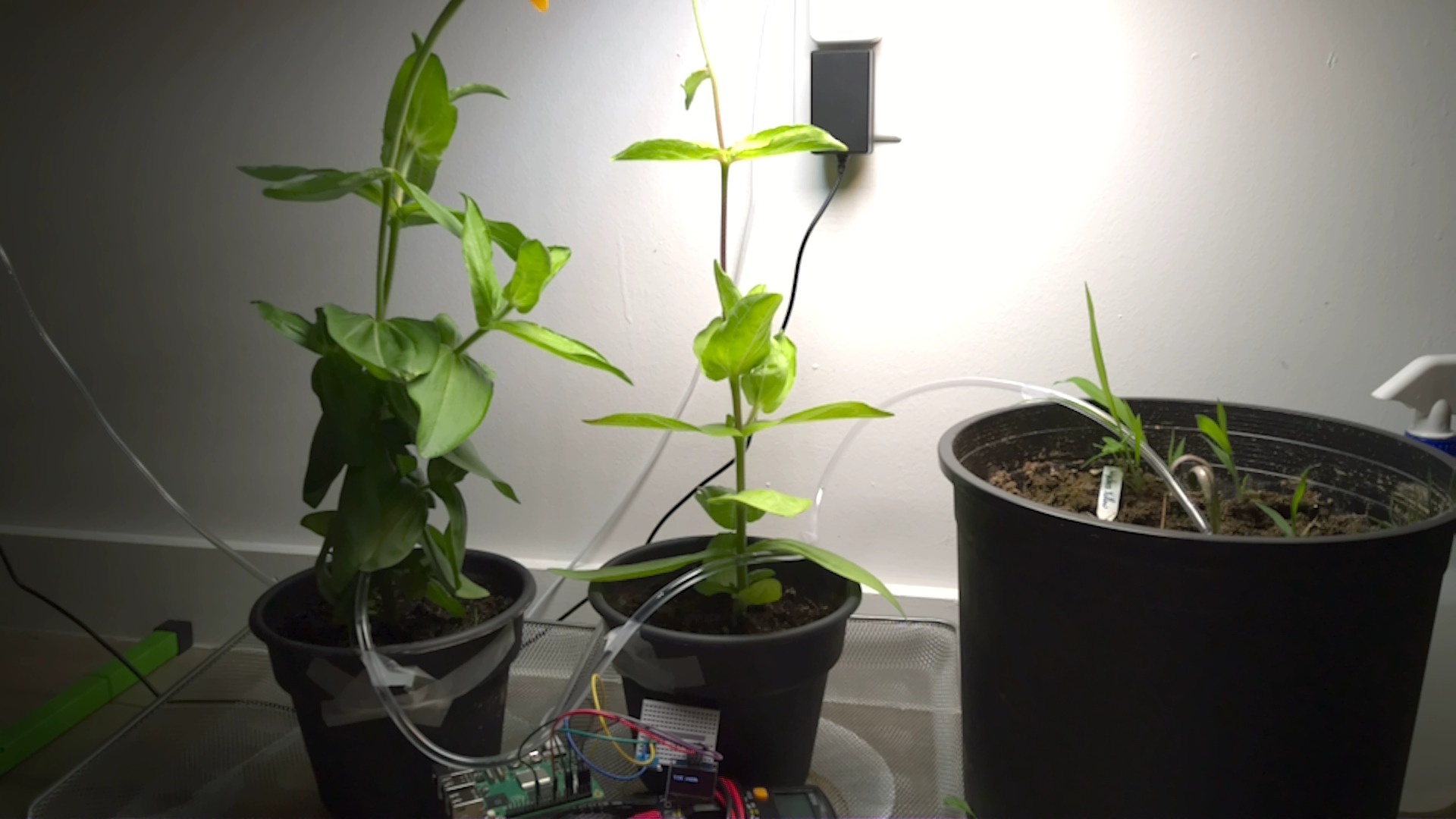
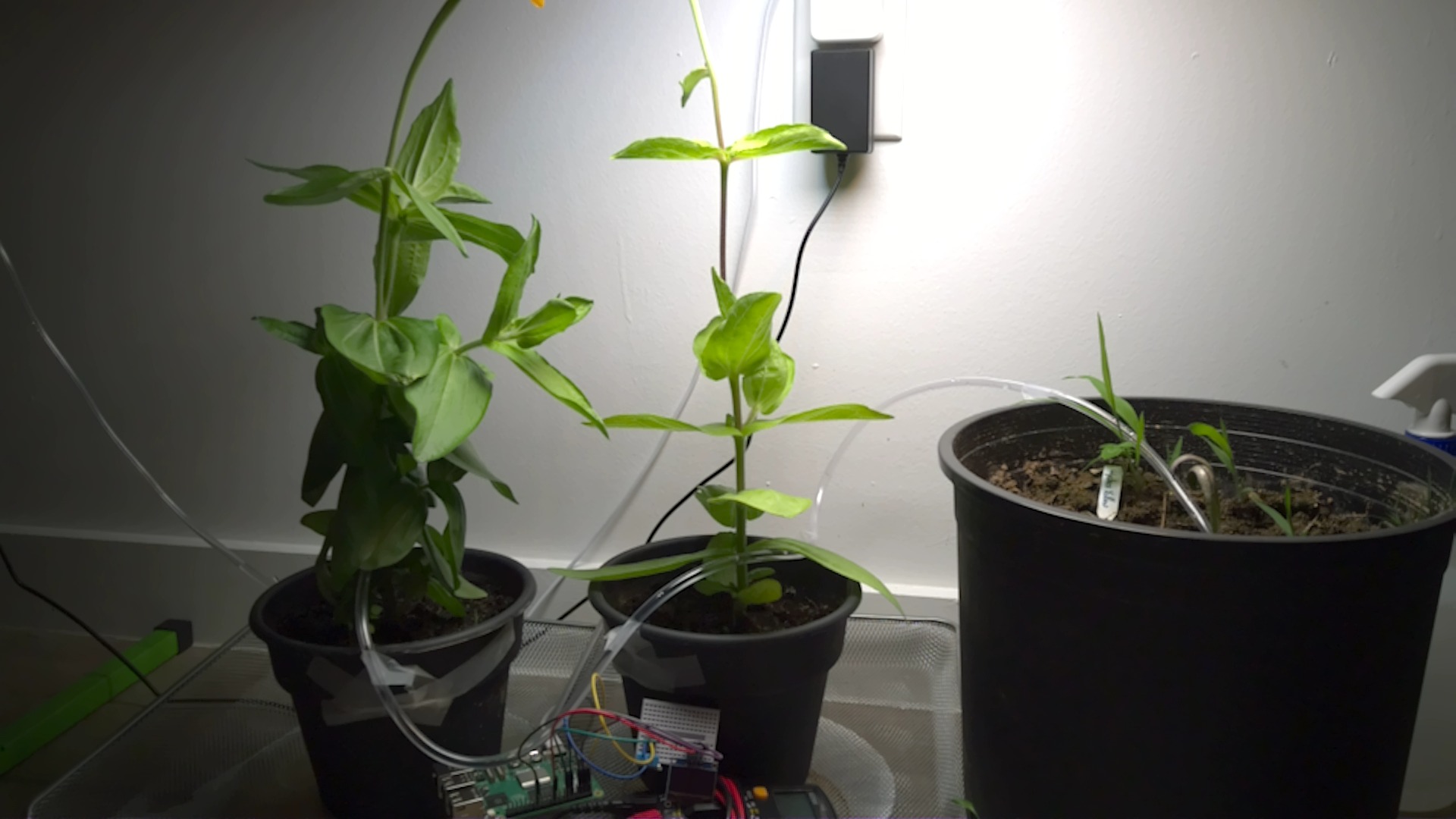
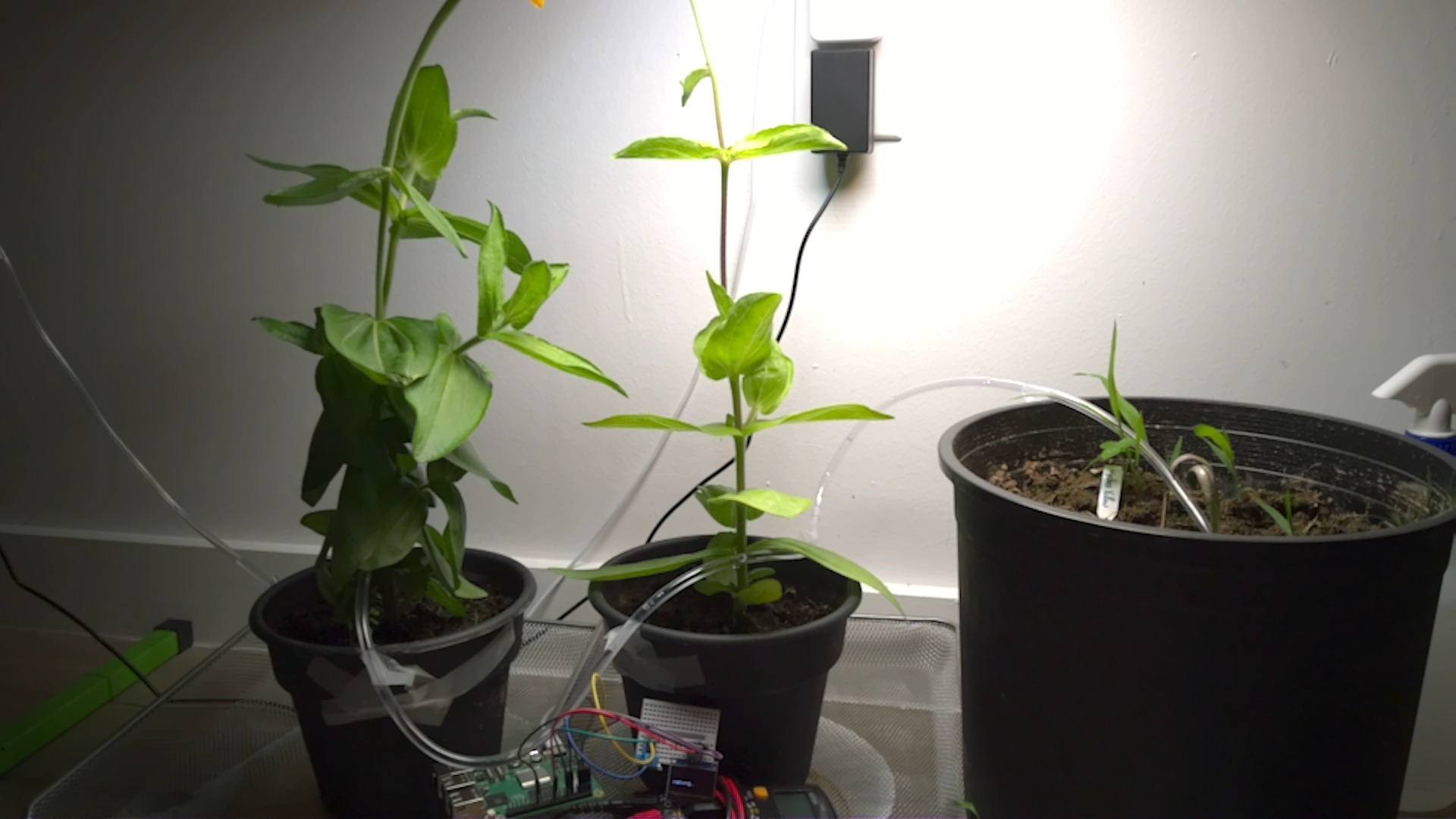
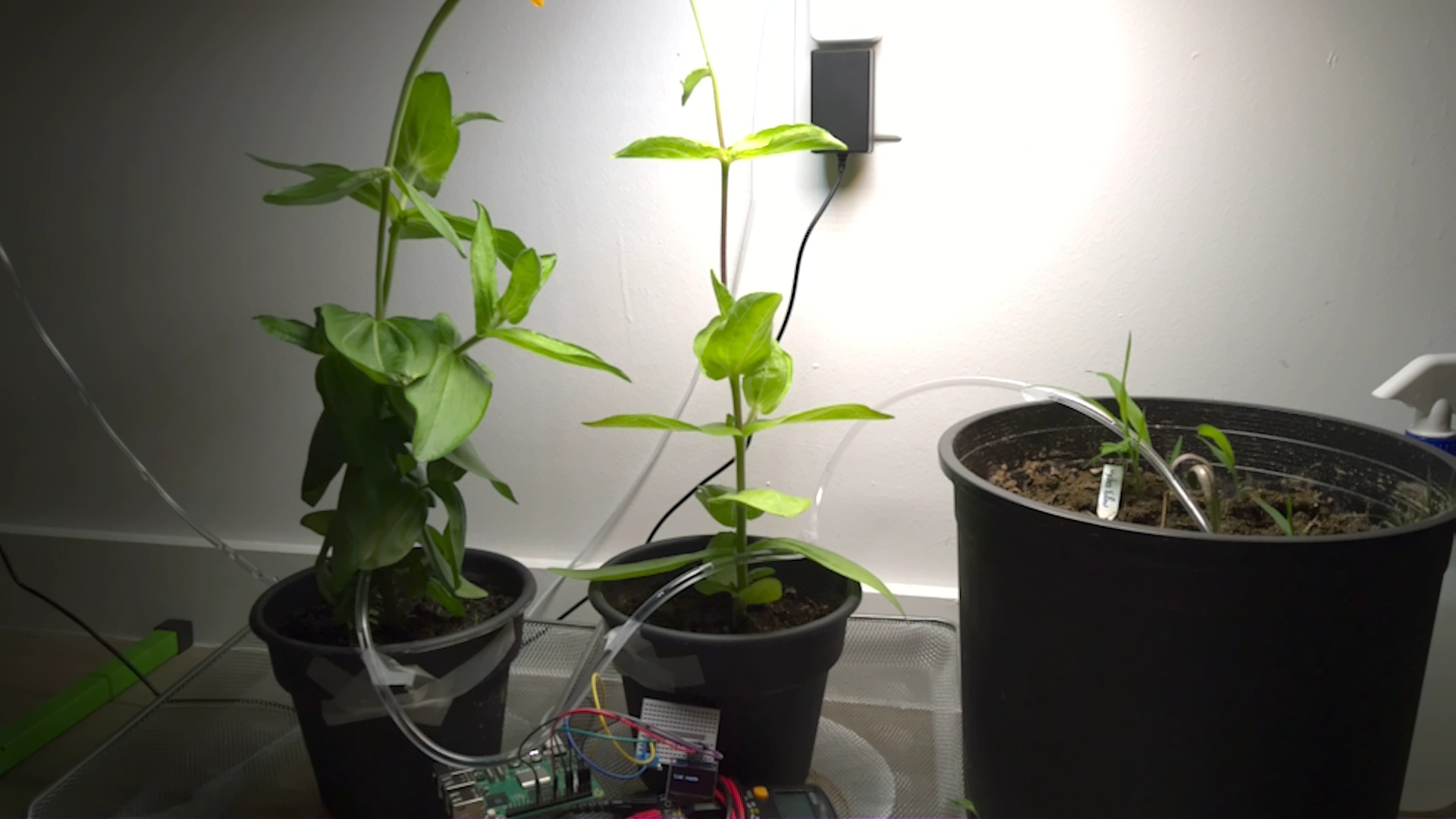
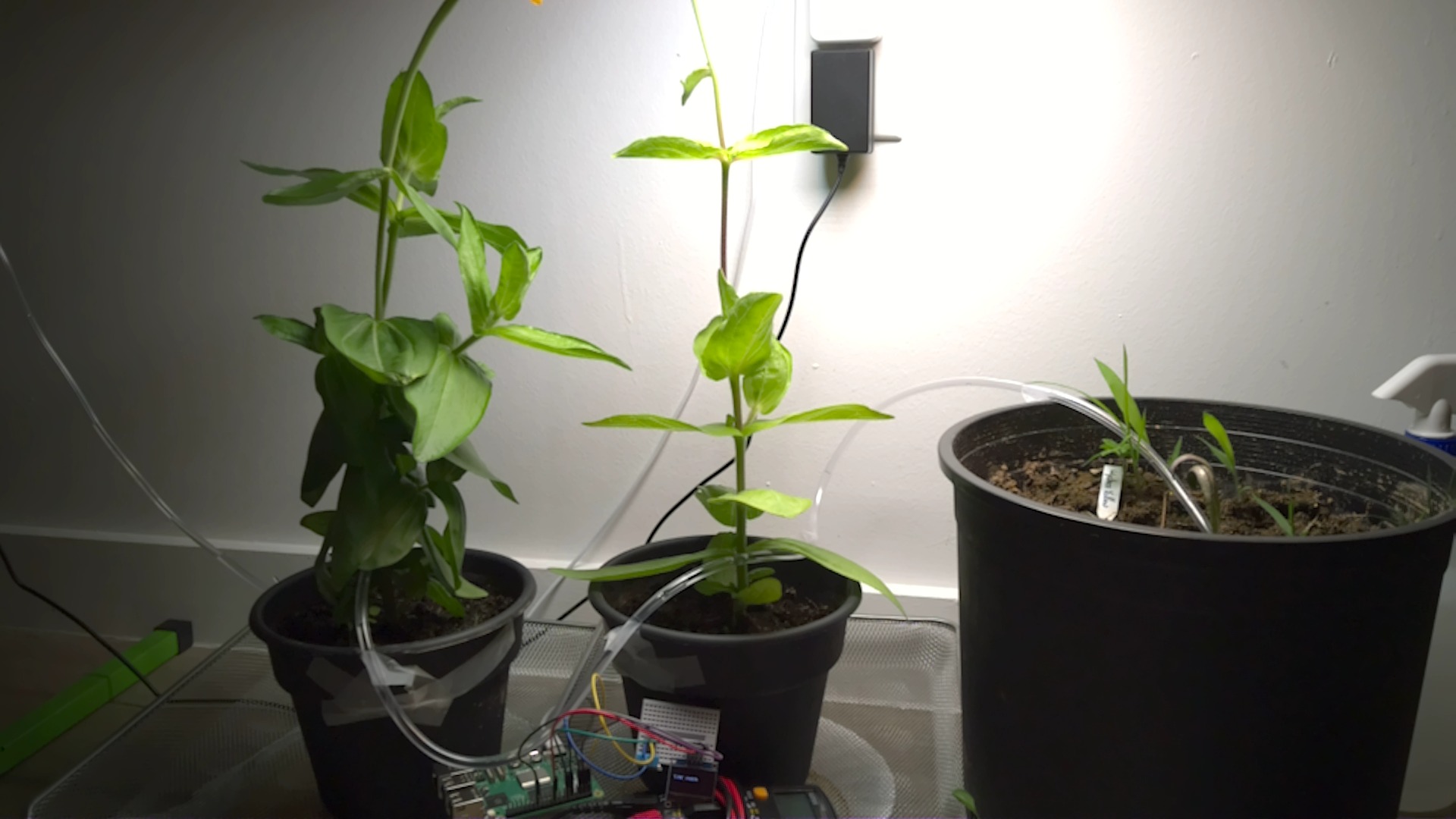
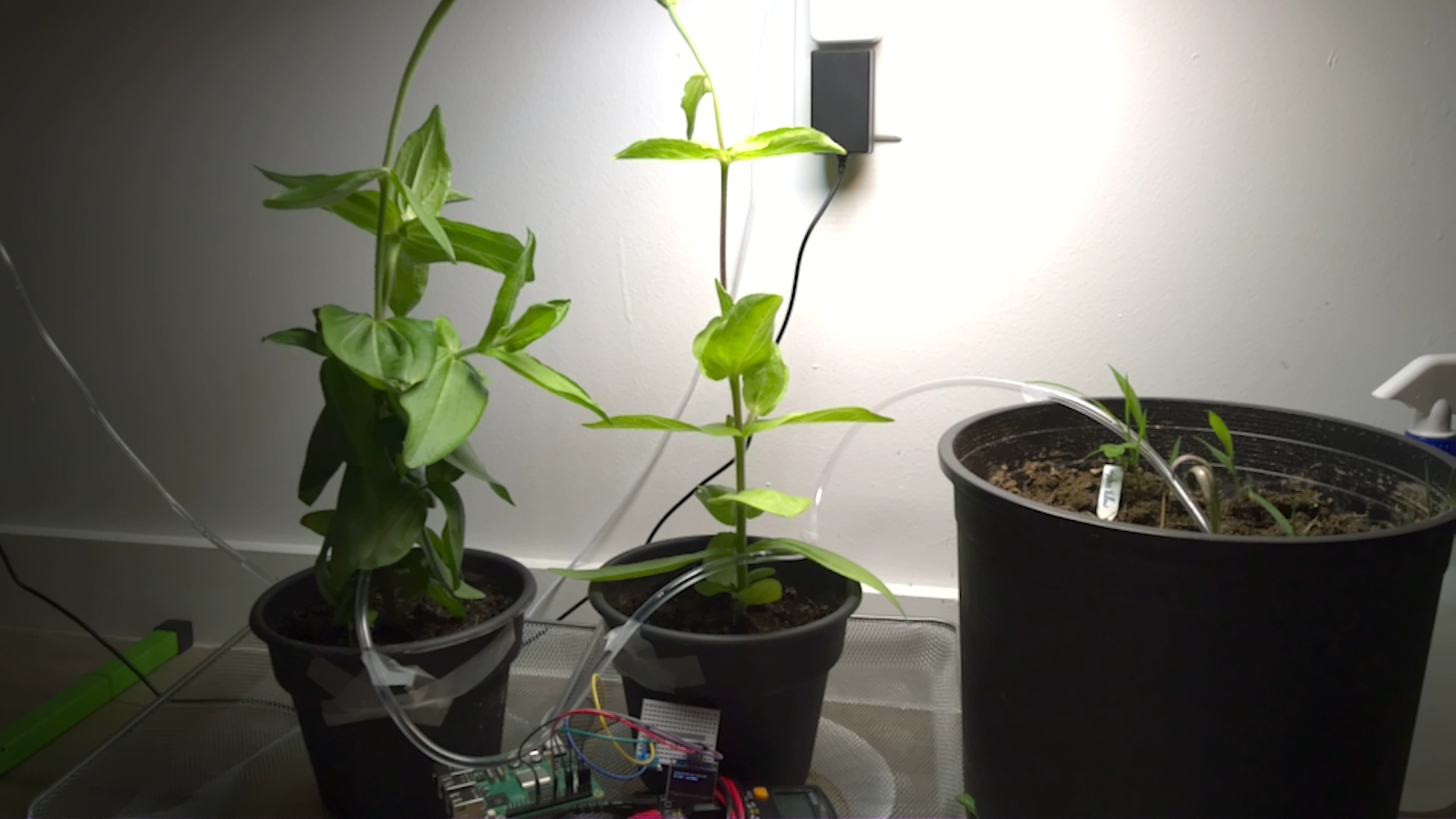
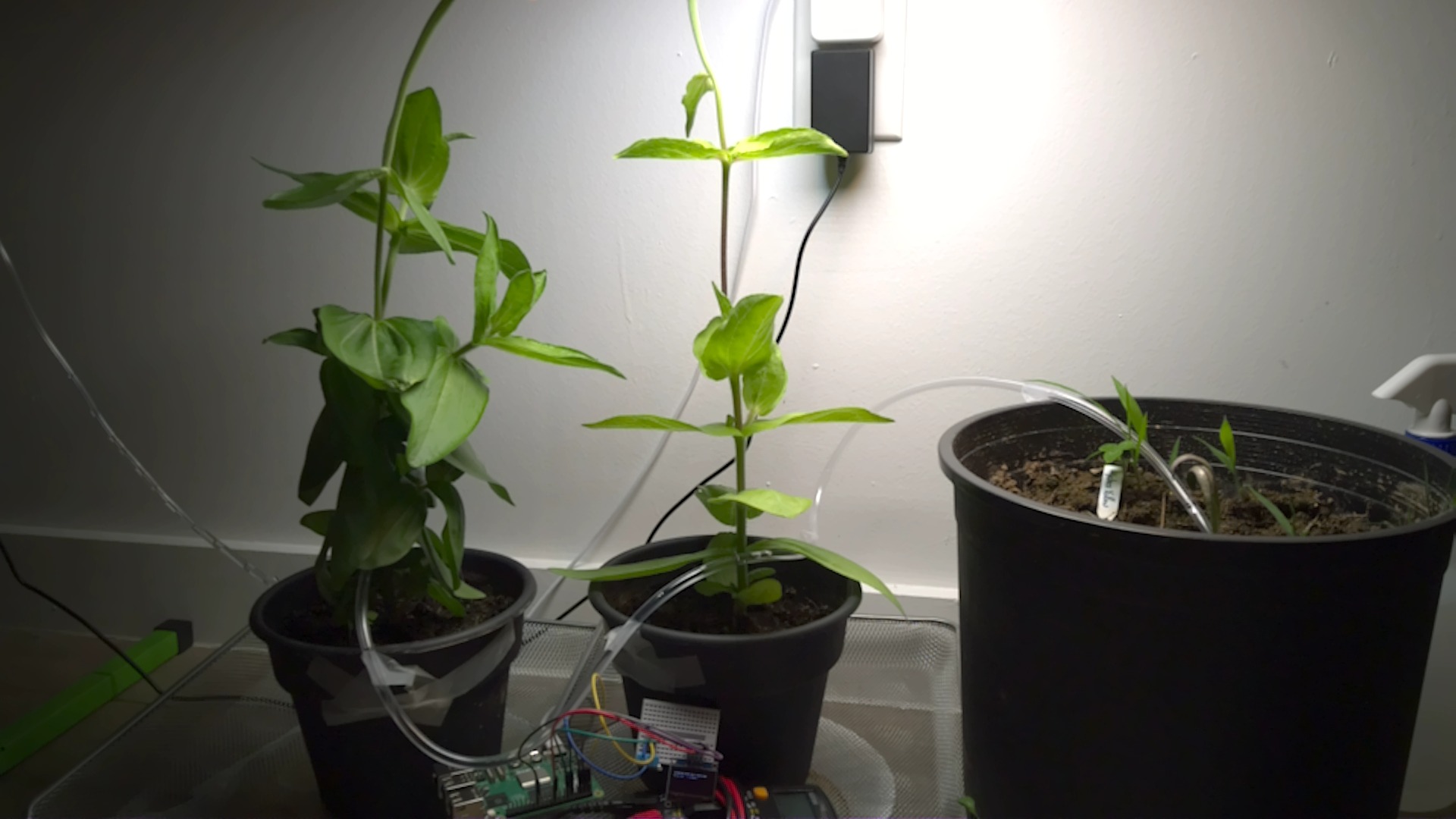
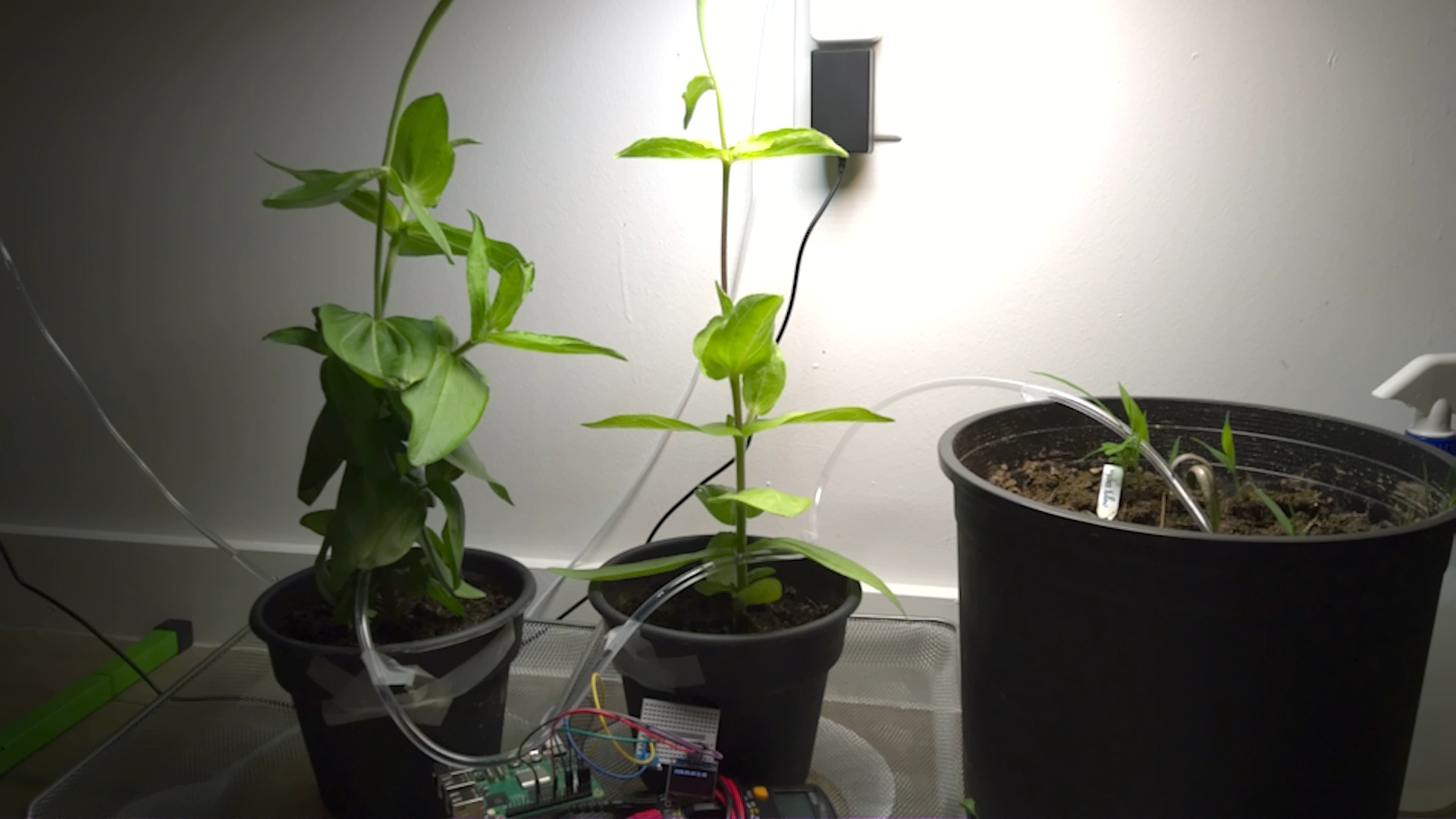
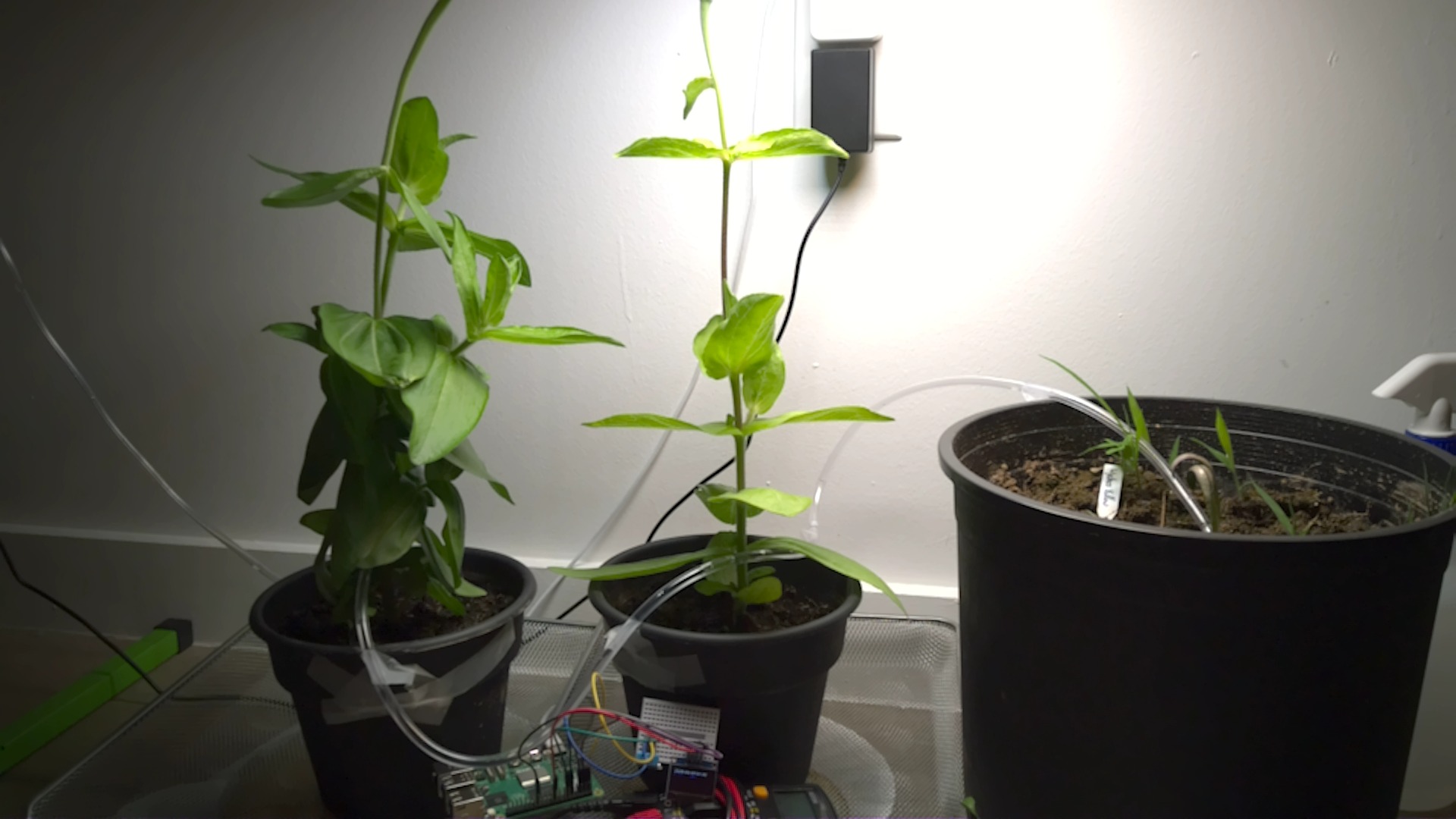
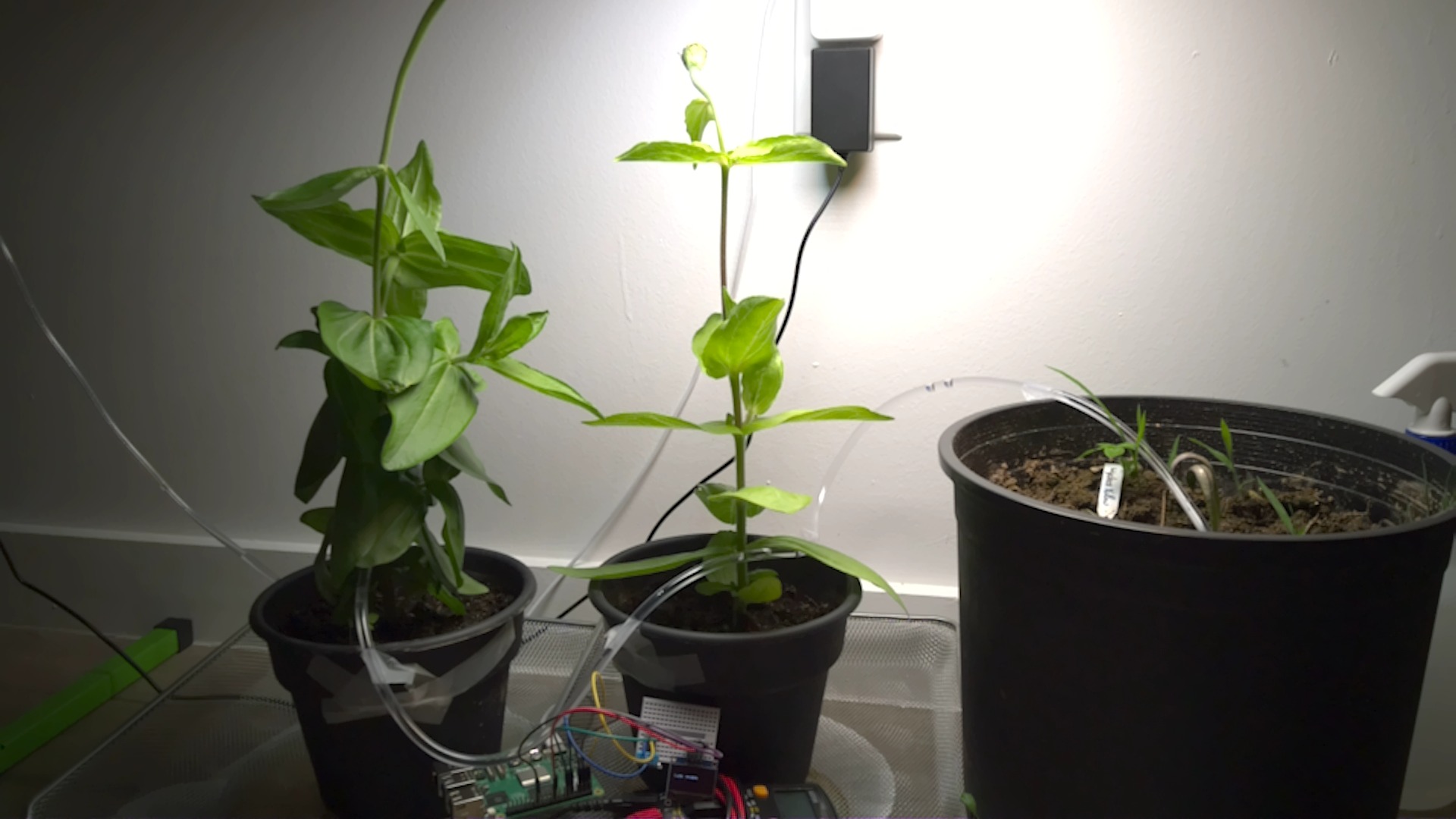
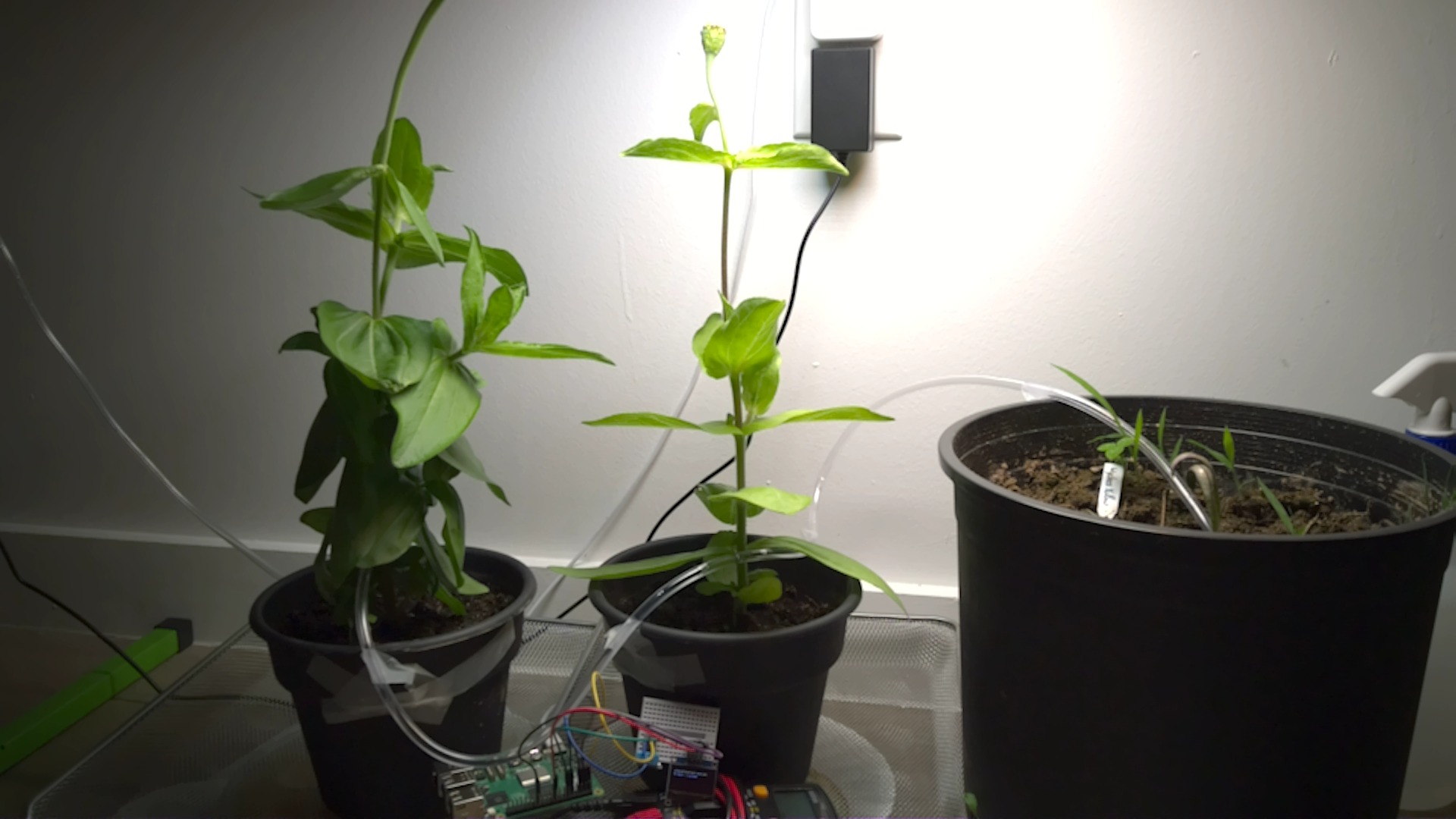
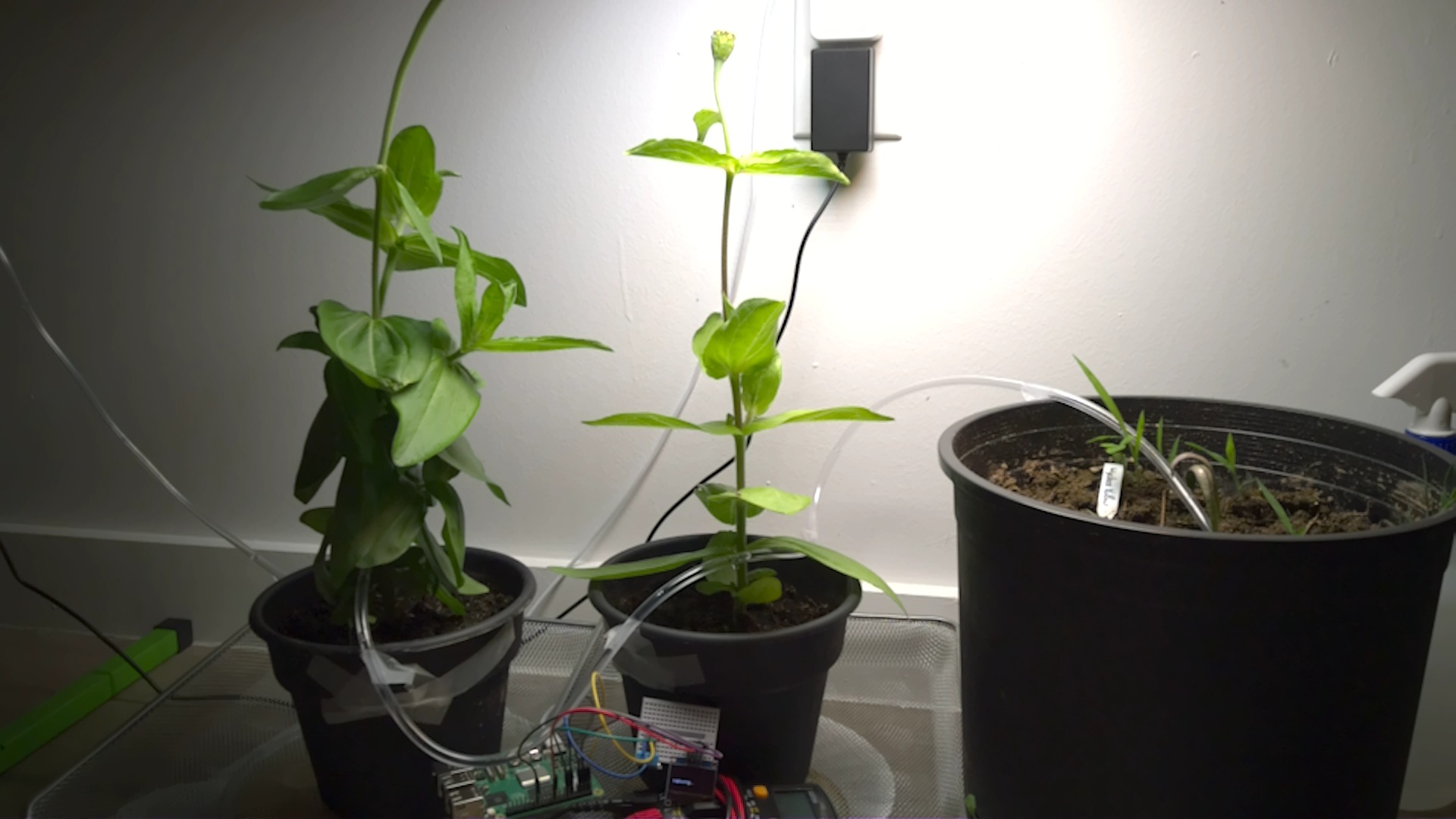
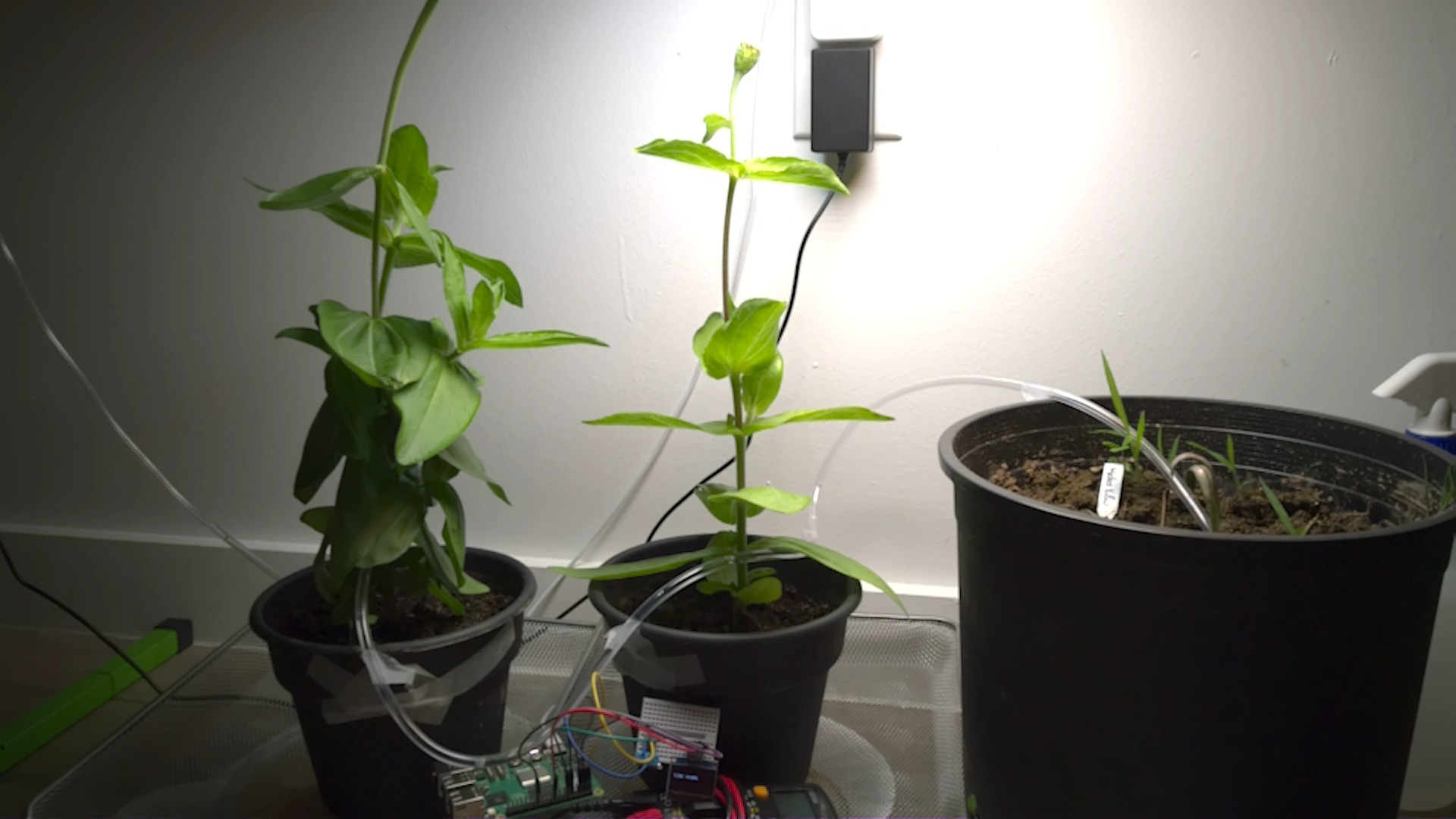
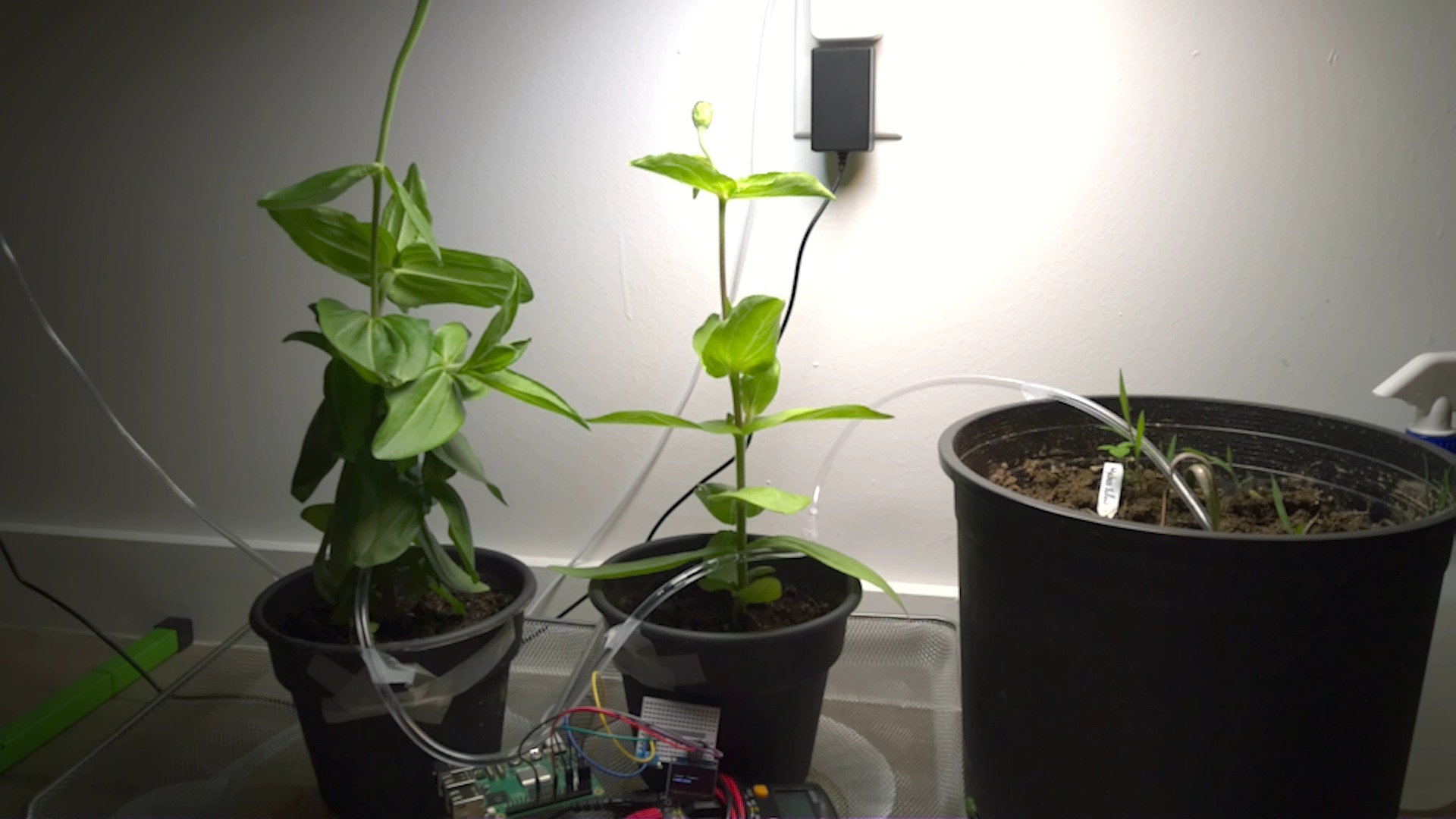
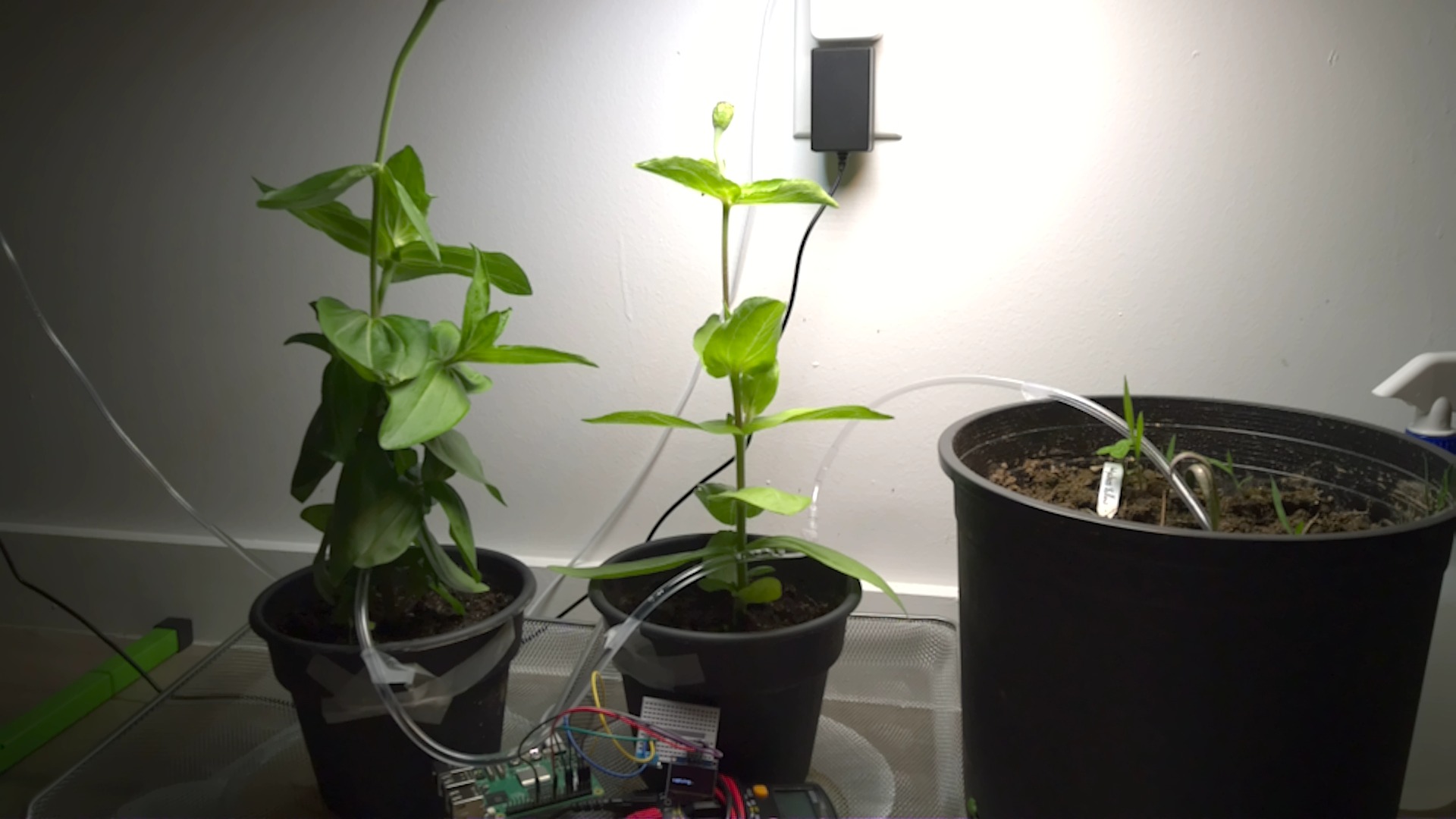
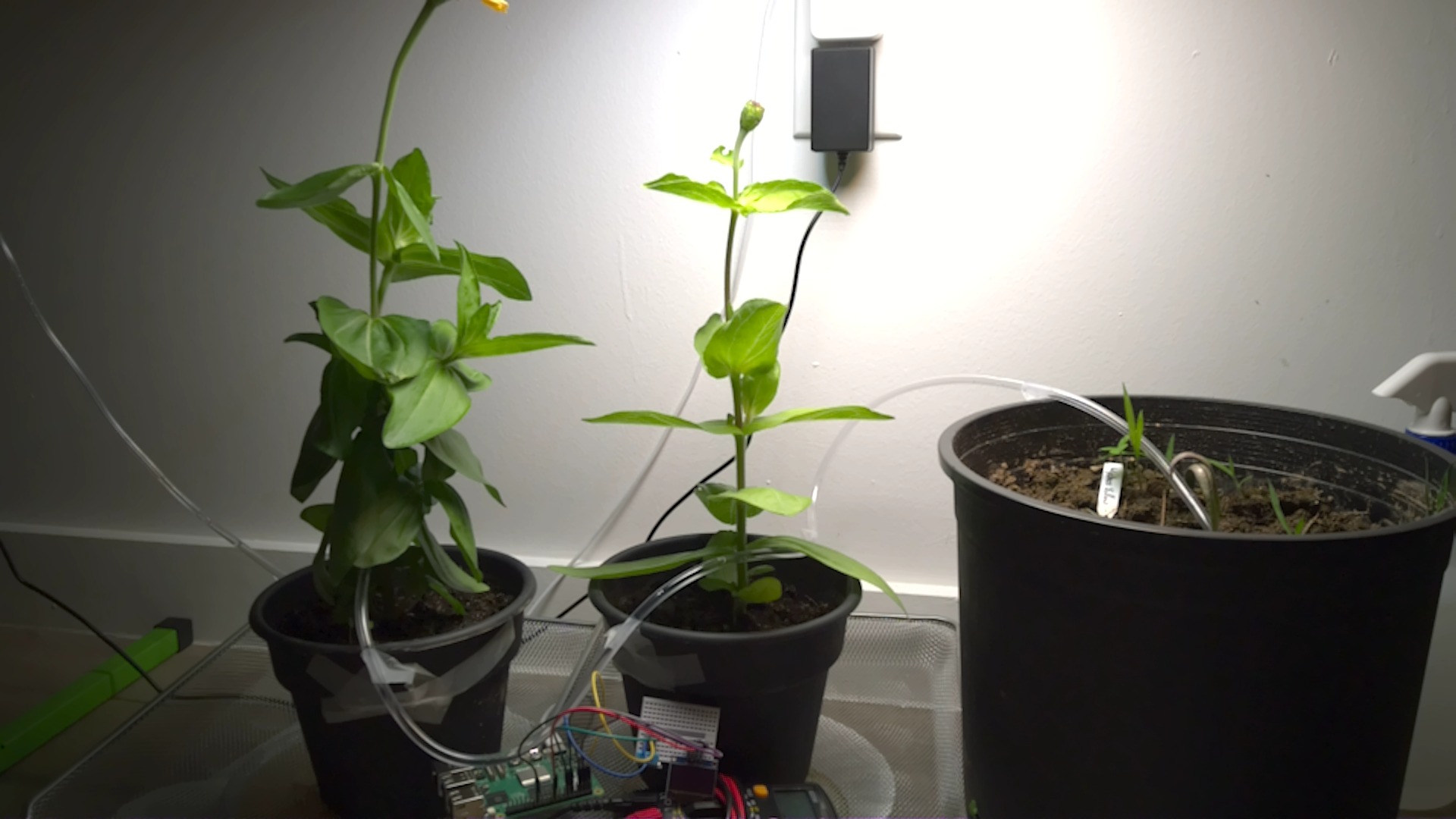
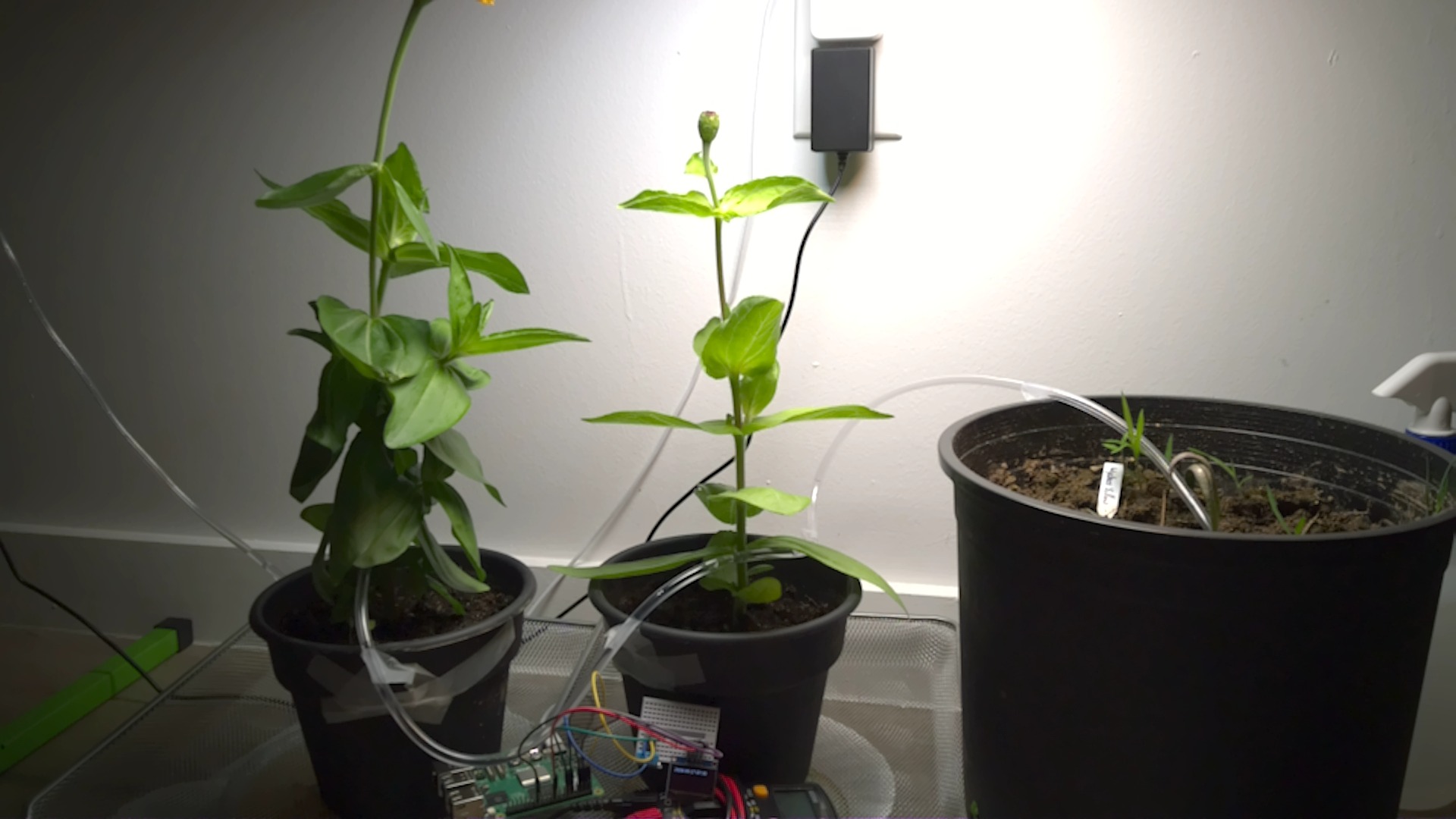
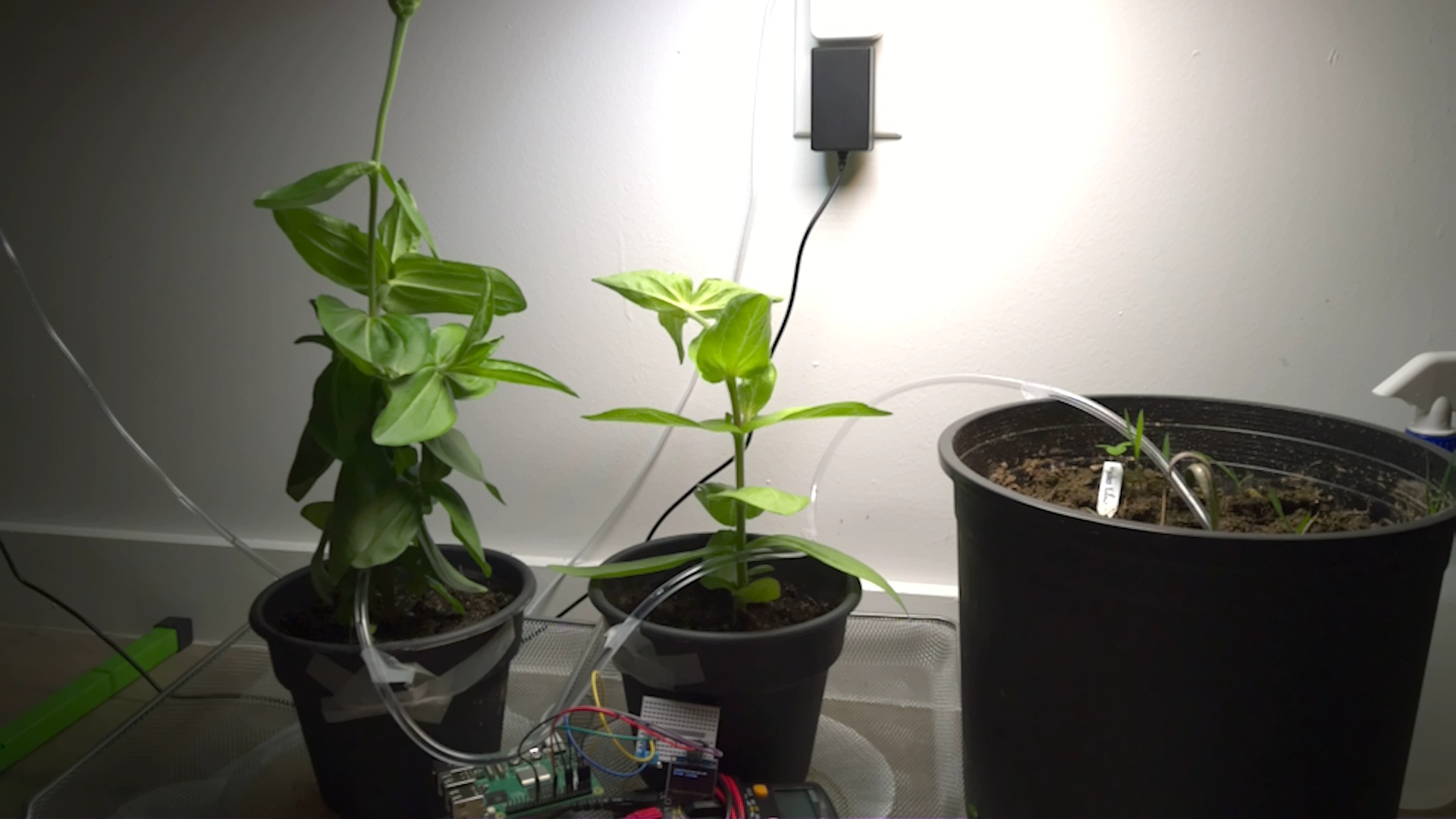
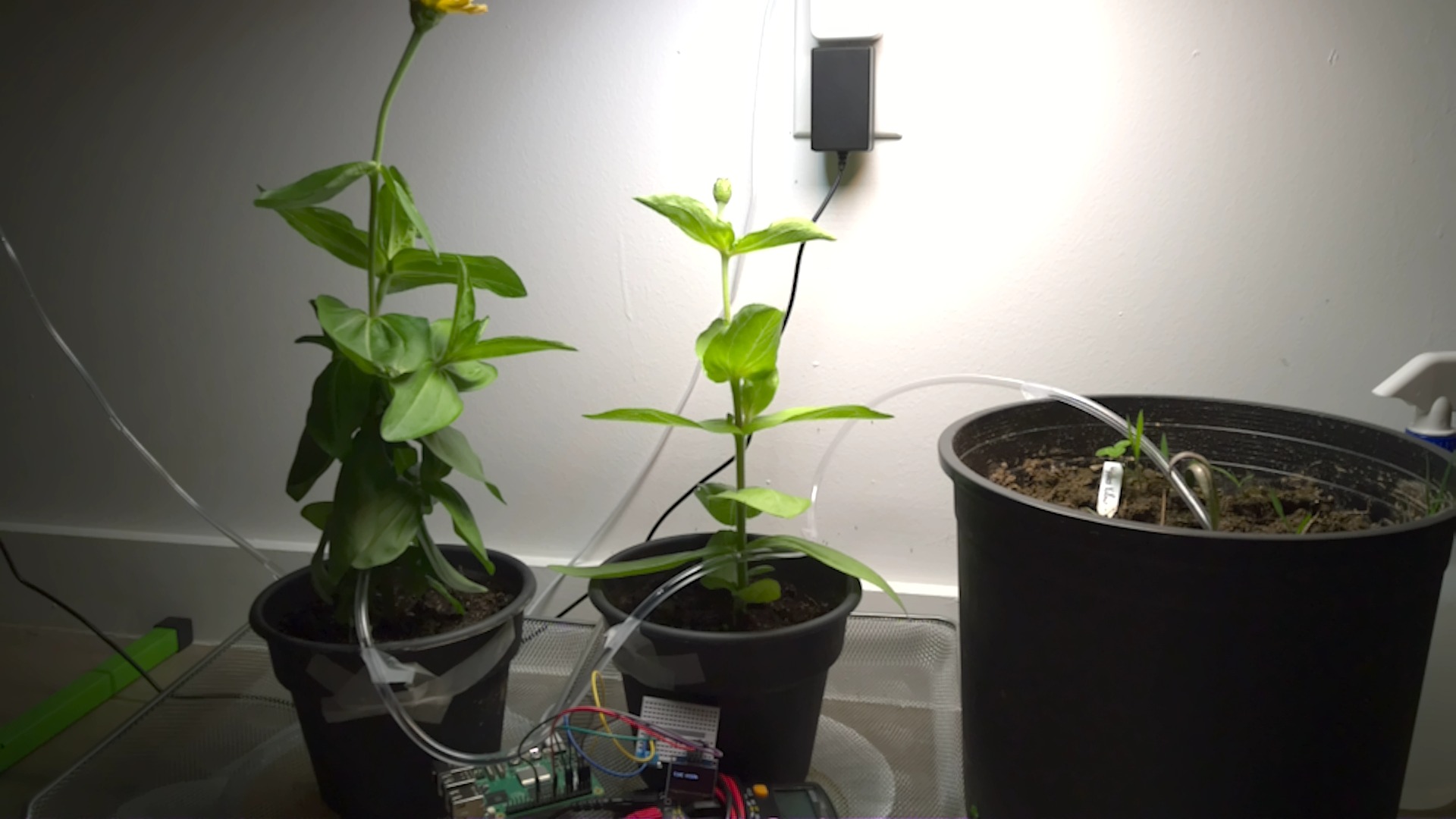
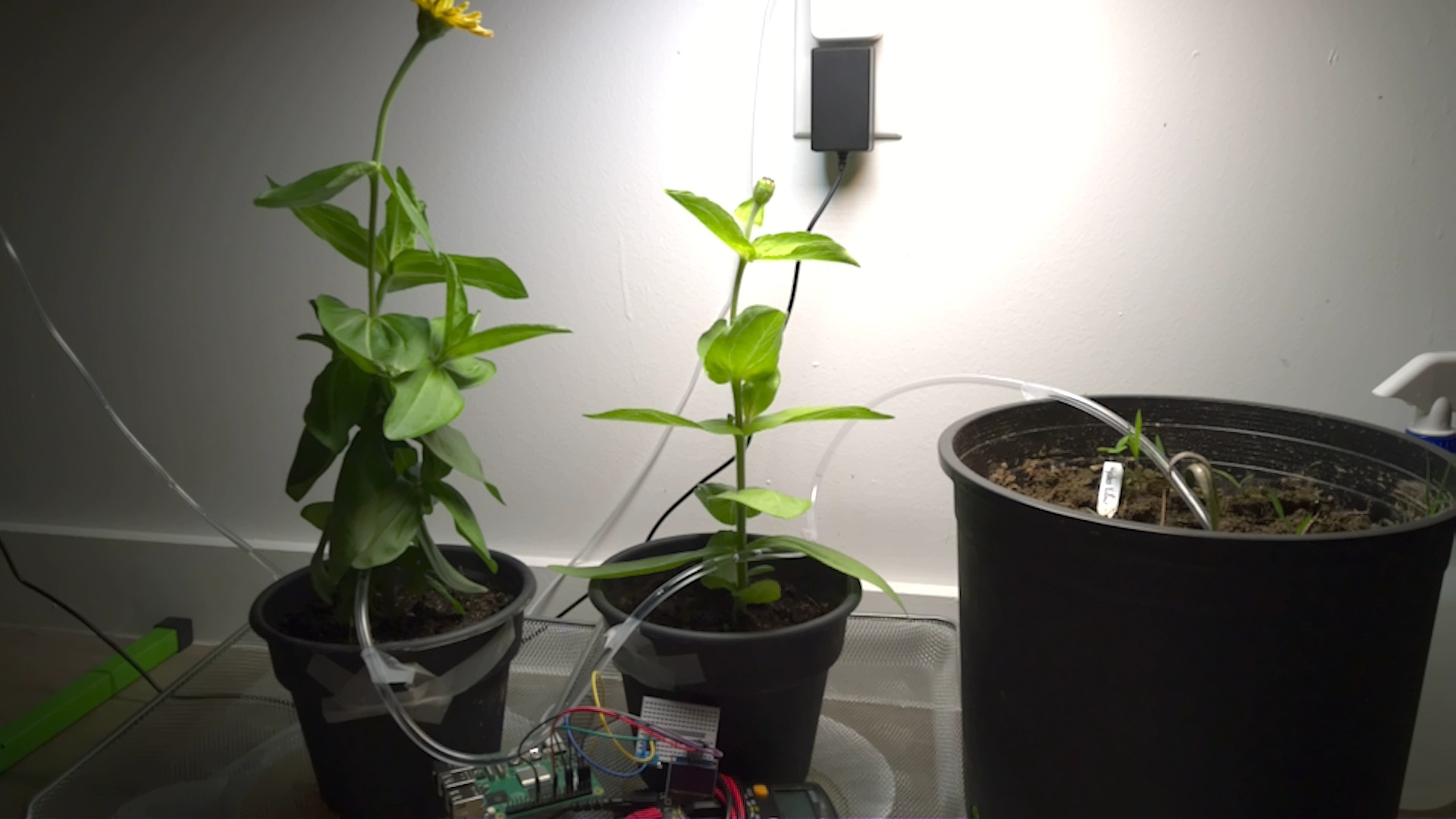
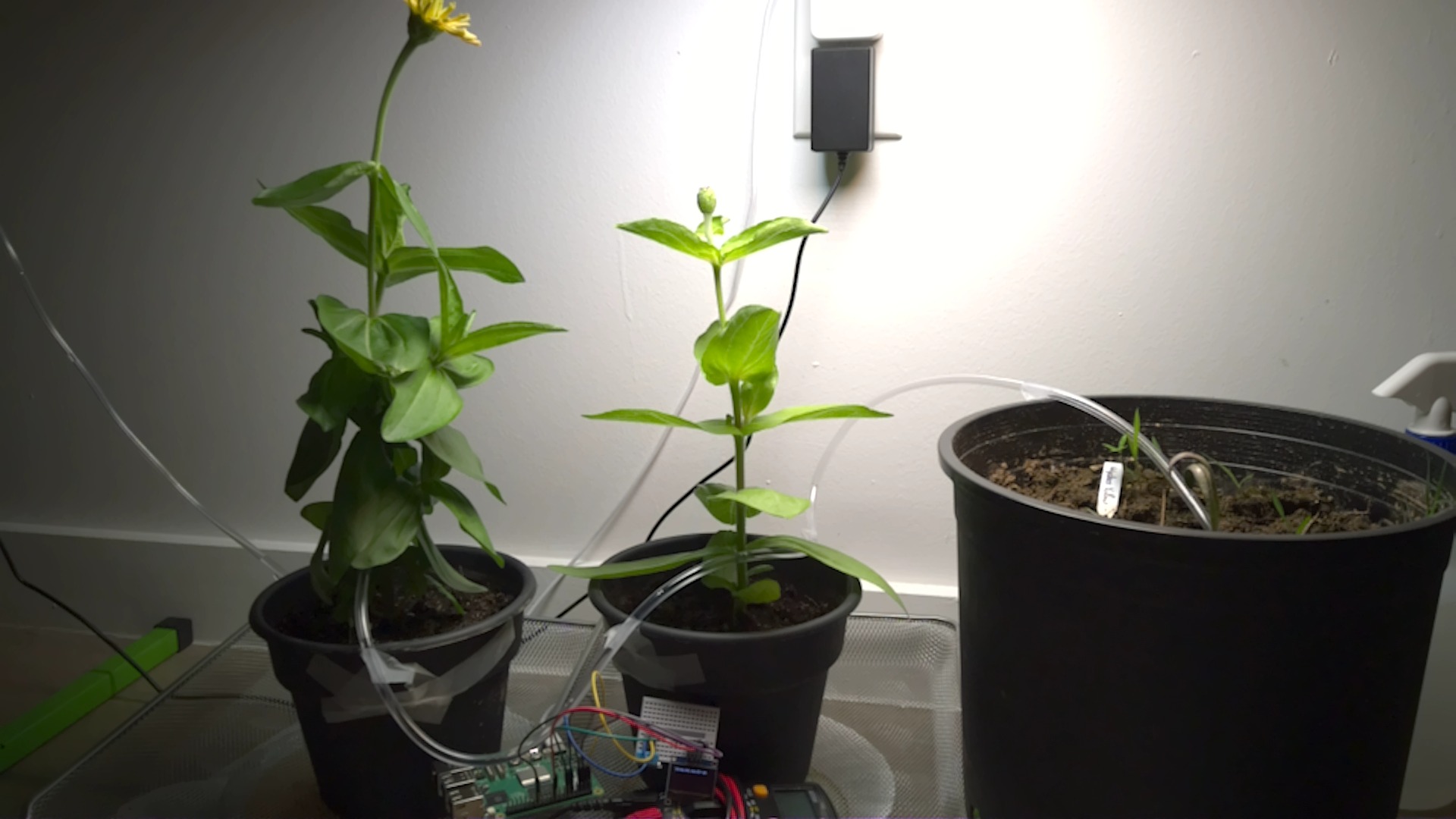
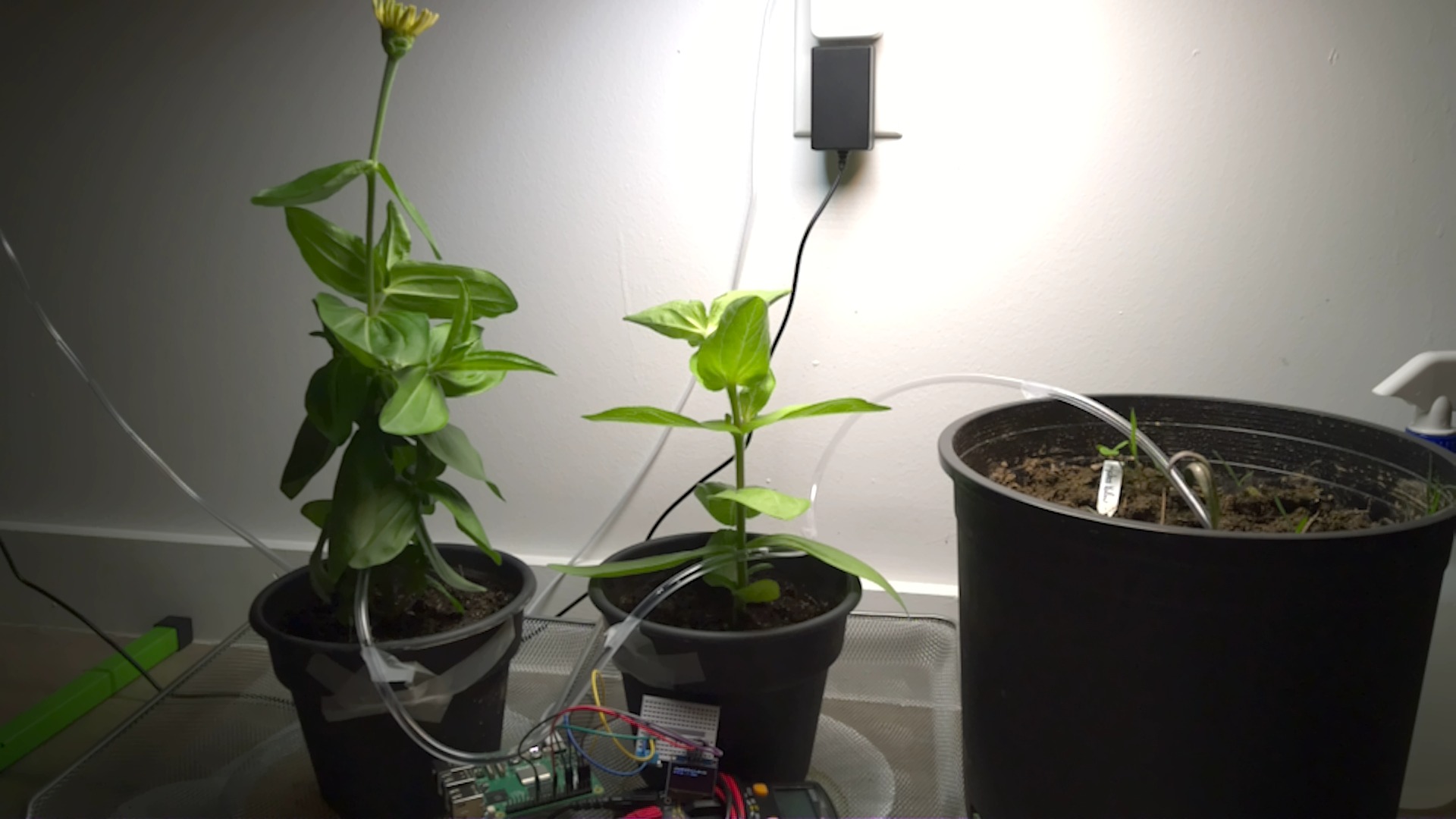
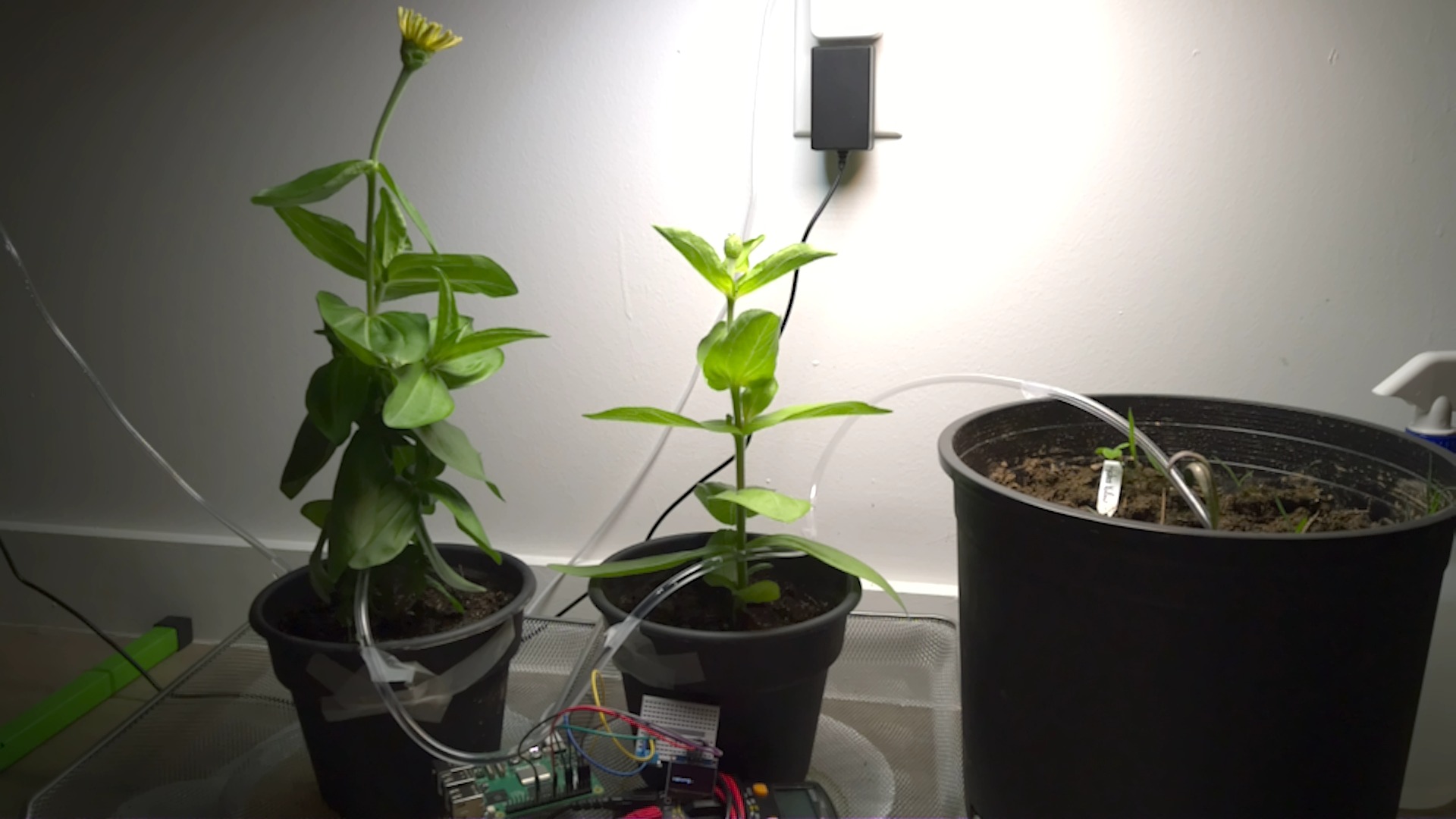
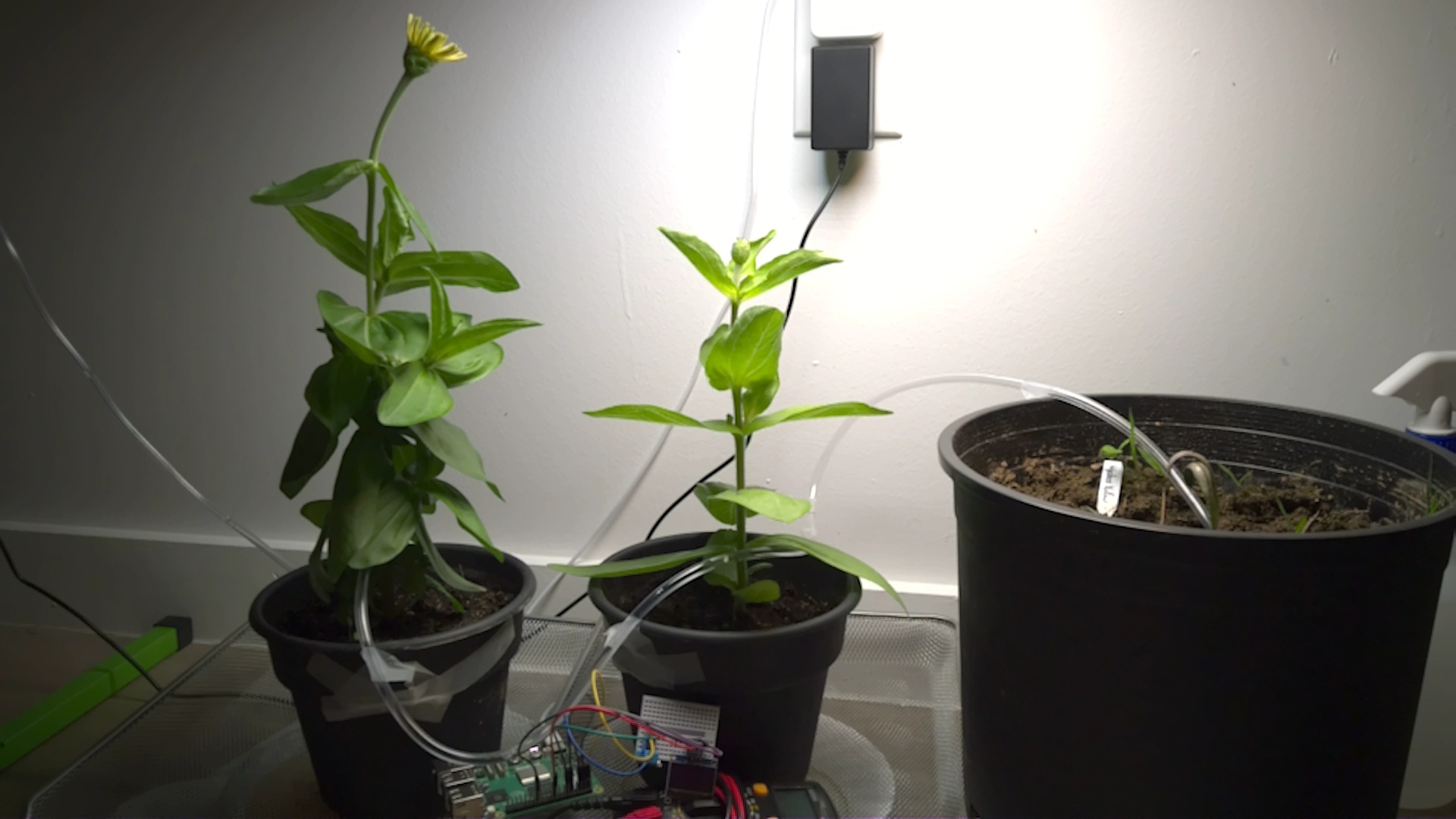
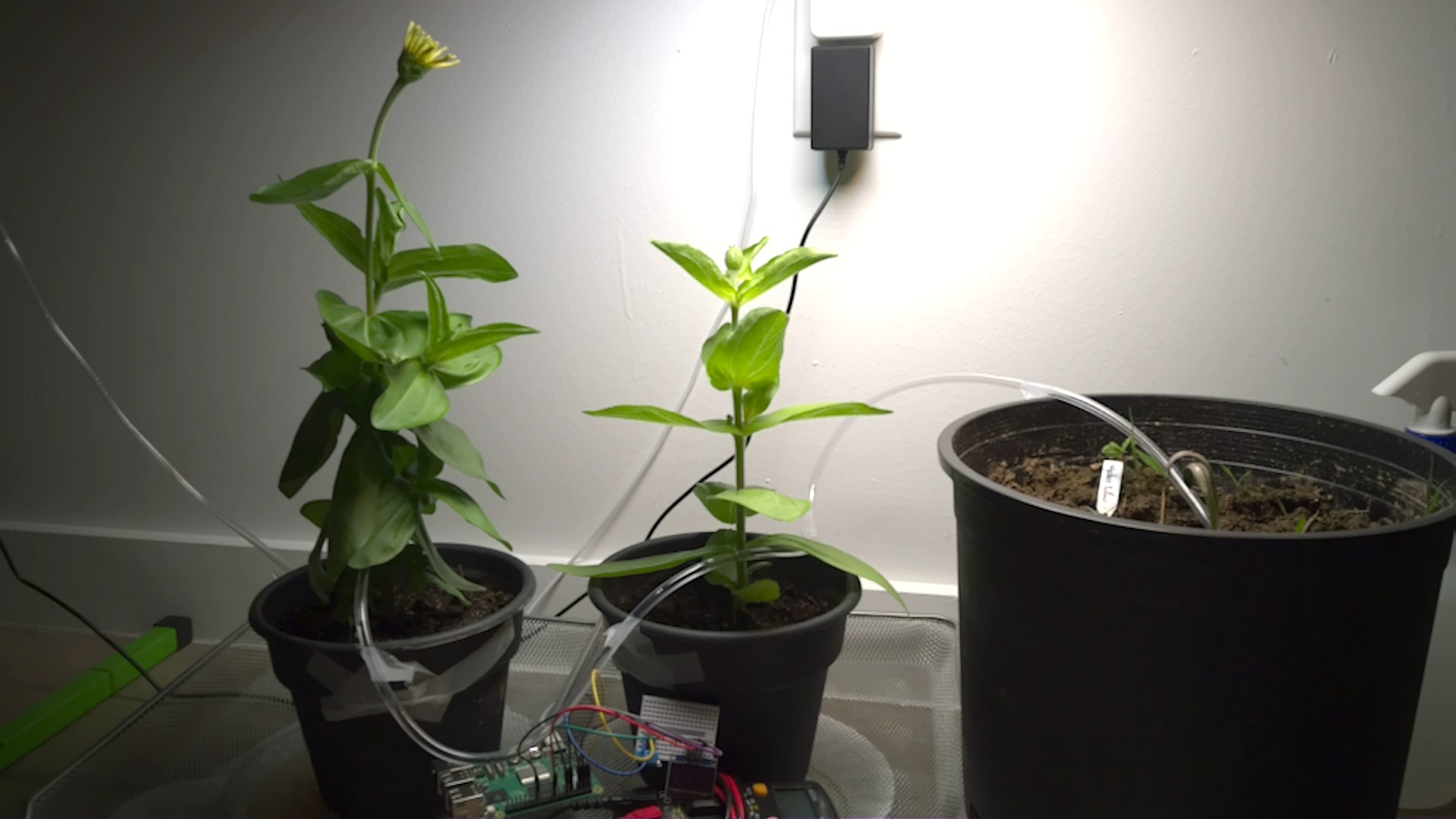
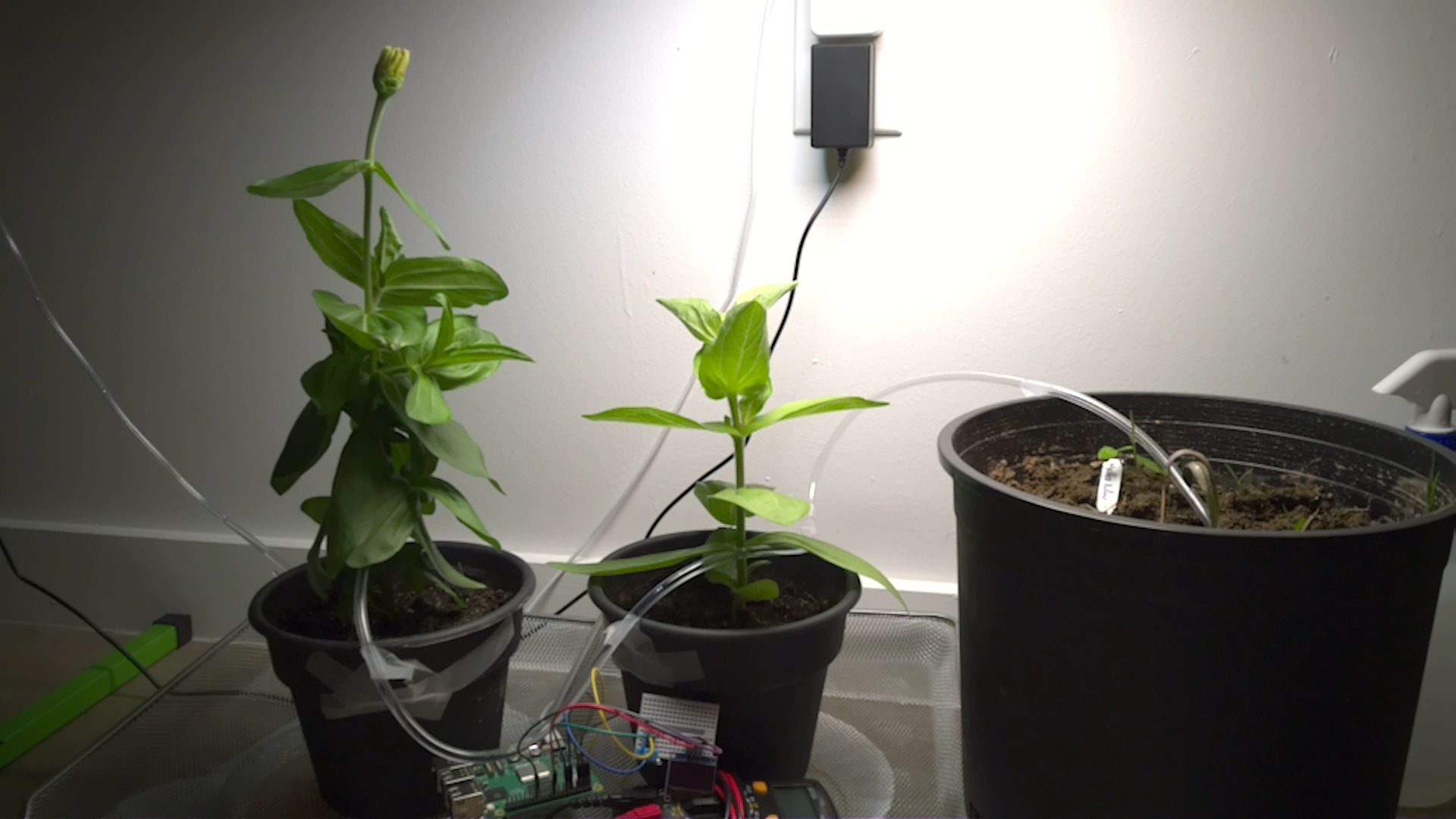
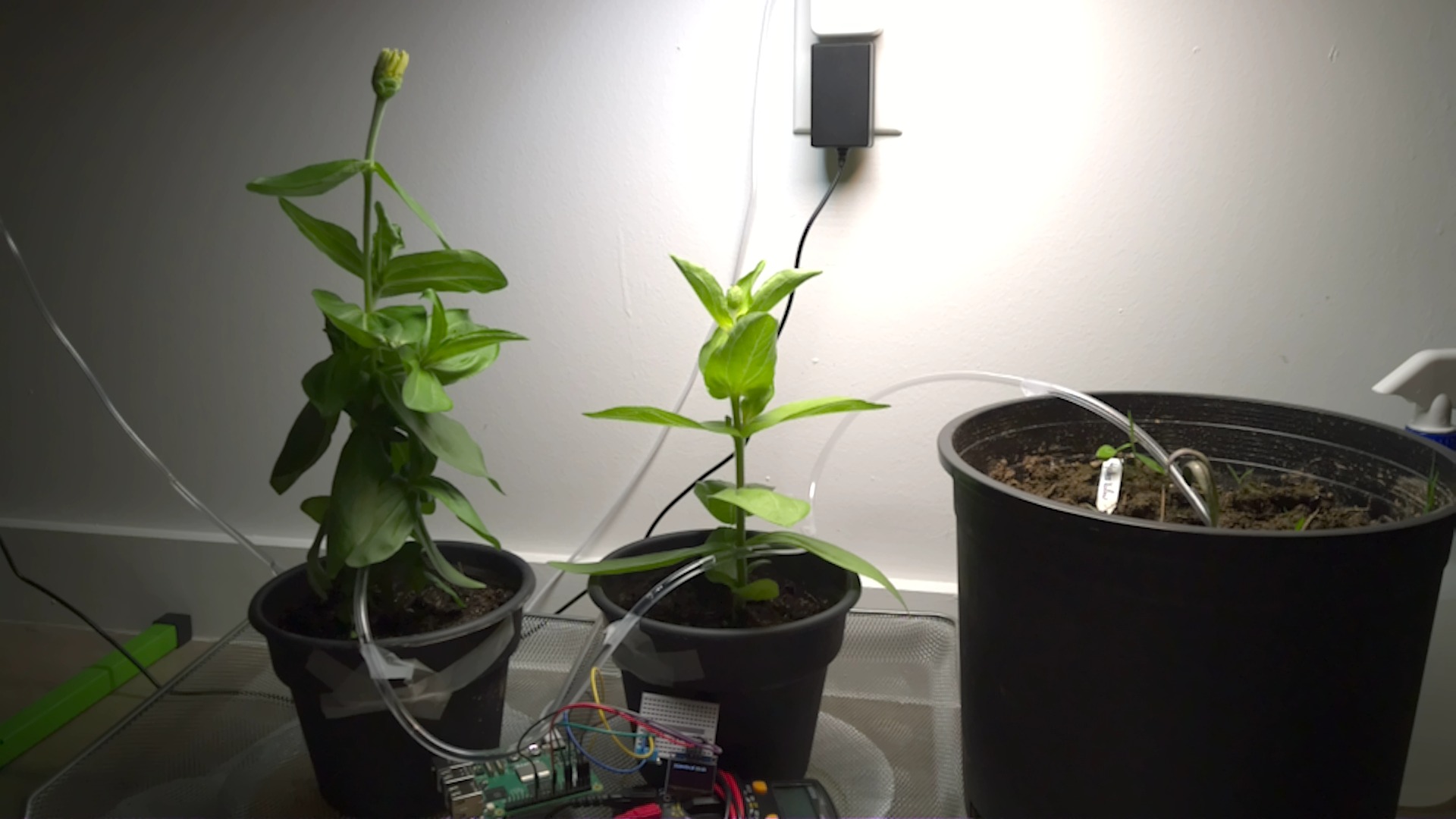
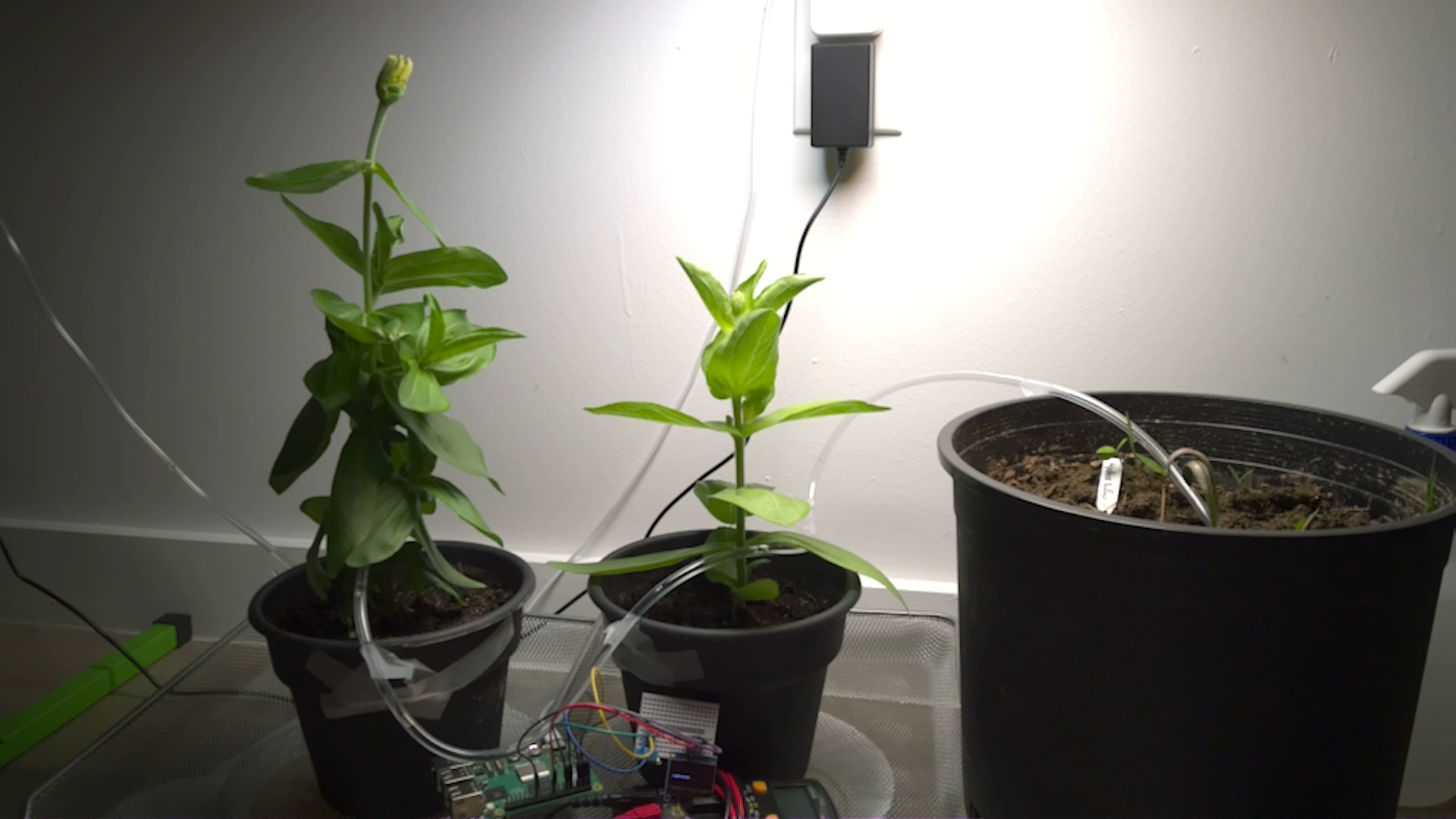
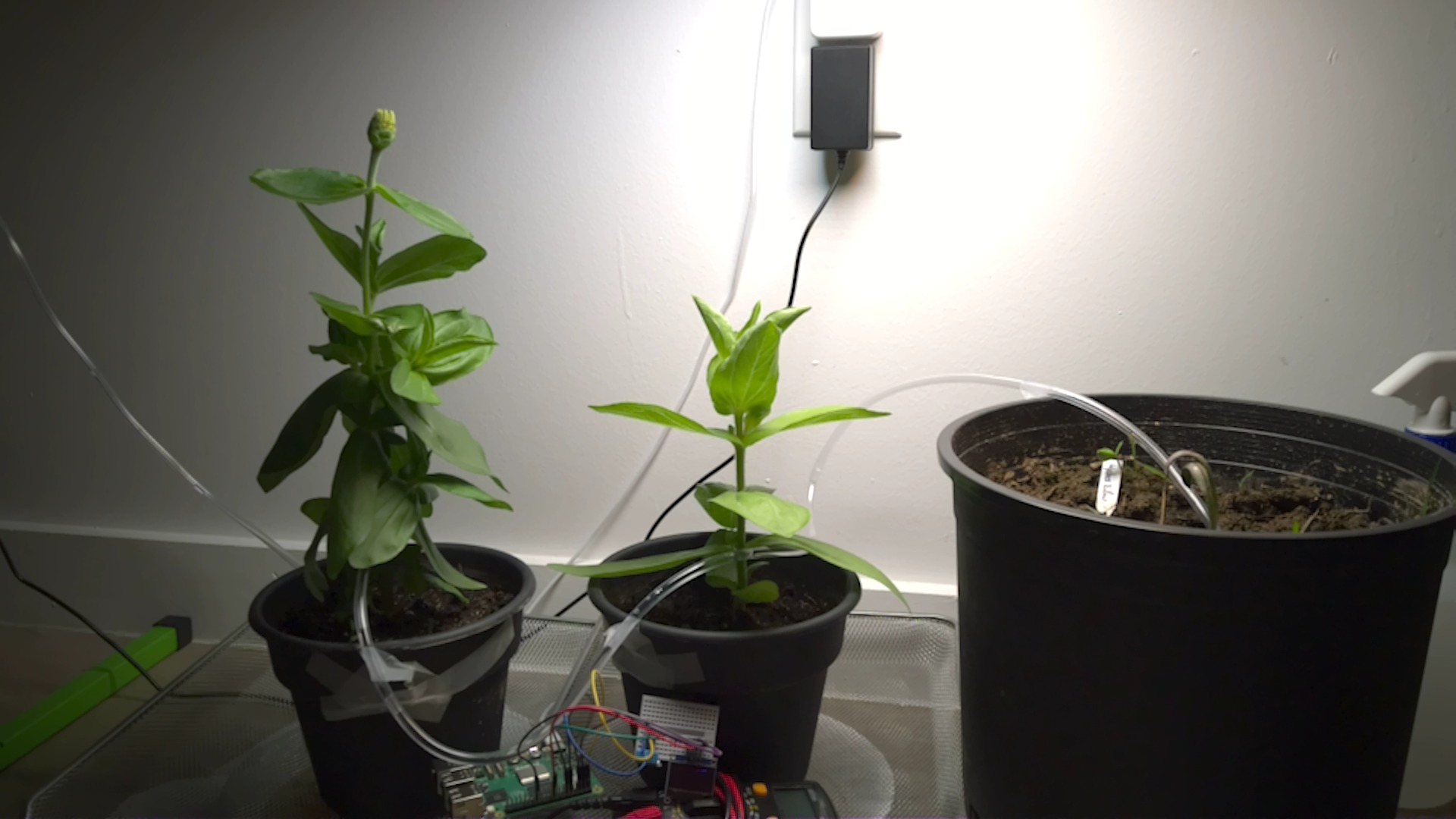
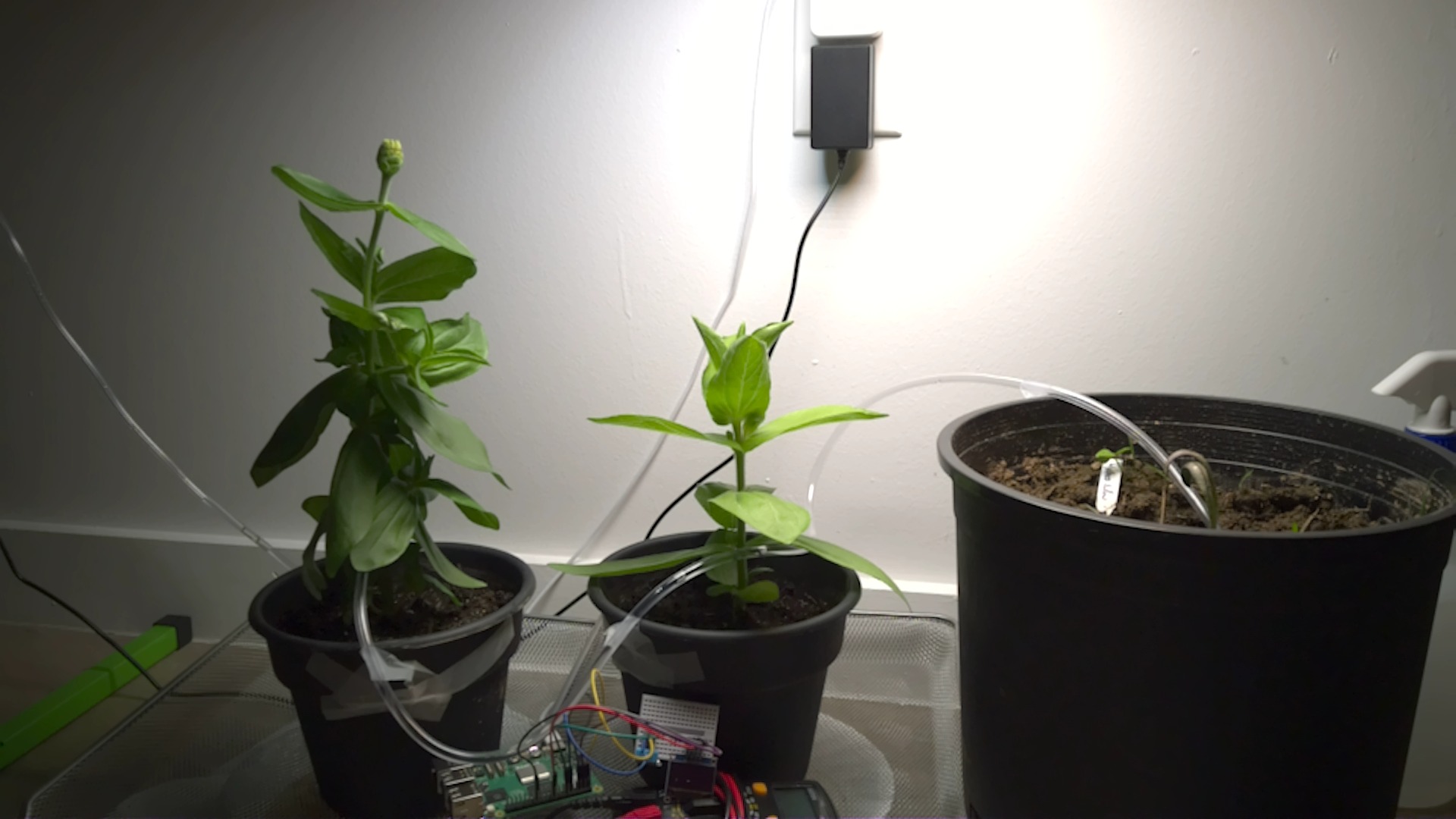
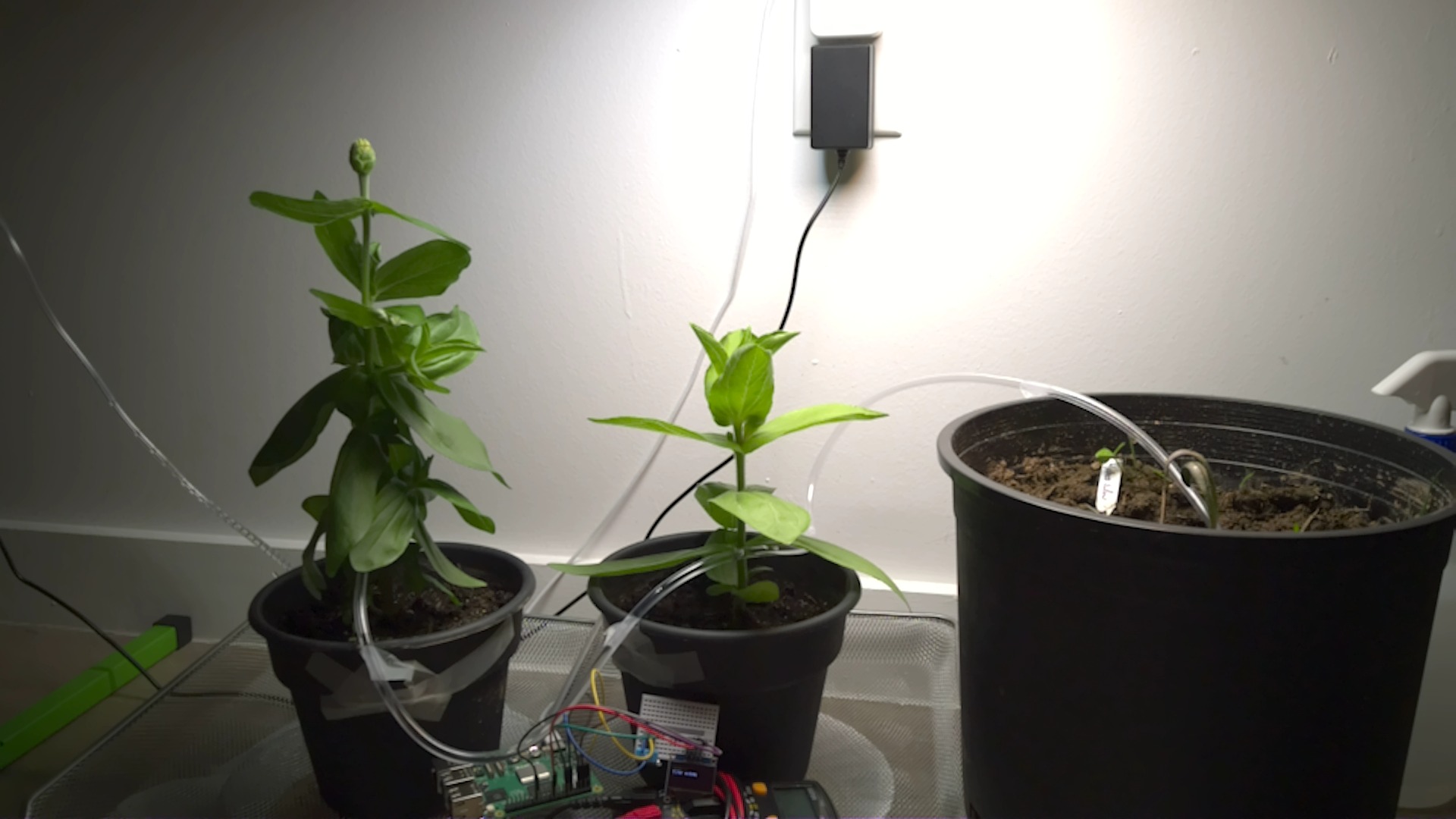
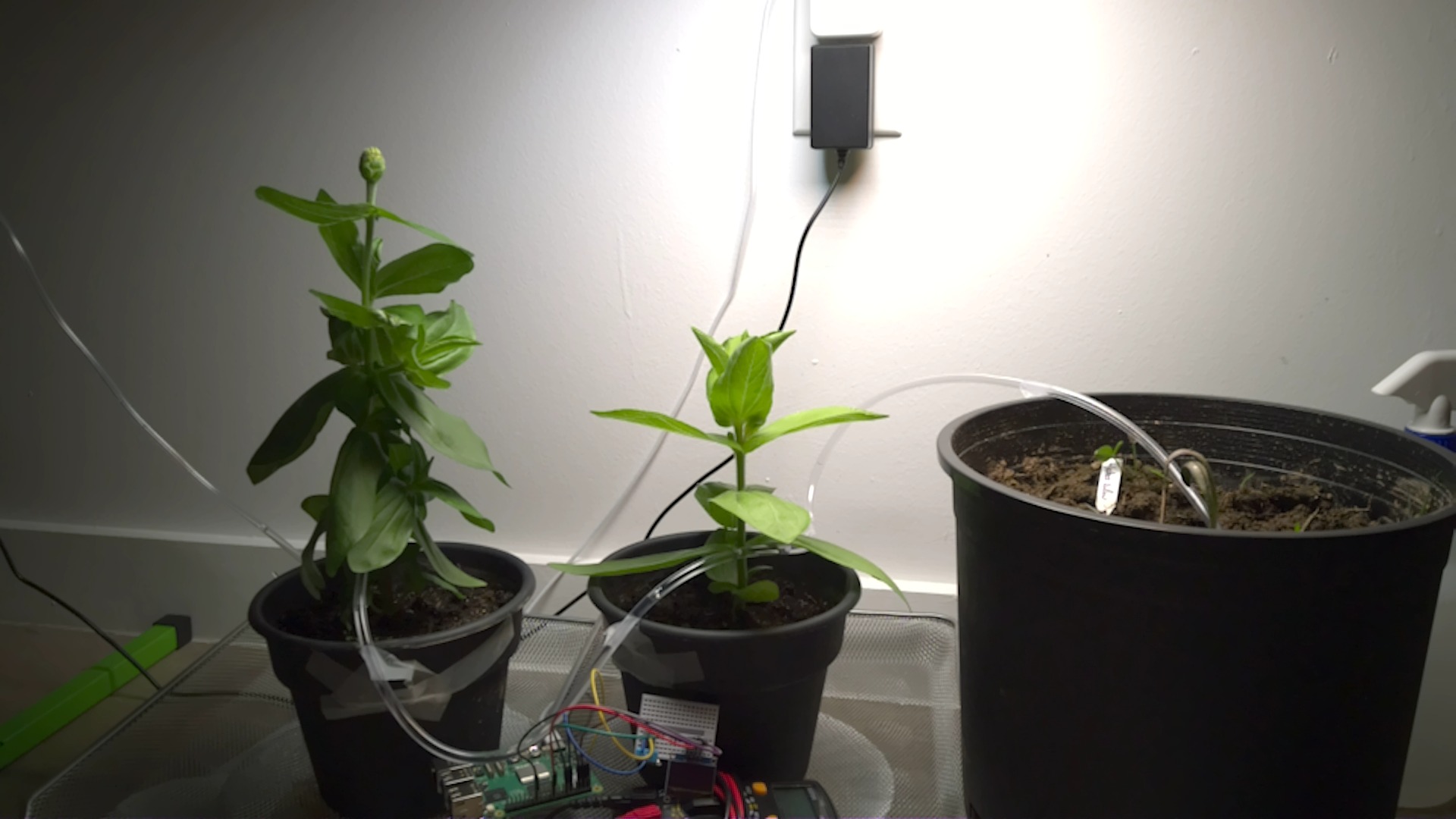
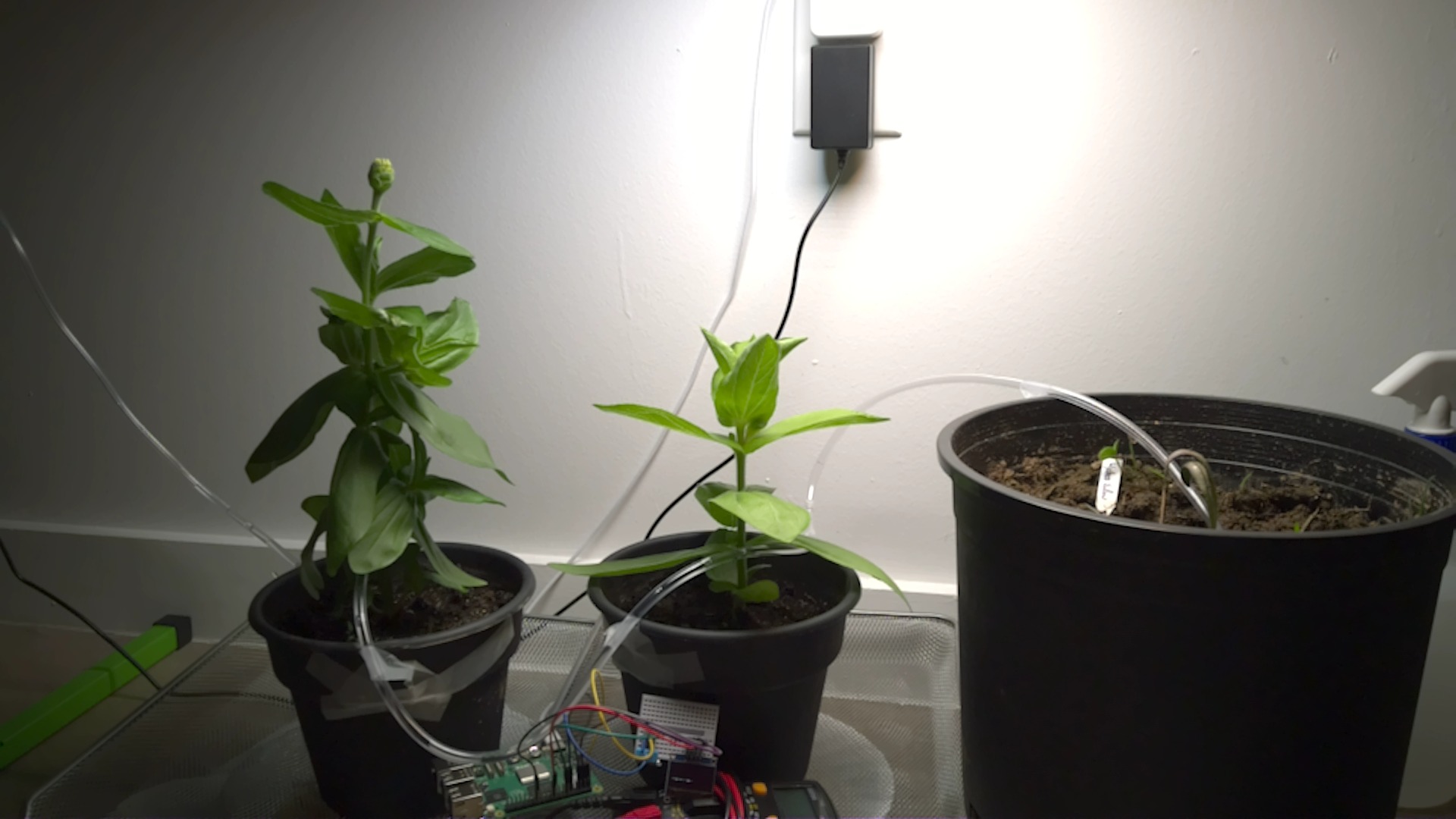
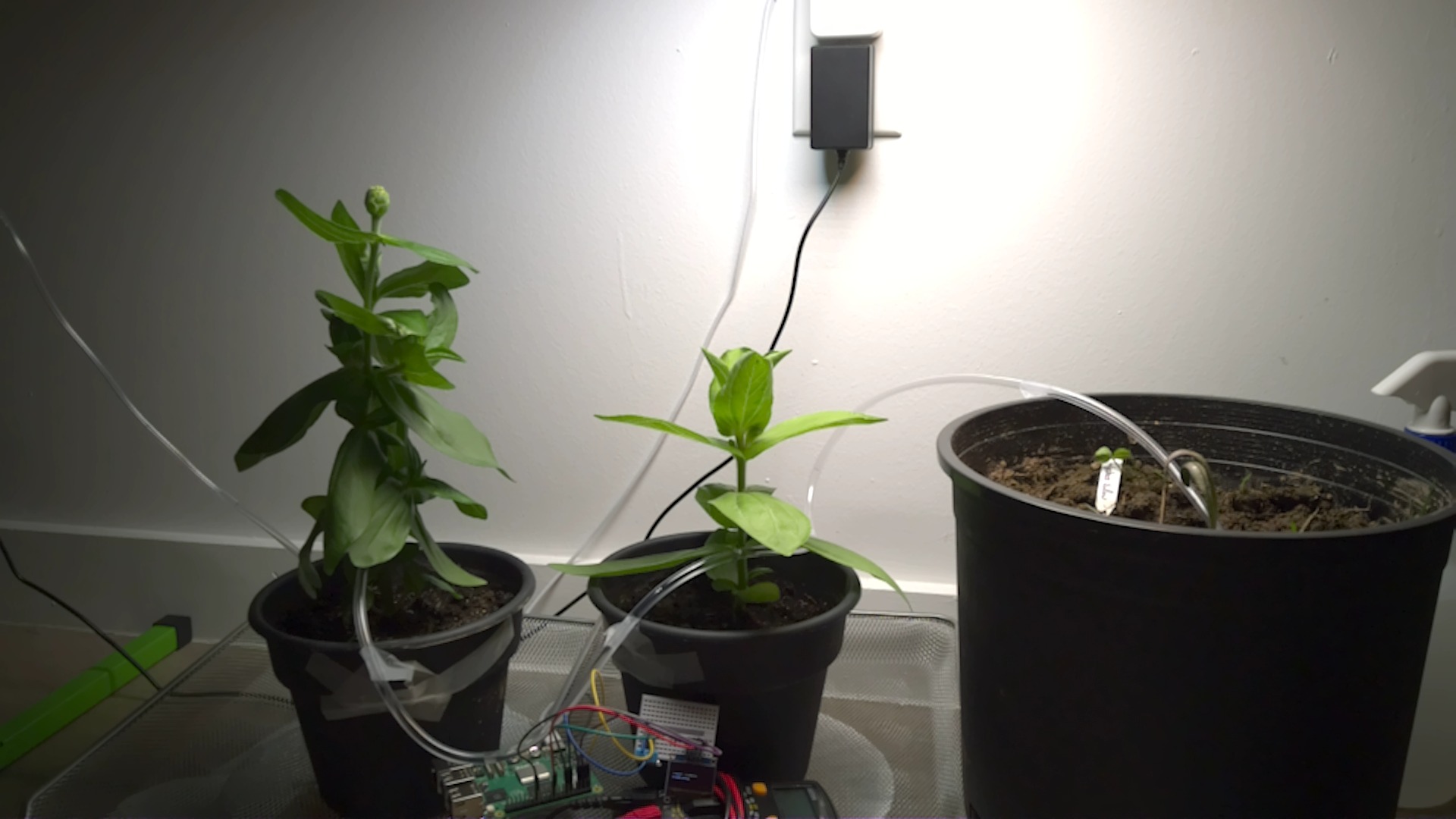
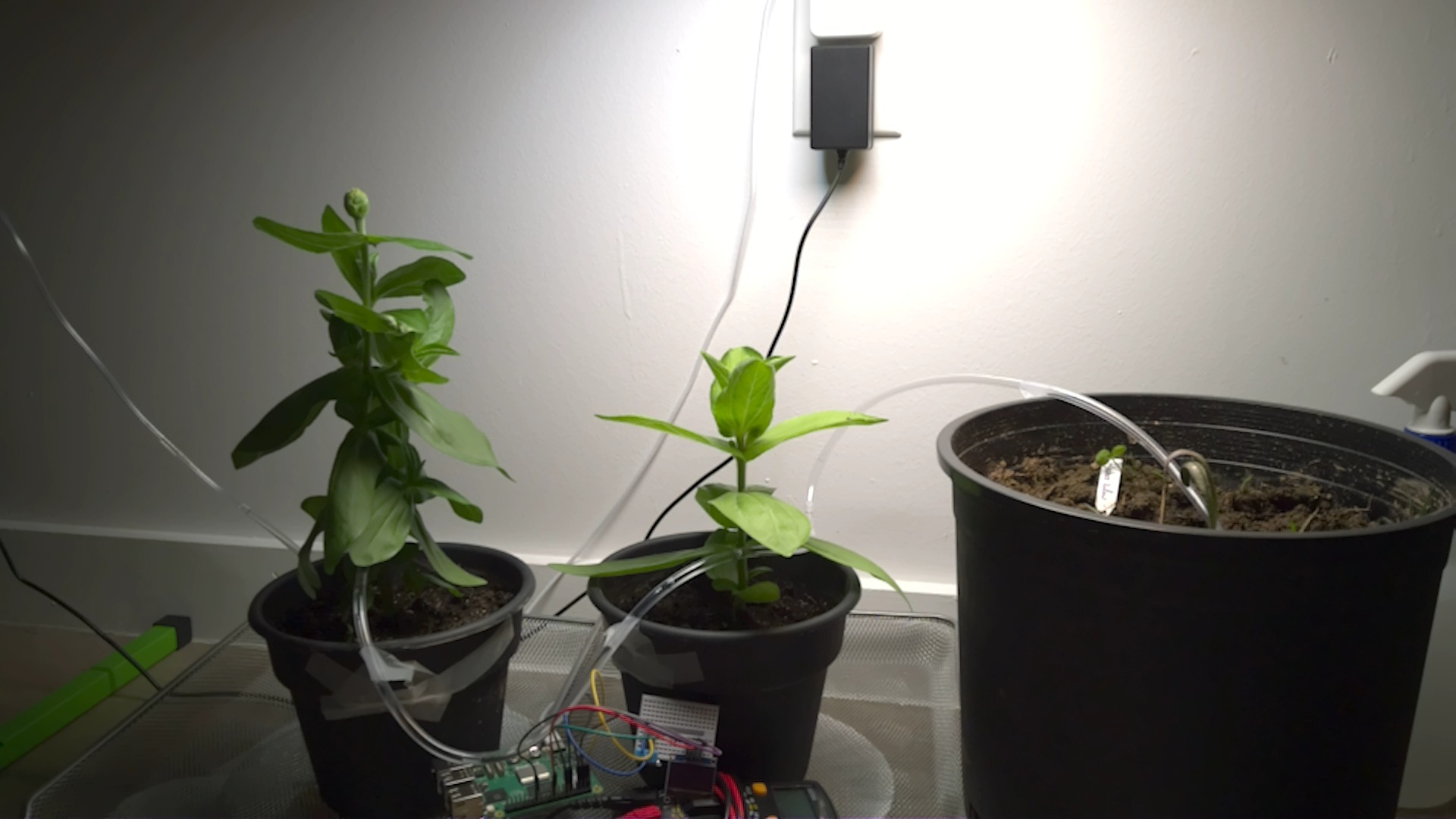
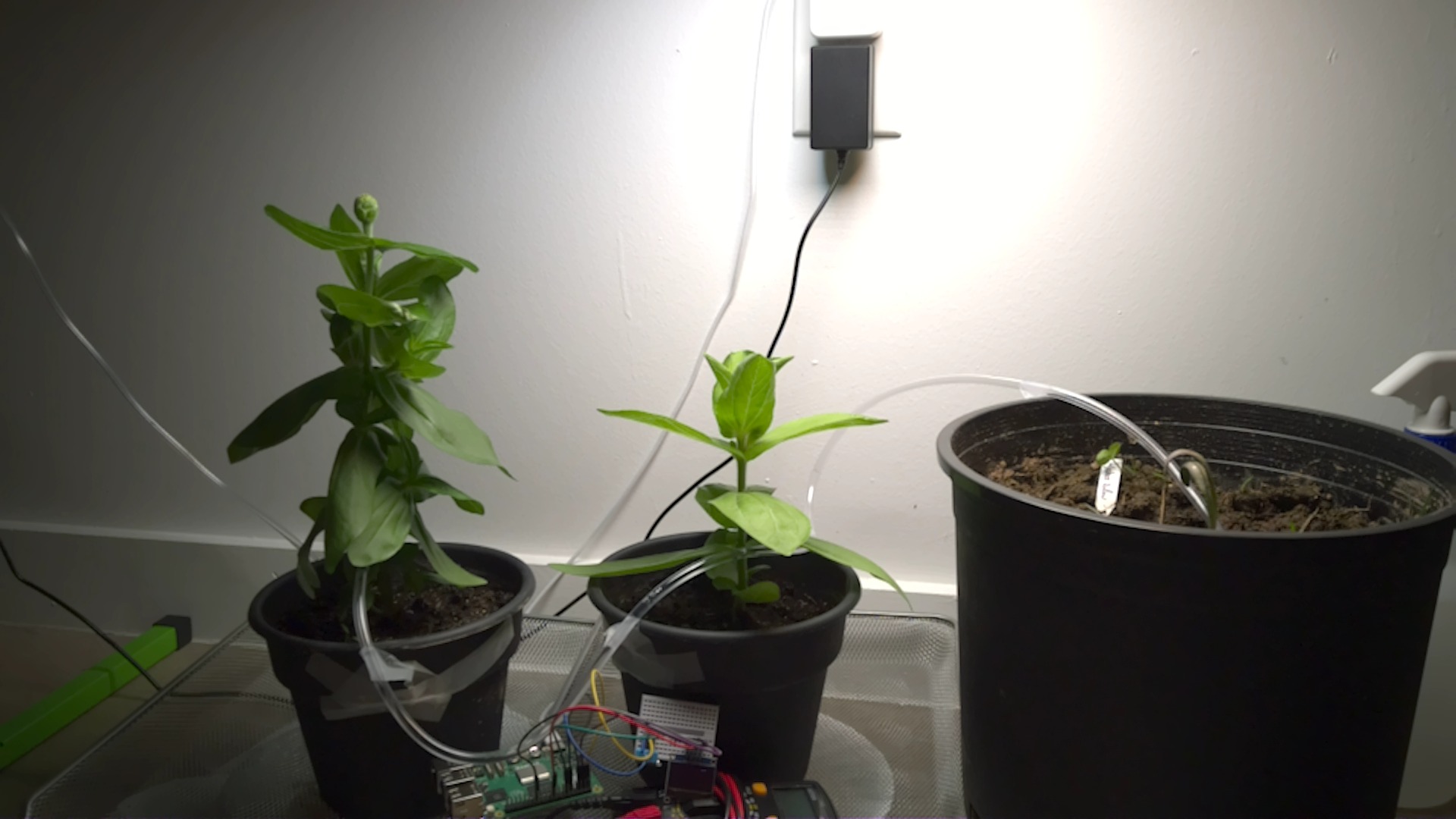
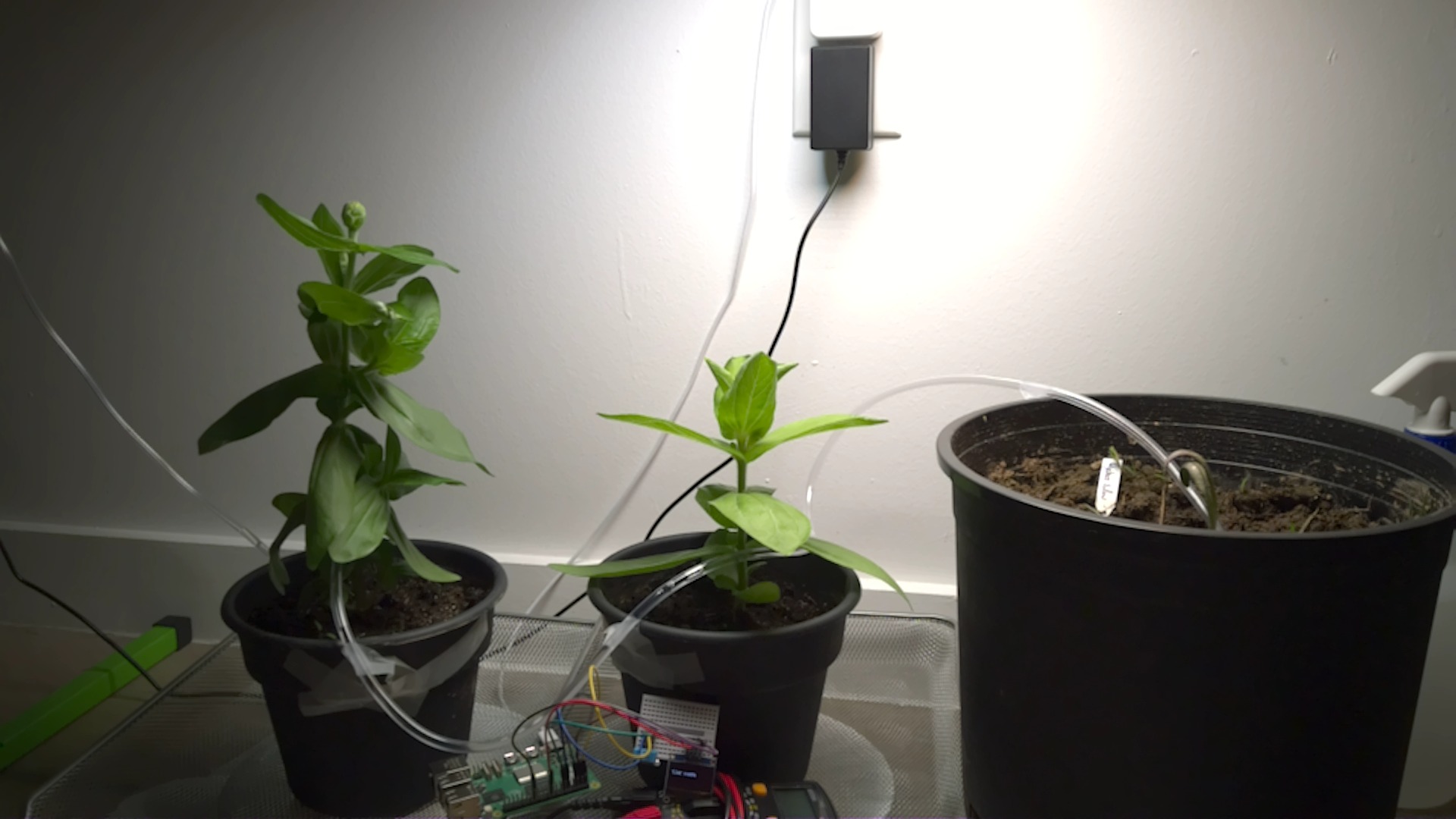
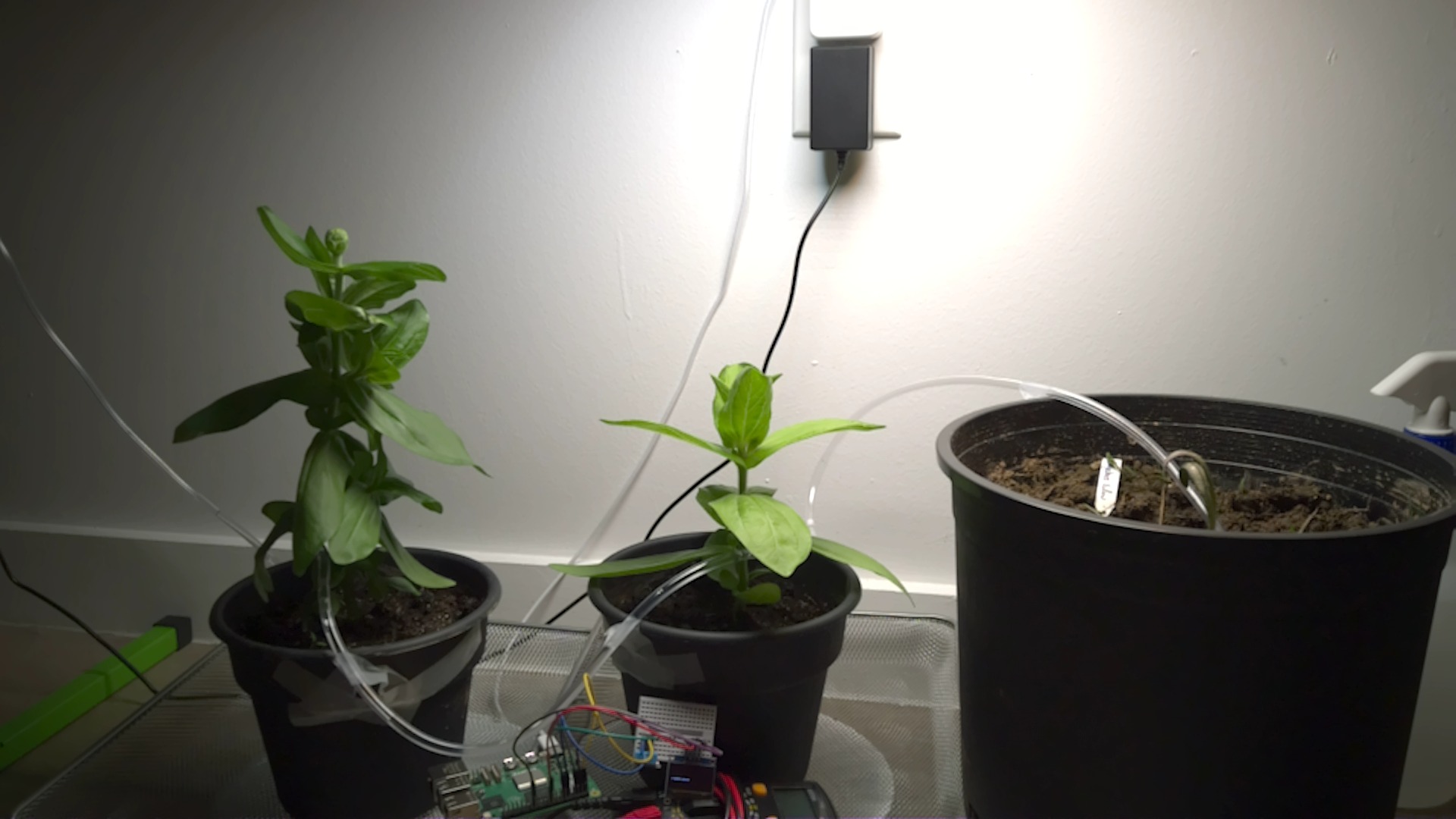
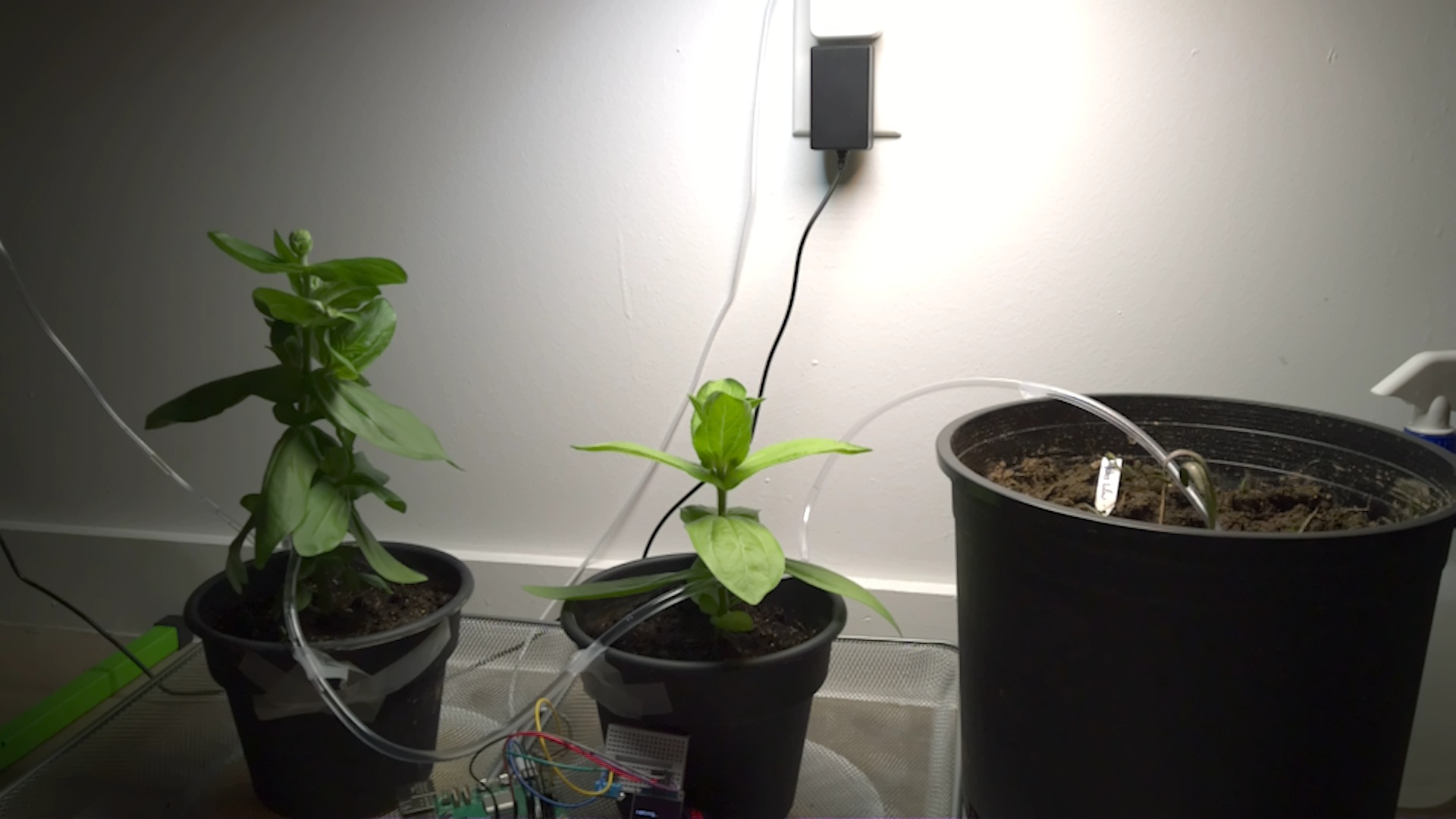
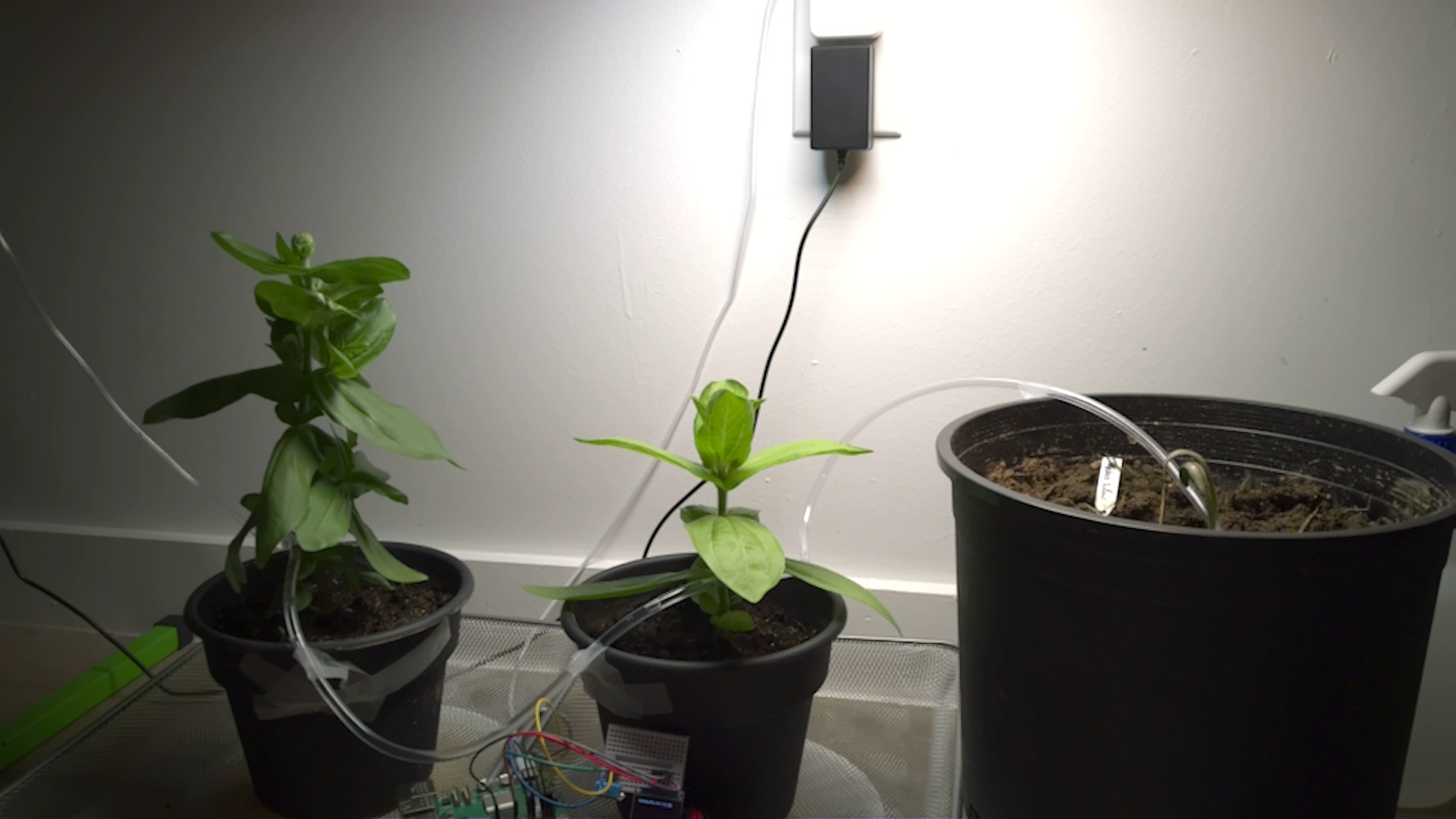
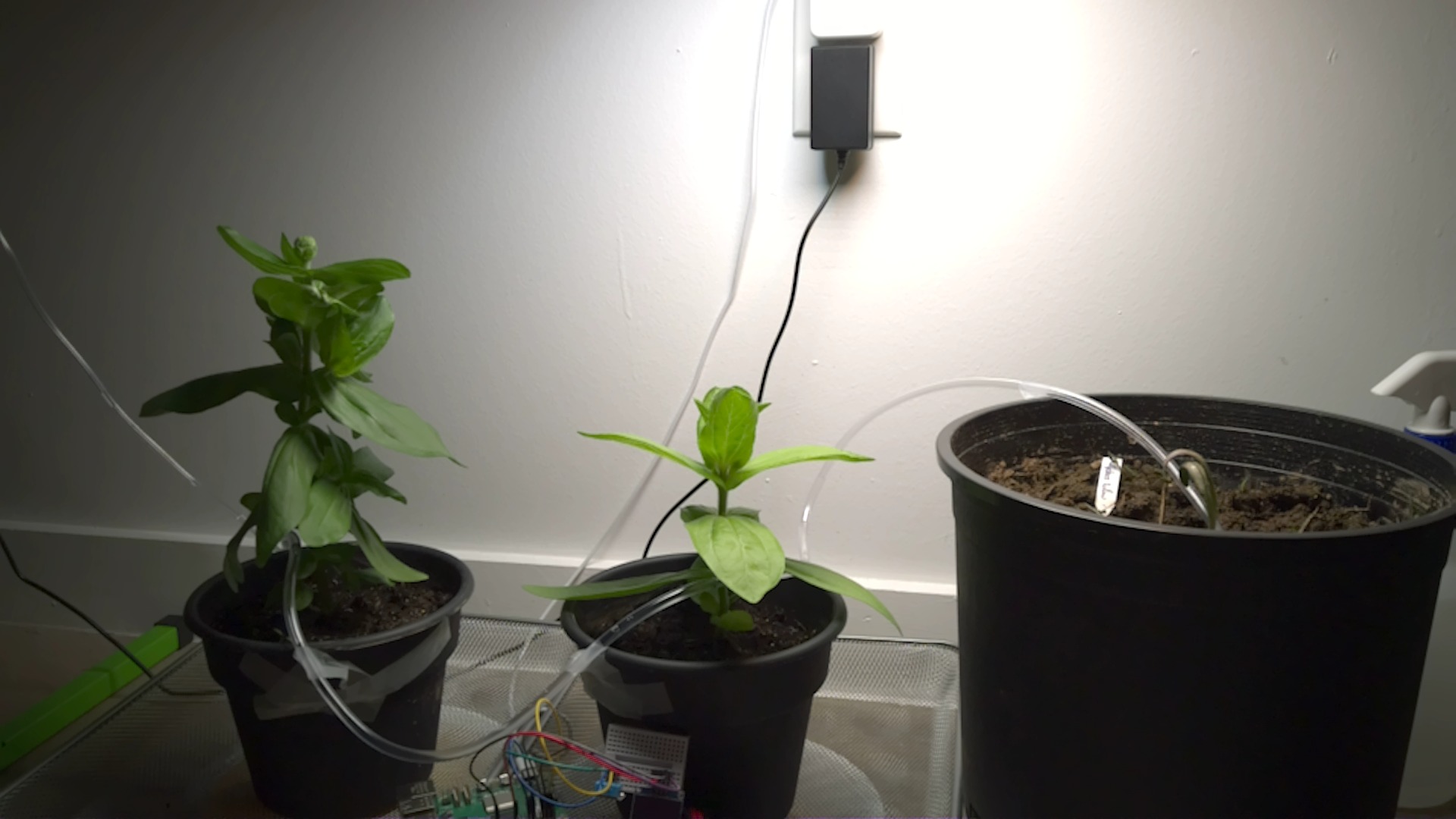
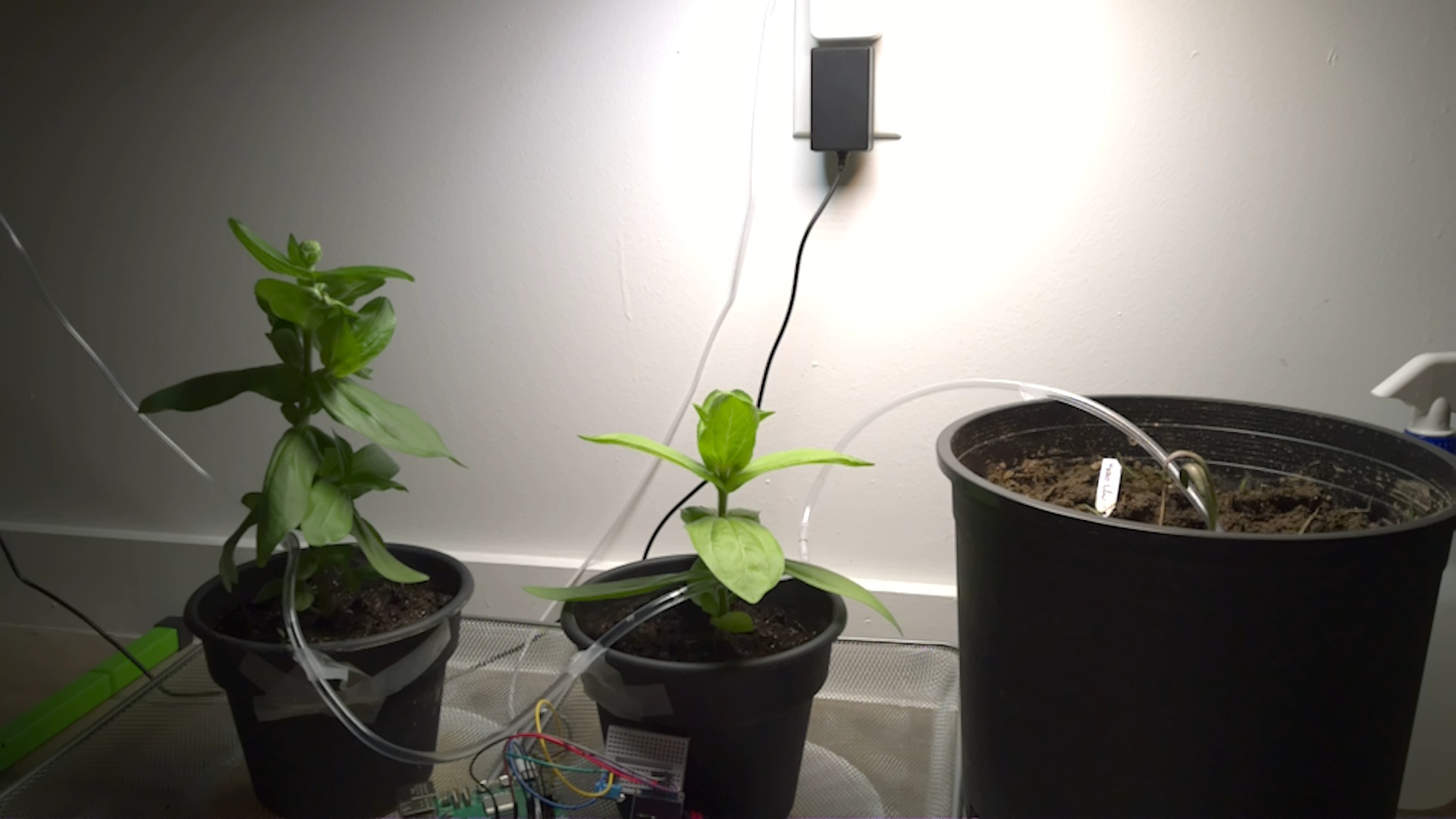
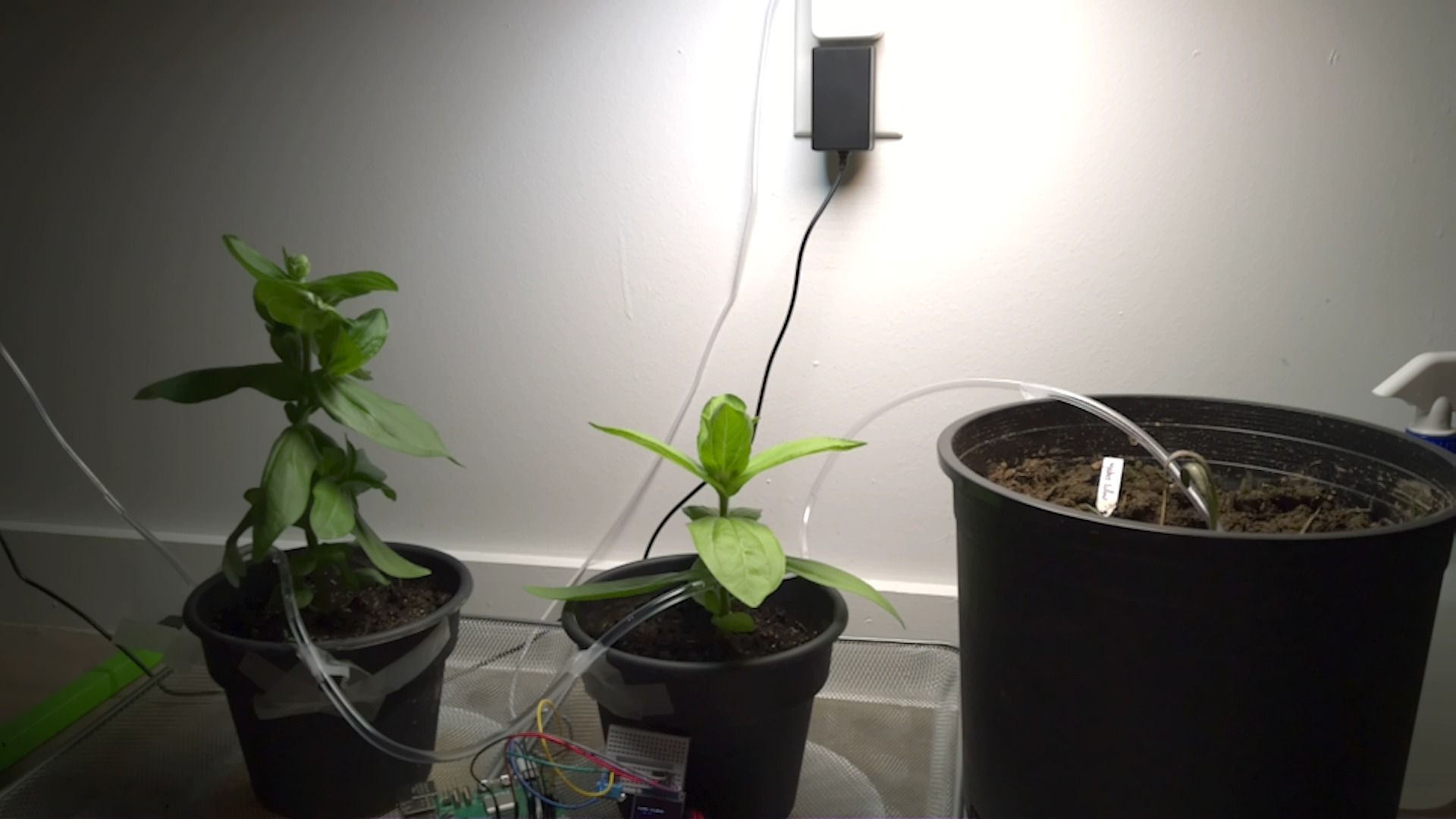
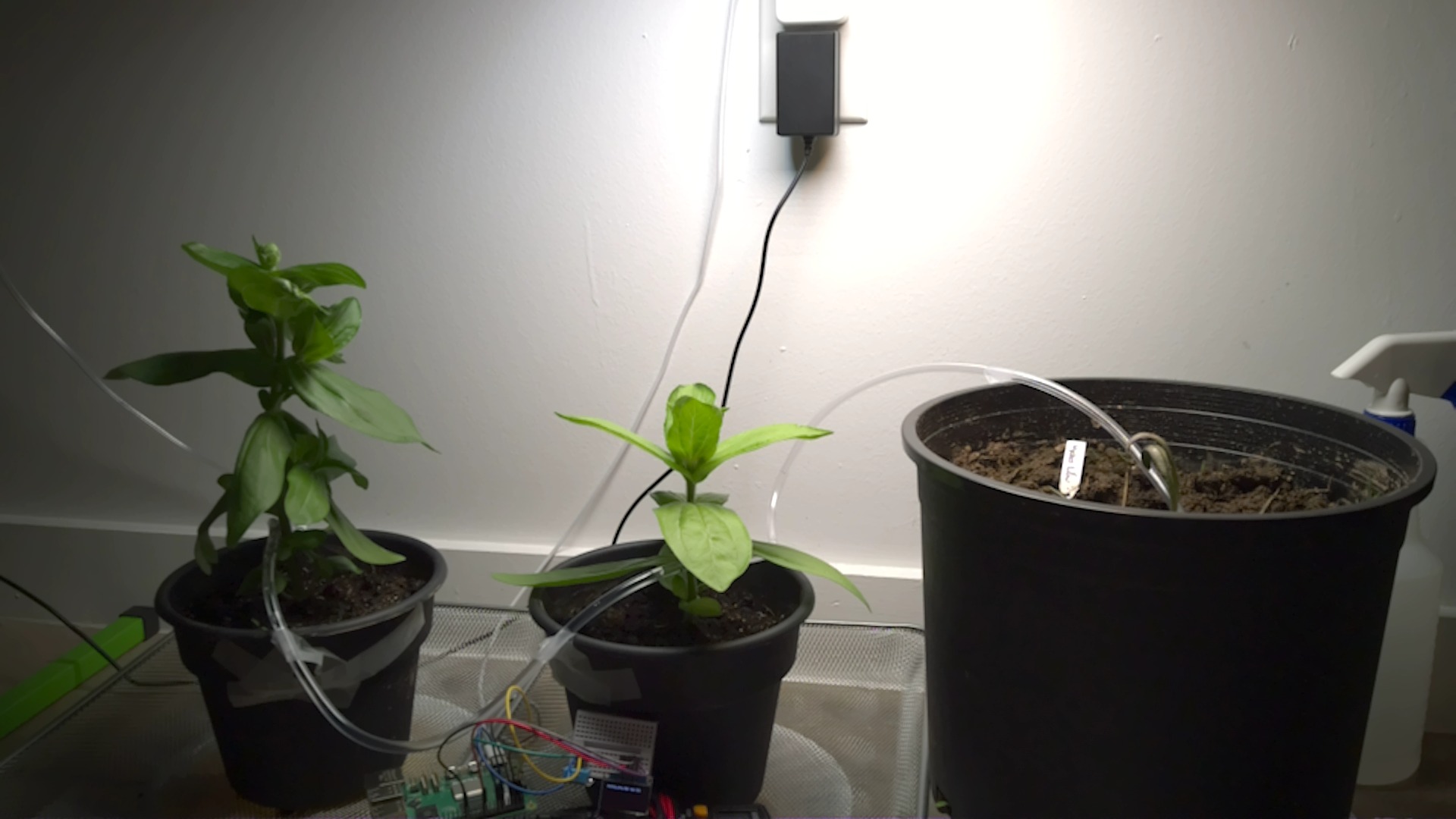
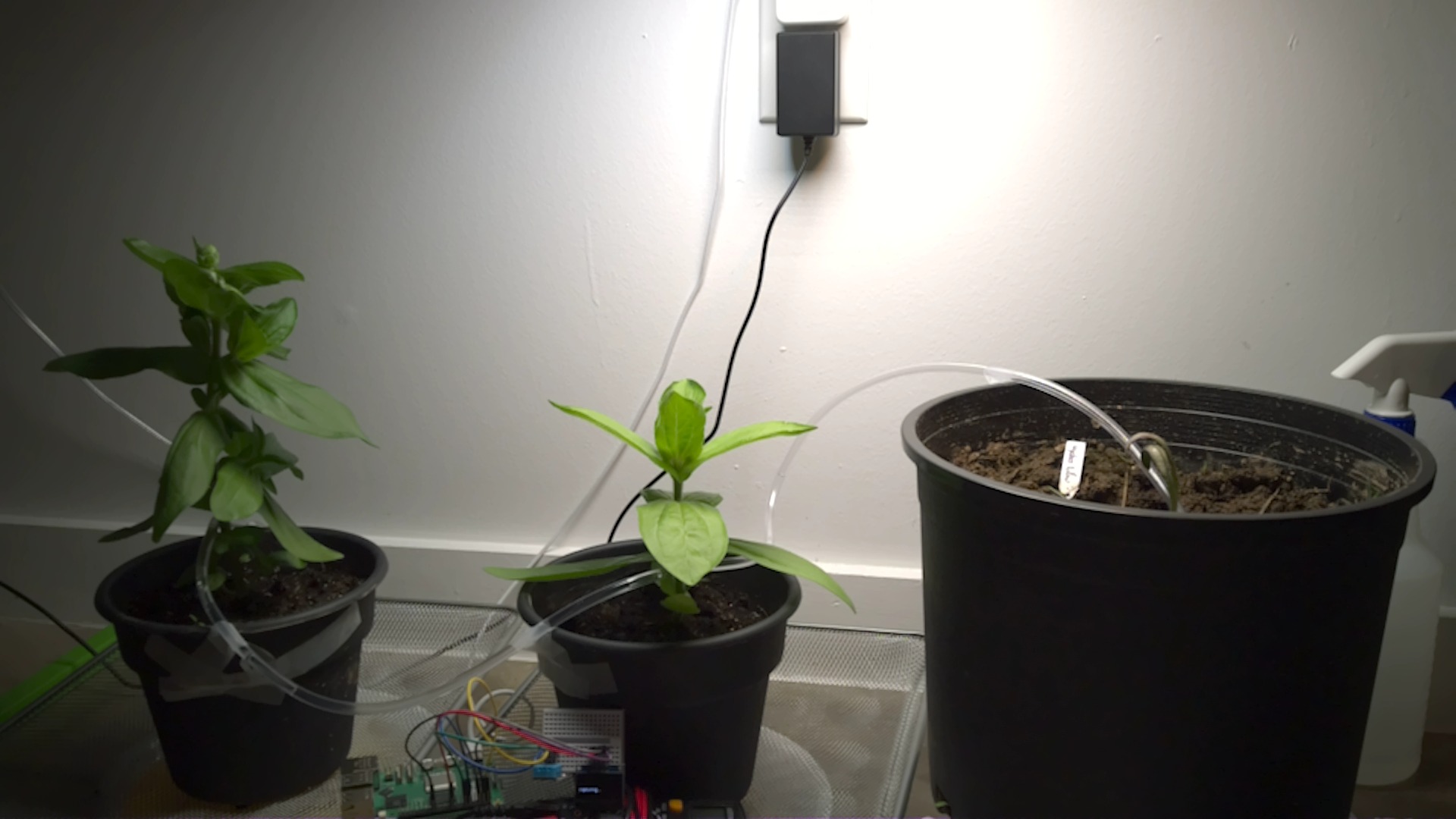
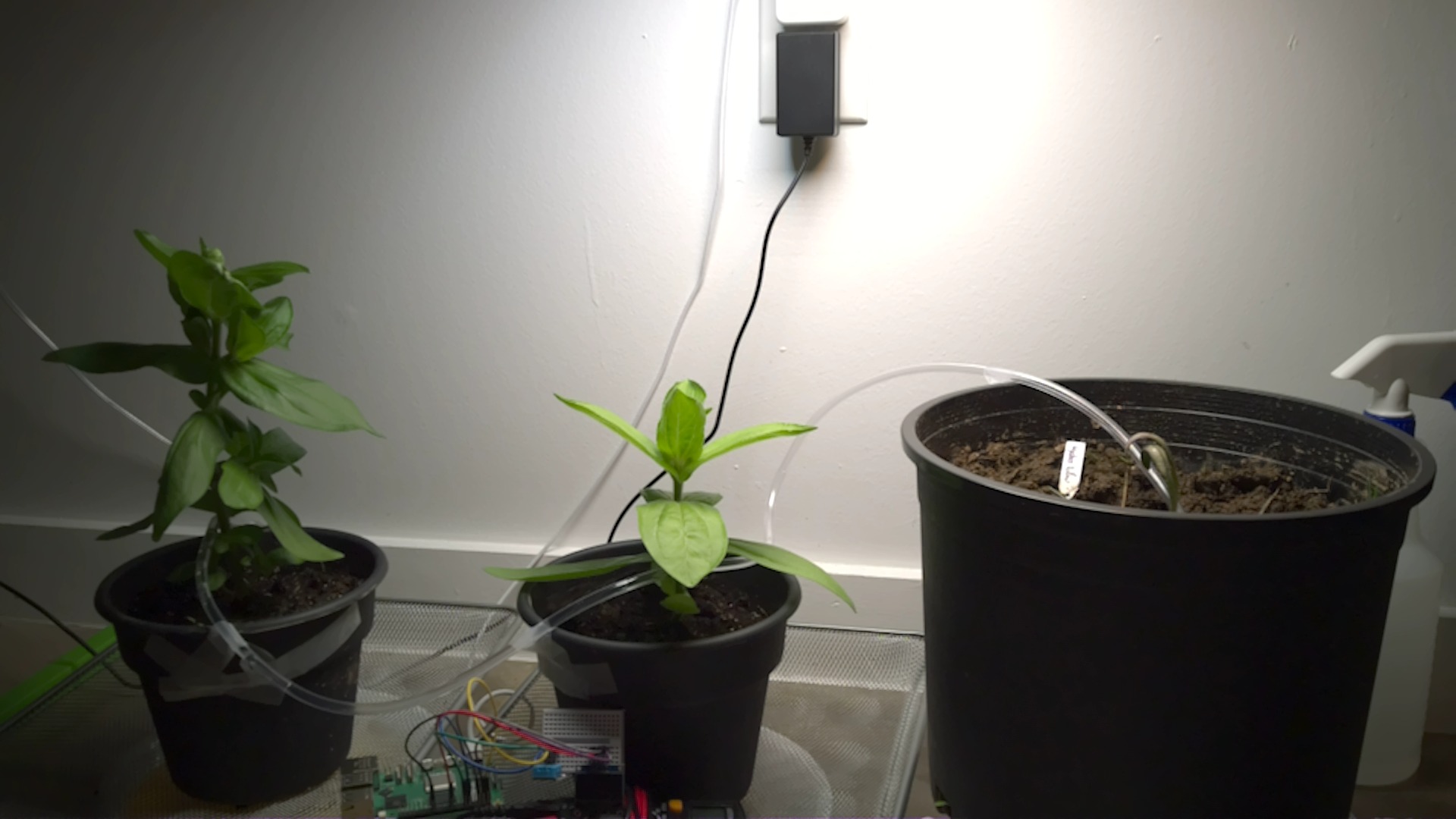
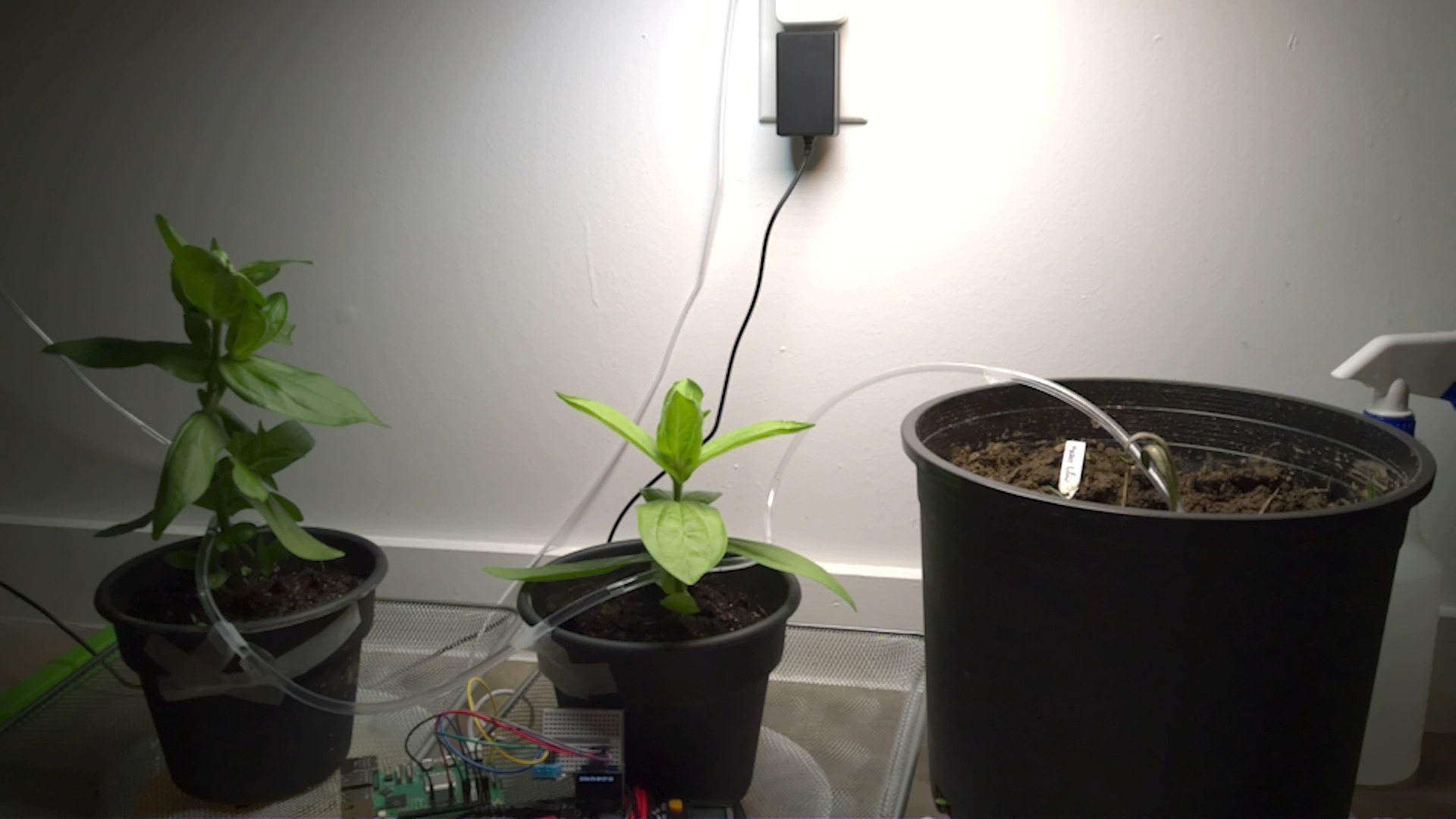
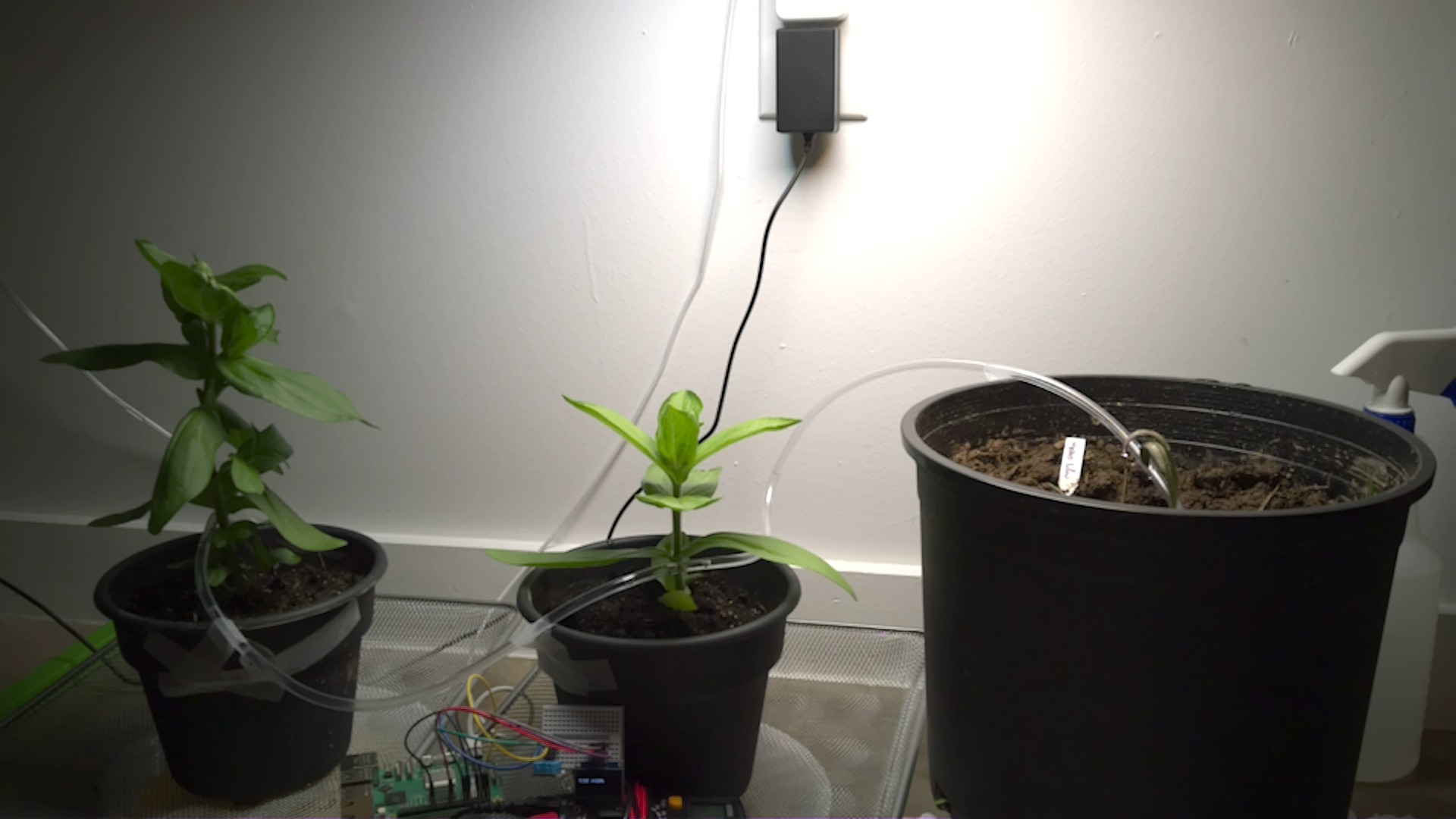
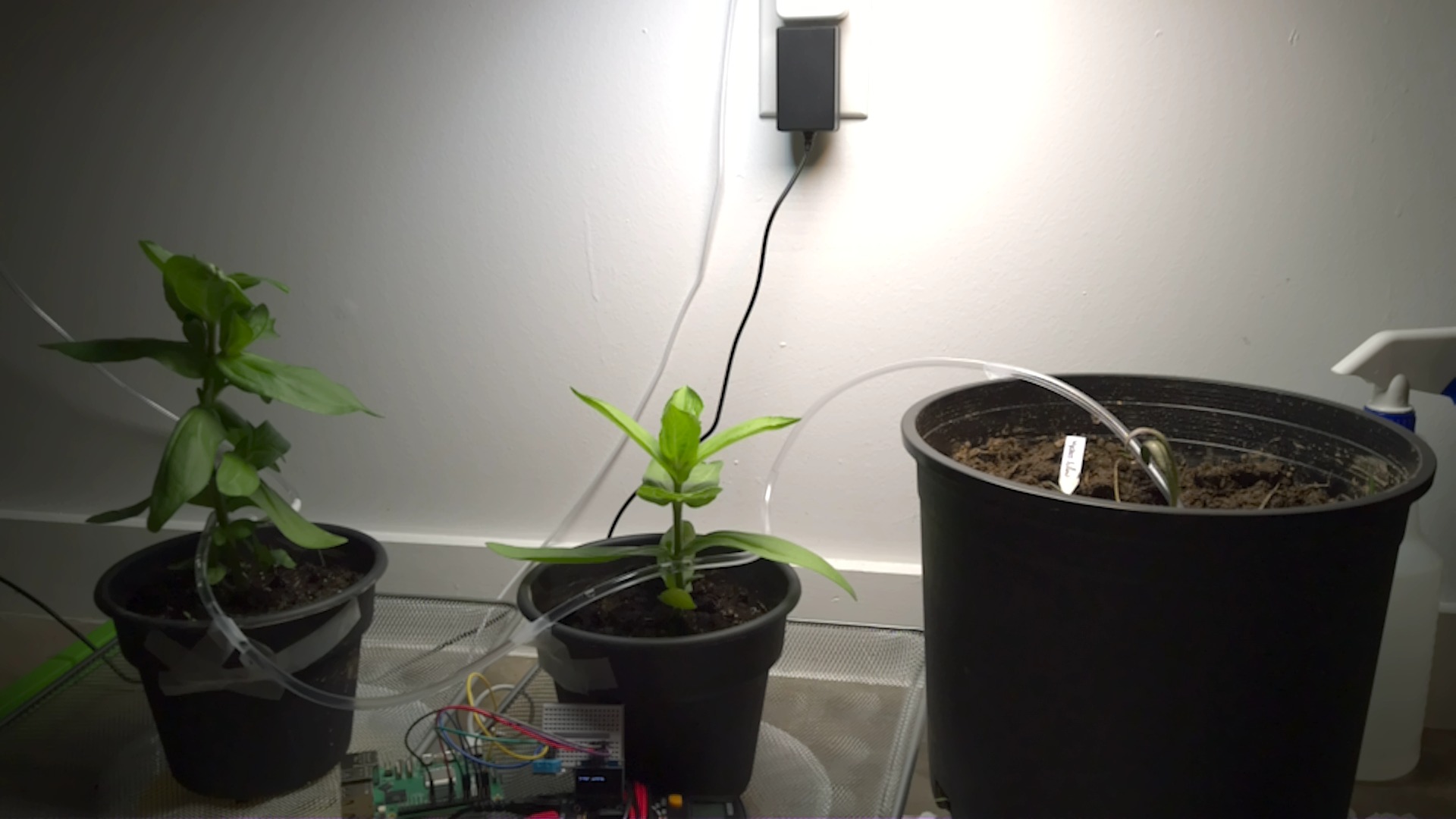
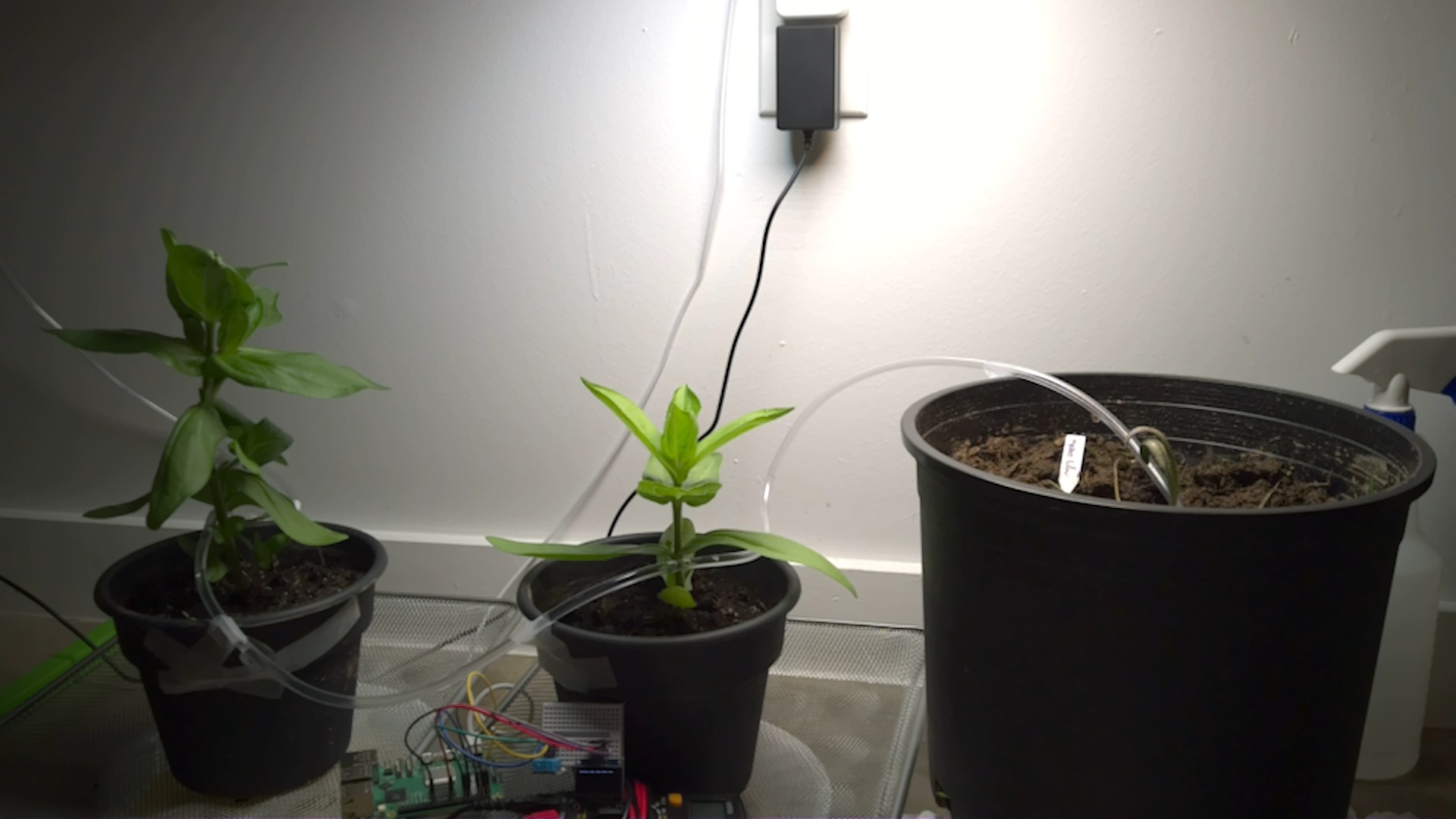
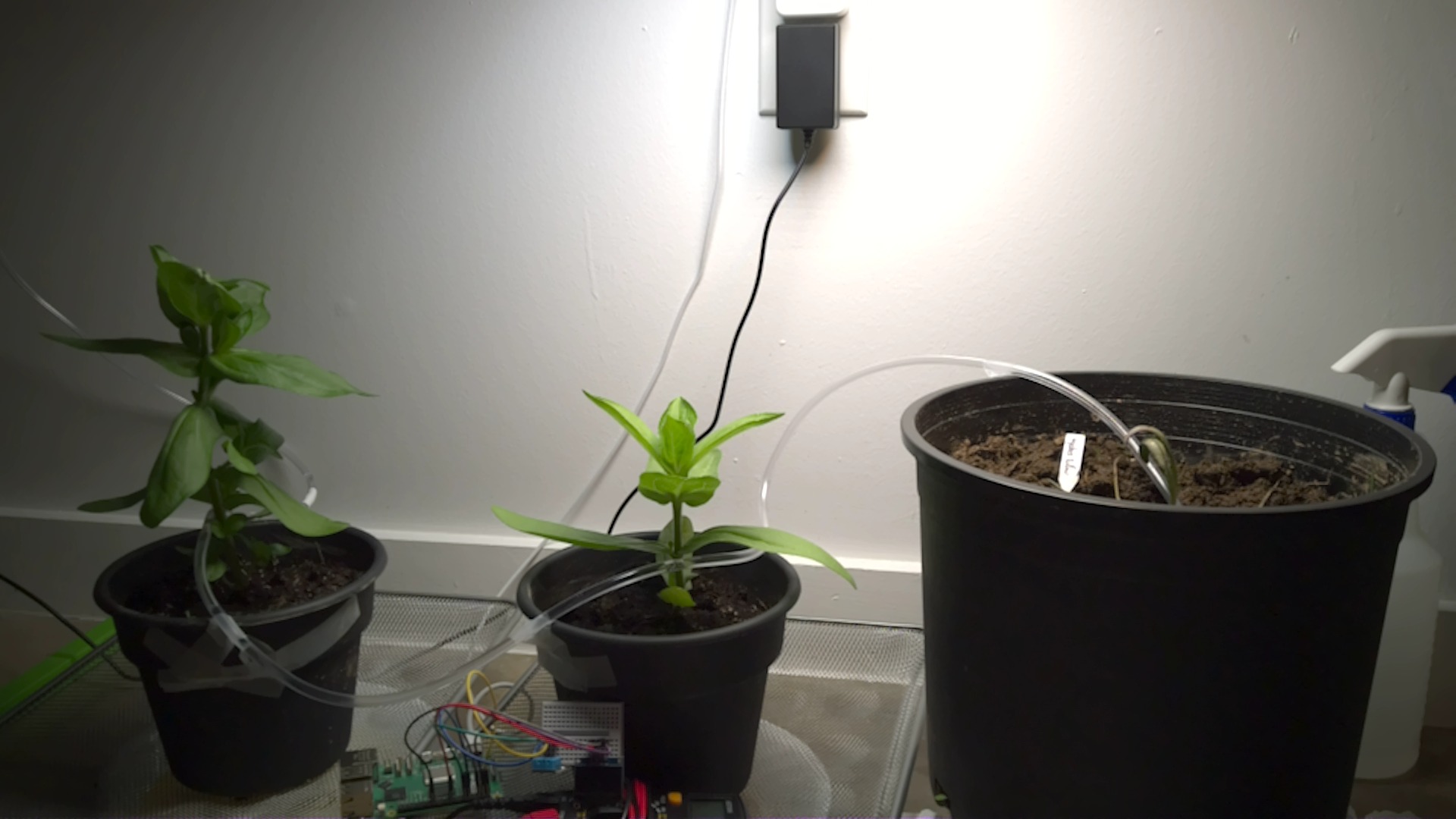
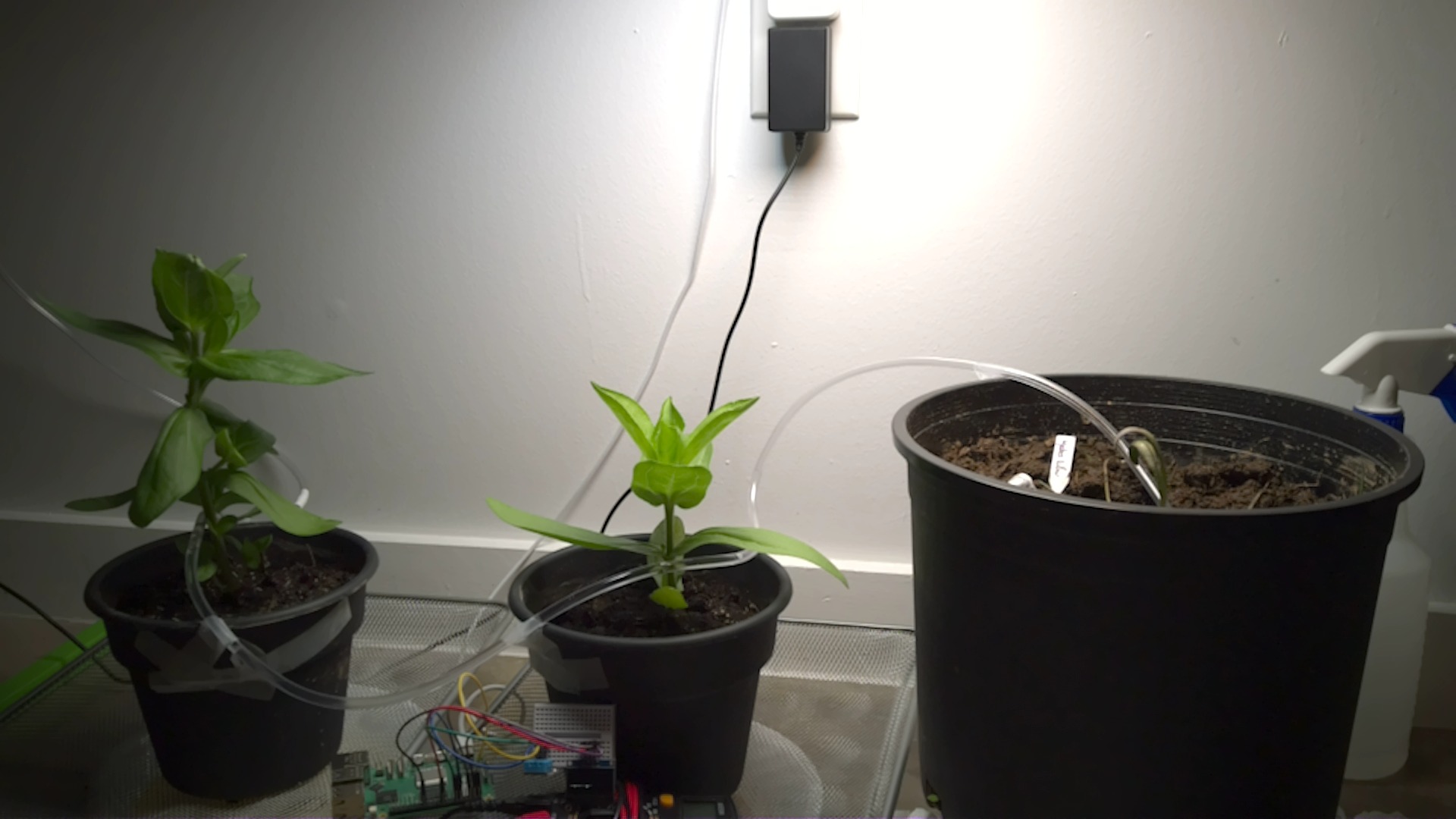
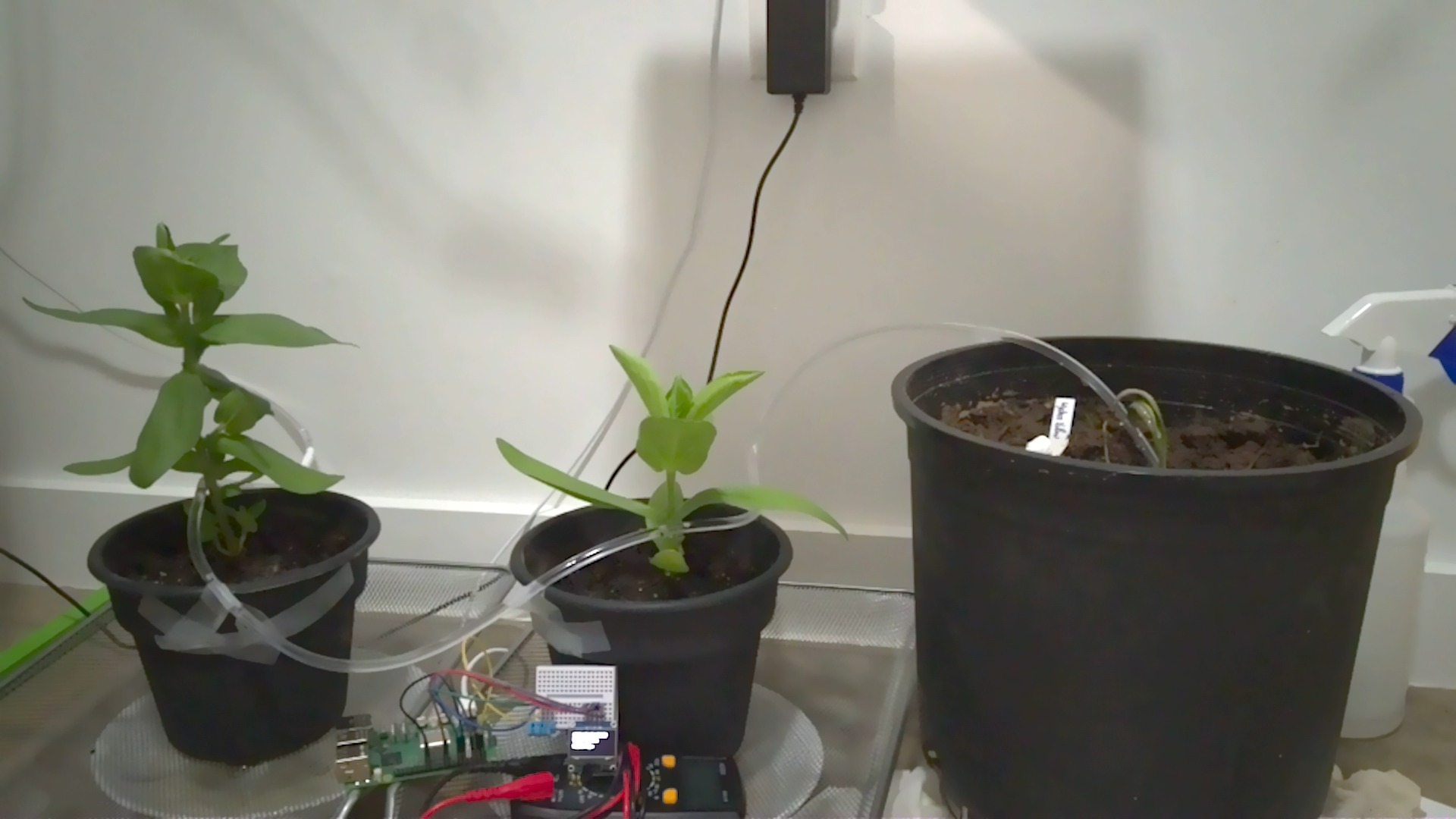
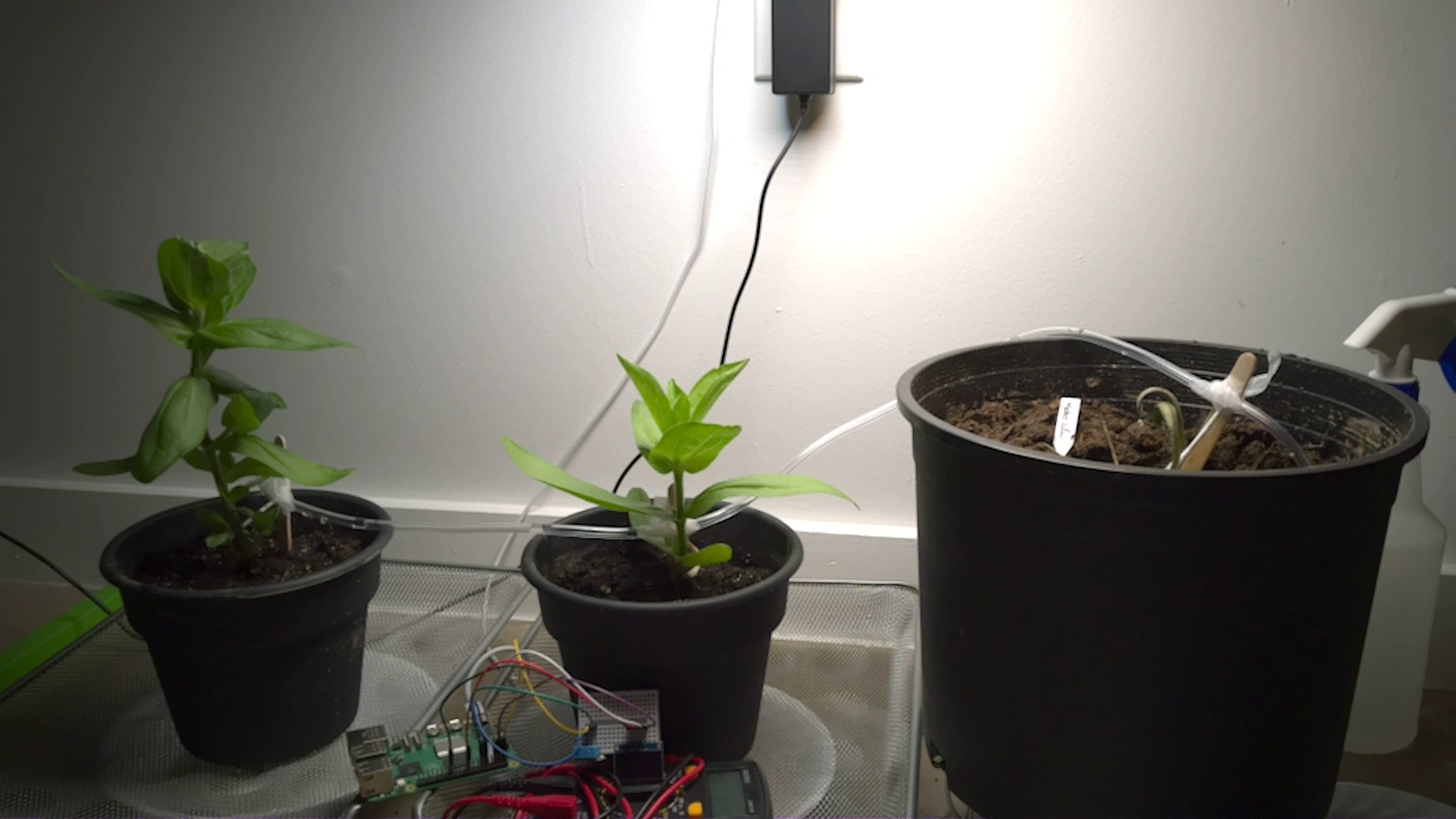
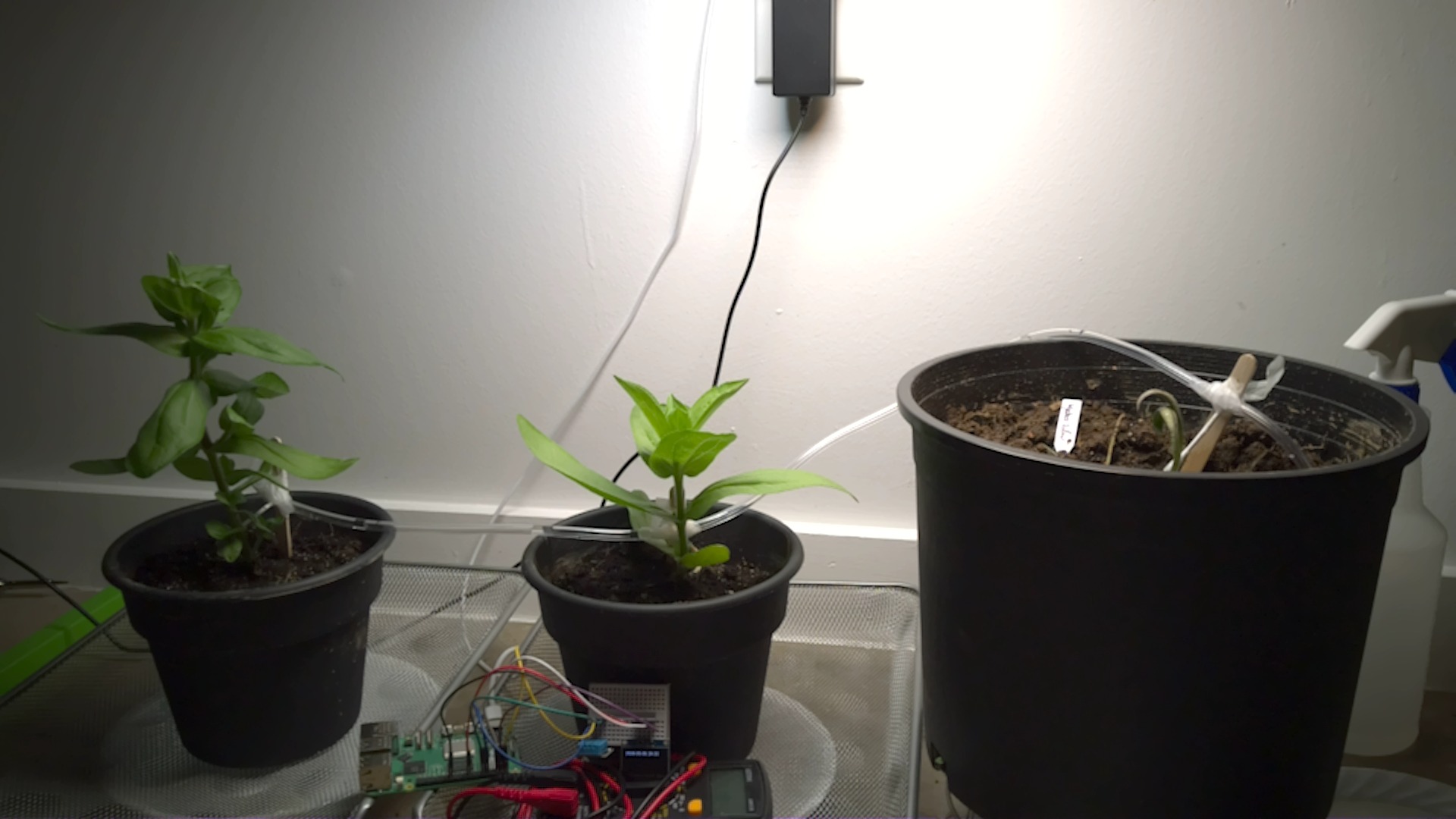
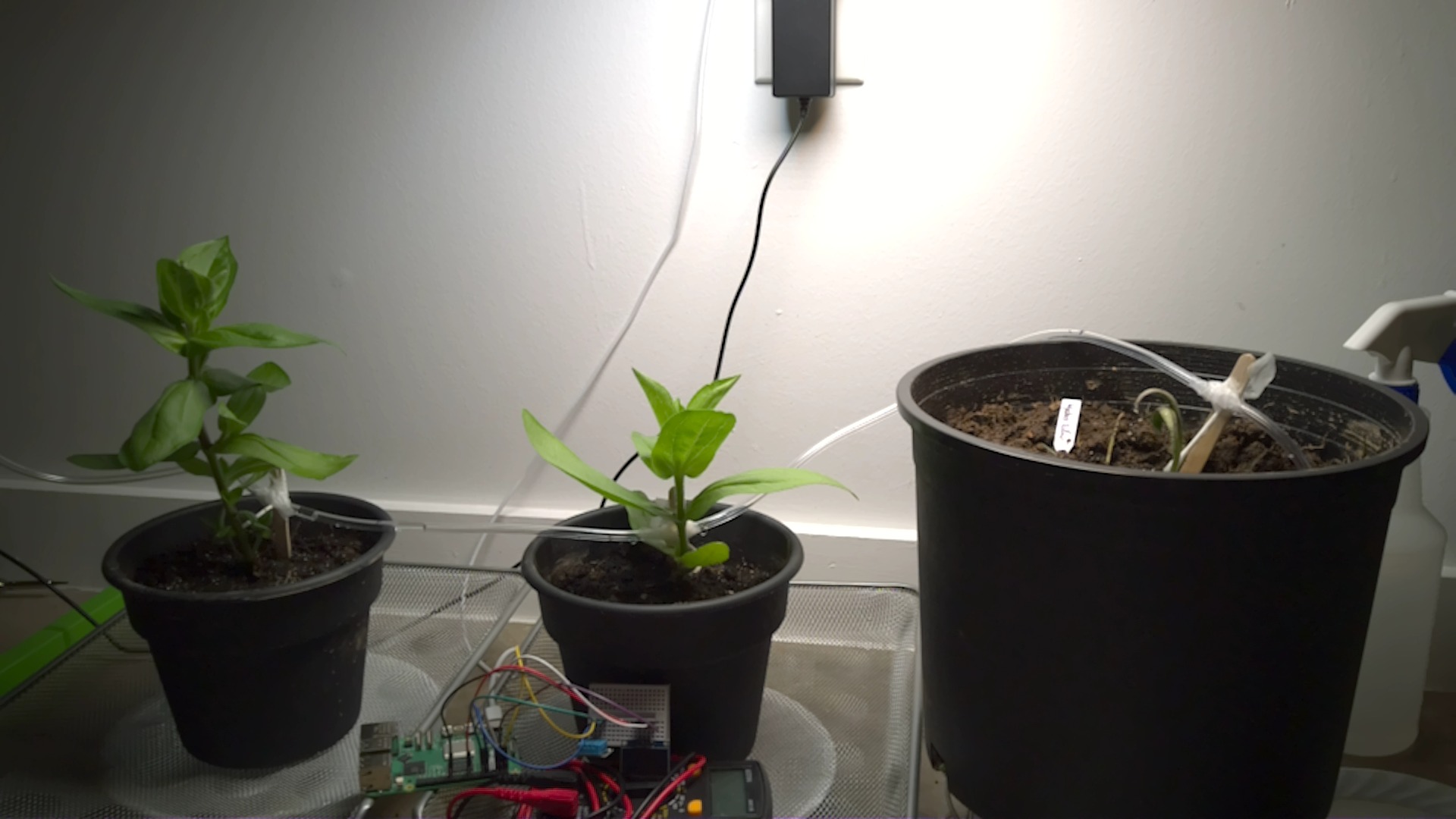
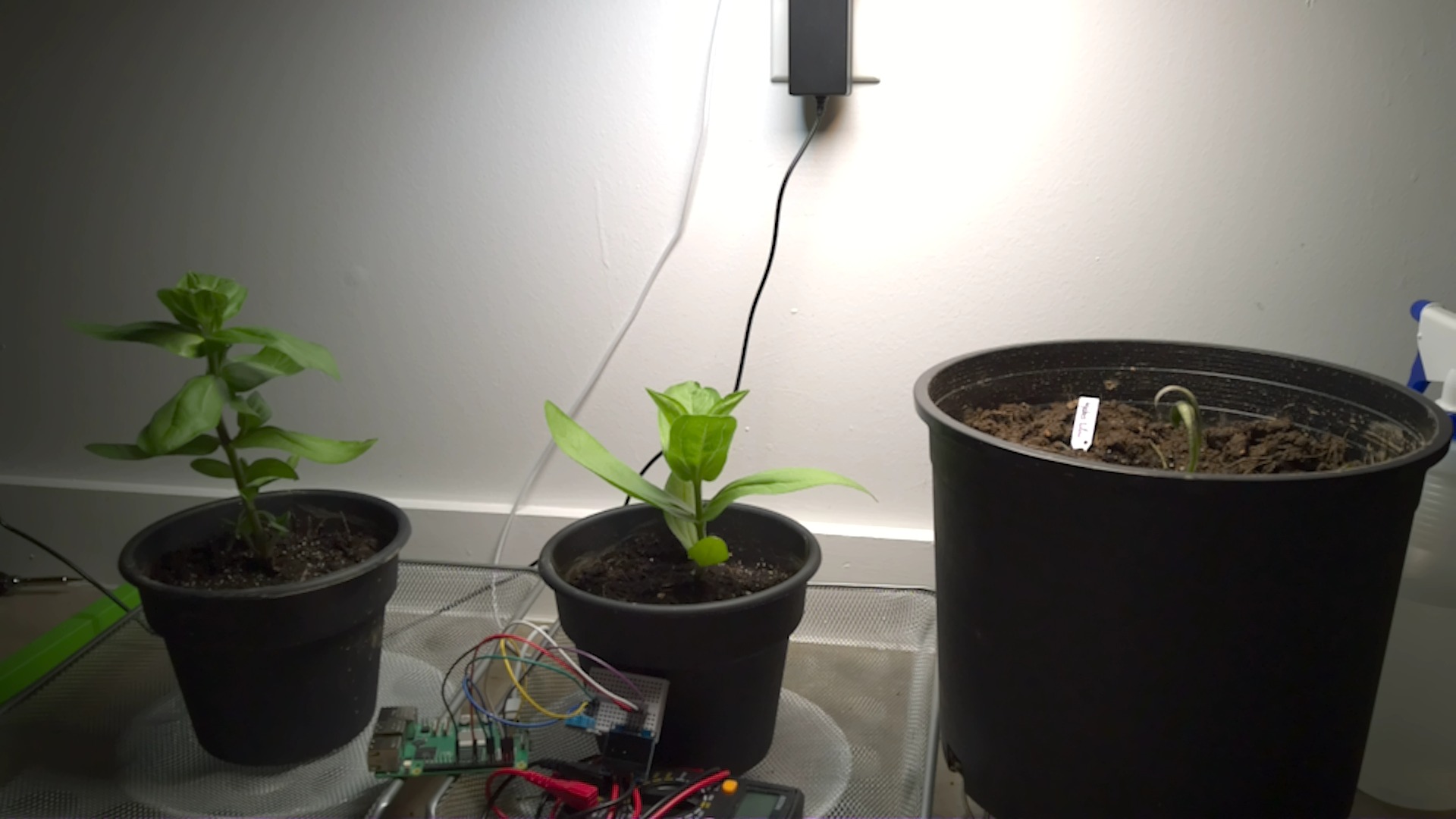
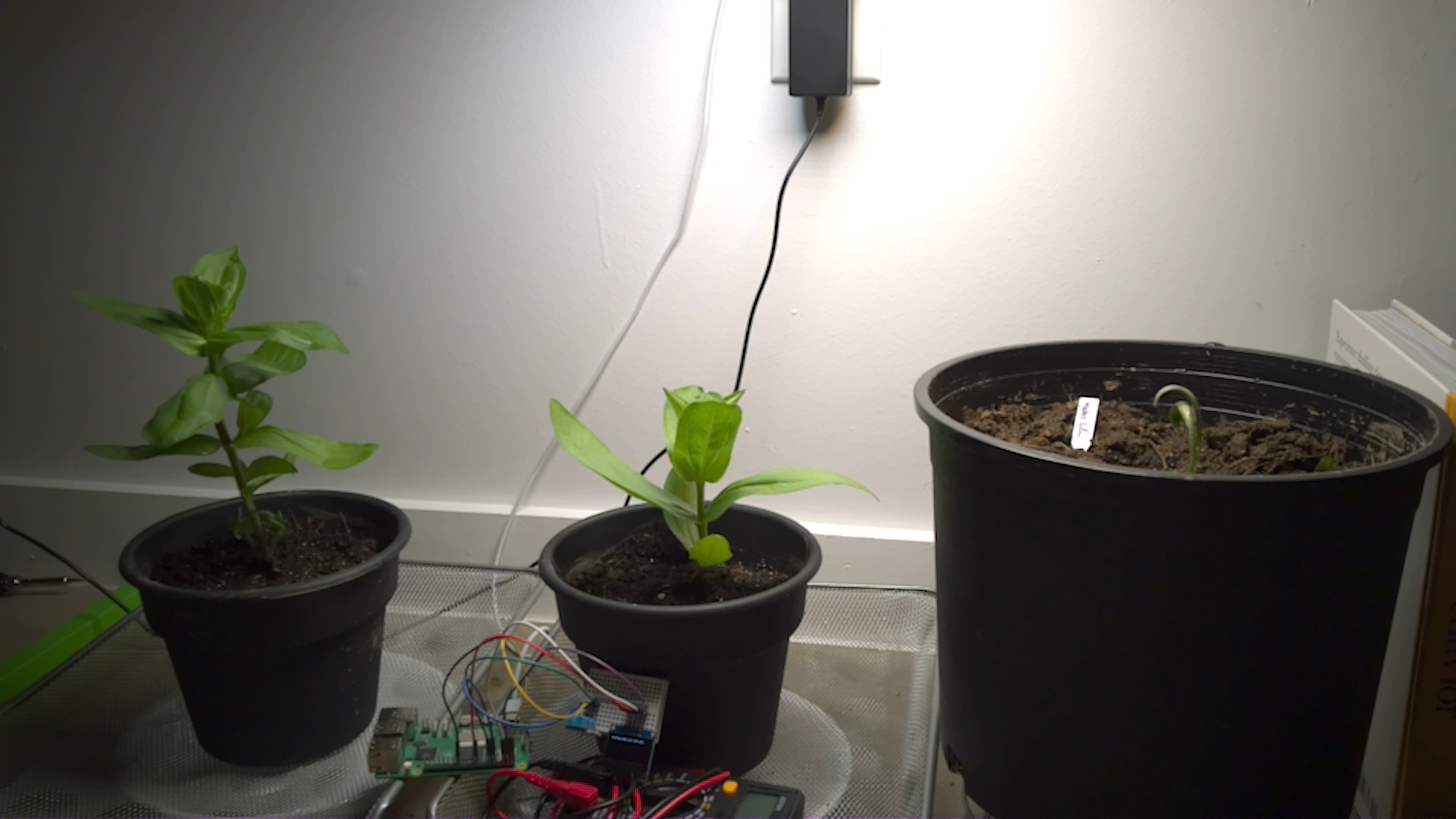
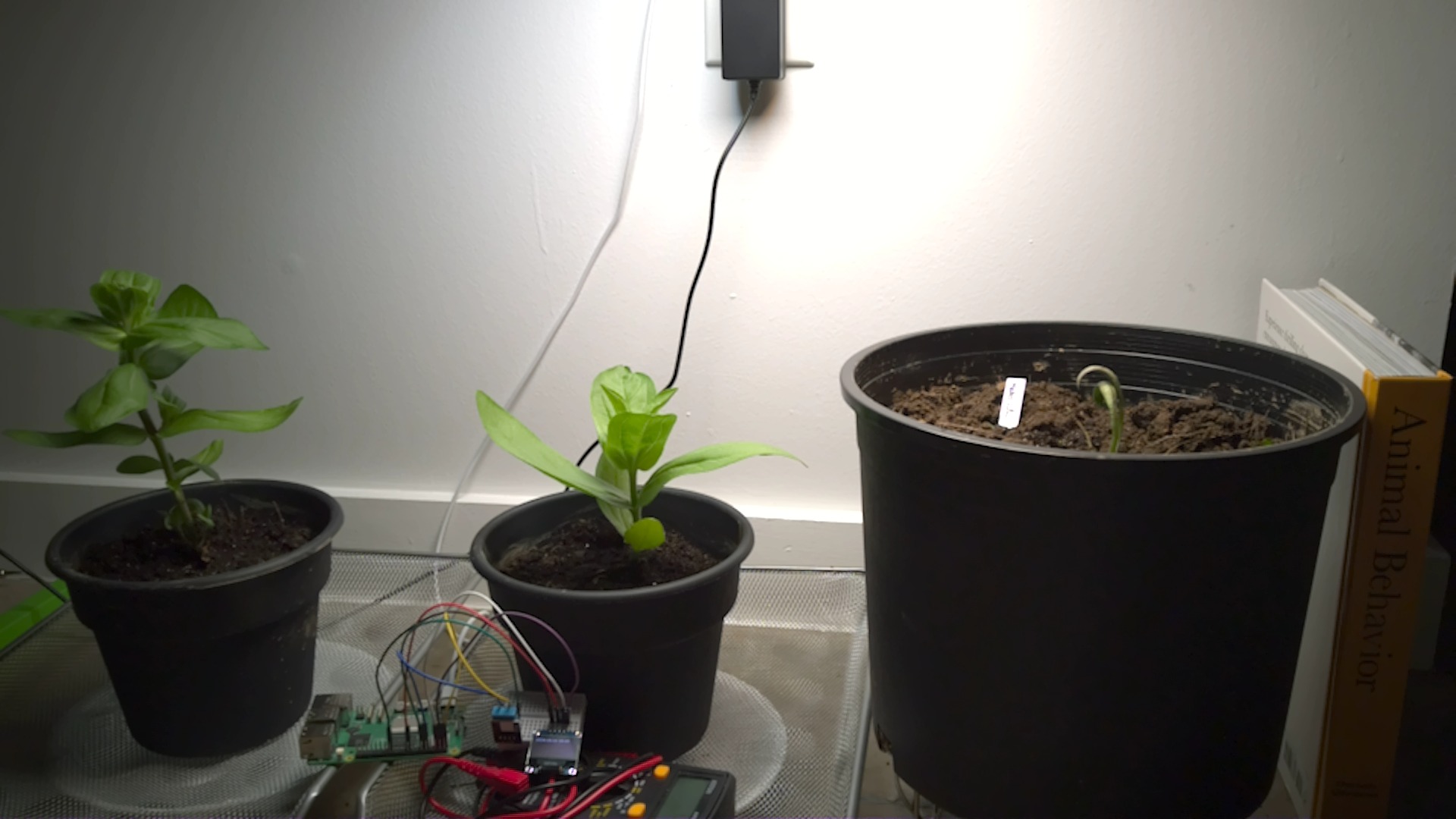
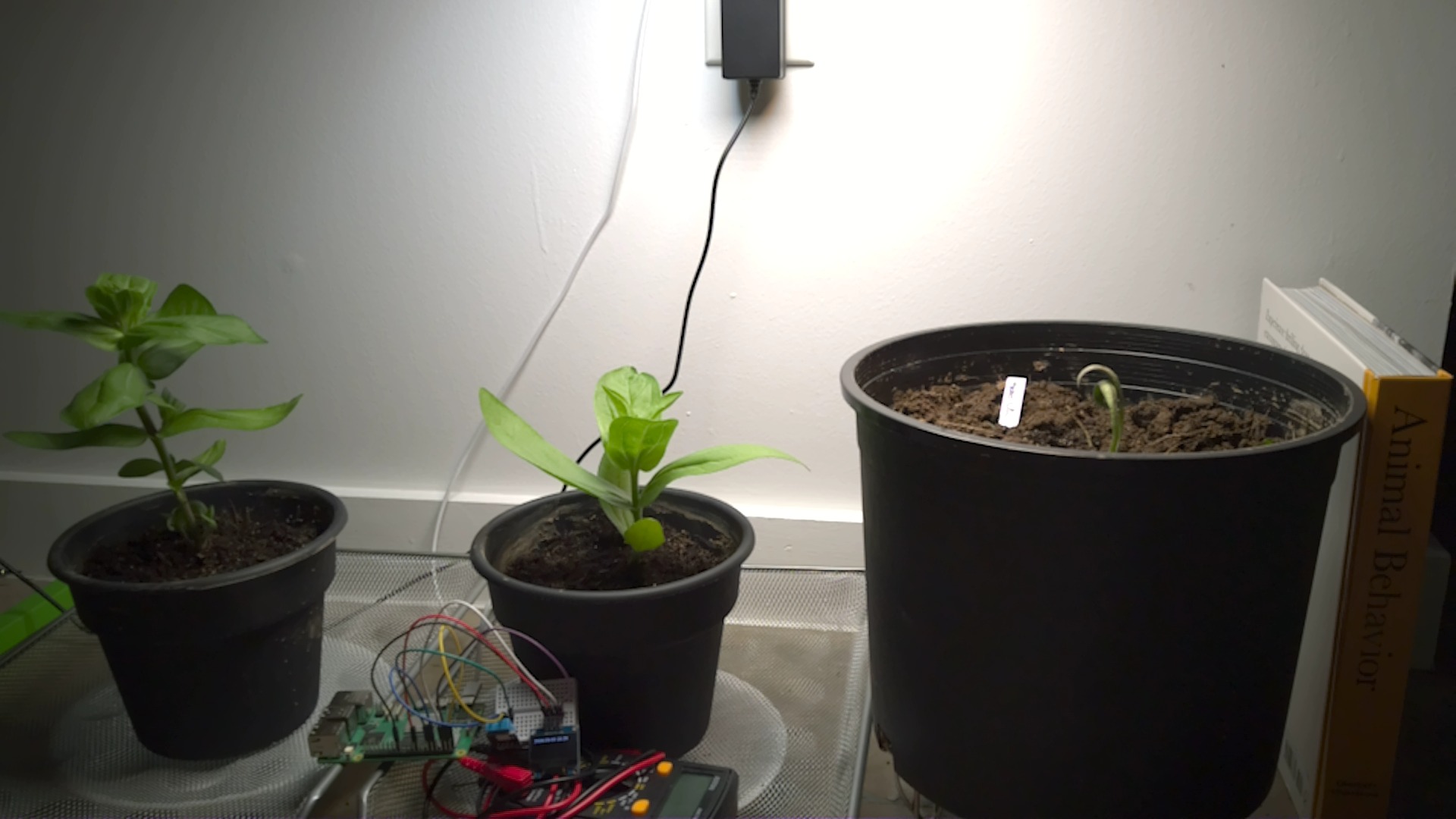
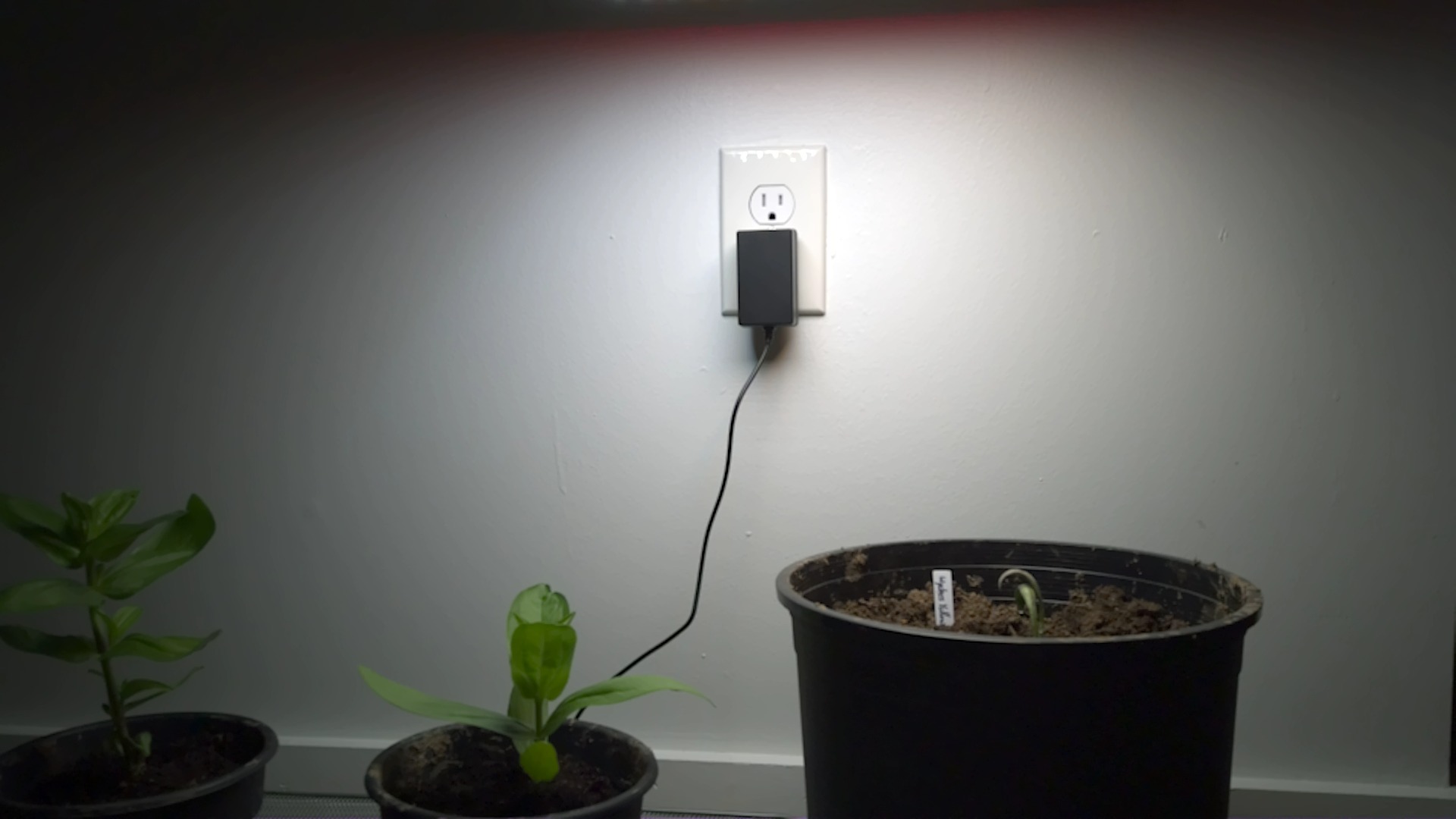
The Project · A Live* Glimpse
*live as of the final capture — June 12, 2026. Below is the dashboard exactly as it ran.
Most Recent Capture · Jun 12, 11:30 AM CT · 51d ago
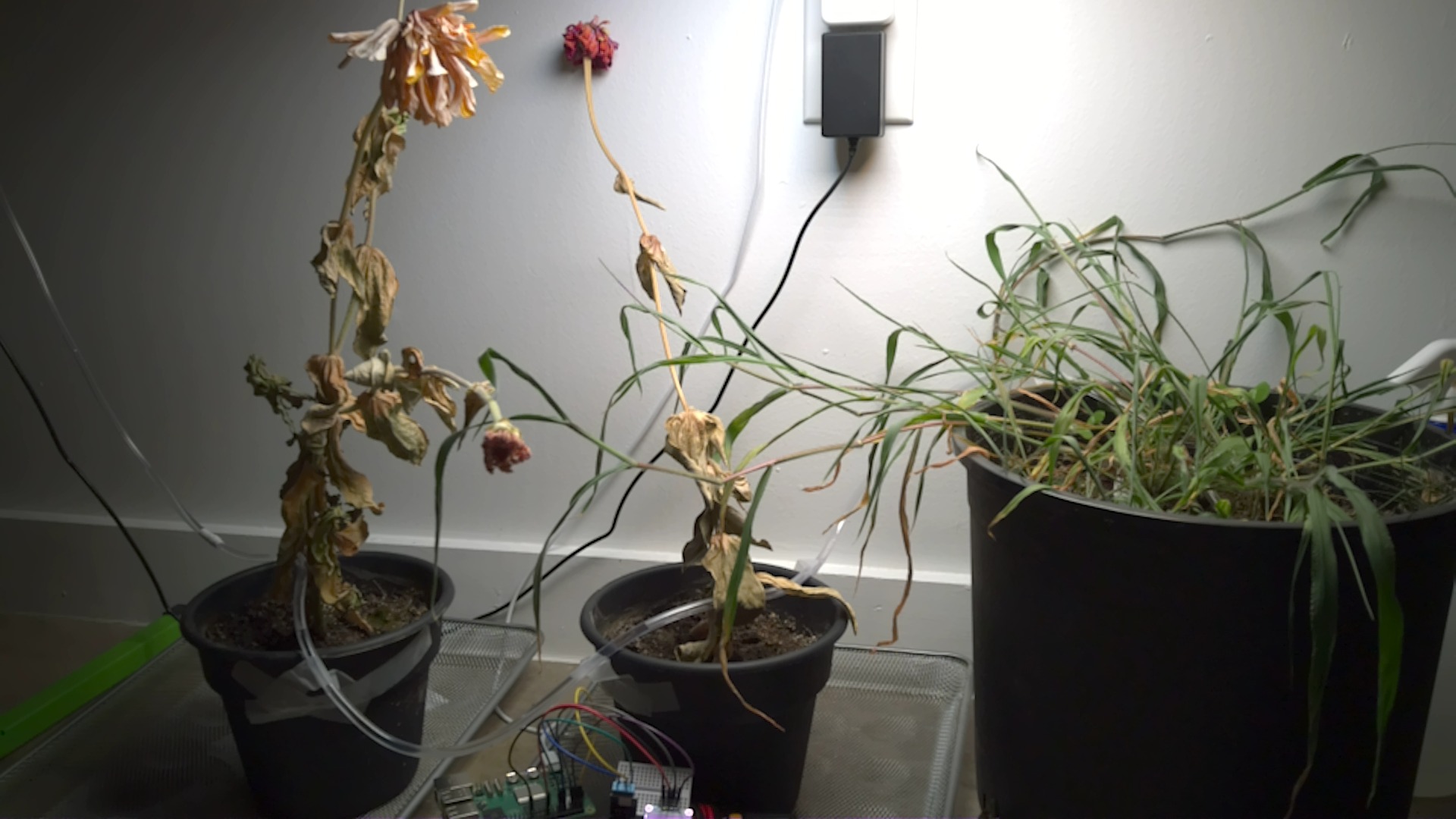
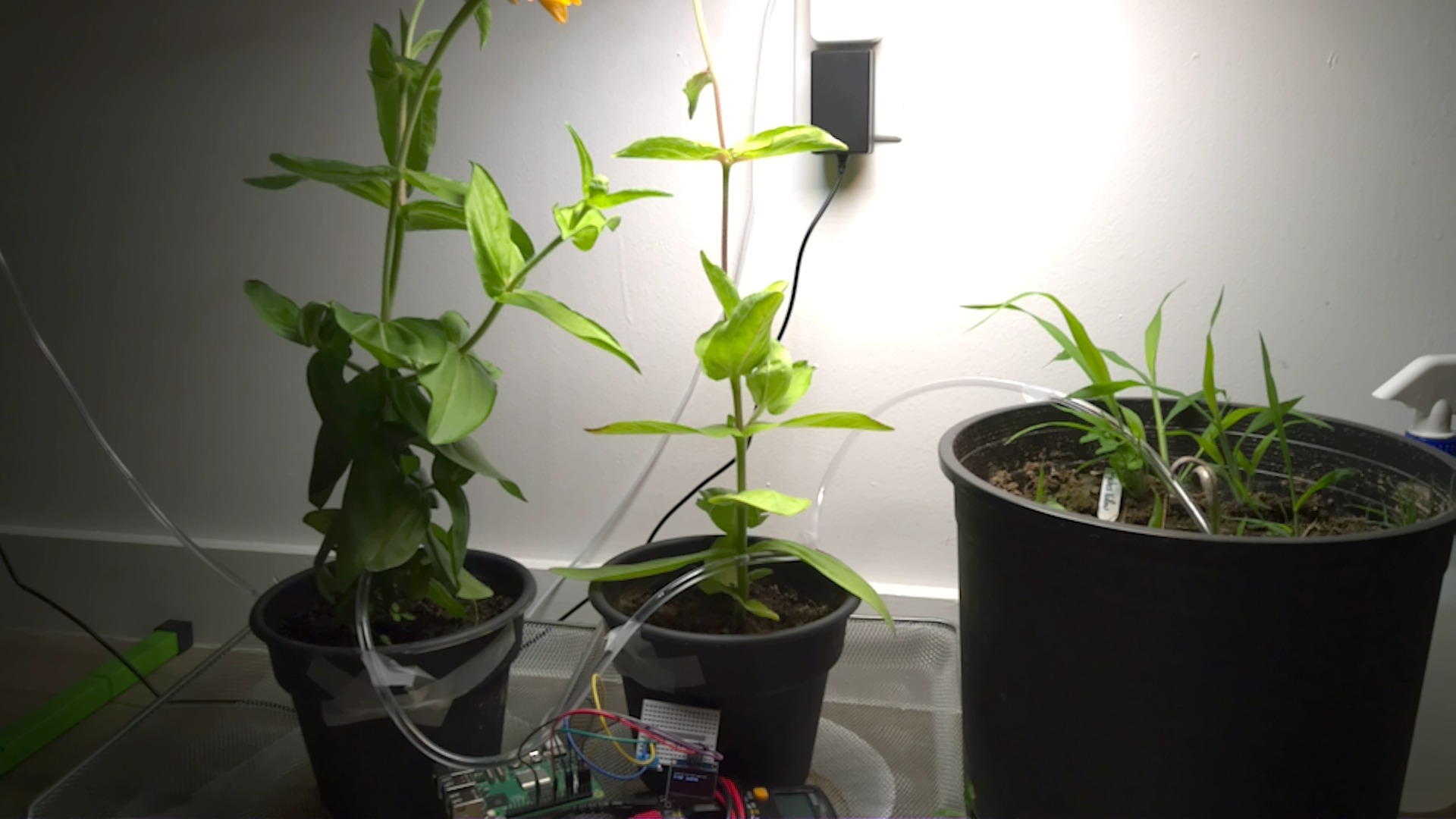
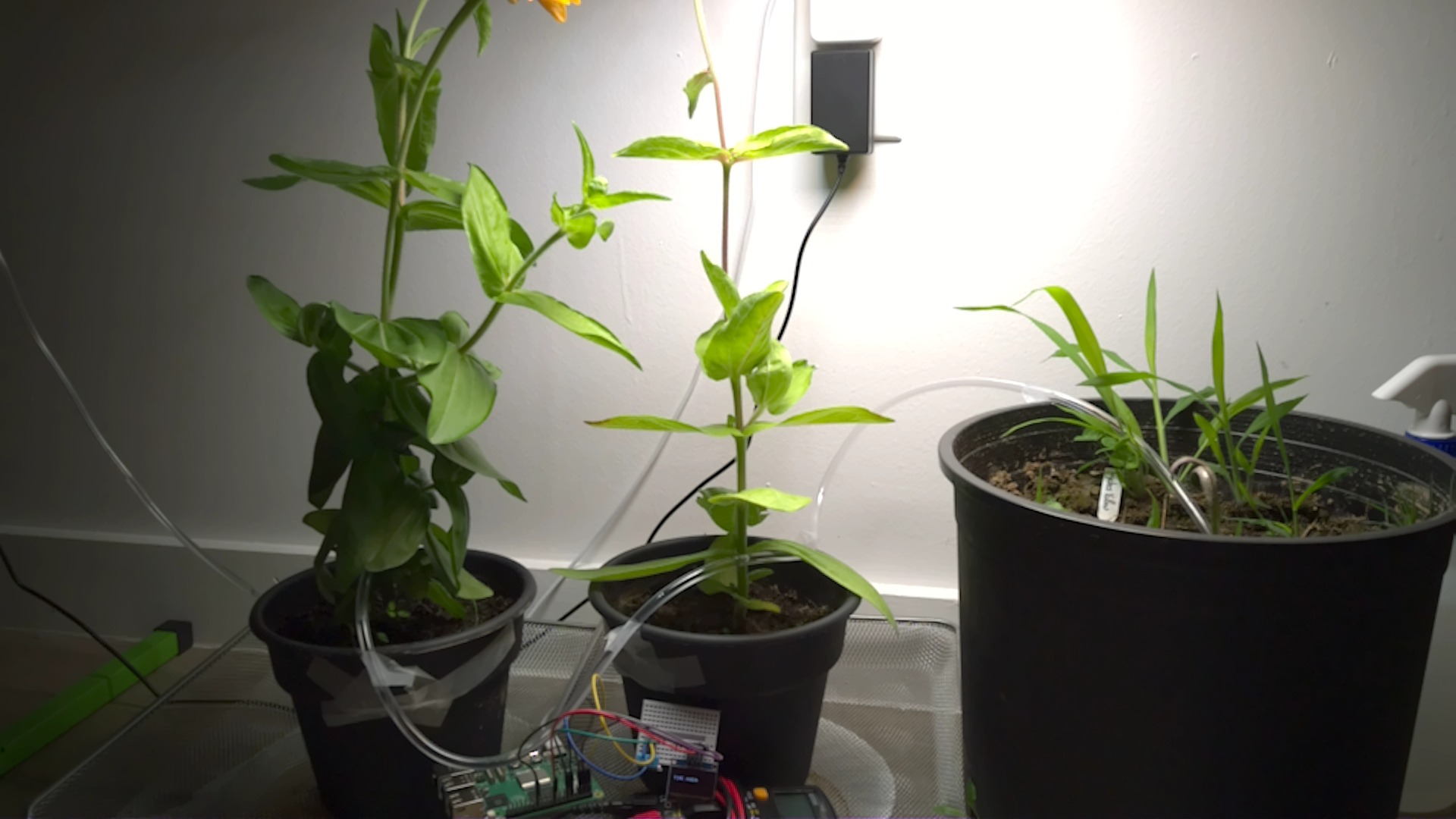
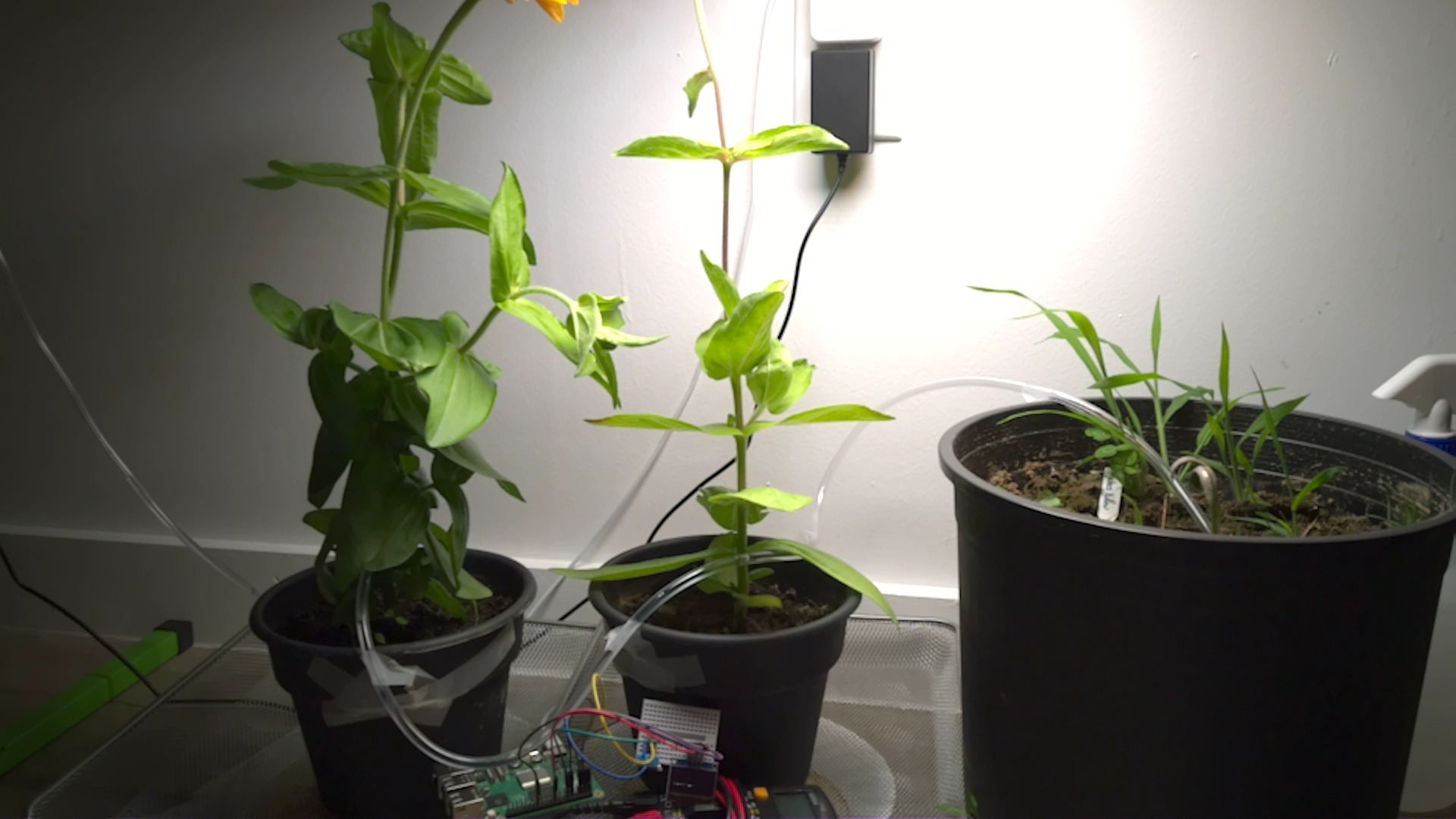
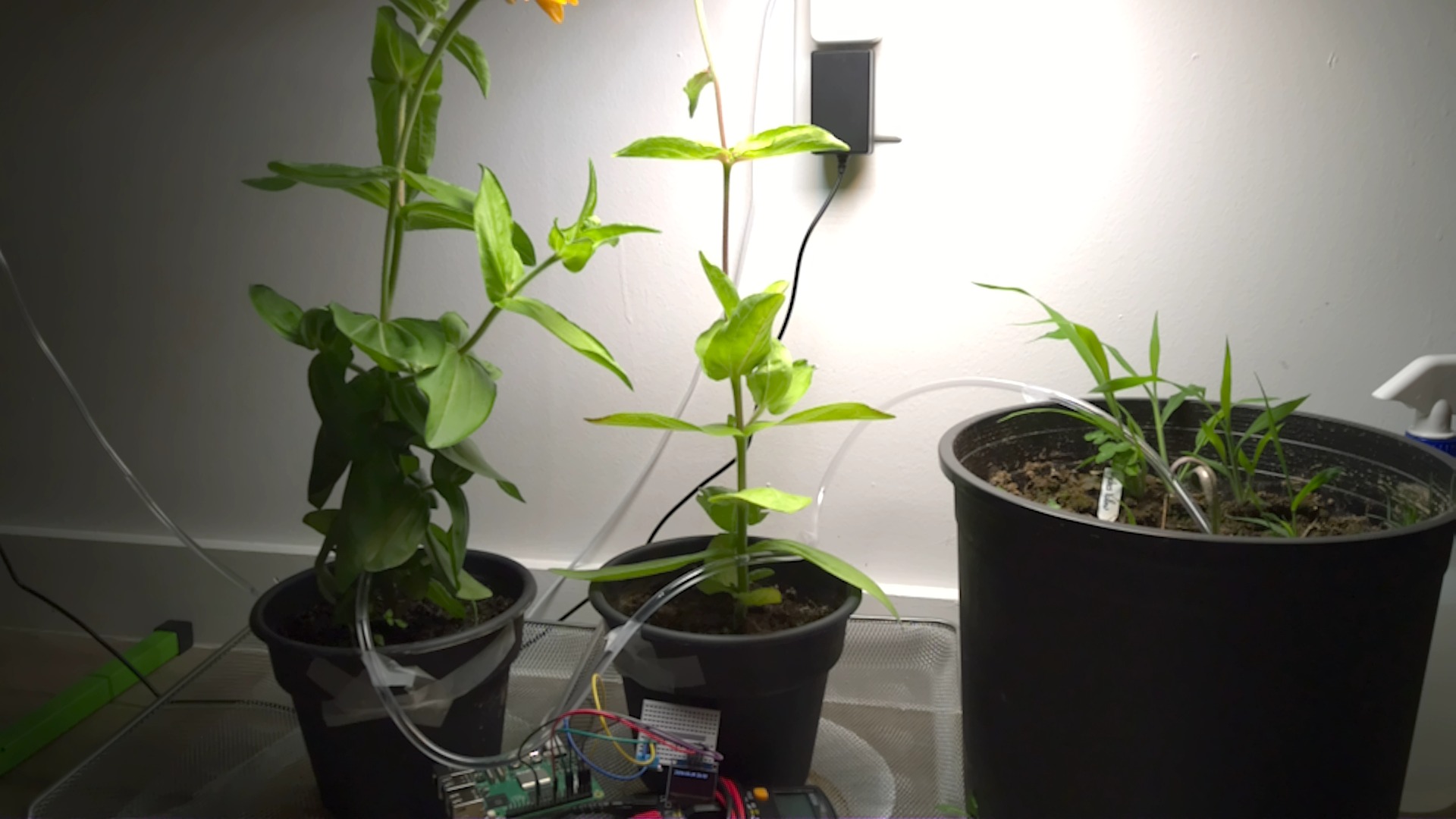
zinnia a + zinnia b + tomato flagged red — needs attention. 22.6°C / 67%.
Action Taken
⚠ Watering failed · Zinnia B, Tomato
Zinnia A
Alert · 95%
Tall dried stem with a completely desiccated spent zinnia flower at the apex — tan/papery, clearly dead
Zinnia B
Alert · 93%
Central zinnia stem is tan/straw-colored and completely desiccated — no green tissue on the original plant
Tomato
Alert · 88%
Large black fabric/plastic pot on the right — the largest container as expected
Scene Notes
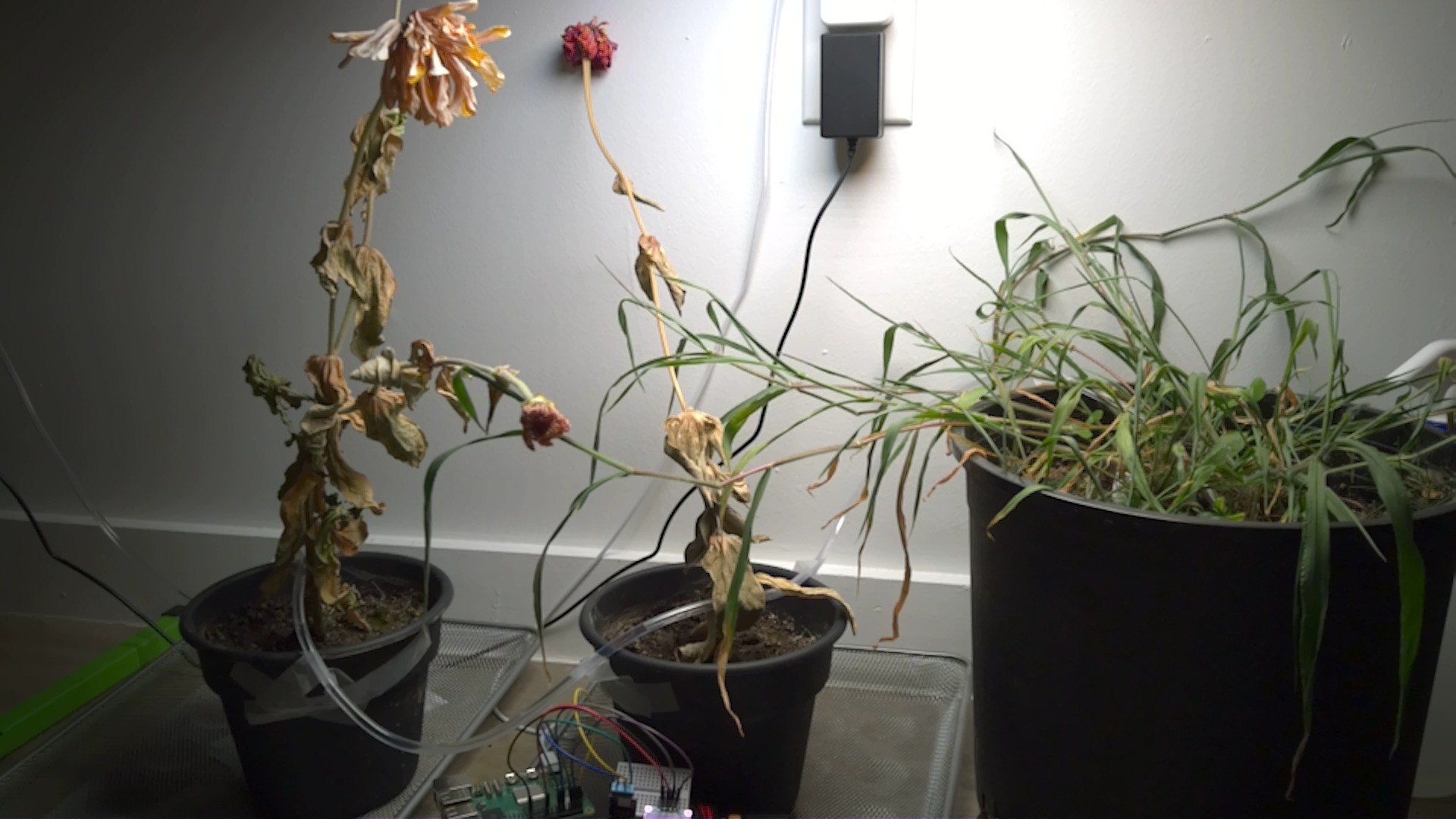
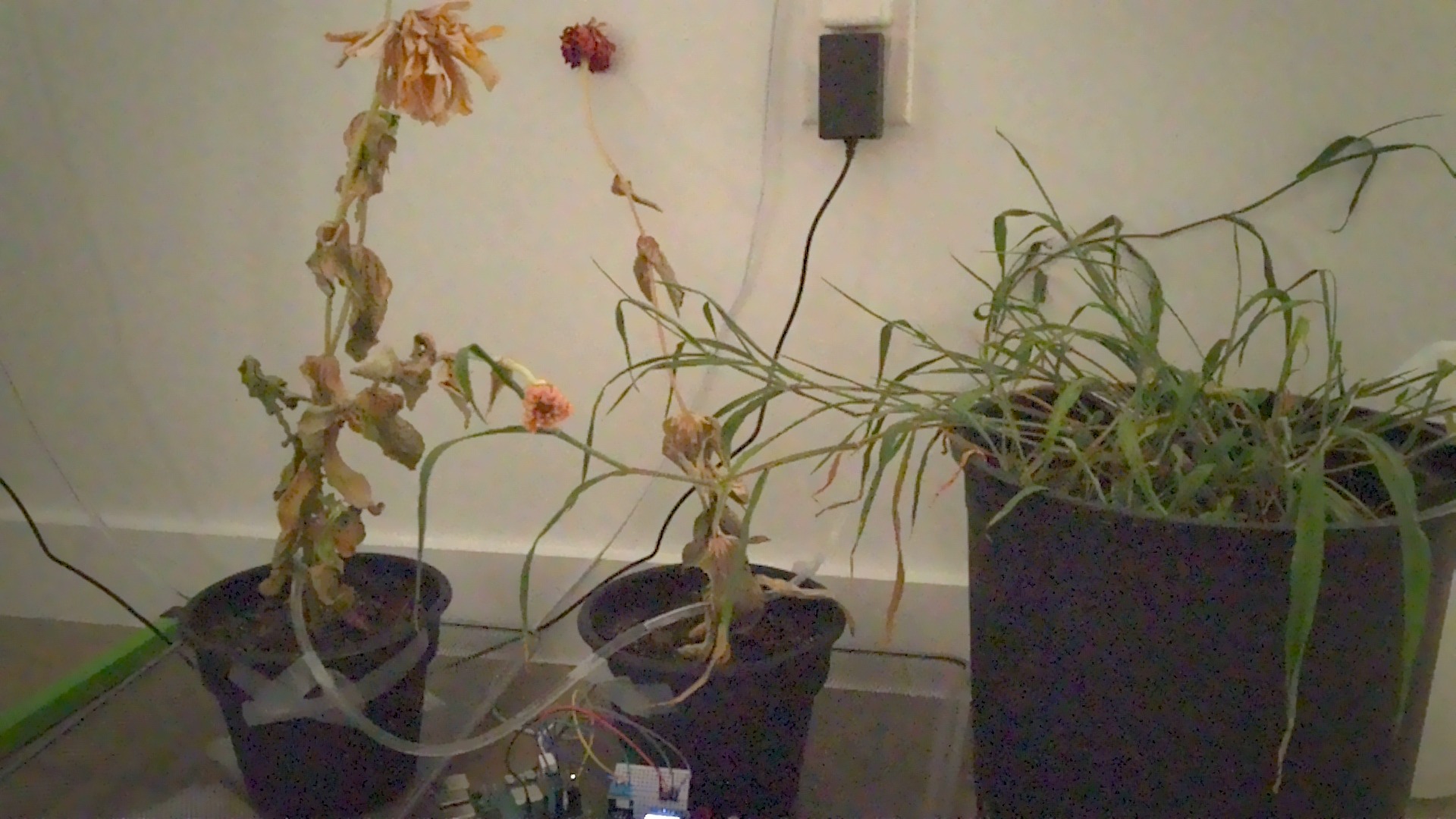
This is a post-outage damage assessment capture. All three intended plants — both Zinnia elegans seedlings and the Wyches Yellow tomato — appear to have died during the 15-day unwatered gap. Zinnia_a and zinnia_b are visibly fully desiccated with brown papery tissue, spent dried flowers, and no recoverable green growth on the original plants. The tomato pot shows no recognizable tomato tissue whatsoever. All green growth visible across the scene is narrow-bladed contamination grass that germinated in the substrate during the unattended period, likely from weed seeds present in the soil mix. The grass in zinnia_b and especially the tomato pot is growing vigorously. Air temp (22.6°C) and humidity (67%) are fine for plant growth but are irrelevant given the state of the original plants. Recommendation: do NOT trigger automated watering for plant recovery purposes — there are no original plants left to save. The operator should manually inspect, confirm plant death, remove dead material, decide whether to replant, and manually water only if restarting with new seedlings. The watering system fix should be verified with a controlled test before trusting it with new plants.
Air · Last 14 Days
Temp °C Humidity %
How It Works
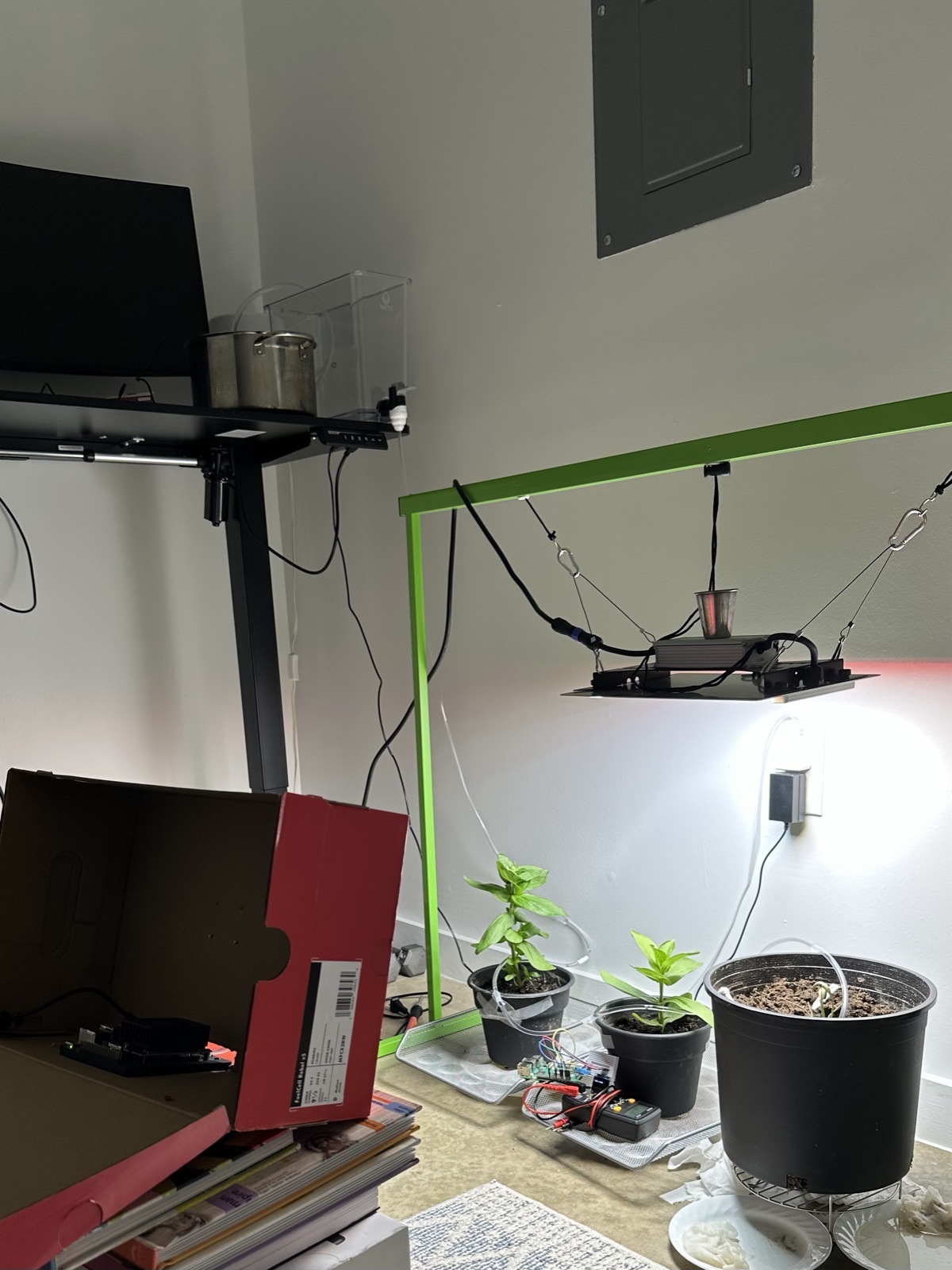
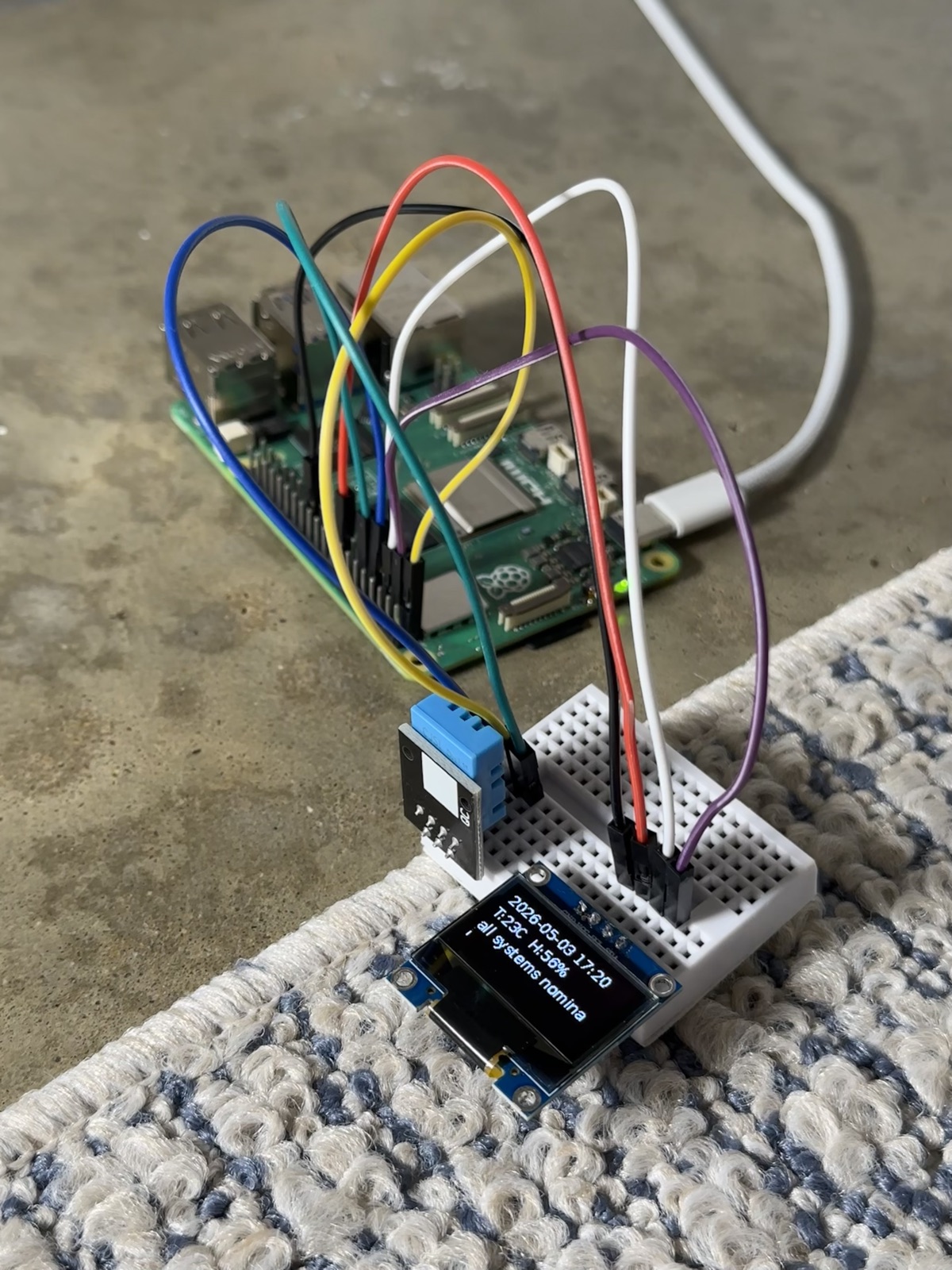
One Raspberry Pi orchestrates four moving parts on a 4-hour clock: a camera that’s a separate computer, a sensor on a GPIO pin, a vision model in a datacenter somewhere, and a Wi-Fi microcontroller that pushes water on command. The full loop — cron to capture to verdict to pump — first ran in production on May 6, 2026.
- 01Capture
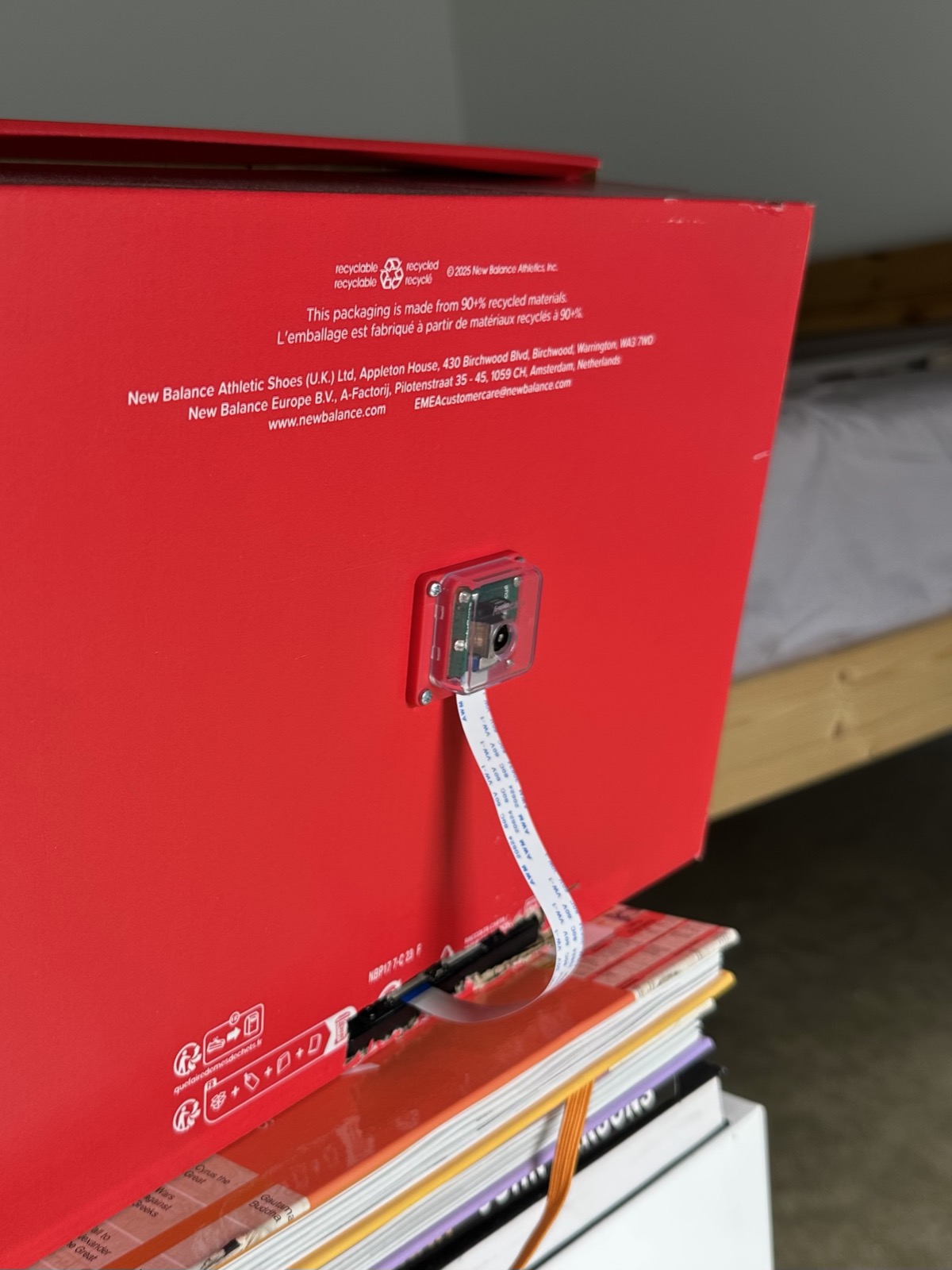
Cron fires every four hours from 07:30 to 19:30. The Pi reads the air sensor, paints the OLED with the timestamp, and asks the Jetson for one sharp photo.
- 02Upload
The photo and the air reading land in Supabase — JPEG into Storage, a row into Postgres.
- 03Analyze
Claude reads the photo against a structured prompt and returns a JSON verdict — health color, soil-moisture guess, and an action per plant.
- 04Dispense
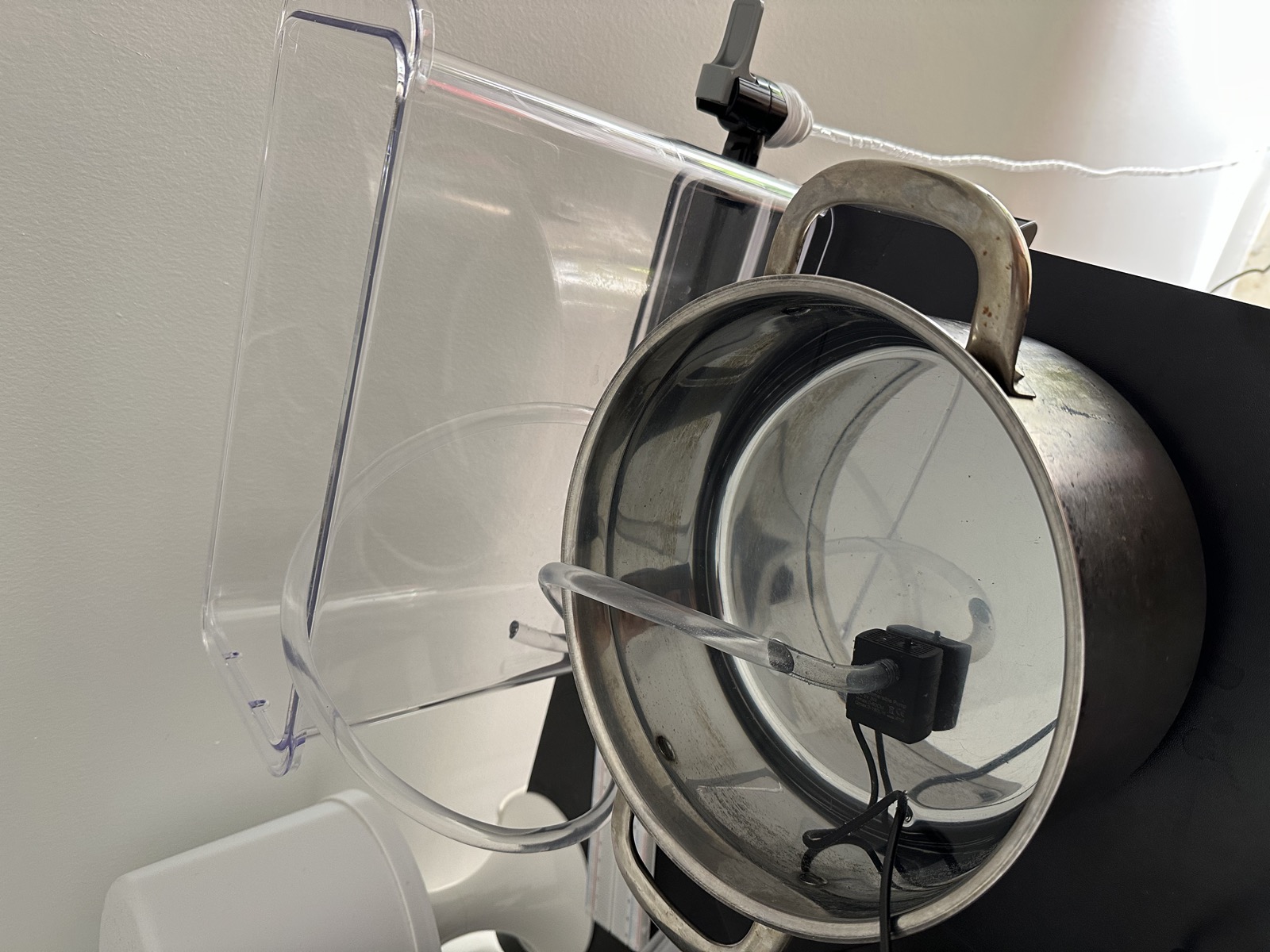
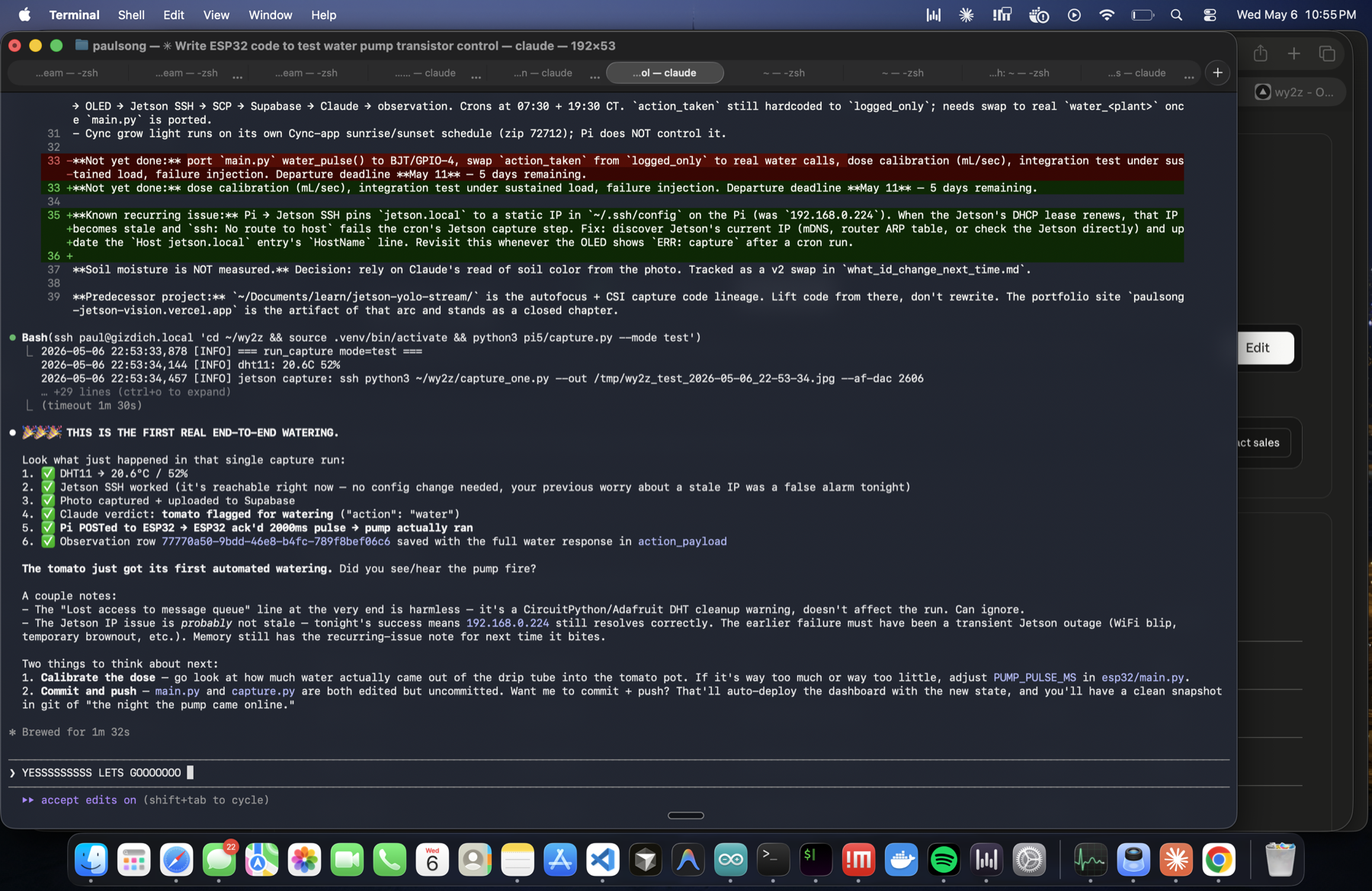
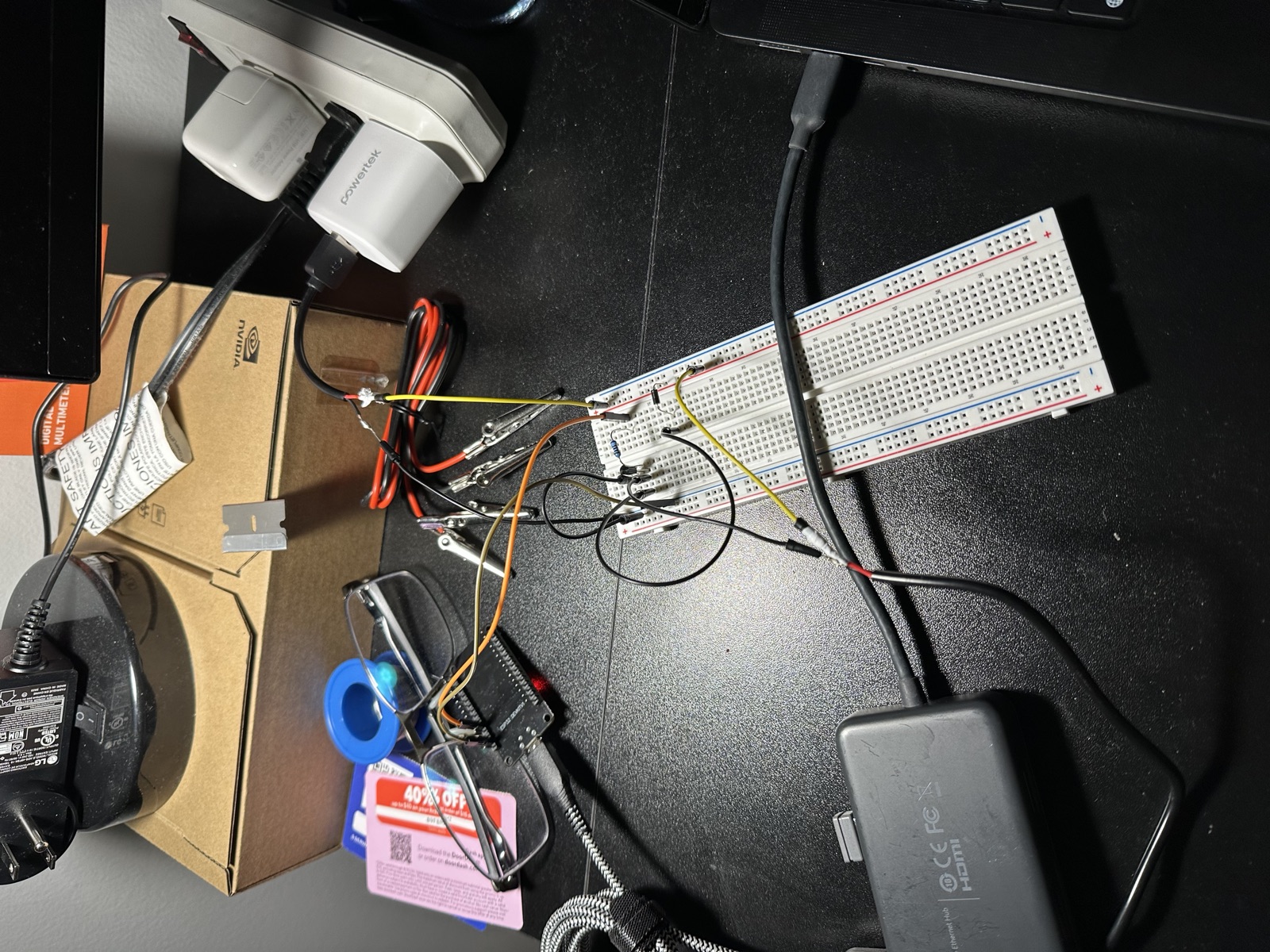
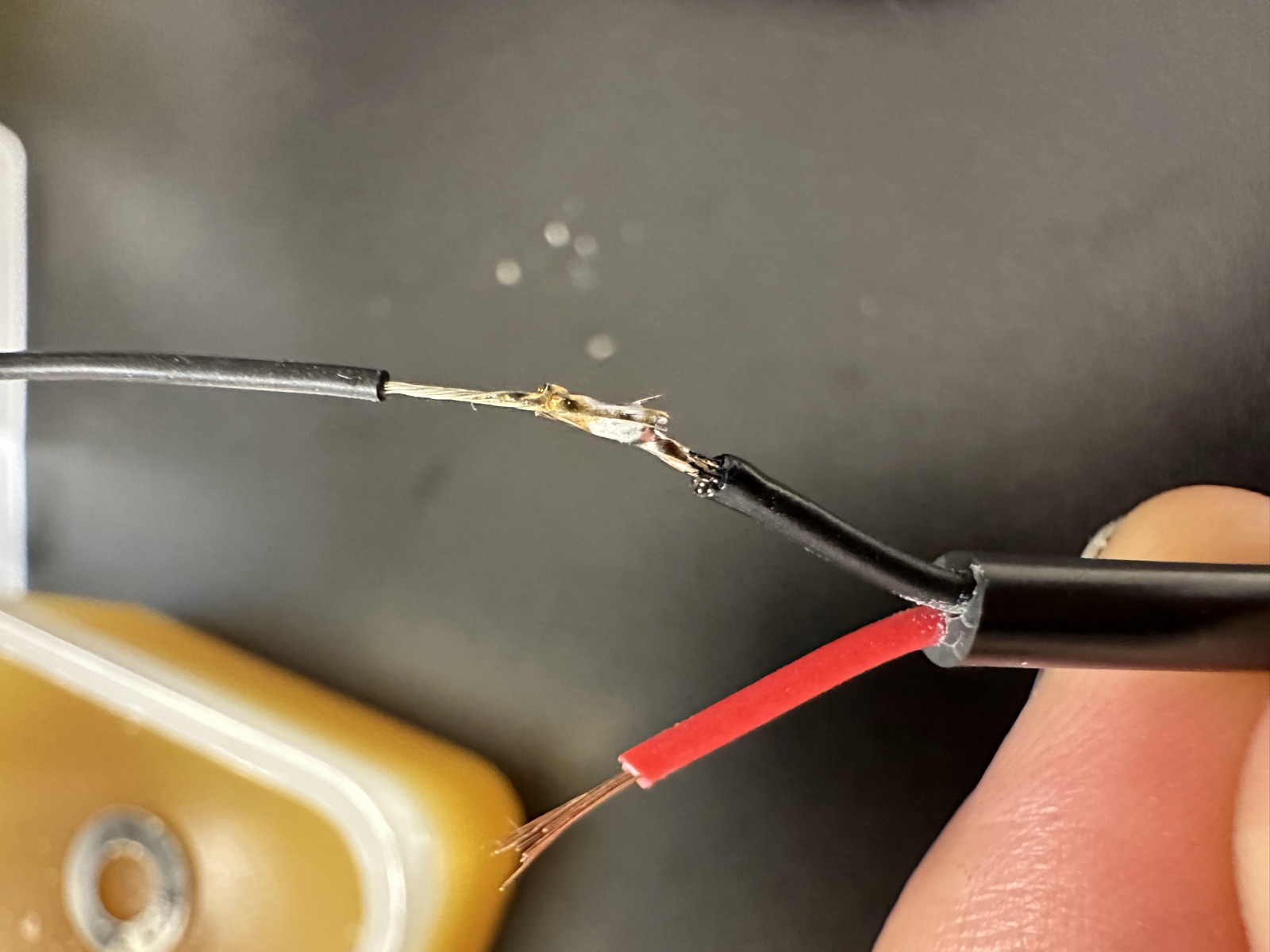
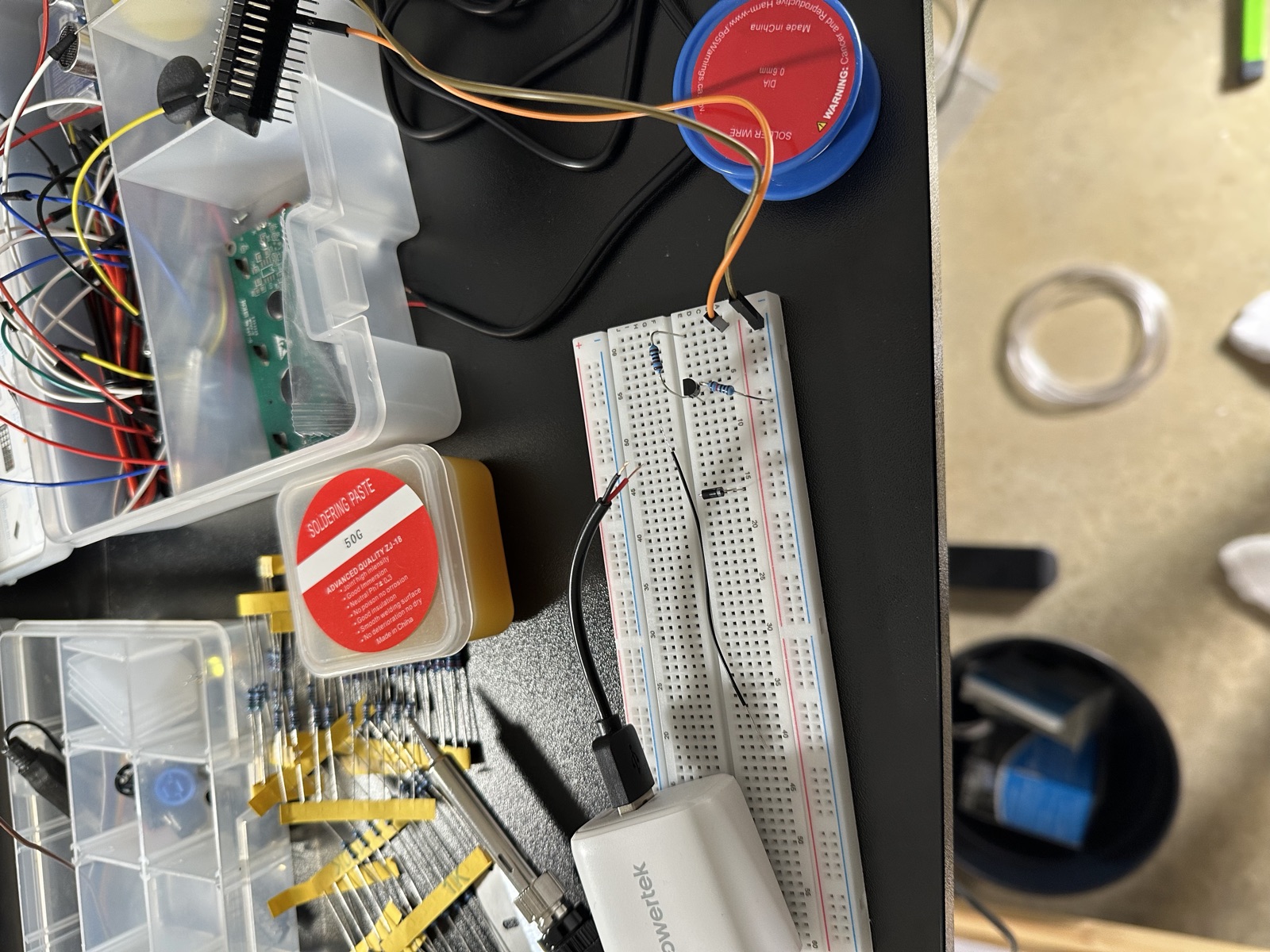
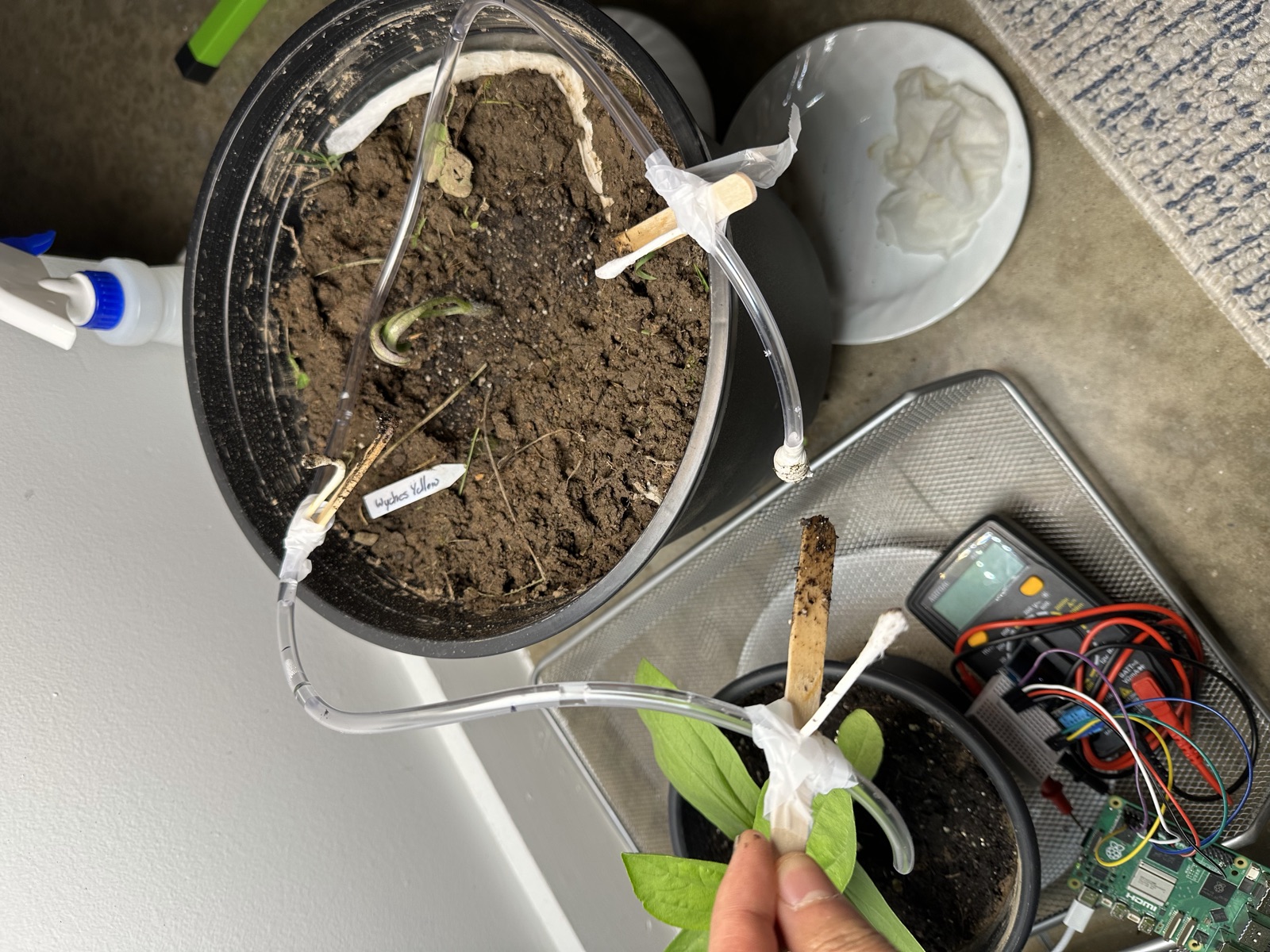
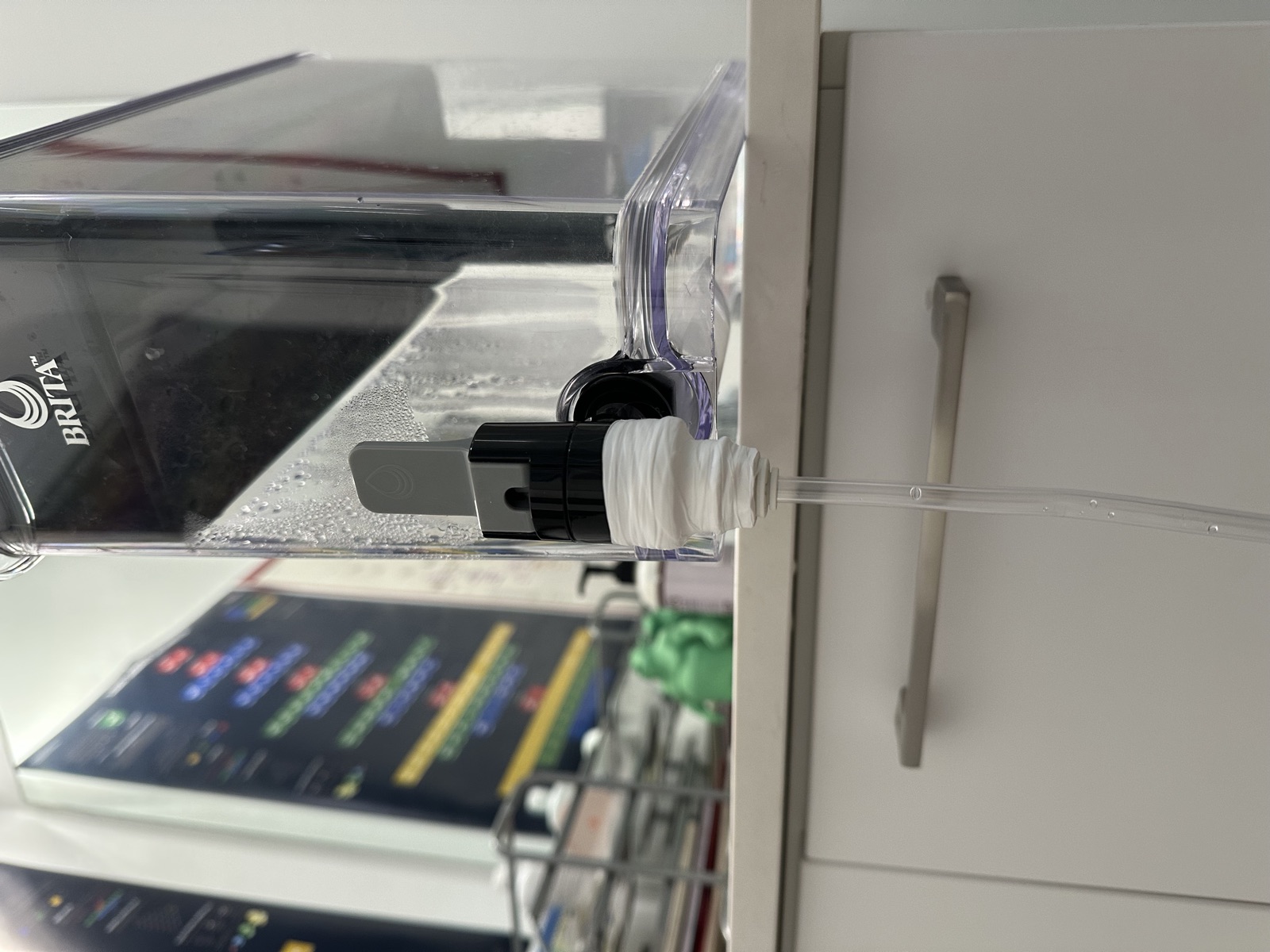
If any plant is flagged for water, the Pi POSTs to the ESP32 over Wi-Fi. The ESP32 pulls a GPIO high, which saturates an NPN BJT switching a 5V pump. Water moves from a Brita pitcher through a vinyl tube into the soil. The pump's HTTP ack — duration in milliseconds — lands back in the observation row alongside the verdict.
Cron · 07:30 · 11:30 · 15:30 · 19:30 CT · ran daily, May 3 → June 11, 2026
Build Gallery
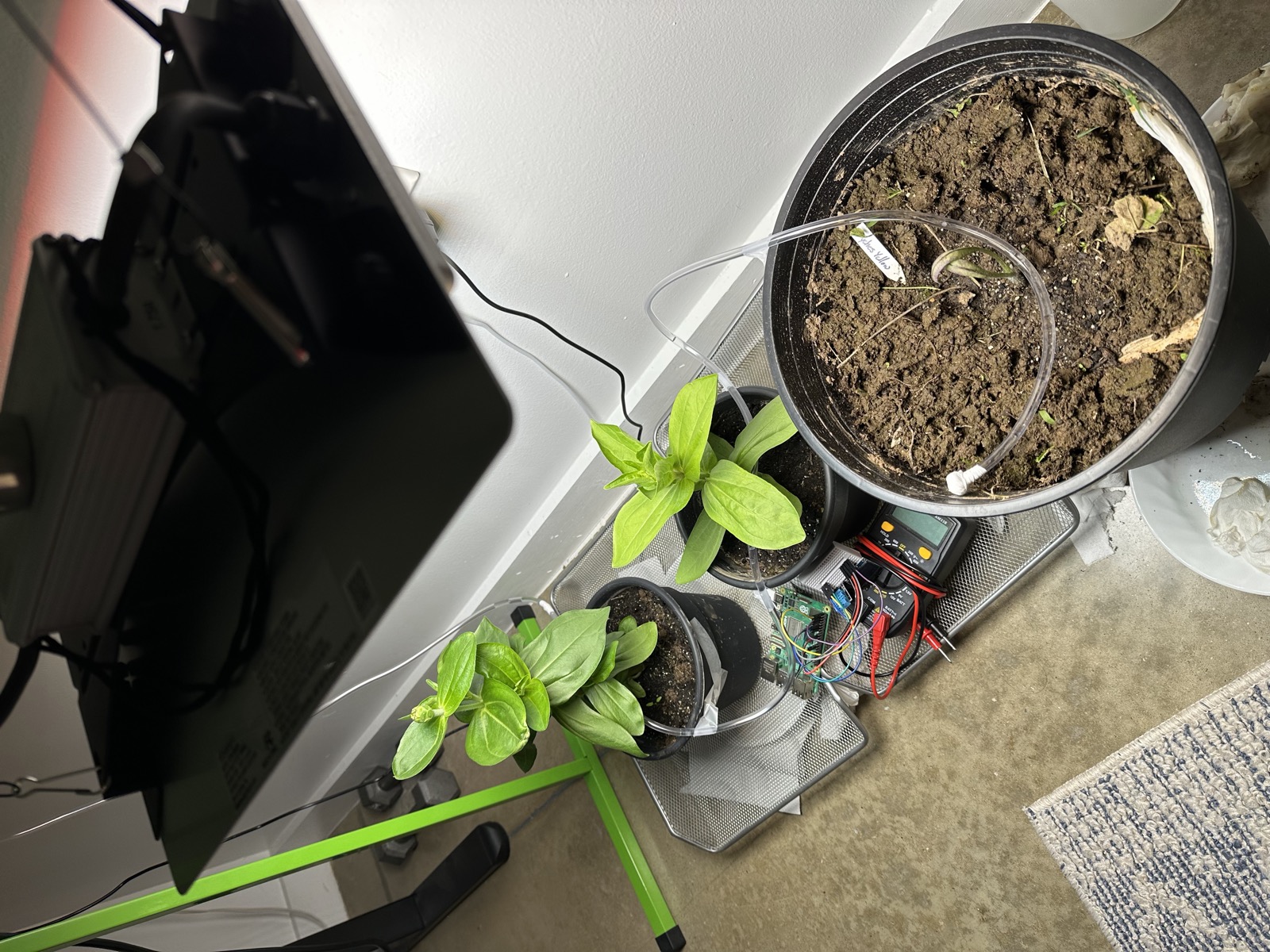
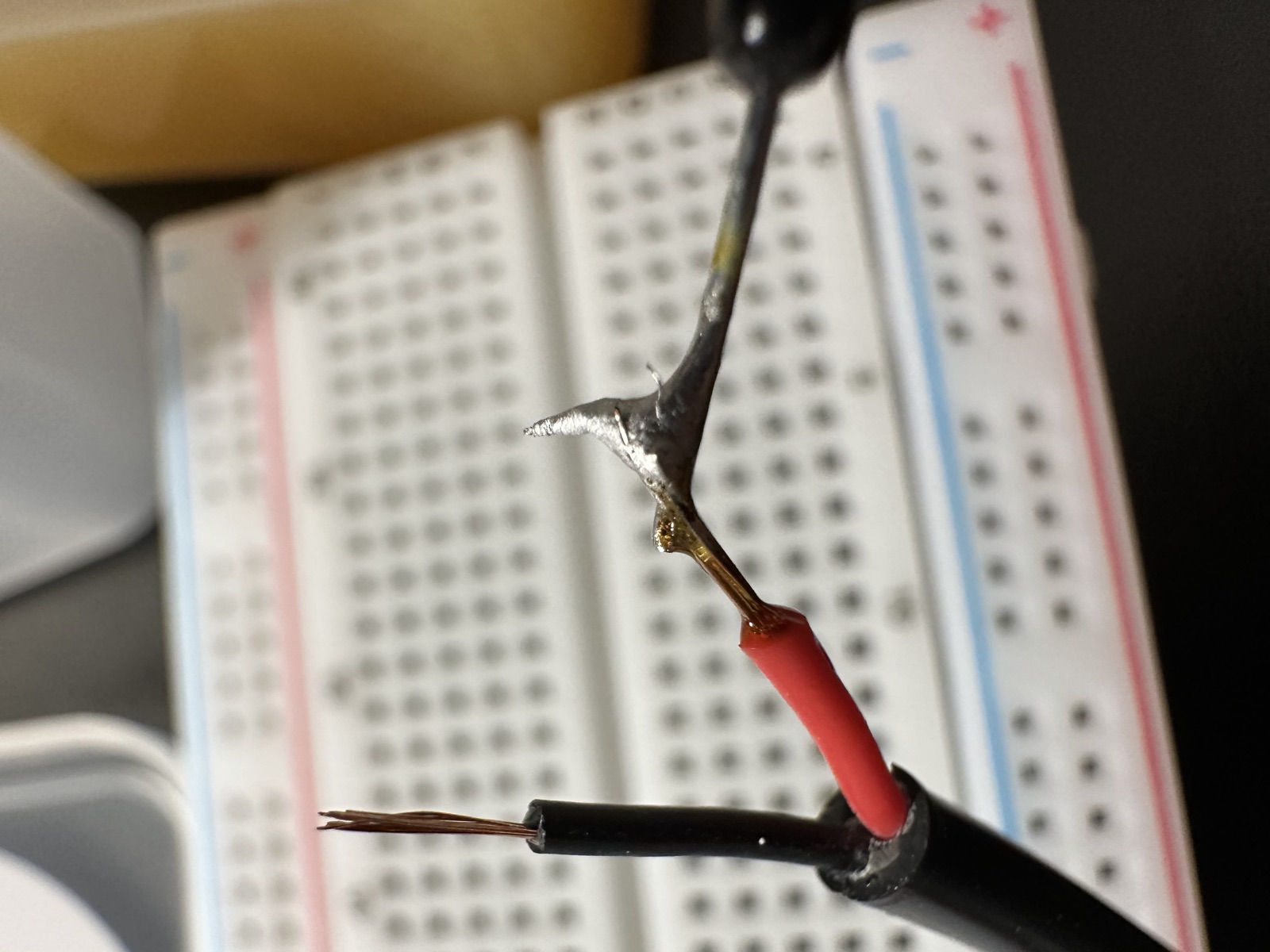
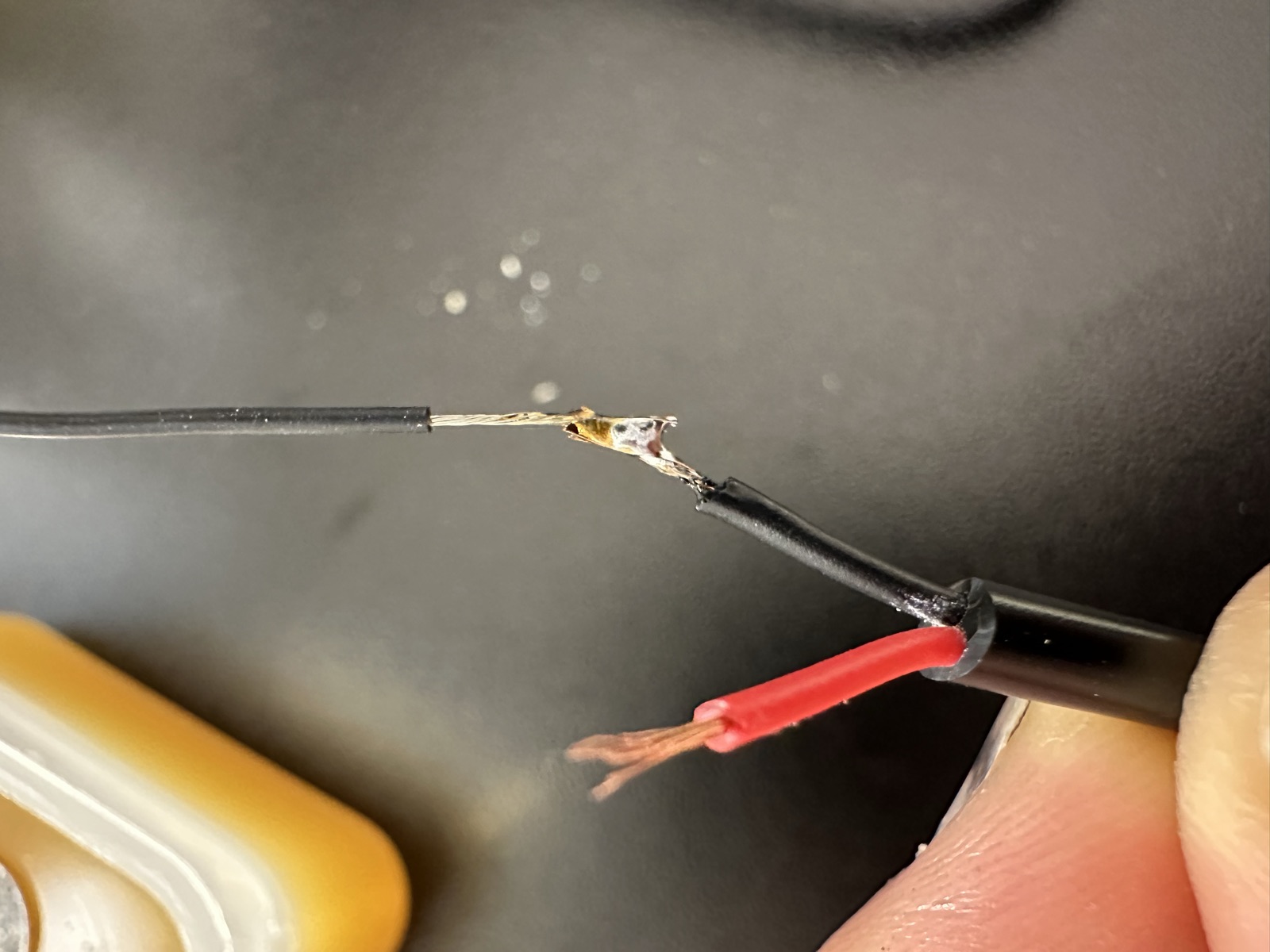
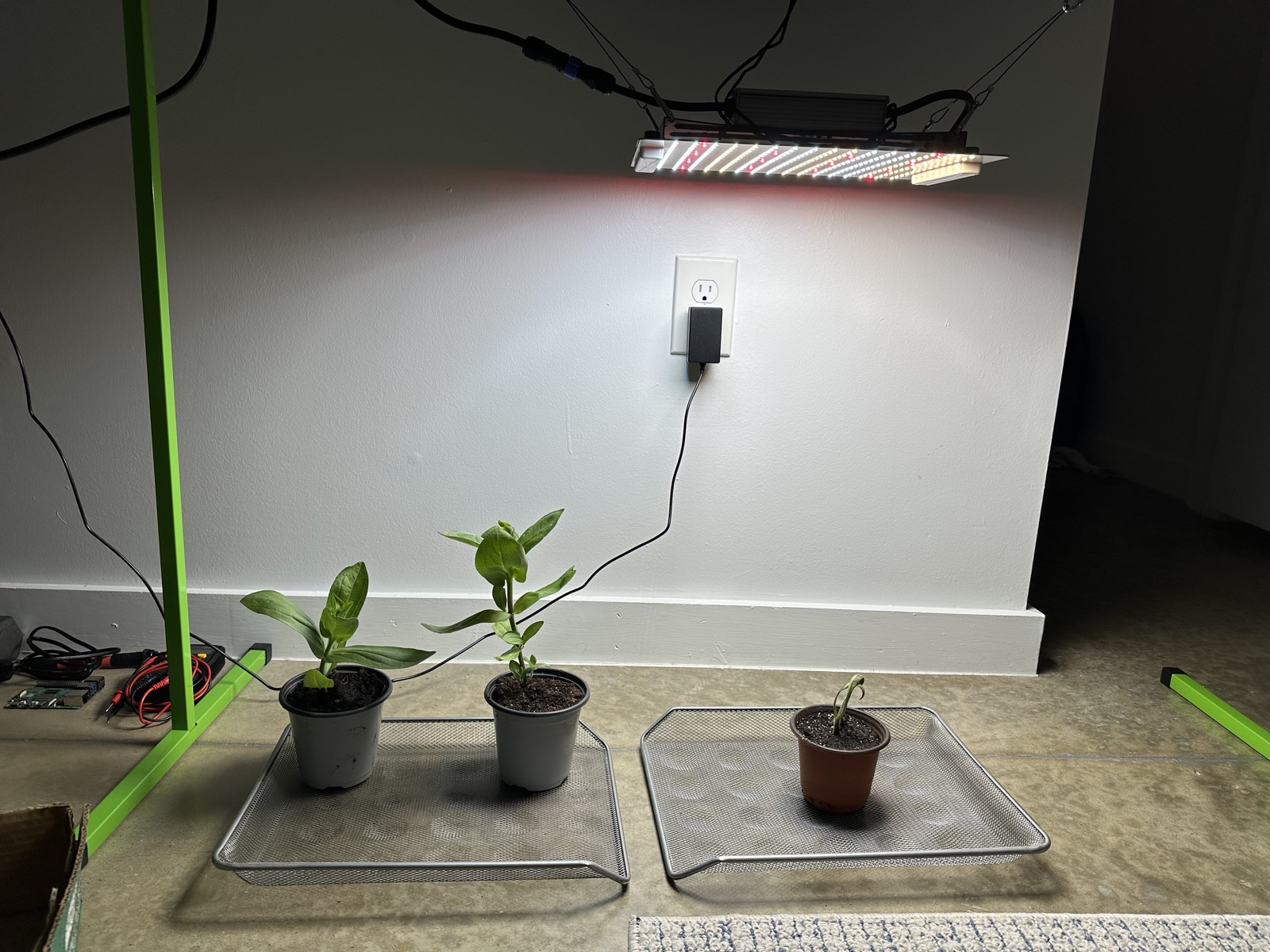
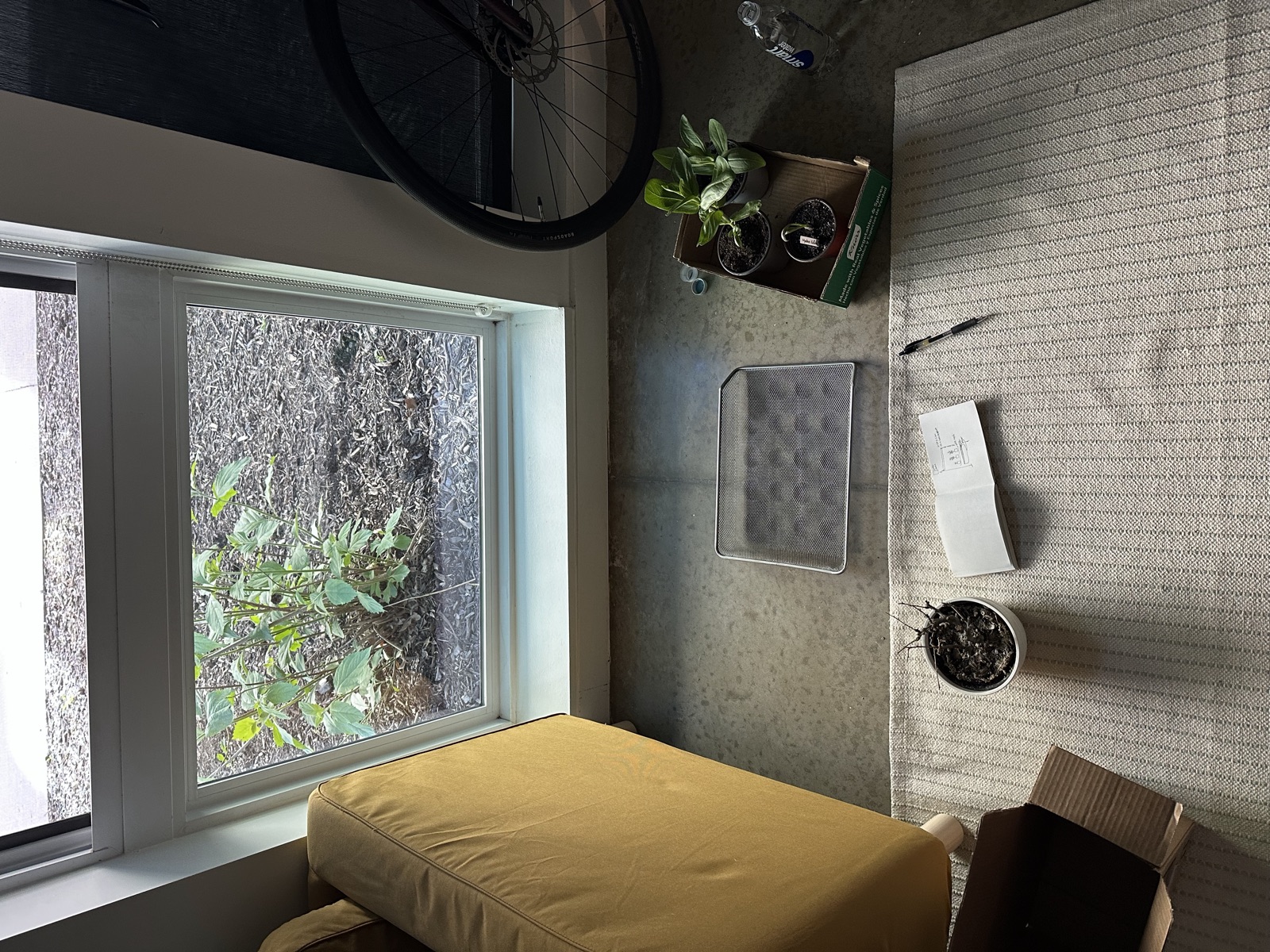
Behind the dashboard — photos from the bench during the build.